


Shandong Zhongjie Special Equipment (formerly Heze Boiler Factory Co., Ltd.) holds an A-grade boiler manufacturing license, A2-grade pressure vessel manufacturing license, A2-grade pressure vessel design license, B-grade boiler installation license, GB2 and GC2 class pressure pipeline installation licenses, and equipment and machinery installation contracting qualifications. It is a member of the China Boiler and Water Treatment Association, the China Chemical Equipment Association, and the director unit of the Shandong Equipment Manufacturing Association. The company has also passed the ISO9001 Quality Management System, ISO14001 Environmental Management System, OHSAS18001 Occupational Health and Safety Management System certifications, and the American ASME/U2 certification.
Detailed parameters for carbon dioxide tanks can vary depending on specific design and usage requirements. Here are some common parameters for carbon dioxide tanks:
- Capacity: The capacity of carbon dioxide tanks can vary according to demand, with common ranges from a few thousand to tens of thousands of liters.
- Pressure: The design working pressure for carbon dioxide tanks typically ranges between 15-25 MPa (MPa), with the specific pressure depending on the application and usage needs.
- Material: Carbon dioxide tanks are usually made of high-strength materials like carbon steel or stainless steel, with the choice of material depending on the storage environment and requirements.
- Dimension: The physical dimensions of carbon dioxide tanks also vary based on capacity and design. Common shapes include cylindrical, spherical, or cuboid.
- Level Control: Carbon dioxide tanks usually come with level control systems to monitor and regulate the level of liquid carbon dioxide. These systems typically include level sensors and control valves.
- Pressure Control: Internal pressure control systems are often installed in carbon dioxide tanks to monitor and control the gas pressure within the tank. These systems usually include pressure sensors and safety valves.
It should be noted that specific parameters for carbon dioxide tanks can differ among manufacturers, application scenarios, and standards. When selecting and using carbon dioxide tanks, it is essential to follow relevant safety operation procedures and guidelines, and consult with experts to obtain accurate parameter information.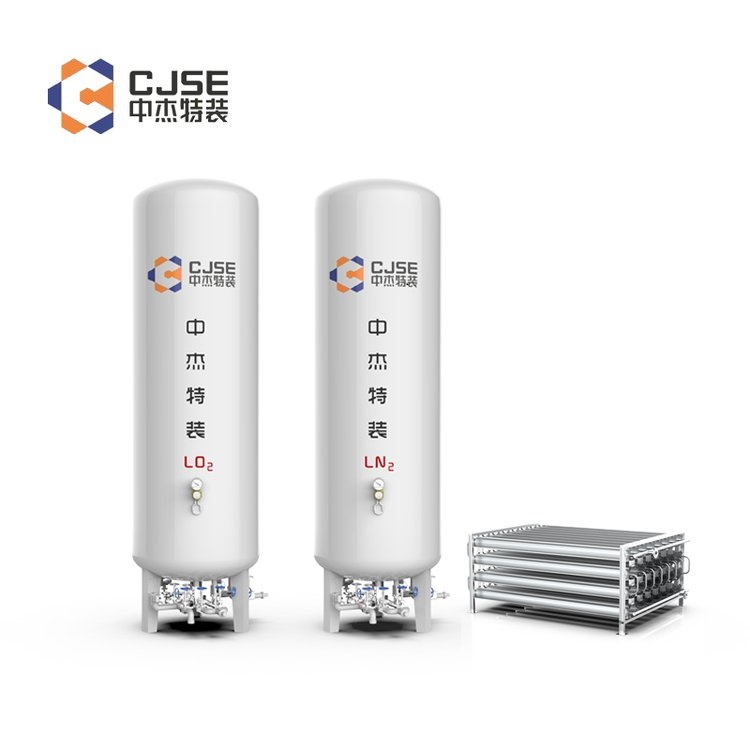
Technical specifications for carbon dioxide storage tanks can be formulated based on different application fields and/or regional standards. The following are some common technical specifications and standards for reference:
ASME Standards: The American Society of Mechanical Engineers (ASME) has issued a series of standards on pressure vessels, including specifications for carbon dioxide storage tanks such as ASME BPVC Section VIII Division 1 and ASME BPVC Section VIII Division 2.
ISO Standards: The International Organization for Standardization (ISO) has released some standards related to pressure vessels, such as ISO 9809-1 and ISO 9809-2, covering the design, manufacturing, and inspection requirements for steel gas cylinders.
GB Standards: The China National Committee for Standardization has issued a series of standards related to pressure vessels, such as GB 150 "Pressure Vessels" and GB 5099 "Steel Gas Cylinders," which include the design, manufacturing, and inspection requirements for carbon dioxide storage tanks.
DOT Standards: The United States Department of Transportation (DOT) has issued some standards related to pressure vessels and cylinders, such as DOT-3AA and DOT-4BA, covering the design, manufacturing, and transportation requirements for liquefied gas storage tanks.
EN Standards: The European Committee for Standardization (CEN) has issued some standards related to pressure vessels, such as EN 13445 and EN 14382, covering the design, manufacturing, and inspection requirements for liquefied gas storage tanks.
Additionally, based on specific application needs, other industry standards and specifications may apply to carbon dioxide storage tanks, such as those related to the food and beverage industry or specific industry standards.
When using carbon dioxide storage tanks, appropriate technical specifications should be chosen based on specific application requirements and local regulations, ensuring that the tank's design, manufacturing, and use comply with the corresponding standards and specifications.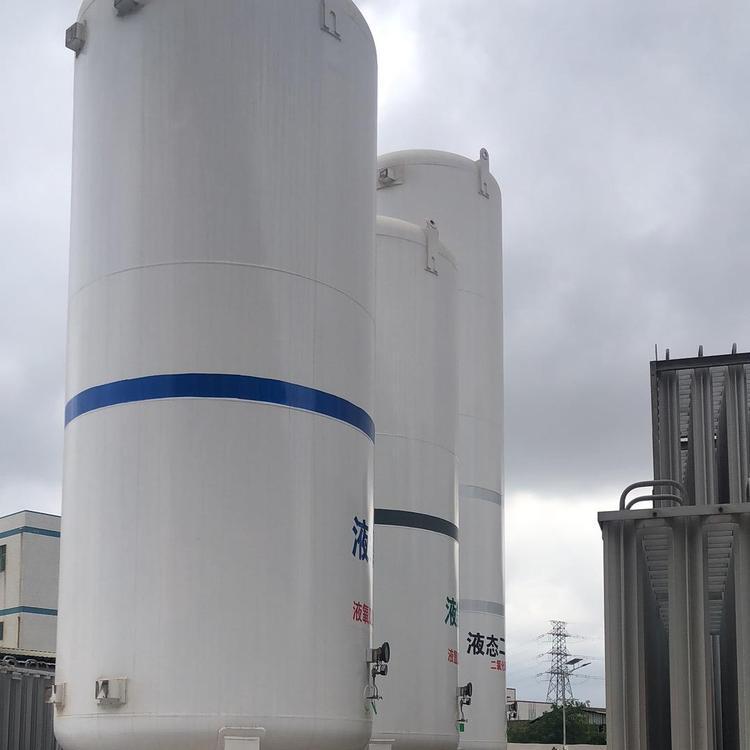
When using CO2 storage tanks, pay attention to the following aspects:
Safety Operation: Operators must be trained to understand the characteristics, operation requirements, and safety measures of CO2 storage tanks. Adhere to relevant safety operation procedures and standards to ensure safe operation.
Tank Inspection: Regularly inspect the tank's appearance, sealing, valves, and pipeline connections before use. Promptly repair or replace if any abnormalities or damage are found.
Tank Placement: Place the tank in a well-ventilated, dry, and fire-free area. Avoid direct sunlight and high-temperature environments to prevent overheating.
Leak Prevention: Ensure that the tank's valves and pipeline connections are sealed properly to prevent CO2 leaks. Regularly inspect and replace seals, and promptly address any leaks.
Pressure Control: The internal pressure of the tank should be within a safe range. Check the tank's pressure gauge and safety valve before use to ensure proper functioning. Avoid excessive or low pressure to prevent accidents.
Fire Prevention: CO2 is flammable. Implement fire prevention measures during use. Smoking, open flame operations, or placing flammable materials near the tank are prohibited.
Emission Control: Properly discharge exhaust gases when using CO2 storage tanks to avoid CO2 accumulation in enclosed spaces, which can lead to asphyxiation and safety risks.
Emergency Response Plan: Develop and implement an emergency response plan, including procedures for leak incidents, evacuation, and first aid measures. Operators should be familiar with the plan and conduct regular drills.
Note that CO2 storage tank operation should be performed by qualified personnel following relevant safety operation procedures and standards. Seek advice and guidance from experts.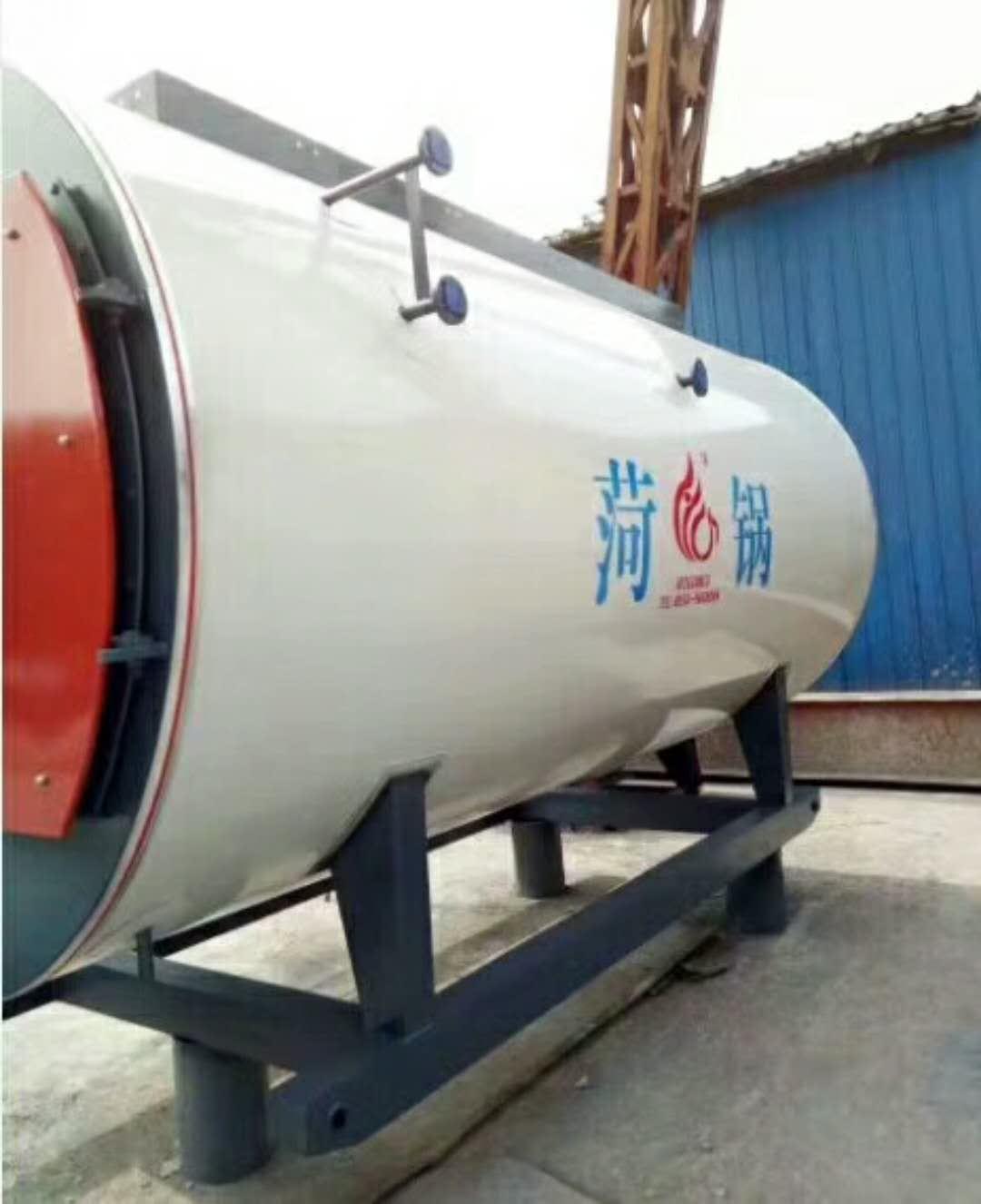
Carbon dioxide tanks are widely used across various industries. Below are some common industries where carbon dioxide tanks are utilized as examples:
Beverage and Food Industry: Carbon dioxide is used as a carbonating agent for beverages and food, employed in the production of soft drinks, beer, and other carbonated products. Tanks are used to store and supply carbon dioxide to meet production line requirements.
Medical Industry: Carbon dioxide finds multiple applications in the industry, such as anesthesia, respiration, and tissue freezing. Tanks are used to store and supply medical-grade carbon dioxide to meet facility needs.
Fire Suppression: Carbon dioxide is extensively used in fire suppression systems, particularly for electrical and sensitive equipment. Tanks are used to store and supply fire-fighting carbon dioxide.
Gas Industry: Carbon dioxide is also a significant product in the gas industry, used in the manufacturing of chemicals, metal processing, welding, and gas protection. Tanks are used to store and supply industrial-grade carbon dioxide.
Greenhouse Agriculture: Carbon dioxide can be used to promote plant growth in greenhouses, providing additional carbon dioxide concentration. Tanks are used to supply the necessary carbon dioxide for greenhouse use.
Automotive Industry: Carbon dioxide is used for tire inflation and airbag systems in cars. Tanks are used to store and supply carbon dioxide to meet the demands of car manufacturing and maintenance.
These are just a few common industry examples. In reality, carbon dioxide tanks are widely used in many other industries, such as chemicals and frozen food. Specific applications will vary based on industry needs and scenarios.
Zhongjie Special Equipment upholds the great vision of "Realizing employees' dreams, creating value for customers, and striving for the prosperity and strength of our motherland," and is dedicated to the development of the green energy equipment industry. We offer society high-quality products and services at competitive prices!
Xinxiang 10 Cubic Meter Carbon Dioxide Storage Tank, Genuine Manufacturer
