


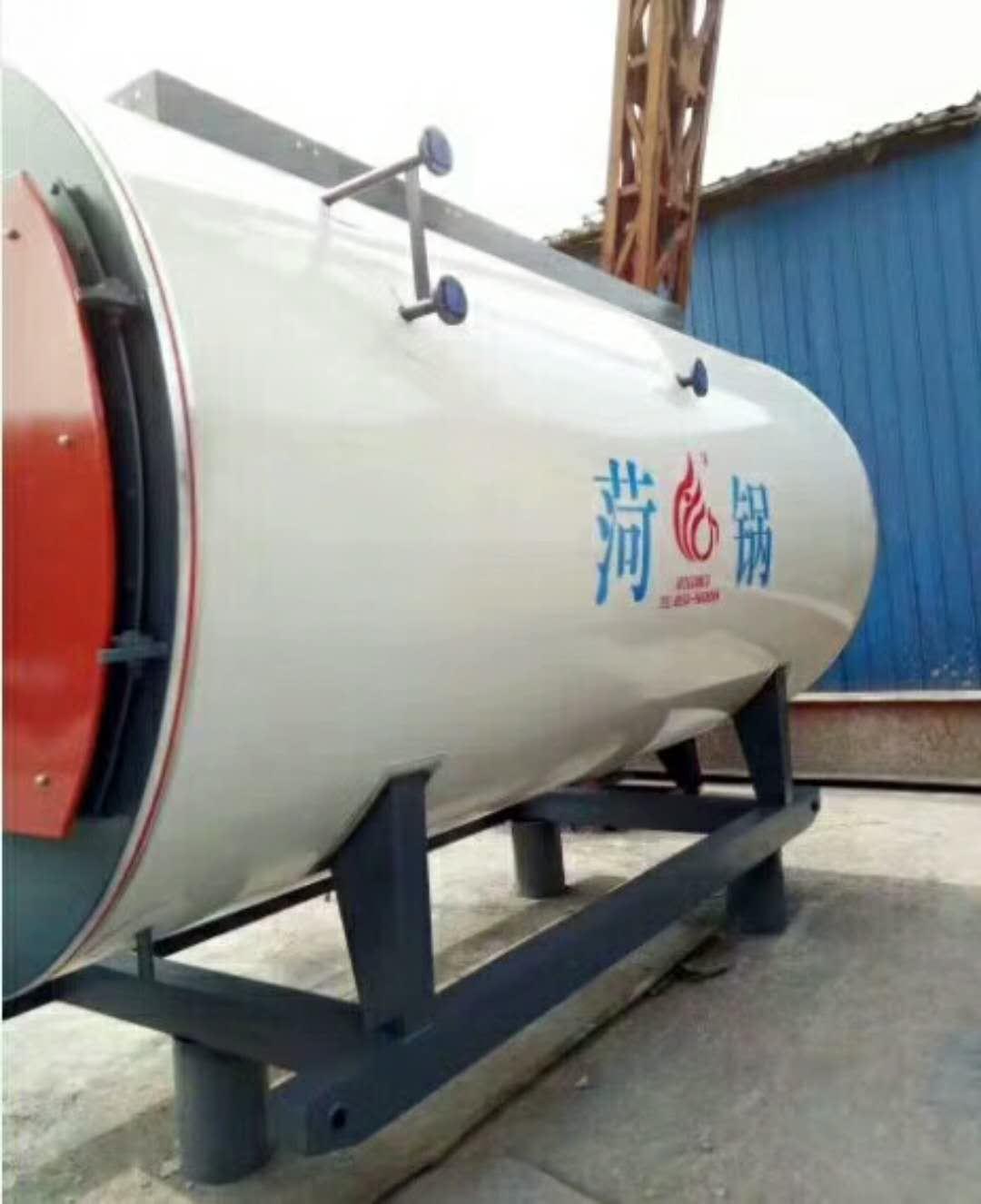
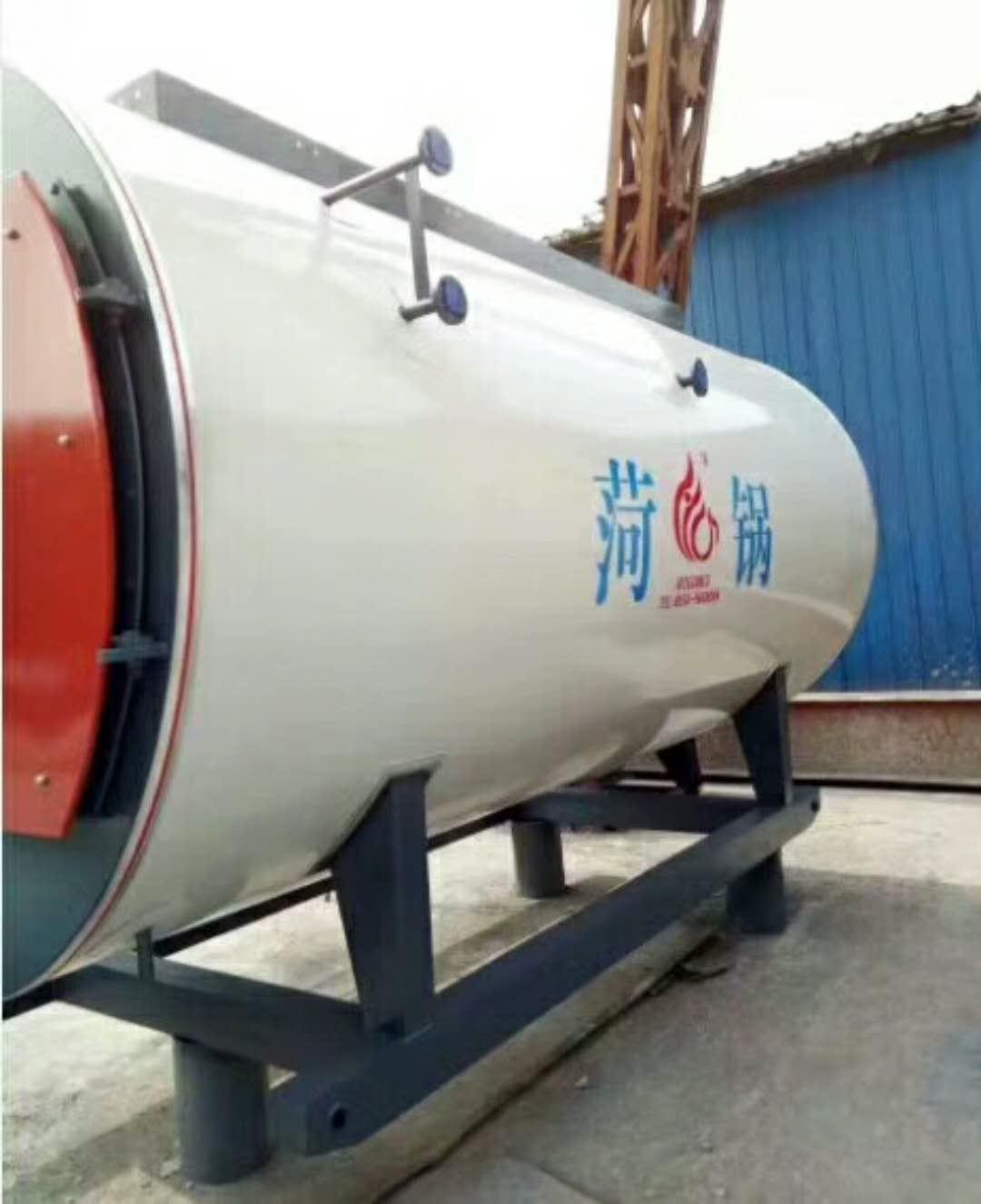

Shandong Zhongjie Special Equipment (formerly Heze Boiler Factory Co., Ltd.) holds an A-grade boiler manufacturing license, an A2-grade pressure vessel manufacturing license, an A2-grade pressure vessel design license, a B-grade boiler installation license, and GB2/Class and GC2/Class pressure pipeline installation licenses, as well as a qualification for mechanical and electrical equipment installation contracts. It is a member of the China Boiler and Water Treatment Association, the China Chemical Equipment Association, and a director unit of the Shandong Equipment Manufacturing Association. The company has also passed certifications for the ISO9001 Quality Management System, ISO14001 Environmental Management System, OHSAS18001 Occupational Health and Safety Management System, and the American ASME/U2 certification.
When storing liquid nitrogen in low-temperature storage tanks, please note the following points:
Protective Gear: When operating low-temperature storage tanks, it is mandatory to wear appropriate protective gear, including gloves, protective clothing, and non-slip shoes. This gear safeguards the skin from the low temperatures of liquid nitrogen and other hazards.
Avoid direct contact: Liquid nitrogen is extremely cold and can cause frostbite. Therefore, it is crucial to avoid direct contact with liquid nitrogen, especially with the skin. Use tools or instruments for handling, and never touch liquid nitrogen with your hands.
Ventilation Requirements: In the operating area of low-temperature storage tanks, adequate ventilation must be ensured to expel gases produced by the evaporation of liquid nitrogen. Maintain air circulation to avoid excessive oxygen concentration, and reduce the risk of fire and explosion.
Prevent Leaks: Regularly inspect the low-temperature storage tanks for leaks, and equip them with leak detection and alarm systems. In case of a leak, take immediate measures to control and repair it. Avoid the hazards of liquid nitrogen leaks to personnel and the environment.
Fire Prevention Measures: Liquid nitrogen has a low boiling and freezing point, which can easily cause fires. To prevent and contain fires, firewalls and fire-resistant coatings are installed around low-temperature storage tanks.
Electrostatic Protection: Electrostatic buildup in low-temperature storage tanks may cause sparks, increasing the risk of fire. Measures should be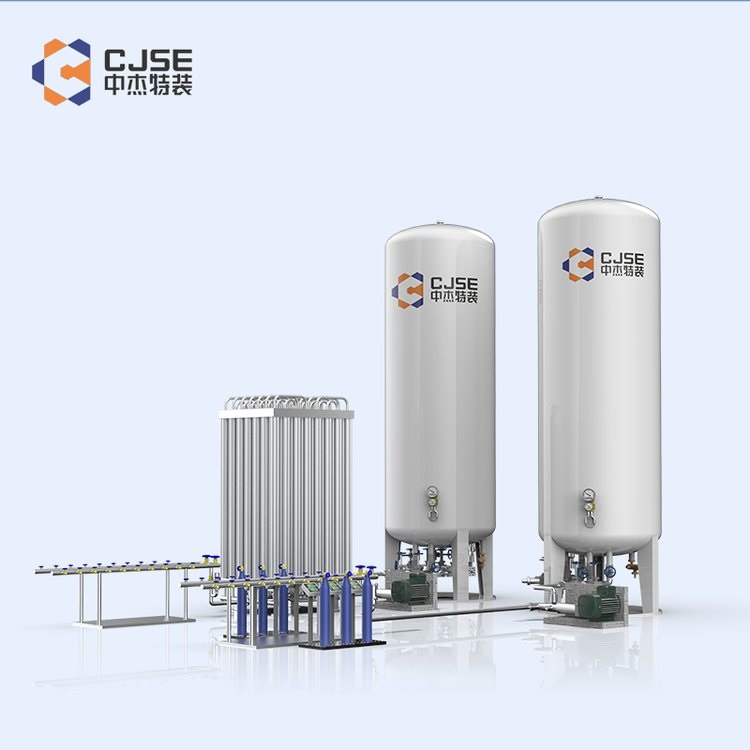
Maintenance and care of liquid nitrogen tanks are crucial for ensuring safe operation and extending their service life. Here are the maintenance and care methods for liquid nitrogen tanks:
Regular Inspections: Conduct regular inspections of the liquid nitrogen tank's exterior and interior, including checking for leaks, corrosion, wear, or other damage. Pay special attention to inspecting the tank's interfaces, valves, and pipelines to ensure they are functioning properly.
Cleaning and Defrosting: Regularly clean the exterior surface of the liquid nitrogen tank to remove dust and dirt. If there is ice or frost inside the tank, defrosting is required to maintain the normal operation of the tank.
Level Monitoring: Regularly monitor the liquid nitrogen tank's level to ensure the storage quantity remains within a safe range. If an abnormal level is detected, adjust or replenish the liquid nitrogen promptly.
Inspection and Replacement of Parts: Regularly inspect and replace critical components of liquid nitrogen tanks, such as safety valves, pressure sensors, and temperature sensors, to ensure their proper operation and accuracy.
Inspect Insulation: Regularly inspect the liquid nitrogen tank's insulation to ensure its integrity and insulating performance. If damage or aging of the insulation is found, it should be repaired or replaced promptly.
Regular Calibration: Regularly calibrate the gauges and sensors of liquid nitrogen tanks to ensure accuracy and reliability. Calibration should be performed according to relevant standards and specifications.
Safety Training and Operating Procedures: Conduct regular safety training for liquid nitrogen storage tanks to ensure operators are familiar with the safe operating procedures and emergency response measures.
It's important to note that maintenance of liquid nitrogen tanks should be performed by trained and authorized personnel. Adhere to relevant safety regulations and operating guidelines to ensure the safety and effectiveness of the maintenance work.
When selecting insulating materials for low-temperature liquid storage tanks, consider the following factors:
Thermal Conductivity: The lower the thermal conductivity of insulating materials, the better their insulating performance. Therefore, materials with lower thermal conductivity should be chosen, such as polyethylene foam (EPS), polyester foam (PUR), and silicate fibers.
Density: The density of insulating materials also affects their insulating performance. Generally, the higher the density, the better the insulating performance. However, excessively high density may increase the weight and cost of the tank. Therefore, a balance needs to be struck between insulating performance and tank structural requirements.
Corrosion Resistance: Due to the special working environment of low-temperature liquid storage tanks, the insulation material must have excellent corrosion resistance to withstand the erosion of low-temperature liquids. For instance, glass fiber and silicate fiber offer good corrosion resistance.
Reliability and durability: Insulation materials must have good reliability and durability, maintaining their insulating properties over the long term. Choose verified and tested materials to ensure their quality and performance.
Construction Convenience: The ease of installation and maintenance of insulation materials is also a factor to consider. Choosing materials that are easy to install and maintain can enhance construction efficiency and reduce costs.
Environmental Friendliness: Consider selecting environmentally friendly insulation materials, such as recyclable ones, to minimize environmental impact.
Considering the above factors, choose an appropriate insulating material to provide excellent thermal insulation and durability, ensuring the safety and efficient operation of low-temperature liquid storage tanks. When selecting insulating materials, it is advisable to consult with engineers or consulting agencies for more accurate recommendations and guidance.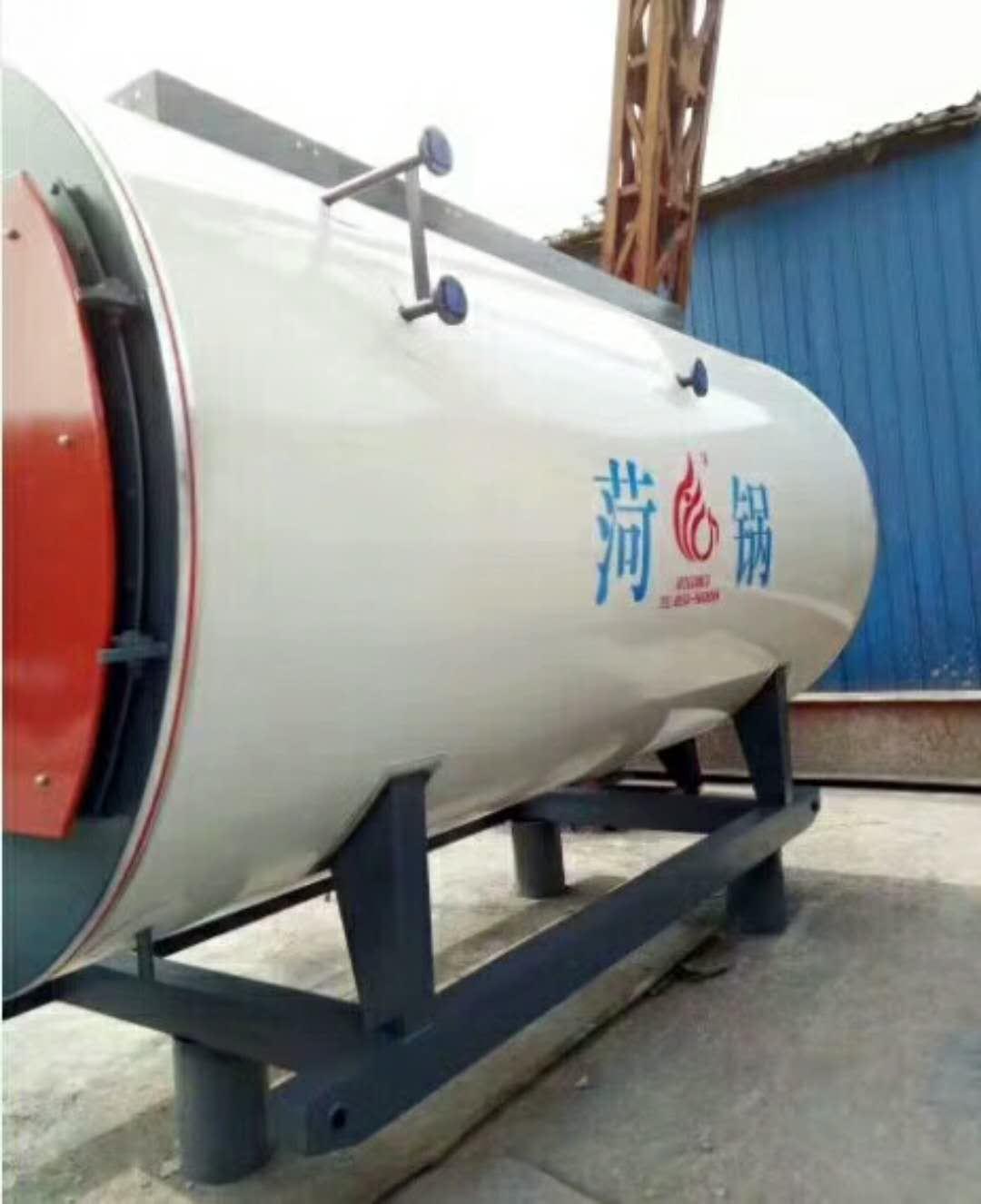
The reasons for not leaving a liquid oxygen tank idle for extended periods mainly include the following:
Evaporation Loss of Liquid Oxygen: Liquid oxygen has a low boiling point, and prolonged empty storage will cause it to continually evaporate, resulting in a loss of liquid oxygen within the storage tank. The evaporation rate of liquid oxygen is rapid, with daily evaporation amounts potentially reaching up to several percent of the tank's capacity. Prolonged empty storage will lead to waste of liquid oxygen.
Safety Risk: Liquid oxygen is a strong oxidizer with high flammability and explosive properties. Prolonged empty storage of liquid oxygen tanks increases the likelihood of contact with the surrounding environment, thereby raising the risk of accidental fires and explosions.
Risk of Storage Tank Damage: Long-term emptying of liquid oxygen storage tanks may lead to internal oxidation reactions, accelerating corrosion and damage to the tank. Tank damage can affect its sealing performance and structural strength, increasing the risk of leaks and safety accidents.
Therefore, to ensure the safe storage and effective use of liquid oxygen, the liquid oxygen tank should be regularly maintained and serviced to prevent long-term disuse. When the tank is not in use, appropriate measures should be taken, such as sealing the tank and reducing oxygen evaporation, to minimize losses and safety risks associated with liquid oxygen.
ZJ Special Equipment adheres to the great vision of "realizing employees' dreams, creating customer value, and striving for the prosperity and strength of our motherland," and is dedicated to the development of the green energy equipment industry. We offer society high-quality products and services at competitive prices!
Lincang Liquid Nitrogen Storage Tank, In Stock Supply
