


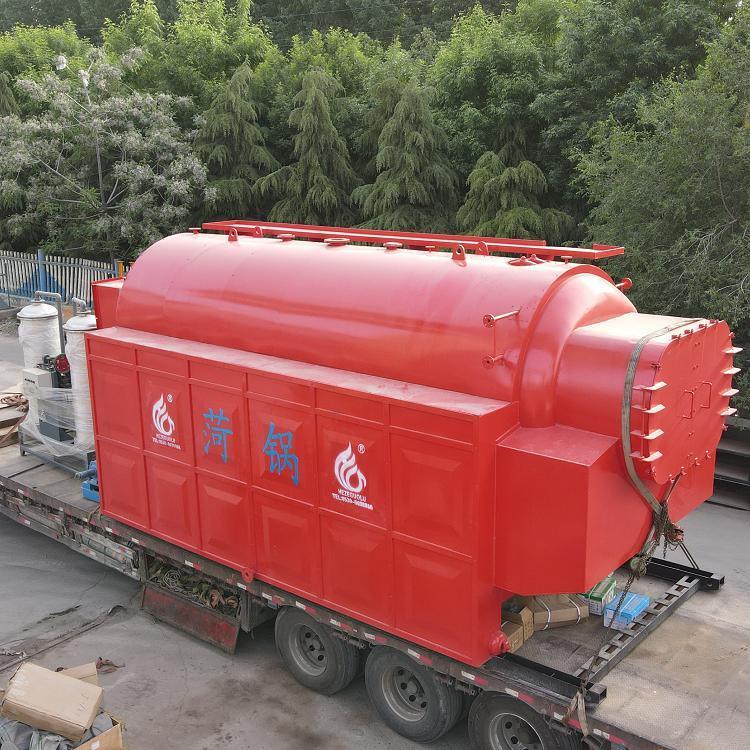

Shandong Zhongjie Special Equipment (formerly Heze Boiler Factory Co., Ltd.) holds an A-grade boiler manufacturing license, an A2-grade pressure vessel manufacturing license, an A2-grade pressure vessel design license, a B-grade boiler installation license, and GB2/Class and GC2/Class pressure pipeline installation licenses, as well as a qualification for the installation of electromechanical equipment. It is a member of the China Boiler and Water Treatment Association, the China Chemical Equipment Association, and the Council Member of the Shandong Equipment Manufacturing Association. The company has also passed certifications for the ISO9001 Quality Management System, ISO14001 Environmental Management System, OHSAS18001 Occupational Health and Safety Management System, and the American ASME/U2 certification.
Consider the following aspects when looking to purchase a high-performance hot water boiler at an affordable price:
Market Research: Before purchasing, conduct market research to understand different models of hot water boilers, compare their performance, quality, and price differences. Information can be obtained through the internet, consulting experts, or referring to user reviews.
Choose Reliable: Opt for a reputable hot water boiler, which generally boasts high-quality products and after-sales service guarantees. Reputation can be assessed by reviewing relevant information, consulting with experts, or referring to customer reviews.
Pay attention to product quality: When purchasing a hot water boiler, focus on the quality of the product. Check for certifications and compliance with standards, and understand the manufacturing process and material selection. Additionally, refer to customer reviews to learn about the actual usage of the product.
Performance and Demand Alignment: Select a suitable hot water boiler model and specification based on your specific hot water needs and usage scenarios. Consider the boiler's thermal efficiency, heating speed, capacity, and other performance indicators to ensure they meet your actual requirements.
Price Comparison: When selecting a hot water boiler, it's important to conduct a price comparison, taking into account factors such as product performance, quality, and price. Consult with multiple suppliers for quotes, compare and negotiate, to secure a more reasonable price.
After-sales Service: When purchasing a hot water boiler, pay attention to the quality and guarantees of the after-sales service. Familiarize yourself with the supplier's after-sales service policies, maintenance, and repairs to ensure timely technical support and service during use.
The operation methods for biomass boilers can be selected and adjusted based on specific application needs and scenarios. Here are some common operation methods:
Heating Systems: Biomass boilers can be used in heating systems to provide hot water or steam for buildings, industrial plants, etc. Heat energy can be transmitted through pipelines to the areas requiring heating, meeting the needs for heating and hot water.
Industrial Production: Biomass boilers can be used for thermal energy supply in industrial production processes, such as food processing, pulp and papermaking, and chemical industries. The thermal energy provided by biomass boilers meets the heating and steam requirements in industrial production.
Greenhouse Heating: Biomass boilers can be used in greenhouse heating systems to provide hot water or steam for greenhouses, maintaining suitable temperature and humidity levels inside, and promoting plant growth.
Rural Heating: Biomass boilers can be used in rural heating systems to provide heating and hot water for rural residents. They can meet the heating needs of rural areas through centralized or decentralized heating.
Hot Water Pump Drying: Biomass boilers can be used in hot water pump drying systems for drying wood, grains, and other materials. By providing hot water or steam, the drying process is accelerated, enhancing efficiency.
Biomass Power Generation: Biomass boilers can be integrated with power generation equipment for biomass power generation. By burning biomass fuel, steam is produced to drive the generator and generate electricity, achieving the utilization and conversion of energy.
Here are some common application methods for biomass boilers. Depending on specific requirements and scenarios, the appropriate application method can be chosen, and the configuration and adjustment can be made in conjunction with relevant equipment and systems.
Biomass boilers possess certain characteristics that give them an edge in energy conservation and environmental protection:
Renewable Energy: The fuel used in biomass boilers is renewable energy, such as wood chips, straw, and waste materials. Compared to fossil fuels, the use of biomass fuel can reduce dependence on limited resources and lower energy consumption.
Low Carbon Emissions: The amount of carbon dioxide released during the combustion of biomass fuel is roughly equivalent to the amount absorbed during its growth, creating a closed carbon cycle. Compared to the combustion of fossil fuels, biomass boilers emit less carbon, contributing significantly to the reduction of greenhouse gas emissions.
Combustion: The biomass boiler utilizes advanced combustion technology and control systems to achieve combustion. By optimizing the combustion process, it enhances the utilization of thermal energy and reduces energy waste.
Waste Utilization: Biomass boilers can use waste as fuel, such as crop straw and wood waste.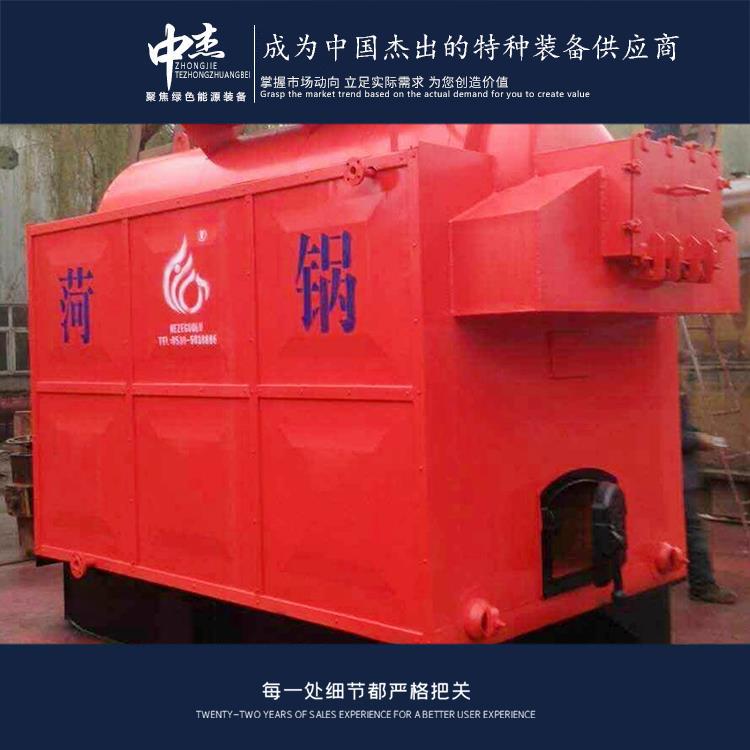
Biomass boiler pellet fuel is a common form of biomass fuel, also known as biomass pellets or wood pellets. It is a small granular fuel made by processing biomass raw materials (such as sawdust, straw, wheat straw, fruit shells, etc.) through processes like crushing, drying, and pressing.
Biomass boiler pellet fuel boasts the following characteristics:
High Energy Density: Biomass pellets offer a high energy density, allowing for more energy to be stored in a relatively smaller volume, which facilitates transportation and storage.
Easy to Burn: Biomass pellets have regular shapes and uniform sizes, ensuring a stable combustion process, easy control over combustion parameters, and an improved combustion efficiency.
Low humidity and low ash content: The biomass pellet fuel is dried and processed, resulting in low humidity and relatively low ash content, which reduces water evaporation and ash production during combustion, thereby enhancing combustion efficiency and reducing pollutant emissions.
Renewable and Eco-friendly: Biomass pellet fuel is a renewable energy source, which can be recycled through the regeneration process. The carbon dioxide released during combustion can be absorbed by biomass regeneration, forming a cycle with minimal environmental impact.
Wide combustion adaptability: Biomass pellet fuel is suitable for biomass boilers, featuring strong combustion adaptability. Different types and specifications of pellet fuel can be chosen according to actual conditions to meet the needs of various boilers.
Biomass pellets are widely used in biomass boilers, representing a clean and renewable energy source that is crucial for reducing carbon emissions and protecting the environment.
Shandong Zhongjie Special Equipment, welcome clients to our factory for negotiations and cooperation.
Wanning Biomass Boiler Customization, Direct Factory Supply
