


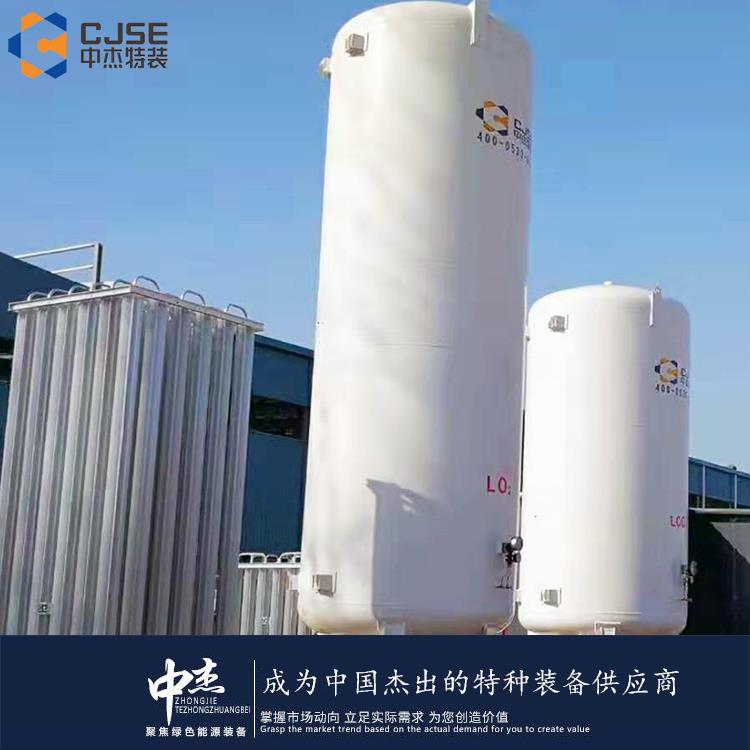
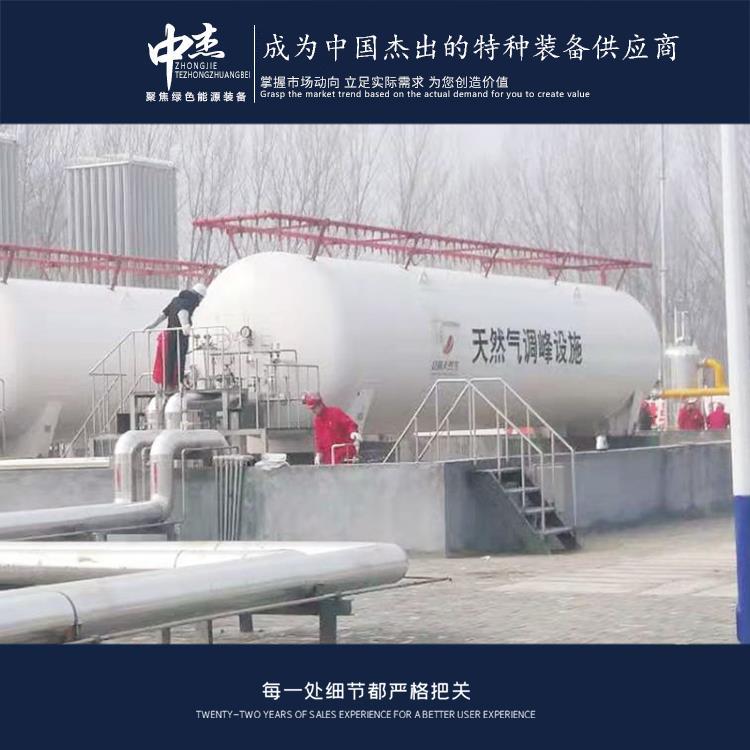
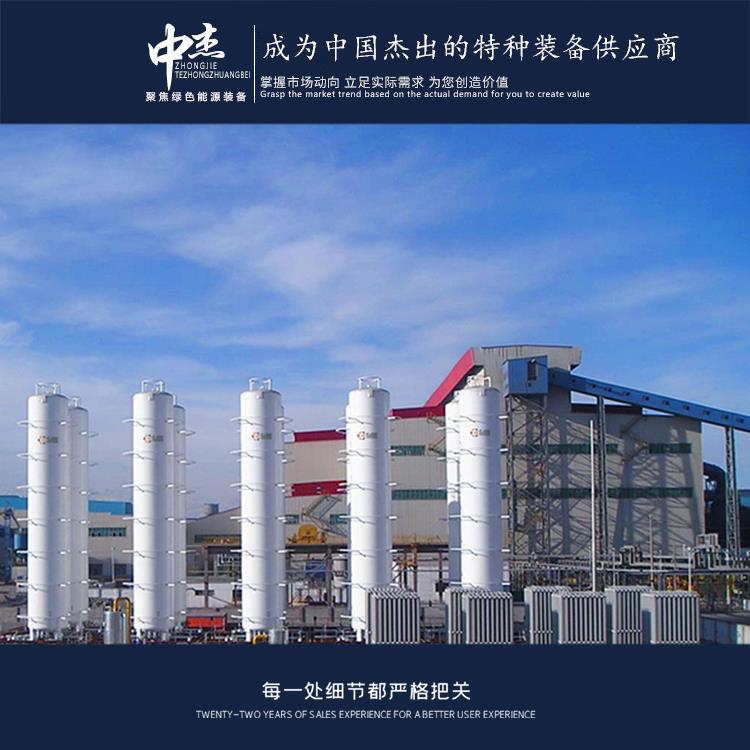
Shandong Zhongjie Special Equipment's main products include: fuel (gas) boilers, organic heat carrier boilers, biomass boilers, waste heat boilers, and other boiler products; vacuum insulation cryogenic pressure vessels such as LNG tanks, oxygen-nitrogen-aragonite tanks, CO2 tanks; pressure vessel products such as denitrification engineering equipment, heat storage and energy storage equipment, and complete chemical equipment; central air conditioning and heating ventilation equipment like ground (water) source heat pumps, air source units, water-cooled screw units, and air-cooled modules. Planned products include large-scale energy centers, LNG transport vehicles, LNG tank containers, and other green energy equipment.
The use of low-temperature liquid storage tanks requires attention to the following matters:
Safety Operation: Operators must undergo training to understand the tank's operation procedures and safety precautions. Adhere to the correct operational steps to ensure safe operations.
Protective Gear: Operators must wear appropriate protective gear, such as thermal suits, gloves, etc., to safeguard themselves from harm caused by low-temperature liquids.
Leak Protection: Regularly inspect the seals of storage tanks and associated pipelines to prevent leaks of low-temperature liquids. Maintain cleanliness around the tanks to avoid debris hindering leak detection and management.
Fire Protection: Low-temperature liquids are highly flammable and fire precautions must be taken. Maintain a fire-free environment around storage tanks, prohibit smoking and open flames. Equip with appropriate fire extinguishing equipment to mitigate fire risks.
Pressure Control: Regularly inspect and maintain the pressure control system of the storage tank to ensure the pressure inside is within a safe range. Safety valves and pressure sensors, among other equipment, should operate normally, and abnormal pressure situations should be detected and addressed promptly.
Insulation Protection: Low-temperature liquid storage tanks should be equipped with an effective insulation layer to reduce heat transfer and evaporation of the liquid. The selection and installation of the insulation layer should comply with relevant standards and requirements.
Regular inspections and maintenance: Conduct regular checks of the tank's exterior and interior condition, including inspecting for leaks, corrosion, wear, or other damage. Pay special attention to checking the tank's interfaces, valves, and pipelines, ensuring they are functioning properly.
Emergency Preparedness: Develop an emergency response plan, including measures for leaks, fires, and other unforeseen incidents. Operators should be familiar with the emergency response plan and equipped with appropriate emergency and firefighting equipment.
Zhongjie Special Equipment Co., Ltd. is a company specializing in the production of low-temperature liquid storage tanks. They offer low-temperature liquid storage tanks in various specifications and capacities, including liquid nitrogen tanks, liquid oxygen tanks, liquid argon tanks, and more.
The Zhongjie special-purpose low-temperature liquid storage tank is made with high-quality materials and advanced manufacturing techniques, ensuring the tank's strength and sealing integrity. The internal design features special insulation materials and structure, effectively reducing liquid evaporation loss.
The Zhongjie special-purpose low-temperature liquid storage tank features the following characteristics:
High safety: The tank is made of materials with excellent pressure resistance and sealing properties, capable of safely storing low-temperature liquids.
Low evaporation loss: Insulation materials and structural design used inside the tank effectively reduce liquid evaporation loss, enhancing the tank's economic efficiency.
A variety of specifications and capacities available: Zhongjie provides a range of low-temperature liquid storage tanks in various specifications and capacities to meet different customer needs.
Customized Design: JieJet can offer customized design and manufacturing services based on the specific requirements of clients, to cater to various application scenarios.
Volume Manufacturing Process: Zhongjie is equipped with advanced manufacturing equipment and a skilled technical team, ensuring the quality and performance of the storage tanks.
In summary, ZJET's low-temperature liquid storage tanks for special equipment offer high safety, low evaporation loss, and a wide range of specifications, making them suitable for storage and transportation needs of low-temperature liquids.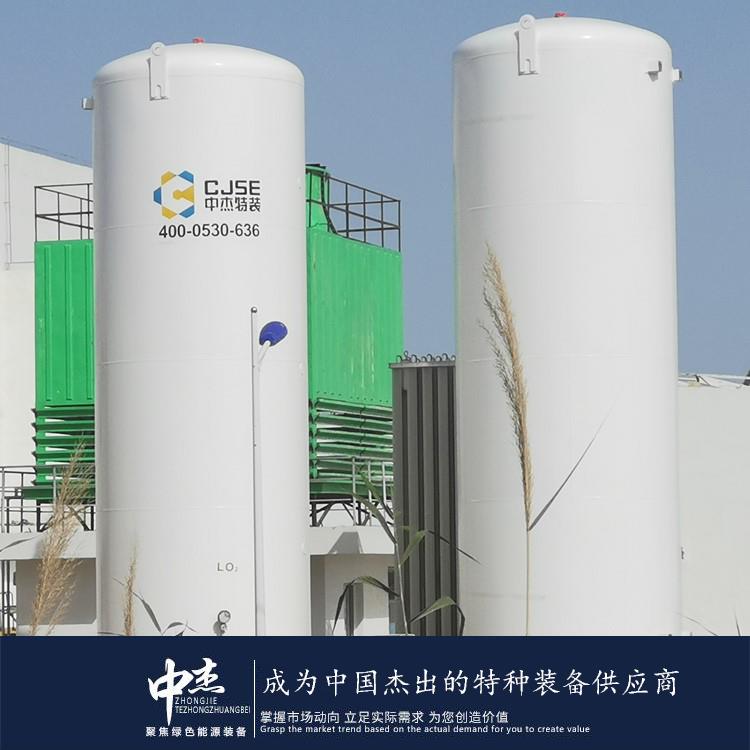
Routine inspections and maintenance of liquid oxygen storage tanks are crucial for ensuring their safe operation. The following are general steps for the daily inspection and maintenance of liquid oxygen storage tanks:
Appearance Inspection: Regularly inspect the tank's exterior, including the shell, welds, valves, and fittings. Pay attention to any abnormal conditions such as cracks, corrosion, or deformation.
Leak Detection: Utilize appropriate leak detection equipment to inspect for leaks in storage tanks and connecting areas. Leak detection can be conducted using methods such as gas detectors or liquid oxygen detection agents.
Pressure Testing: Conduct regular pressure tests to check the tank's sealing and pressure resistance. Perform pressure tests in accordance with relevant standards and regulations, and record the test results.
Valve and Fitting Inspection: Check if the tank's valves and fittings are operating properly, for any signs of loosening or damage. Ensure the valves open and close smoothly and reliably.
Insulation Layer Inspection: Check for any damage or detachment in the storage tank's insulation layer. Repair or replace any damaged insulation material to ensure effective insulation.
Cleaning and Drainage: Regularly clean the interior of the tank to remove accumulated impurities and dirt. Regularly drain to prevent contaminants and sediments in liquid oxygen from damaging the tank.
Safety Protection Equipment Inspection: Examine the safety protection facilities around the storage tank, such as fire separation areas, alarm systems, etc., to ensure they are functioning properly.
Record and Document Management: Record the results of each inspection and maintenance, including the inspection date, contents, identified issues, and measures taken. Establish comprehensive management records and documentation to facilitate tracking and managing the tank's operational status.
Note that inspections and maintenance of liquid oxygen tanks should be conducted by trained personnel and in accordance with relevant specifications and standards. Ensure safety during maintenance and operation, and consult experts for accurate guidance.
Several factors need to be considered when determining the design pressure and calculated pressure of a liquid oxygen storage tank:
Design Pressure: Design pressure refers to the maximum pressure a tank can withstand under normal operating conditions. When determining the design pressure, factors such as the working pressure range of liquid oxygen, the material strength of the tank, and safety factors must be considered. Generally, the design pressure should be slightly higher than the high working pressure of liquid oxygen to ensure the tank's safety and reliability within the normal operating range.
Calculation Pressure: The calculation pressure refers to the actual working pressure of the tank under the design pressure. It is calculated based on factors such as the properties of liquid oxygen, the geometric shape of the tank, and the material strength. The calculation pressure should take into account factors like the expansion coefficient of liquid oxygen, temperature changes, and pressure fluctuations to ensure the safety and stability of the tank under actual operating conditions.
Determining the design pressure and calculation pressure of liquid oxygen storage tanks typically requires adherence to relevant standards and specifications, such as Standard GB150 "Steel Pressure Vessels" and GB18442 "Technical Conditions for Storage Tanks of Liquid Oxygen, Liquid Nitrogen, and Liquid Argon." These standards and specifications provide detailed design and calculation methods to ensure the safety and reliability of the tanks.
In practical applications, the design pressure and calculated pressure of liquid oxygen storage tanks should be calculated and determined by pressure vessel designers. They will consider various factors such as specific engineering requirements, tank dimensions, and materials, to ensure the tank's design and use comply with relevant safety standards and regulations.
Shandong Zhongjie Special Equipment, welcome customers to our factory for business discussions.
Loudi 5 cubic meter nitrogen storage tank, manufacturer
