


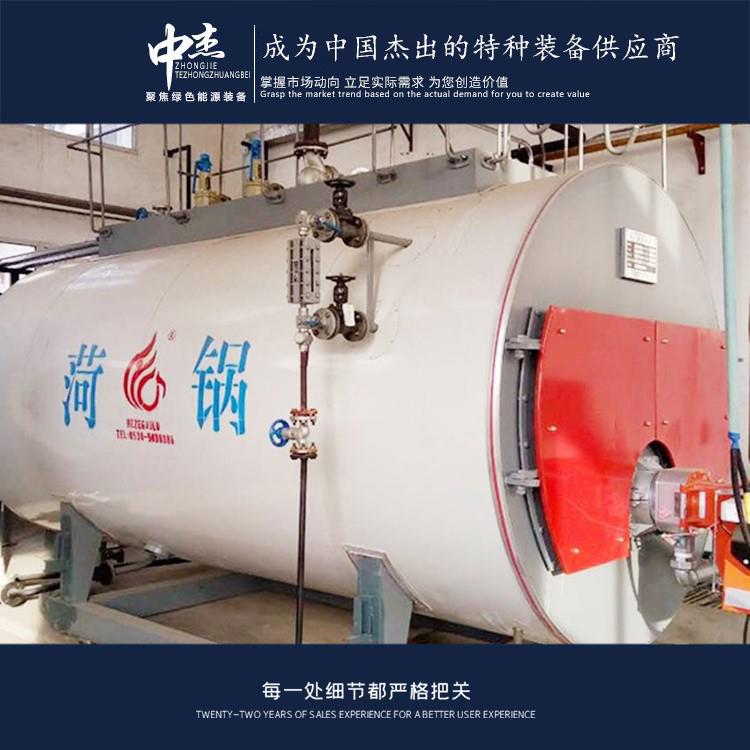
Shandong Zhongjie Special Equipment specializes in products such as fuel (gas) boilers, organic heat carrier boilers, biomass boilers, waste heat boilers, and other boiler products; vacuum insulation cryogenic pressure vessels like LNG, oxygen-nitrogenargon, and CO2 tanks; pressure vessel products including denitration engineering equipment, heat storage and energy storage equipment, and complete chemical equipment sets; central air conditioning and HVAC equipment such as ground (water) source heat pumps, air source units, water-cooled screw units, and air-cooled modular units. Planned products include large-scale energy centers, LNG transport vehicles, LNG tank containers, and other green energy equipment.
Energy-saving of steam boilers is crucial for the following main reasons: Energy Costs: Steam boilers typically use fuels (such as coal, gas, oil, etc.) to generate steam, with energy costs accounting for a significant portion of the boiler's operational expenses. Energy-saving measures can reduce energy consumption and lower costs. Environmental Protection: The combustion process of steam boilers produces exhaust gases and dust, polluting the environment. Energy-saving can decrease fuel consumption and reduce emissions, positively impacting environmental protection. Sustainable Development: Energy-saving is one of the key aspects of sustainable development. By reducing energy consumption and extending the boiler's lifespan, resources can be conserved and waste minimized, contributing to sustainable practices. Measures for energy-saving include: Improving Boiler Thermal Efficiency: Enhance the boiler's combustion system, optimize combustion parameters, and increase heat exchange efficiency to raise the boiler's thermal efficiency and minimize energy waste. Heat Recovery Utilization: Employ heat recovery systems to capture and utilize the excess heat from the flue gases emitted by the boiler, using it to heat water or other processes requiring heat, thus improving energy utilization efficiency. Application of Energy-saving Equipment: Use energy-saving equipment like variable frequency drives, energy-saving burners, and heat pumps to lower energy consumption and enhance energy efficiency.
The inspection of heat-conducting oil boiler tube plates is to ensure the safe operation of the boiler and to prevent potential issues. The following are general steps for inspecting heat-conducting oil boiler tube plates:
Visual Inspection: Conduct a visual inspection to check for any obvious corrosion, cracks, deformation, or other anomalies on the surface of the tube plates. Pay special attention to checking for cracks or leaks at welds and joints.
Cleaning the Tube Plates: Clean the surface of the tube plates thoroughly to remove dirt and deposits, facilitating a proper inspection.
Ultrasonic Testing: Use an ultrasonic testing device to inspect the tube plates to detect any possible cracks or other defects. Ultrasonic testing helps determine the integrity and reliability of the tube plates.
Pressure Testing: Conduct a pressure test to verify the sealing and pressure-bearing capabilities of the tube plates. Gradually increase pressure during the test, observe for any leakage, and ensure the tube plates can withstand the designed pressure.
Thickening Measurement: Use an ultrasonic thickness gauge to measure the thickness of the tube plates to ensure they meet design requirements. Pay particular attention to the corrosion of the tube plates to ensure they are within a safe range.
Weld Inspection: Inspect the welds of the tube plates to ensure the quality of the welds meets relevant standards and specifications. Check the integrity, quality of the weld, and whether the welding process meets requirements.
Documentation and Reporting: Document and report the inspection results of the tube plates, including identified issues, corrective measures, and recommendations. These records and reports can serve as references for subsequent maintenance and management.
It is important to note that the inspection of heat-conducting oil boiler tube plates should be performed by qualified personnel and carried out strictly in accordance with relevant standards and specifications. In case of any problems or anomalies, appropriate repair and maintenance measures should be taken promptly to ensure the safe operation of the boiler.
Choose a trusted gas boiler supplier; it's crucial. Consider the following factors:
- Reputation: Understand the reputation and market reputation of the gas boiler supplier. Obtain relevant information by reviewing customer reviews, industry reports, and certifications from institutions.
- Quality and Performance: The quality and performance of the gas boiler directly affect its reliability and efficiency. Learn about the supplier's quality control system, product certifications, and technical support capabilities to ensure their products meet standards and meet factory requirements.
- Technical Support and After-Sales Service: It's vital to choose a supplier that offers comprehensive technical support and after-sales service. Ensure the supplier can provide training, installation guidance, maintenance, and troubleshooting support to ensure the normal operation of the gas boiler.
- Cost-Effectiveness: In addition to product quality and performance, consider the cost-effectiveness of the gas boiler. Consider the purchase cost, operating cost, and maintenance cost, and choose a supplier that offers reasonable pricing and value for money.
Ultimately, selecting a trusted gas boiler supplier requires considering these factors and making a decision based on the specific needs and conditions of the factory. It is recommended to communicate and compare with multiple suppliers to gather more information and advice for an informed choice.
Excessive exhaust gas temperature in thermal oil boilers may be due to several reasons:
- Incomplete combustion: If the fuel in a thermal oil boiler is not burned completely during the combustion process, it results in a large amount of unburned fuel and harmful substances in the flue gas, raising the exhaust gas temperature. Possible causes include insufficient fuel supply, improper adjustment of the burner, and burner wear.
- Excess air: Excessive air can lower the combustion temperature, making the heat in the flue gas insufficient to reduce the flue gas temperature to a reasonable level. Possible reasons for excess air include improper burner adjustment and excessively open air gates.
- Duct blockage: Accumulated ash, coking, or other impurities in the flue can obstruct flue gas flow, increasing the residence time of the flue gas, and thus raising the exhaust gas temperature.
- Abnormal thermal oil flow: Abnormal thermal oil flow, whether too high or too low, can lead to uneven heat transfer, raising the flue gas temperature.
- Overheating: Improper temperature control in a thermal oil boiler can cause overheating, increasing the flue gas temperature.
- Design issues: Design problems such as excessively small flues or poor flue gas flow can also lead to excessively high exhaust gas temperatures.
To address the issue of excessive exhaust gas temperature, a comprehensive inspection and analysis of the thermal oil boiler is necessary. Solutions can include adjusting burner parameters, cleaning the flue, checking thermal oil flow and temperature control. For severe issues, boiler system modifications or repairs may be required. Regular maintenance and inspections are also crucial preventive measures against excessive exhaust gas temperature.
ZJ Special Equipment adheres to the great vision of "realizing employee dreams, creating customer value, and striving for the prosperity and strength of our motherland," focusing solely on the development of green energy equipment industry, dedicating high-value products and services to society!
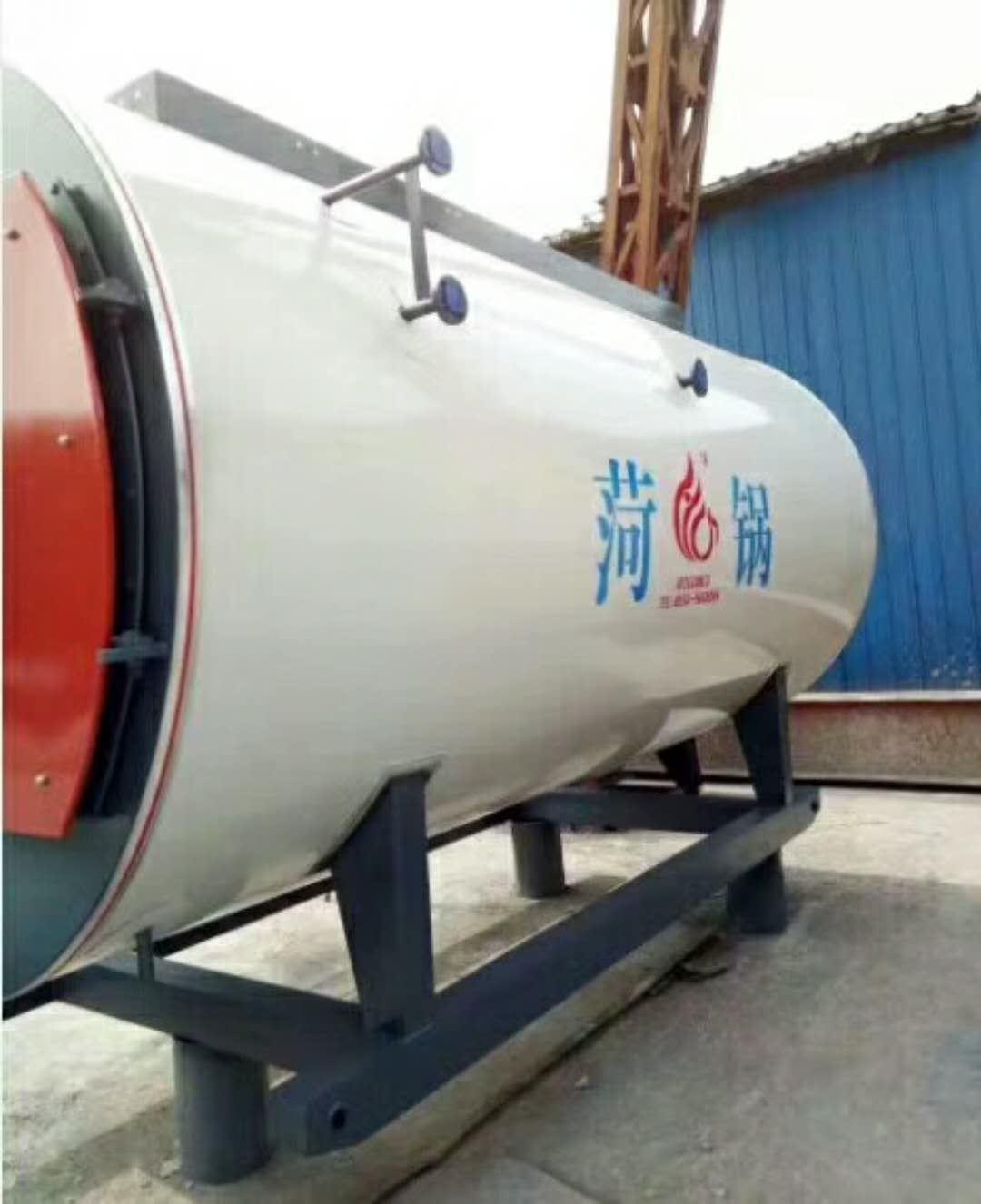
Guangxi 15-ton gas boiler, high cost-performance ratio
