



Shandong Zhongjie Special Equipment (formerly Heze Boiler Factory Co., Ltd.) was established in 2001, located at No. 2218 Jinnan Road, Development Zone, Heze City. With a registered capital of 50 million yuan and total assets of 500 million yuan, the company has 7 business centers: boiler, deep-freeze containers, pressure vessels, central air conditioning, engineering installation, international trade, and Internet of Things. It has three manufacturing sites on Jinnan Road, East Yangtze Road, and Bohai Road, covering a total of 200,000 square meters. The main workshop spans 83,000 square meters. It currently employs 710 staff, including 247 engineering and technical personnel and 82 intermediate-level technicians. In December 2016, it was recognized as a "High-Tech Enterprise" by the Science and Technology Department. In June 2021, it was identified as a "Specialized and New Enterprise in Shandong Province" by the Ministry of Industry and Information Technology. In June 2022, it was recognized as a "Gazelle Enterprise in Shandong Province" and in August 2022, it was identified as a "Specialized and New Small Giant Enterprise" by the Ministry of Industry and Information Technology.
Steam boiler equipment water treatment refers to the process of treating water in steam boilers to ensure normal operation and extend the lifespan of the equipment. Here are the basic knowledge points about steam boiler equipment water treatment:
Water quality requirements: The water quality in steam boilers is of high requirement, typically necessitating the removal of impurities, dissolved oxygen, and hard substances. Impurities and hard substances can lead to scaling and corrosion on the boiler's inner walls, while dissolved oxygen can cause corrosion and the formation of bubbles.
Removal of impurities: Common methods for removing water impurities include sedimentation, filtration, and ion exchange. Sedimentation involves adding chemicals to make impurities settle, filtration removes impurities through filtering media, and ion exchange uses resin to adsorb and exchange ions to remove impurities from the water.
Adjusting hardness: The hardness substances in water are mainly calcium and magnesium salts, which can cause scaling on the boiler's inner walls. Hardness can be adjusted by adding chemicals or using water softening equipment to prevent scaling issues.
Removing dissolved oxygen: Dissolved oxygen can cause corrosion and the formation of bubbles. It can be removed by adding oxidizing agents or using deoxygenation equipment.
Controlling pH levels: The pH level of water in steam boilers affects equipment corrosion and scaling. It is usually necessary to control the water pH within an appropriate range, using buffers or regulators to adjust the pH.
Regular testing and maintenance: Regular water quality testing of the steam boiler equipment should be conducted, including measuring hardness, dissolved oxygen, and pH levels, and implementing corresponding water treatment measures and maintenance based on the test results.
Steam boiler equipment water treatment is a crucial aspect for ensuring normal boiler operation and extending equipment lifespan. Proper water treatment measures can effectively prevent scaling, corrosion, and malfunctions on the boiler's inner walls.
To optimize and improve the planning of gas boiler systems, consider the following aspects:
1. Energy Audit and Assessment: Conduct a comprehensive energy audit and assessment to understand the energy consumption of the gas boiler system and identify potential energy-saving opportunities. Through data analysis and energy measurement, determine the main sources of energy consumption and bottlenecks to provide a basis for subsequent optimization.
2. Combustion System Optimization: Optimize the combustion system of the gas boiler, including adjustments and cleaning of burners, control of the gas-to-air ratio, and maintenance of the combustion chamber. Ensure high combustion efficiency and gas utilization, reducing energy waste.
3. Heat Recovery: Consider installing heat recovery devices such as waste heat recovery systems or flue gas heat exchangers. These devices can utilize the excess heat from the flue gases emitted by the gas boiler to heat water or other equipment requiring heat, improving energy efficiency.
4. Pipe Insulation and Leak Inspection: Ensure that the insulation of gas and hot water pipes is effective to reduce energy loss. Regularly check for leaks in the pipes and make timely repairs to avoid energy waste and safety hazards.
5. Control System Upgrade: Consider upgrading the control system of the gas boiler with automated control technology. Through precise control and adjustment, achieve optimized operation of the gas boiler.
Safety requirements for steam boiler valves mainly include the following aspects: Valve Selection: Choose the appropriate type and specification of valves for steam boilers. Valves must comply with relevant standards and specifications, and possess characteristics such as high-temperature resistance, pressure resistance, and corrosion resistance. Valve Installation: Valves should be installed correctly at the corresponding positions on the steam boiler. During installation, ensure that the connections are secure and the seals are reliable to prevent leaks and loosening. Valve Operation: The operation of valves should be convenient, flexible, and capable of accurately controlling steam flow and pressure. The operating handle or device should indicate the opening and closing directions of the valve, as well as the corresponding operation methods. Valve Sealing: The sealing performance of valves is crucial. Valves should have good sealing properties to prevent steam leakage and energy loss. The sealing surfaces should be flat, smooth, and able to withstand high temperatures and wear. Valve Maintenance: Regularly inspect and maintain valves to ensure their normal operation and safety performance. This includes cleaning valves, checking sealing surfaces, lubricating moving parts, and promptly repairing or replacing damaged components. Safety Valve: A safety valve must be installed on the steam boiler to protect its safe operation. The safety valve must comply with relevant standards and specifications and should automatically open to release overpressure steam when exceeding the set pressure, preventing boiler explosion. Valve Identification: Valves should be marked with their type, specification, working pressure, and flow rate information. This helps operators correctly identify and operate valves, avoiding incorrect operations and accidents. It should be noted that the above safety requirements are general guidelines, and specific safety requirements must be determined based on the type, scale, and operating environment of the steam boiler. When using valves, follow relevant laws, regulations, and safety operation procedures to ensure the safe operation and effective control of valves.
Before starting the heating gas hot water boiler, the following proper procedures must be followed:
- Check the gas supply system: Ensure the gas supply system is operating correctly, inspect gas pipes, valves, and pressure regulators, and confirm there are no leaks or blockages in the gas supply.
- Check the water system: Inspect the water circulation system of the heating system, including pumps, valves, and pipes, to ensure the waterway is clear of leaks and blockages.
- Check the electrical system: Inspect the boiler's electrical system, including power connections, controllers, and sensors, to ensure the electrical equipment is functioning properly.
- Check the safety devices: Inspect the boiler's safety devices, including safety valves, pressure switches, and water level controllers, to ensure they are working correctly and ensure the safe operation of the boiler.
- Prepare for ignition: According to the boiler's operating instructions, prepare the tools and equipment needed for ignition, including an igniter and ignition electrode.
- Open the gas valve: Gradually open the gas valve to ensure a steady gas supply and avoid gas surges.
- Ignite and start: Follow the boiler's operating instructions for ignition and start-up. Perform the appropriate actions based on the model and control system of the boiler to ensure smooth ignition.
- Monitor operation status: After startup, closely monitor the boiler's operating status, including combustion, water level, and pressure, to ensure normal operation without any anomalies.
- Adjust parameters: Adjust the boiler's parameters, including temperature, pressure, and water level, as needed to meet the requirements of the heating system.
- Regular maintenance: After startup, perform regular maintenance, including cleaning the burner, checking water level and pressure, and replacing worn parts, to ensure normal operation and safety of the boiler.
- It is recommended to refer to the boiler's operation manual and manufacturer's guidelines before starting the heating gas hot water boiler to ensure correct and safe operation. If necessary, seek assistance from personnel for operation and maintenance.
Shandong Zhongjie Special Equipment, welcome customers to visit our factory for business negotiations.
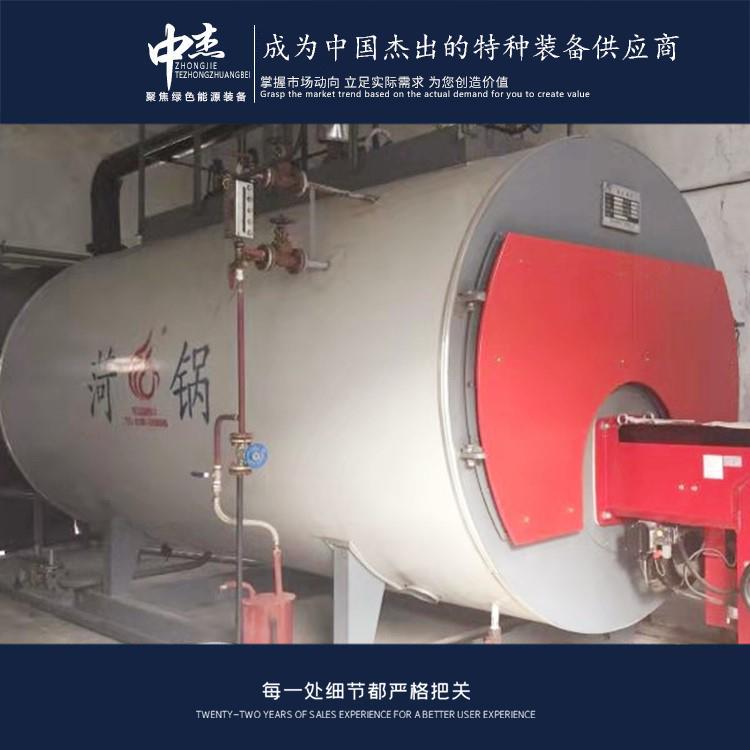
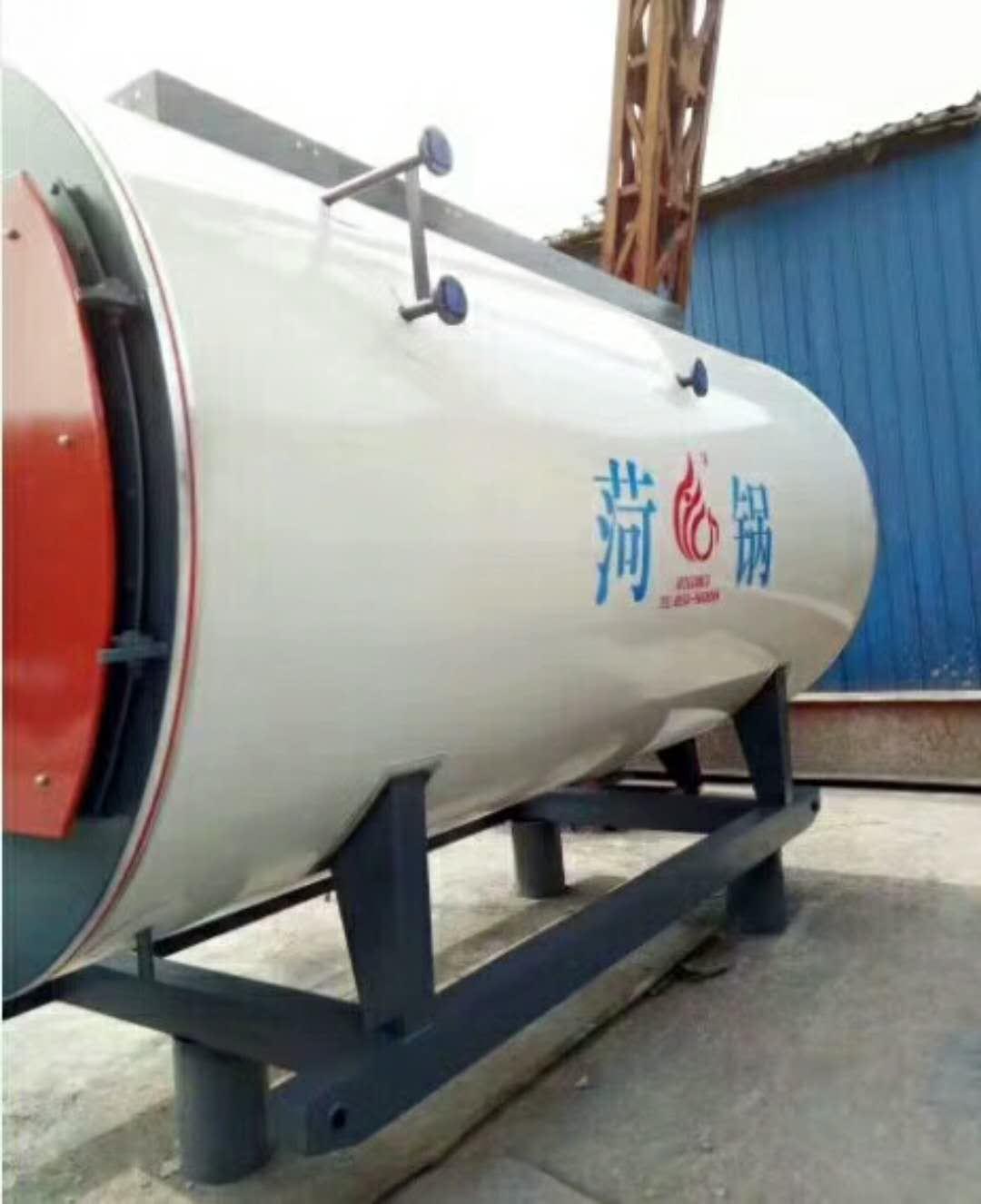
Yushu 15-ton gas boiler, stable performance
