


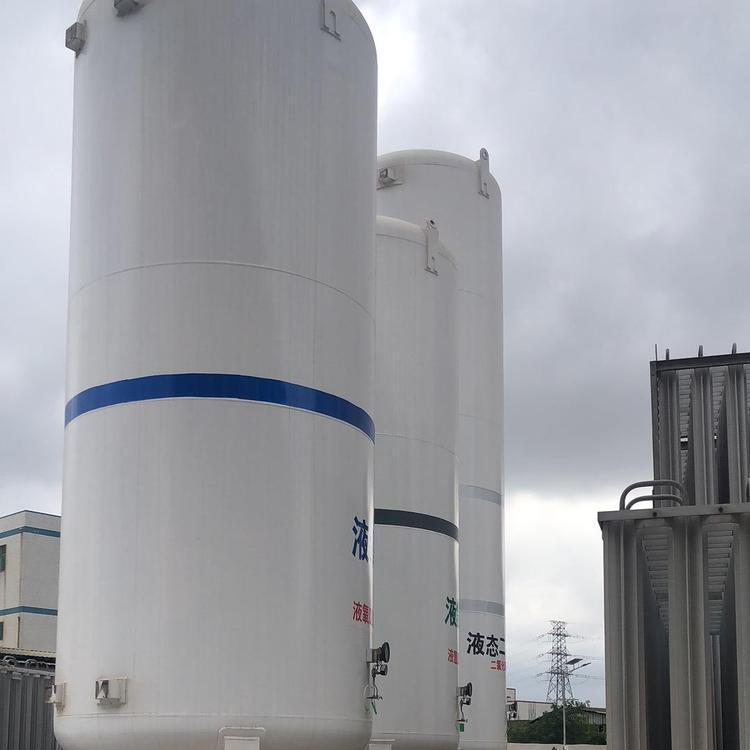
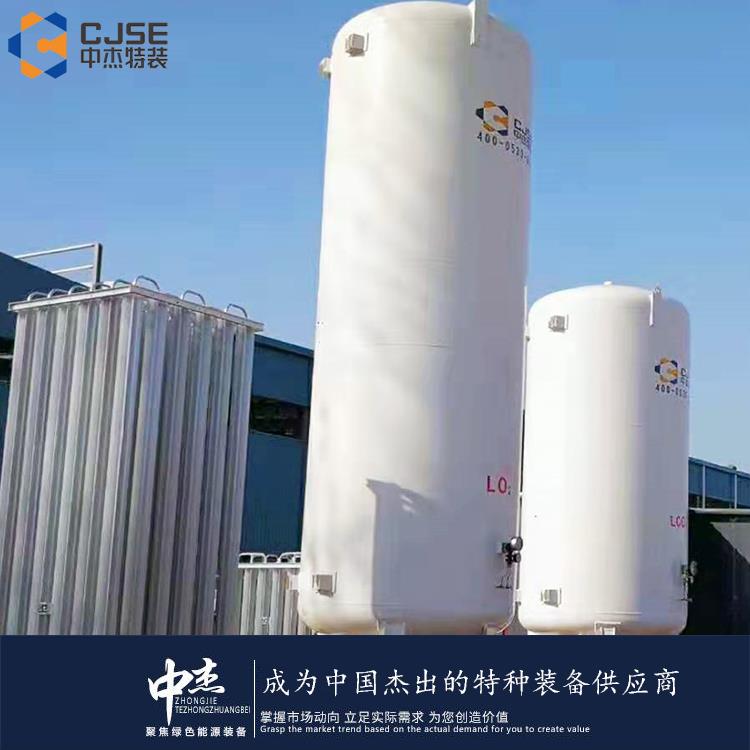
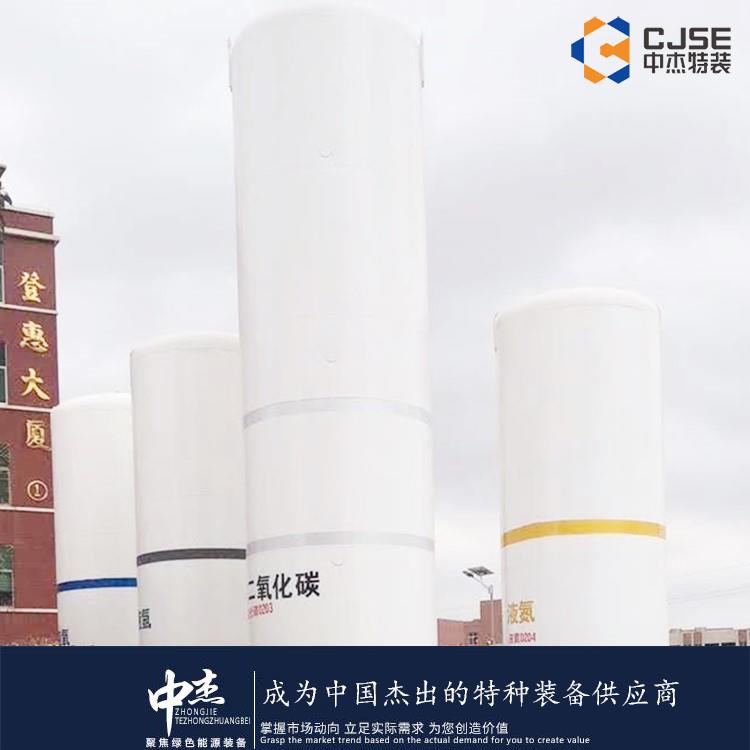
Shandong Zhongjie Special Equipment (formerly Heze Boiler Factory Co., Ltd.) holds an A-grade boiler manufacturing license, A2-grade pressure vessel manufacturing license, A2-grade pressure vessel design license, B-grade boiler installation, and GB2/Class, GC2/Class pressure pipeline installation licenses, as well as mechanical and electrical equipment installation contracting qualifications. It is a member of the China Boiler and Water Treatment Association, the China Chemical Equipment Association, and the director unit of the Shandong Equipment Manufacturing Association. The company has also passed the ISO9001 Quality Management System, ISO14001 Environmental Management System, OHSAS18001 Occupational Health and Safety Management System certifications, and the American ASME/U2 certification.
Carbon dioxide storage tanks are equipment used for storing and transporting carbon dioxide gas, operating on the principles of pressure vessels and the physical properties of carbon dioxide. Pressure Vessel Principle: A carbon dioxide storage tank is a pressure vessel capable of withstanding the pressure of the internal gas. It is typically made of high-strength materials like steel. The tank's design and structure can withstand high pressures, ensuring safe storage and transportation of the gas. Compressed Gas Storage: Carbon dioxide is a gas at room temperature but can be compressed into a liquid under high pressure. Storage tanks use high pressure to compress the gas into a liquid, achieving higher storage density. Liquid carbon dioxide occupies less volume, allowing for more gas storage. Level Control: The tank is equipped with a level control system to monitor and control the level of liquid carbon dioxide. This system usually includes level sensors and control valves, ensuring the tank's level remains within a safe range. Pressure Control: The tank also features a pressure control system to monitor and control the internal gas pressure. This system typically includes pressure sensors and safety valves, ensuring the pressure within the tank stays within a safe range, preventing damage or safety risks from excessive or low pressure. Through these principles, carbon dioxide storage tanks can safely store and transport carbon dioxide gas to meet the needs of various fields, such as food processing, beverage manufacturing, and fire suppression. When using carbon dioxide storage tanks, it is essential to follow relevant safety operation procedures and guidelines to ensure safe operation and usage.
When using carbon dioxide storage tanks, be mindful of the following aspects:
- Safe Operation: Adhere to relevant safety operation procedures and standards, ensuring operators possess necessary safety knowledge and skills. When using the tank, be vigilant about preventing leaks, explosions, and fires.
- Pressure Control: Monitor and control the tank's pressure to ensure it remains within safe limits. Avoid exceeding the tank's rated pressure to prevent rupture or leakage.
- Level Monitoring: Regularly monitor the liquid level within the tank to ensure an adequate supply of carbon dioxide. Avoid overfilling or underfilling to maintain proper levels.
- Static Electricity Measures: Implement static electricity prevention measures to avoid static buildup and discharge. Use static-dissipative equipment and tools to ensure static safety during operations.
- Tank Maintenance: Conduct regular inspections and maintenance of the tank, including its exterior, valves, and connections. Ensure the tank remains intact to prevent leaks and damage.
- Emissions Handling: Treat the exhaust produced by the carbon dioxide storage tank to avoid environmental pollution. Take appropriate emissions handling measures, such as collecting and treating the exhaust.
- Storage Records: Document the tank's usage, including filling dates, quantities, and inspection records. Regularly inspect and maintain the tank, and retain relevant records.
- Training and Awareness: Train operators to enhance their awareness and ability in safely operating carbon dioxide storage tanks. Conduct regular safety training and drills to prepare for emergencies.
- Note: The above are common precautions; specific considerations may vary depending on tank type and application. When using carbon dioxide storage tanks, operate according to relevant specifications and standards, and consult with experts to ensure safety and effectiveness.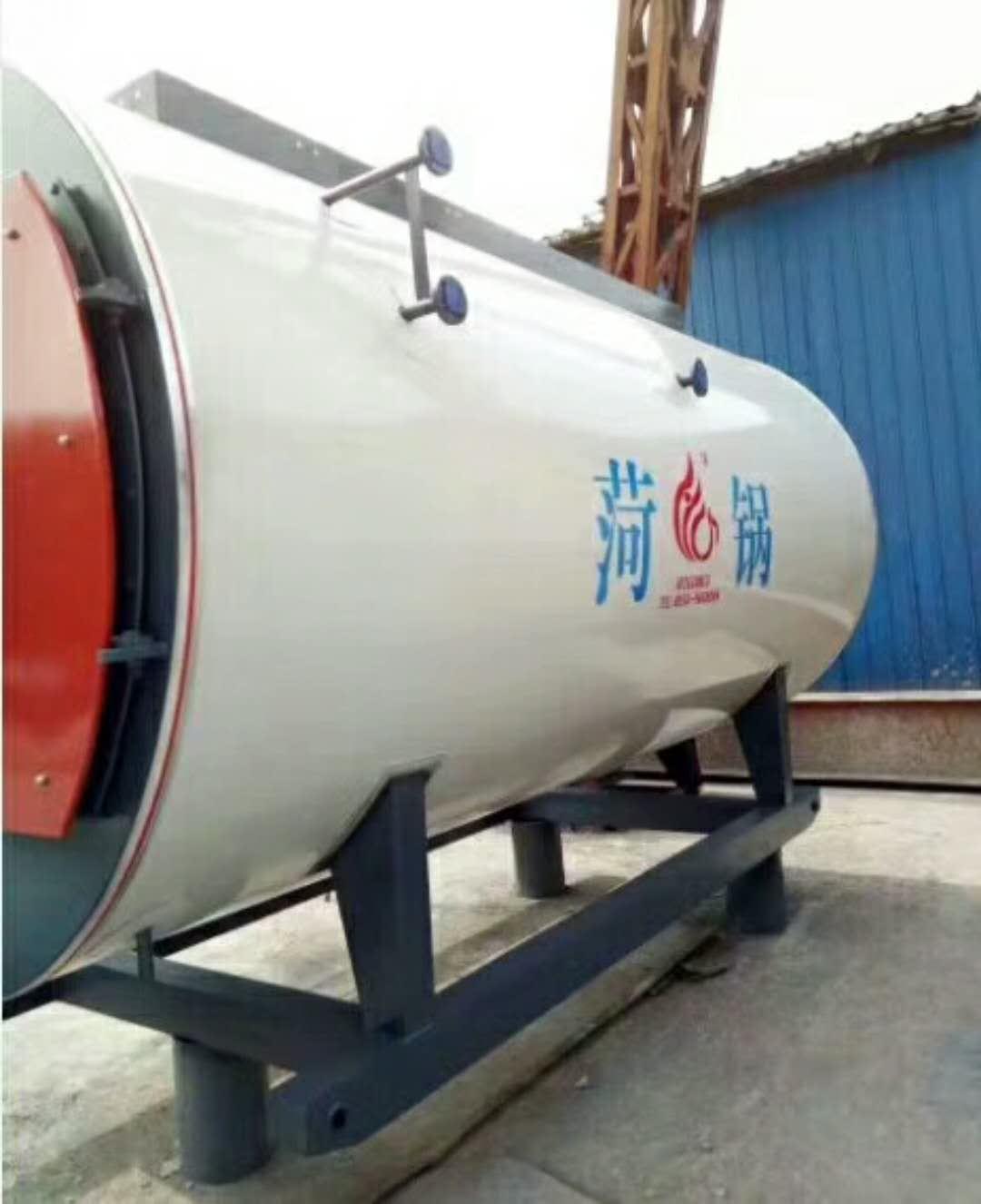
Carbon dioxide tanks are devices used for storing carbon dioxide gas. They are typically made from high-strength materials with sealing capabilities to prevent the leakage of stored CO2. The design and capacity of the tanks can be adjusted as needed to accommodate various applications. Carbon dioxide tanks are widely used across various industries, including industrial production, food processing, and more. In the industrial sector, these tanks are commonly used for storing and supplying CO2 gas for welding, gas shielding, and fire extinguishing processes. In the food processing industry, they can be used to produce carbonated beverages and frozen foods. In the medical field, carbon dioxide tanks can be utilized to manufacture medical gases, such as breathing gases and anesthetic gases. The development and manufacturing of carbon dioxide tanks involve multiple manufacturers and technologies. Different companies may employ various design and manufacturing processes to meet the diverse needs of users. Additionally, relevant safety standards and regulations must be adhered to ensure the safe operation and use of the tanks.
Before using a CO2 storage tank, certain inspection and filling points must be addressed. Here are some common precautions:
- Inspect the tank exterior: Check for any signs of visible damage, corrosion, or leaks. Ensure the tank shell is intact.
- Check valves and fittings: Verify that the tank's valves and fittings are securely fastened and leak-free. Ensure proper operation.
- Inspect the pressure gauge: Ensure the pressure gauge is functioning correctly and readings are accurate. Replace or repair if abnormal.
- Check the level indicator: Confirm the level indicator is working properly and accurately displays the level. Repair or replace if faulty.
- Inspect the pressure relief device: Check the tank's pressure relief device (e.g., safety valve) for proper operation and set pressure compliance. Repair or replace if abnormal.
- Inspect the filling equipment: Ensure the filling equipment (e.g., filling pipes, pumps) operates correctly with no leaks or blockages. Ensure safety and reliability.
- Filling operation: During the filling process, note the following:
- Control the filling rate, avoiding too fast or too slow.
- Control the filling pressure, not exceeding the tank's rated pressure.
- Monitor the level, ensuring proper filling.
- Regularly inspect filling equipment and valves to ensure normal operation.
- Safety measures: Adhere to relevant safety regulations and procedures during filling. Operators should wear appropriate protective gear, such as static-resistant clothing, gloves, etc.
- Note that specific inspection and filling points may vary depending on tank type and application. Before using a CO2 storage tank, check and operate according to relevant specifications and standards, and consult with experts to ensure safety and effectiveness.
ZJ Special Equipment upholds the grand vision of "realizing employees' dreams, creating value for customers, and striving for the prosperity and strength of our motherland," and is dedicated to the development of the green energy equipment industry. We commit to society with high-quality products and services at competitive prices!
Yichun 20-cubic CO2 storage tank, on-site installation
