


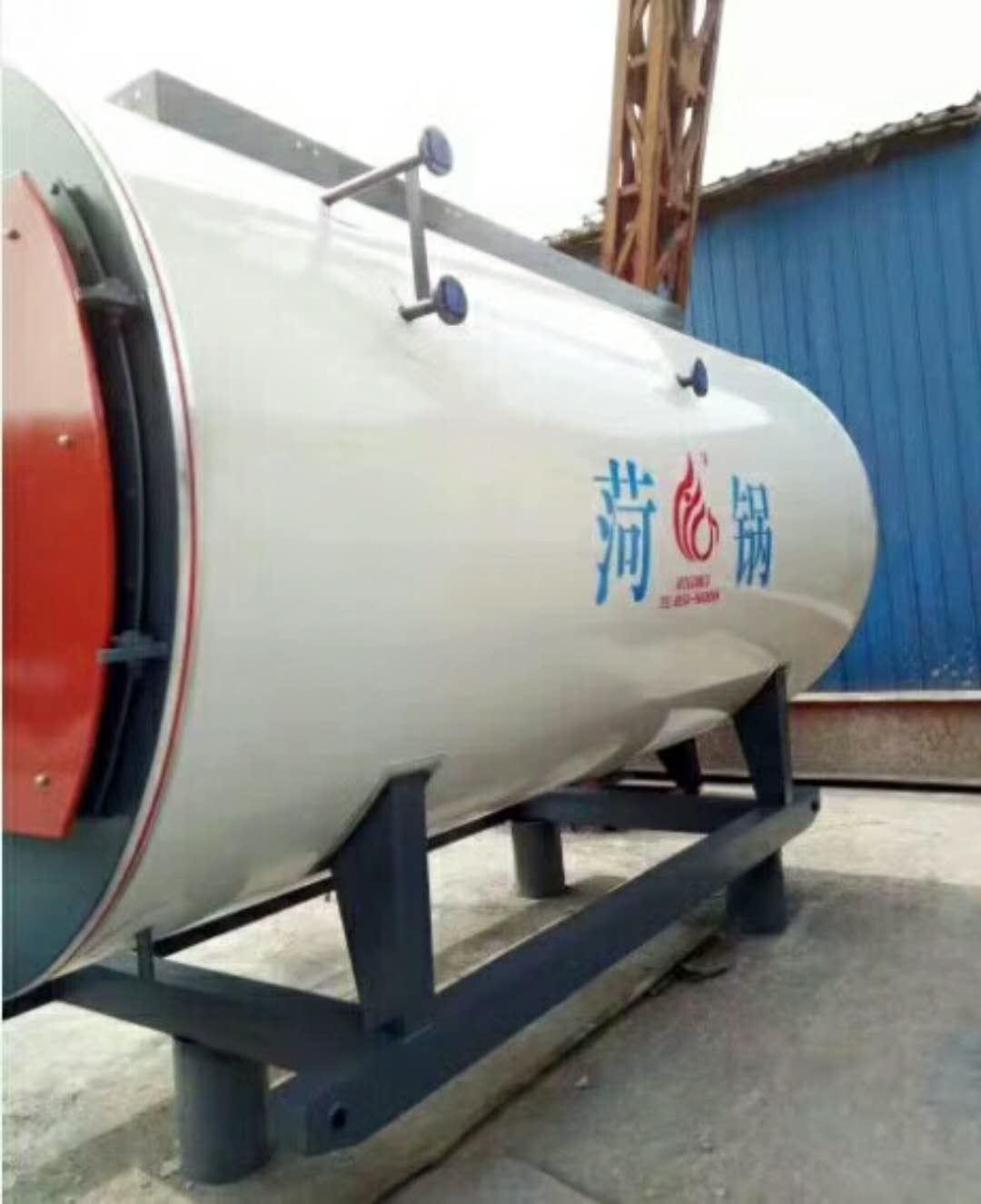
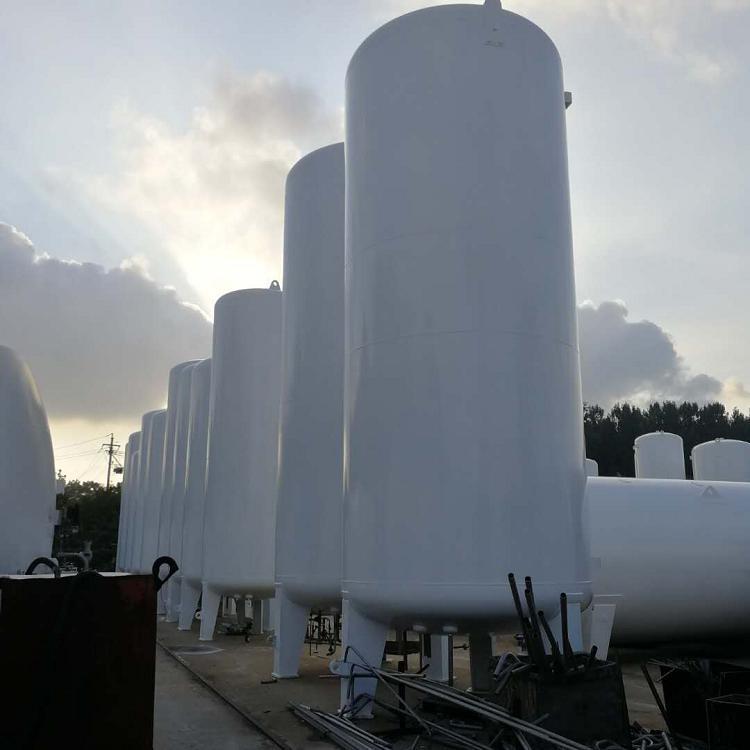

Shandong Zhongjie Special Equipment (formerly Heze Boiler Factory Co., Ltd.) was established in 2001, located at No. 2218 Jinnan Road, Economic and Technological Development Zone, Heze City. With a registered capital of 50 million yuan and total assets of 500 million yuan, the company has 7 business centers: boilers, deep-freezing containers, pressure vessels, central air conditioning, engineering installation, international trade, and Internet of Things. It has three factory sites on Jinnan Road, East Changjiang Road, and Bohai Road, covering a total area of 200,000 square meters, with the main workshop spanning 83,000 square meters. It currently employs 710 people, including 247 engineers and technicians and 82 intermediate-level technical personnel. In December 2016, it was recognized as a "High-tech Enterprise" by the Science and Technology Department. In June 2021, it was identified as a "Specialized and New Enterprise in Shandong Province" by the Ministry of Industry and Information Technology. In June 2022, it was recognized as a "Gazelle Enterprise in Shandong Province" and in August 2022, it was identified as a "Specialized and New Small Giant Enterprise" by the Ministry of Industry and Information Technology.
The reason for regular inspections of low-temperature liquid carbon dioxide storage tanks is to ensure their safety and proper operation. Due to the tanks being in a low-temperature and high-pressure environment, there are certain safety risks, such as leaks or structural failures. Regular inspections can help identify potential issues early on, allowing for appropriate repairs or maintenance to ensure safe tank operation. The specific inspection frequency should be determined according to relevant regulations and standards, with a general recommendation for regular inspections and maintenance. Typically, the intervals for regular inspections of low-temperature liquid carbon dioxide storage tanks range from 1 to 3 years, with the exact interval potentially varying based on usage, age, design standards, and other factors. The content of the regular inspections usually includes visual checks of the tank, inspections of valves and fittings, leak detection, pressure testing, and regular maintenance of the insulation to ensure thermal properties. It is important to note that the specific inspection frequency and content should be determined based on local regulations, standards, and the manufacturer's recommendations. Inspections should be conducted by qualified personnel, and results and maintenance records should be documented for tracking and managing the tank's safety performance.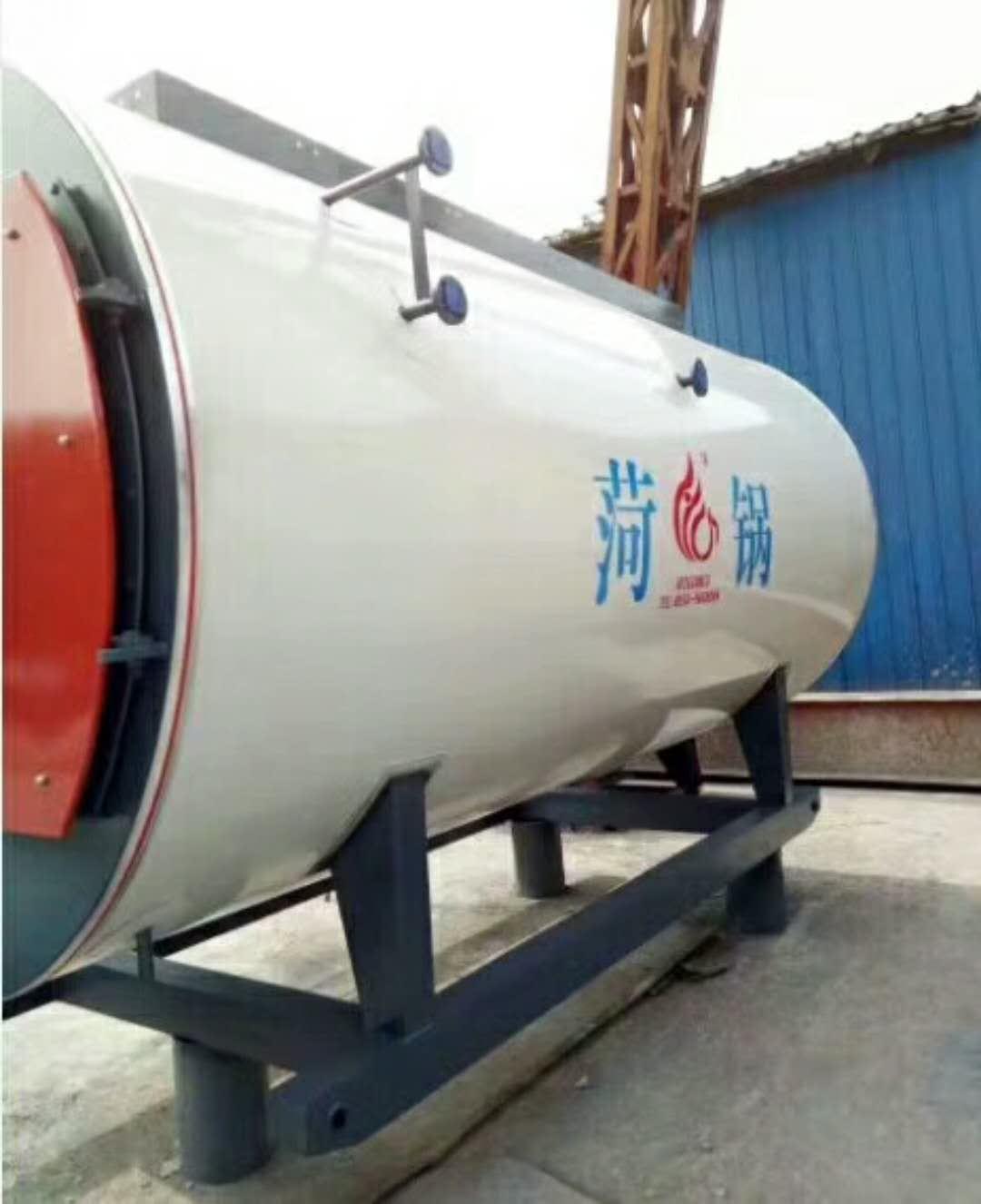
The reasons for not allowing a carbon dioxide cylinder to be left empty for long periods are mainly as follows:
1. Safety Risks: Carbon dioxide is a high-pressure gas and remains in liquid form only when maintained at a certain pressure inside the cylinder. Releasing carbon dioxide from the cylinder into the atmosphere for a long time can lead to a drop in pressure within the cylinder, potentially causing structural failure or explosions, and posing safety hazards.
2. Resource Waste: Carbon dioxide is a valuable resource with wide applications in industries and other fields. Keeping a carbon dioxide cylinder empty for a long time results in waste of resources and does not comply with the principles of sustainable development.
3. Environmental Impact: Carbon dioxide is a greenhouse gas, and leaving it empty for long periods increases its concentration in the atmosphere, exacerbating climate change and environmental issues.
Therefore, to ensure safety, conserve resources, and protect the environment, carbon dioxide cylinders should be used and managed in accordance with prescribed procedures and requirements, avoiding long-term emptiness. When carbon dioxide is no longer needed within the cylinder, appropriate disposal methods such as recycling, reuse, or safe emissions should be employed.
Dry ice is a frozen agent formed by directly converting carbon dioxide gas into a solid under high pressure. It has several applications including:
- Refrigeration of food and pharmaceuticals: Dry ice is widely used for the transportation and storage of food and pharmaceuticals. Its low temperature and rapid cooling speed effectively maintain the freshness and quality of the products.
- Special effects and stage performances: Dry ice is extensively utilized in special effects and stage performances. When it comes into contact with environmental heat, it quickly turns into gas, producing a significant amount of white smoke, creating a mysterious and dramatic atmosphere.
- Cleaning and disinfection: Dry ice can also be used for cleaning and disinfection. Upon contact with surfaces, the low temperature and physical impact of the sublimation process effectively remove dirt, bacteria, and viruses without leaving residues.
- Laboratories and scientific research: Dry ice also finds applications in laboratories and scientific research. It can be used to freeze samples, create low-temperature experimental environments, and produce cold traps and condensers, among others.
It is important to note that safety should be a priority when using dry ice, avoiding direct contact with skin and eyes, and not using it in confined spaces to prevent the accumulation of carbon dioxide and oxygen deprivation.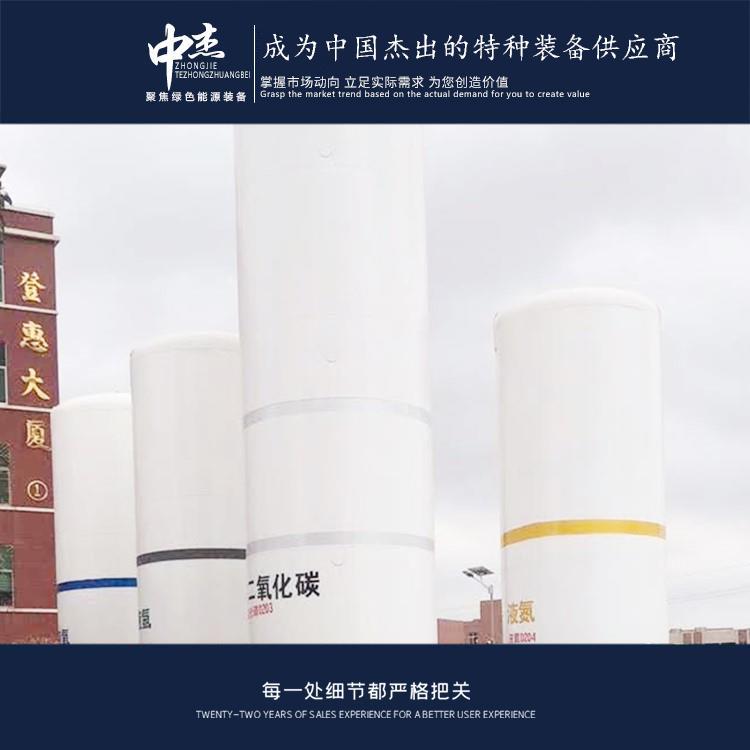
Before using a CO2 storage tank, certain inspection and filling points must be addressed. Here are some common precautions:
- Inspect the tank exterior: Check for any visible damage, corrosion, or leakage signs. Ensure the tank shell is undamaged.
- Check valves and fittings: Verify that the tank's valves and fittings are securely fastened and there are no leaks. Ensure proper operation.
- Inspect the pressure gauge: Confirm that the tank's pressure gauge is functioning correctly and readings are accurate. Replace or repair if abnormal.
- Check the level indicator: Ensure the tank's level indicator is working properly and accurately displays the level. Repair or replace if abnormal.
- Inspect the pressure relief device: Verify that the tank's pressure relief device (e.g., safety valve) is functioning correctly and the set pressure meets requirements. Repair or replace if abnormal.
- Inspect the filling equipment: Check that the filling equipment (e.g., filling pipes, pumps) is operating correctly with no leaks or blockages. Ensure safety and reliability.
- Filling operations: During the filling process, note the following:
- Control the filling rate, avoiding too fast or too slow.
- Control the filling pressure, not exceeding the tank's rated pressure.
- Monitor the level, ensuring proper filling to the appropriate level.
- Regularly inspect filling equipment and valves to ensure normal operation.
- Safety measures: Adhere to relevant safety regulations and procedures during filling. Operators should wear appropriate protective gear, such as static-dissipative clothing, gloves, etc.
- Note that specific inspection and filling points may vary depending on tank type and application. Before using a CO2 storage tank, inspect and operate according to relevant specifications and standards, and consult with experts to ensure safety and effectiveness.
Shandong Zhongjie Special Equipment, welcome customers to our factory for business discussions.
Xuzhou 50 Cubic CO2 Storage Tank - Trustworthy
