


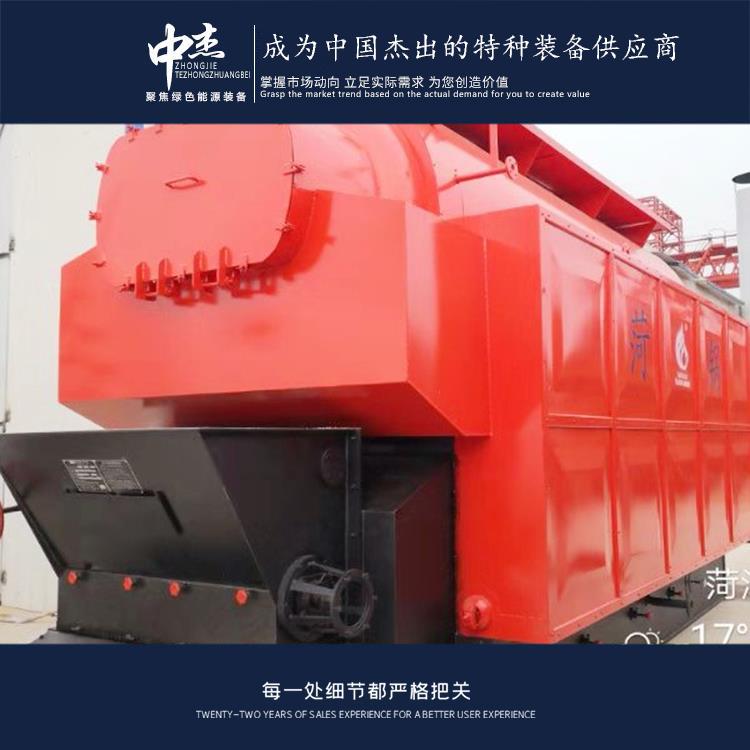
Shandong Zhongjie Special Equipment (formerly Heze Boiler Factory Co., Ltd.) was established in 2001, located at No. 2218 Jinnan Road, Development Zone, Heze City, with a registered capital of 50 million yuan and total assets of 500 million yuan. The company has 7 business centers: boilers, deep-freeze containers, pressure vessels, central air conditioning, engineering installation, international trade, and Internet of Things. It has three factory areas on Jinnan Road, East Changjiang Road, and Bohai Road, covering a total of 200,000 square meters. The main workshop is 83,000 square meters. It currently employs 710 people, including 247 engineering and technical personnel and 82 intermediate-level technicians. In December 2016, it was recognized as a "High-tech Enterprise" by the Science and Technology Department. In June 2021, it was identified as a "Specialized and New Enterprise in Shandong Province" by the Ministry of Industry and Information Technology. In June 2022, it was recognized as a "Gazelle Enterprise in Shandong Province" by the Ministry of Industry and Information Technology. In August 2022, it was identified as a "Specialized and New Small Giant Enterprise" by the Ministry of Industry and Information Technology.
In the technical aspect of biomass boilers, the following three issues need to be addressed with emphasis:
Improved Combustion Efficiency: Biomass fuel has characteristics different from traditional fossil fuels, which tend to produce particulates like straw and wood shavings during combustion, leading to lower efficiency. Therefore, research and development of improved combustion systems, optimizing the combustion process, enhancing efficiency, and reducing energy waste are necessary.
High-Temperature Corrosion Issue: Ash and elements like chlorine in biomass fuels can easily cause corrosion at high temperatures, damaging the metal components of boilers. To address high-temperature corrosion, it is necessary to develop and apply corrosion-resistant materials, control combustion conditions, and reduce the occurrence of corrosion.
Ash and slag management and utilization: Biomass fuel combustion generates a large amount of ash and slag, including waste, ash content, and unburnt materials. The handling and disposal of ash and slag is a critical issue, requiring the development and application of ash and slag management technologies, including recycling, resource utilization, and chemical treatment.
By addressing these three issues, the combustion efficiency of biomass boilers can be further enhanced, corrosion risks reduced, and the effective handling and utilization of ash and slag achieved, promoting the sustainable development of biomass energy.
Consider the following aspects when looking to purchase a high-value hot water boiler:
Market Research: Before purchasing, conduct market research to familiarize yourself with different types and models of hot water boilers. Compare the differences in performance, quality, and price. Information can be gathered through the internet, consulting experts, or referencing customer reviews.
Choose Reliable: Opt for a reputable hot water boiler, which typically boasts high-quality products and after-sales service guarantees. You can gauge their reputation by reviewing relevant materials, consulting experts, or referring to customer reviews.
Pay attention to product quality: When purchasing a hot water boiler, focus on the quality of the product. Check the certifications and compliance with standards, and learn about the manufacturing process and material selection. Additionally, refer to customer reviews to understand the actual usage of the product.
Performance and Requirement Matching: Select a suitable hot water boiler model and specification based on your specific hot water needs and usage scenarios. Consider performance indicators such as the boiler's thermal efficiency, heating speed, and capacity to ensure they meet your actual requirements.
Price Comparison: When selecting a hot water boiler, it's essential to compare prices, taking into account factors like product performance, quality, and cost. Consult with multiple suppliers for quotes, compare and negotiate to secure a more reasonable price.
After-sales Service: When purchasing a hot water boiler, pay attention to the quality and guarantees of the after-sales service. Familiarize yourself with the supplier's after-sales policies, maintenance, and repair details to ensure timely technical support and service during use.
Biomass boilers typically require auxiliary equipment to ensure proper operation and utilization of biomass fuel. The following are some common auxiliary equipment:
Feeding System: Used to deliver biomass fuel to the combustion chamber of the boiler. The feeding system typically includes conveyors, screw conveyors, and vibratory feeders, among other equipment, which can be selected based on the fuel characteristics and boiler requirements.
Combustion System: Designed for burning biomass fuels. The combustion system comprises a combustion chamber, burner, fans, and other equipment to ensure thorough mixing of fuel and air as well as control over the combustion process.
Flue Gas Purification Equipment: Used for treating flue gas produced by combustion, reducing emissions of particulate matter and gas pollutants. Common flue gas purification equipment includes dust collectors, desulfurization units, denitrification units, etc., which can be selected based on emission standards and environmental protection requirements.
Heat Exchangers: Devices used to transfer the thermal energy produced by combustion to water or other working substances, achieving heat recovery and utilization. Heat exchangers typically include water tube heat exchangers, flue gas waste heat boilers, etc., which can enhance energy utilization efficiency.
Control System: Monitors and controls operating parameters of biomass boilers, including temperature, pressure, and fuel supply. The control system can achieve automatic adjustment and protection functions, ensuring the safe and efficient operation of the boiler.
Equipment: Includes water supply systems, wastewater systems, pressure vessels, fuel storage equipment, etc. These devices are used to provide water for boilers, treat wastewater, store fuel, and ensure the normal operation of the boiler.
Above are some common auxiliary equipment for biomass boiler, the specific configuration and selection can be determined according to actual needs and project requirements.
Biomass boilers can be broadly categorized into the following two types based on their applications:
Biomass Hot Water Boilers: Primarily used for heating and hot water supply, biomass hot water boilers transfer thermal energy to water through the combustion of biomass fuel, producing hot water. This type of boiler is widely used in heating and hot water systems in residential, office, school, and hotel settings.
Biomass Steam Boilers: Biomass steam boilers are primarily used for steam supply in industrial production processes. They generate high-pressure steam through the combustion of biomass fuel, which is utilized to power machinery, heating, and processing in various industrial applications. This type of boiler is commonly found in industries such as pulp and paper, food processing, and chemical manufacturing.
These two types of biomass boilers differ in principle and design, making them suitable for various application scenarios. Whether hot water or steam boilers, they utilize the heat energy of biomass fuel to achieve the utilization of renewable energy, featuring environmental protection and energy-saving properties.
Changjie Special Equipment adheres to the great vision of "realizing employees' dreams, creating value for customers, and striving for the prosperity and strength of our motherland," devoting itself to the development of the green energy equipment industry with high-quality and cost-effective products and services!
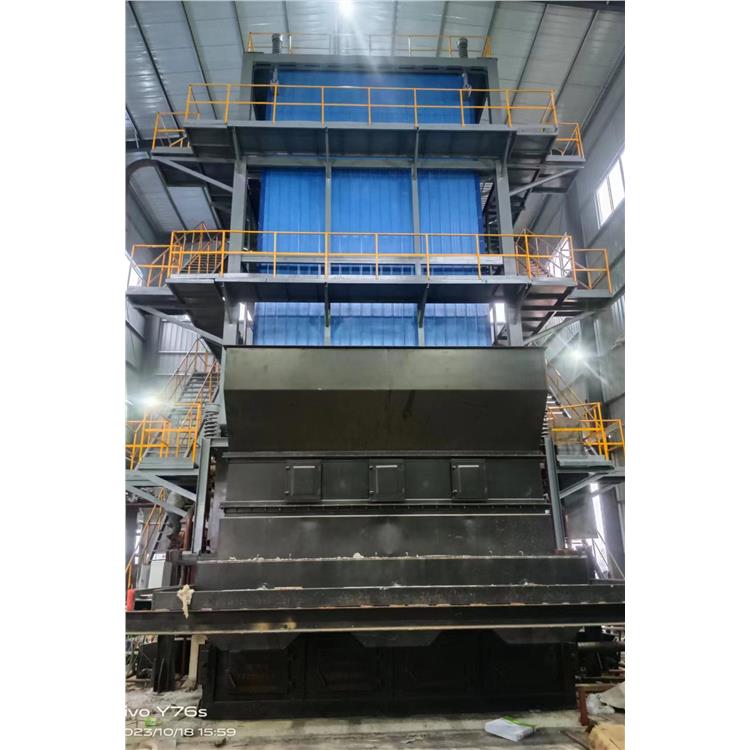
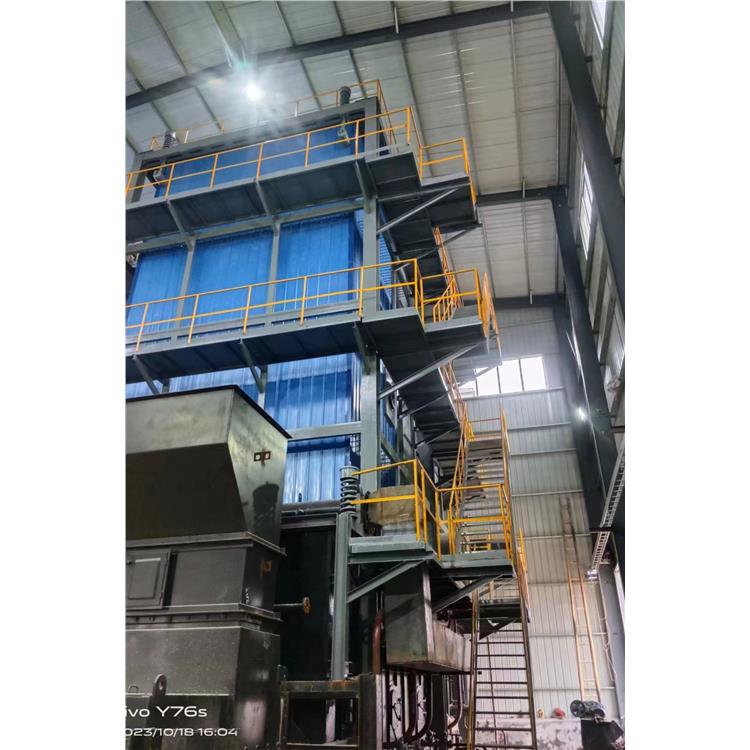
Nanchang 50-ton biomass boiler, available for customization
