


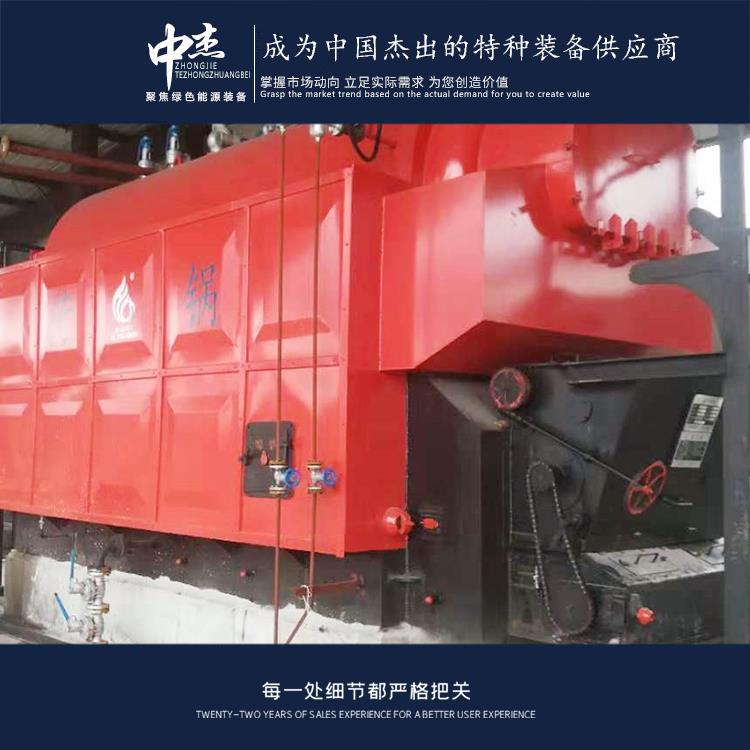
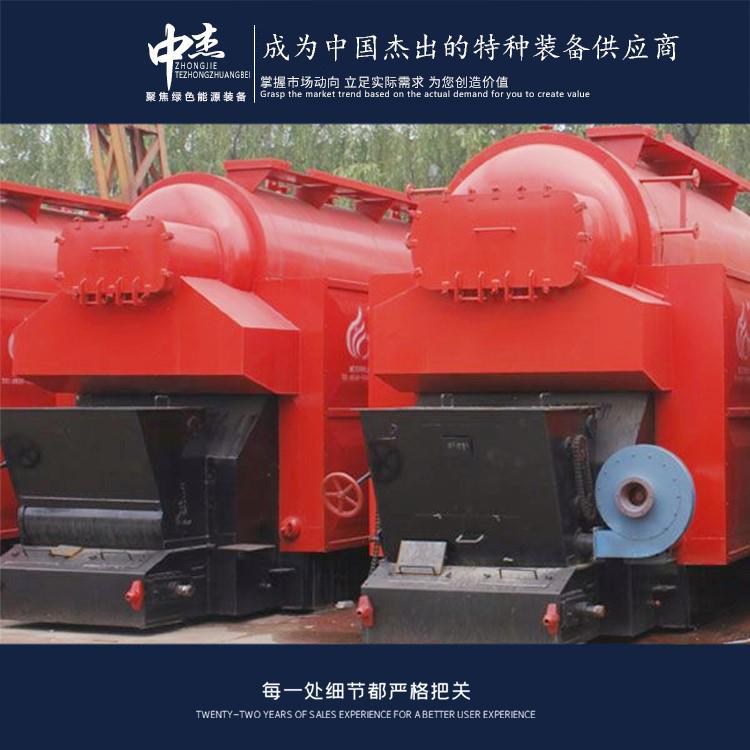
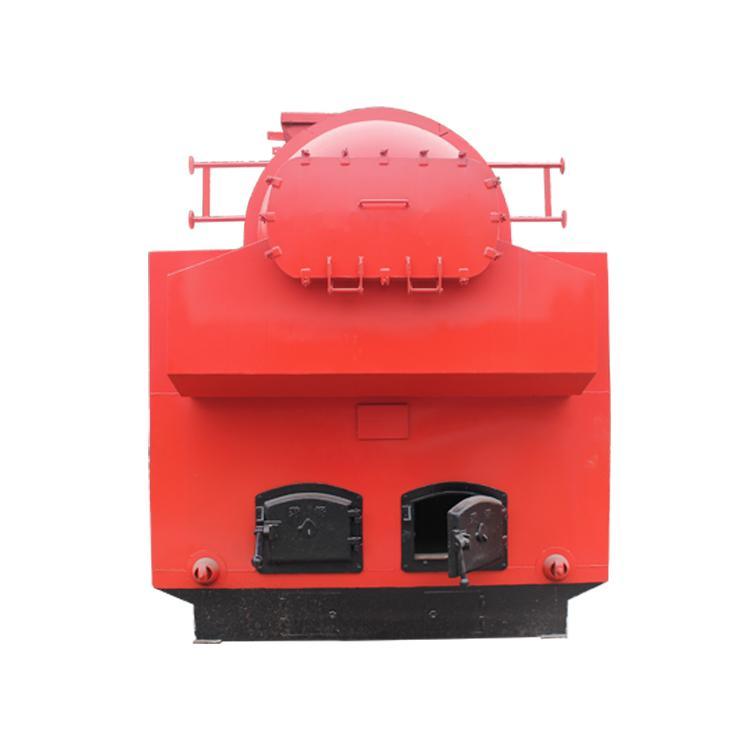
Shandong Zhongjie Special Equipment Co., Ltd. specializes in: fuel (gas) boilers, organic heat carrier boilers, biomass boilers, waste heat boilers, and other boiler products; vacuum insulation cryogenic pressure vessels such as LNG storage tanks, oxygen/nitrogen/argon storage tanks, and CO2 storage tanks; pressure vessel products including denitrification engineering equipment, heat storage and energy storage equipment, and complete chemical equipment sets; central air conditioning and HVAC equipment such as ground (water) source heat pumps, air source units, water-cooled screw units, and air-cooled modular units. Planned products include large-scale energy centers, LNG transport vehicles, LNG tank containers, and other green energy equipment.
The biomass boiler for centralized heating refers to the application of biomass boilers in the centralized heating systems of cities or large buildings. Below is an analysis of the technical features of the biomass boiler for centralized heating:
Combustion Technology: The combustion technology used in biomass boilers for centralized heating, such as fluidized bed combustion and chain grate combustion, enables the combustion of biomass fuel and improves energy utilization efficiency.
Multi-fuel Compatibility: Biomass boilers for centralized heating boast strong fuel adaptability, capable of accommodating various types of biomass fuels, such as wood chips, straw, and discarded crops, offering flexible fuel options.
Automated Control System: The automated control system equipped with biomass boilers for centralized heating can automatically regulate and control the boiler's operation, enhancing stability and safety.
Flue Gas Purification Technology: Flue gas purification equipment, such as dust collectors, desulfurization and denitrification devices, installed on biomass boilers for centralized heating, can effectively reduce emissions generated during the combustion process and protect the environment.
Heat Recovery Utilization: Biomass boilers for centralized heating are equipped with a heat recovery system, which can utilize the waste heat generated by combustion for the heating system, improving energy utilization efficiency and reducing energy consumption.
Remote Monitoring and Management: Biomass boilers for centralized heating can be monitored and controlled in real-time via a remote monitoring and management system, enhancing operational efficiency and convenience.
Sustainable Development: Biomass boilers for centralized heating utilize renewable biomass fuel, reducing dependence on fossil fuels, with lower carbon emissions and environmental impact, meeting the requirements of sustainable development.
In summary, centralized heating with biological
Biomass hot water boilers can meet environmental regulations under certain conditions. They utilize renewable biomass fuels, such as wood chips, straw, and waste materials, which emit less carbon dioxide during combustion compared to traditional fossil fuels, resulting in less environmental impact.
However, to ensure that biomass hot water boilers comply with environmental regulations, the following conditions must be met:
High combustion efficiency: Biomass hot water boilers should be equipped with a combustion system and heat exchanger that ensure complete combustion of the fuel and efficient utilization of thermal energy, reducing fuel waste and the generation of emissions.
Flue Gas Purification Equipment: Biomass hot water boilers should be equipped with effective flue gas purification equipment, such as bag dust collectors and desulfurization devices, capable of effectively capturing and purifying particulates and pollutants in the flue gas, reducing air pollution.
Compliance Emission: The flue gas emissions of biomass hot water boilers must comply with local environmental protection regulations and standards, including limitations on emissions of pollutants such as particulates and nitrogen oxides.
Regular Maintenance: Biomass hot water boilers require regular maintenance to keep the equipment in good condition and ensure stable combustion efficiency and emission performance.
Fuel Selection and Supply: Choose appropriate biomass fuel and ensure its source is legal and sustainable. Avoid using waste containing harmful substances as fuel to prevent negative impacts on the environment and human health.
It's important to note that while biomass hot water boilers are relatively environmentally friendly, they still require assessment and monitoring based on specific circumstances to ensure compliance with environmental regulations. Additionally, environmental regulations may vary by region, so users should adhere to local environmental laws and standards.
slagging in biomass boilers refers to the solid residue formed by the ash and other impurities in the fuel during the combustion process at high temperatures. Slagging is a common issue in biomass boiler operation that may affect the boiler's heat transfer and combustion efficiency. Here is a brief discussion on biomass boiler slagging:
Coke Formation Causes: The biomass fuel has a high ash content, and the ash may contain some sticky substances. These substances tend to melt and adhere to the boiler's heat exchange surface at high temperatures, forming scale. Moreover, certain elements in the biomass fuel, such as calcium, also promote the formation of scale.
Slagging Impact: Slagging obstructs heat transfer in boilers, reducing combustion efficiency and increasing energy consumption. It can also raise the temperature of the boiler, accelerate the corrosion of metal materials, and shorten the boiler's lifespan.
Preventive and remedial measures: To prevent and address the slagging issue in biomass boilers, the following measures can be taken:
Fuel Pretreatment: Pre-treat biomass fuel, including drying, screening, and decontamination, to reduce ash and salt content in the fuel, and lower the risk of slagging.
Regulate combustion conditions: Reasonably control the parameters such as temperature, oxygen content, and combustion rate of biomass combustion to avoid excessive temperatures and excessive oxygen, reducing slag formation.
Cleaning and Maintenance: Regularly clean the accumulated dust and dirt inside the boiler to keep it clean. During the cleaning process, use appropriate cleaning agents and tools to remove internal dirt from the boiler, preventing slag formation.
To enhance the thermal efficiency of biomass boilers, focus on the following aspects:
Optimize the combustion system: Reasonably adjust the biomass boiler's combustion system, including parameters such as air volume, combustion temperature, and combustion time, to achieve full combustion and utilization of the fuel. The adopted combustion technologies, such as fluidized bed combustion and gasification combustion, can enhance combustion efficiency.
Regulate Excess Air: Properly control the air supply during the combustion process of biomass boilers to prevent excessive air from entering the furnace, thereby reducing fuel oxidation and heat loss. Adjust the combustion air flow and air distribution to achieve optimal fuel-air mixture, enhancing combustion efficiency.
Enhanced waste heat recovery: The flue gas produced by biomass boiler combustion contains a significant amount of heat energy. This heat can be recovered and utilized through waste heat recovery devices, such as economic air preheaters and economizers, thereby improving the boiler's thermal efficiency.
Optimize boiler operating parameters: Reasonably adjust the operating parameters of biomass boilers, such as boiler water temperature and steam pressure, to enhance thermal efficiency. Adjust the boiler operating mode based on actual demand and load changes, to prevent excessive or insufficient heating, and improve energy utilization efficiency.
Regular cleaning and maintenance: Regularly clean and maintain biomass boilers to remove ash and slag from the furnace chamber, ensuring efficient heat exchange and reducing thermal resistance and losses.
Utilize equipment and materials: Selected biomass boiler equipment and materials, such as burners, heat exchangers, etc., to enhance thermal conduction and heat exchange efficiency.
By integrating these measures, the thermal efficiency of biomass boilers can be significantly improved, achieving energy utilization.
Zhongjie Special Equipment adheres to the grand vision of "realizing employees' dreams, creating value for customers, and striving for the prosperity and strength of our motherland," and is dedicated to the development of the green energy equipment industry. We offer society high-quality products and services at competitive prices!
Tianjin 30-ton biomass boiler, physical manufacturer
