


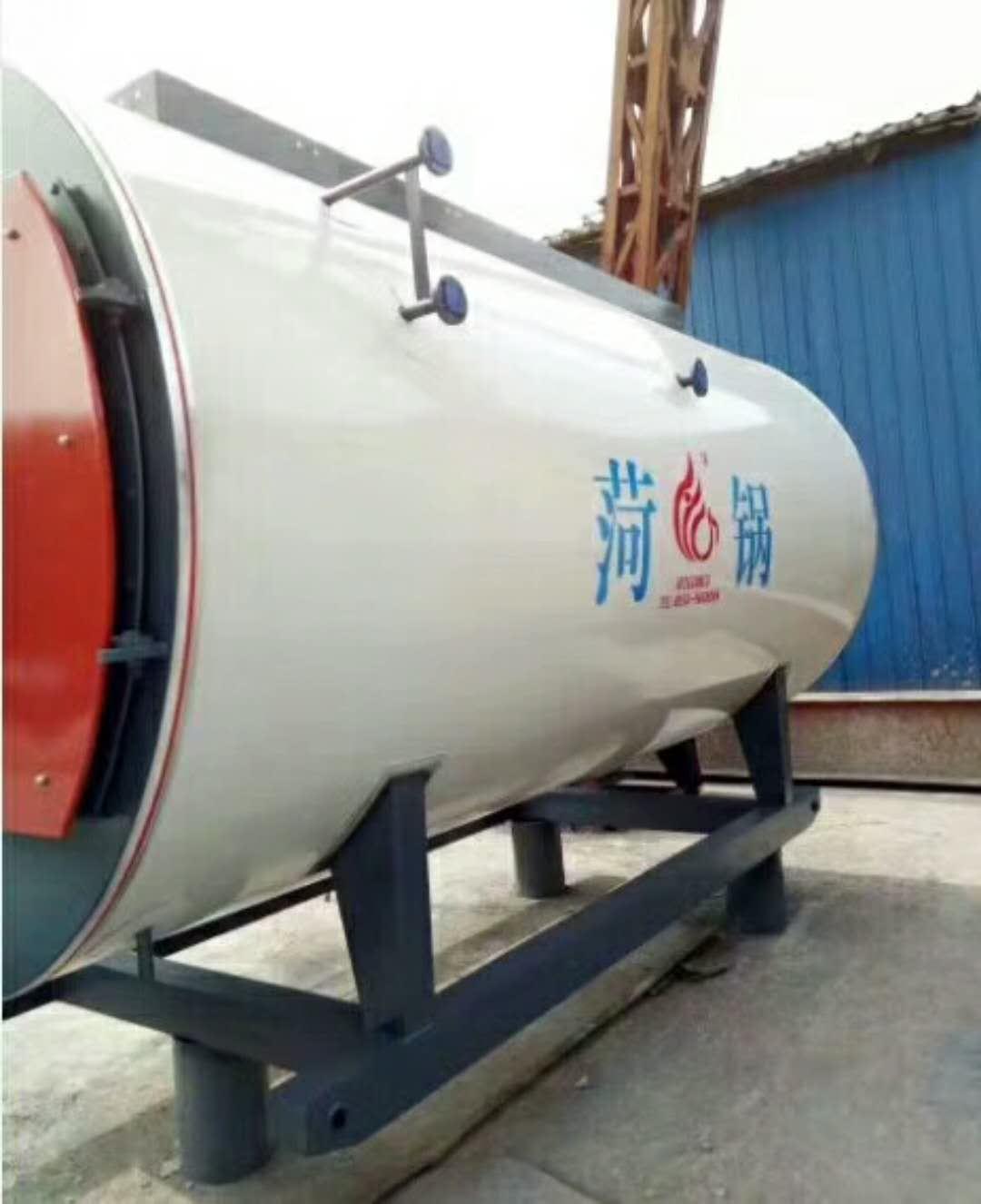
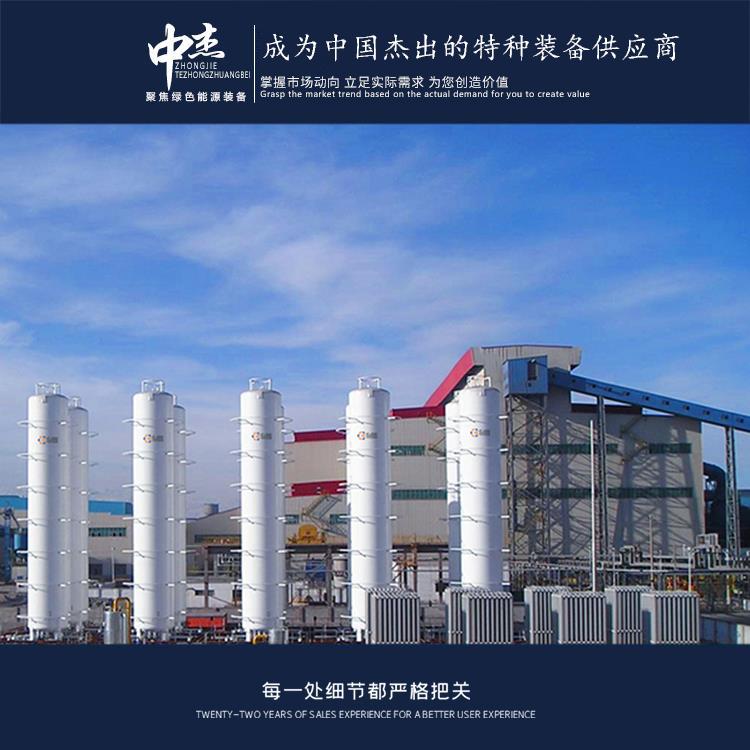
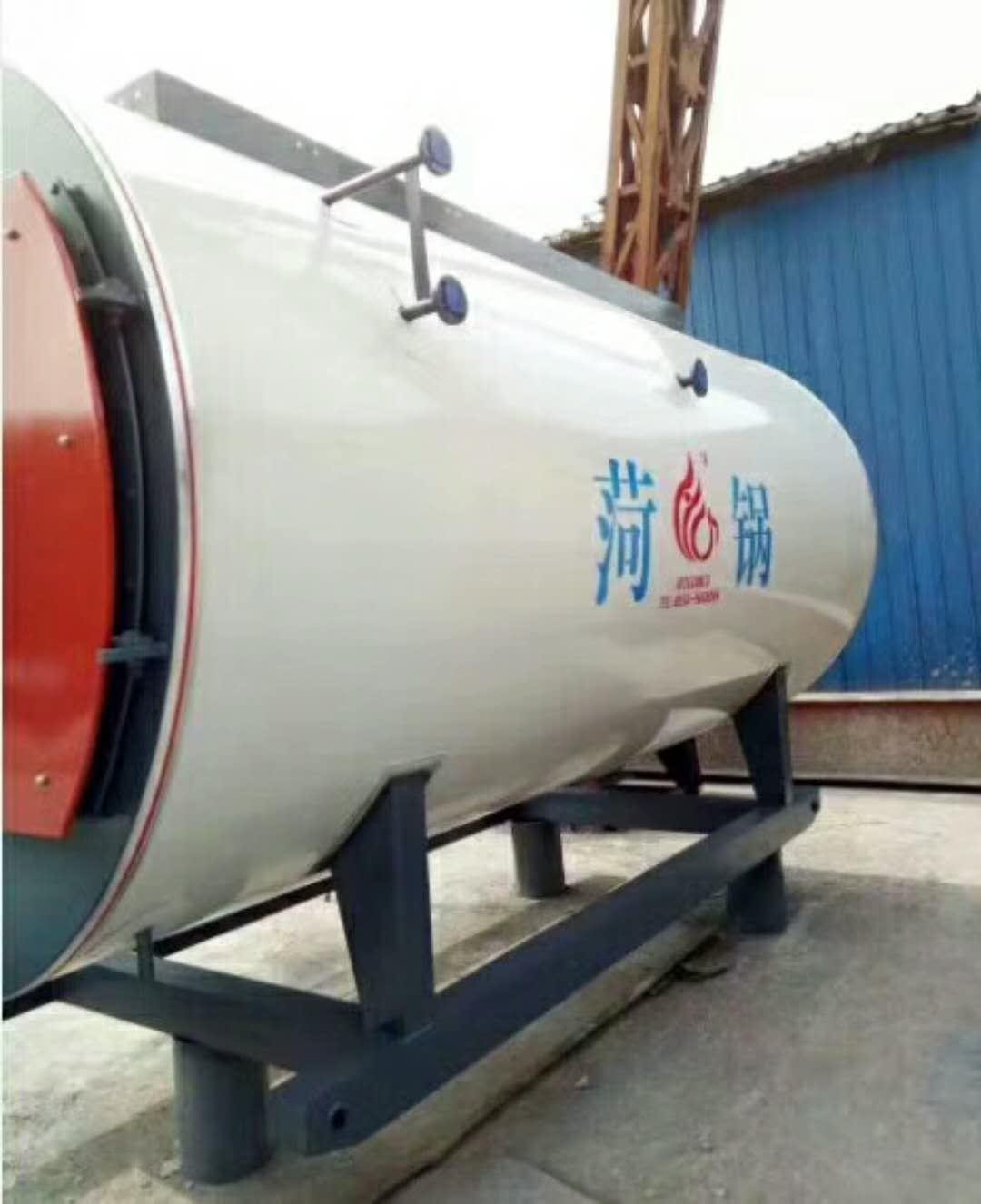
Shandong Zhongjie Special Equipment (formerly Heze Boiler Factory Co., Ltd.) holds an A-grade boiler manufacturing license, A2-grade pressure vessel manufacturing license, A2-grade pressure vessel design license, B-grade boiler installation, and GB2/Class and GC2/Class pressure pipeline installation licenses, as well as equipment and machinery installation contracting qualifications. It is a member of the China Boiler and Water Treatment Association, the China Chemical Equipment Association, and a director unit of the Shandong Equipment Manufacturing Association. The company has also passed ISO9001 Quality Management System, ISO14001 Environmental Management System, OHSAS18001 Occupational Health and Safety Management System certifications, and the American ASME/U2 certification.
Operation procedures for liquid oxygen storage tanks should be established based on specific tank design and usage requirements. Below are some common contents of general operation procedures for liquid oxygen storage tanks:
- Operator Training: Ensure operators have received relevant training for liquid oxygen storage tanks, understanding the tank's structure, performance, operation procedures, and safety precautions.
- Safety Inspections: Conduct necessary safety checks before operating the liquid oxygen storage tank, including checking the tank's integrity, the sealing of valves and pipes, and the condition of the insulation layer.
- Liquid Oxygen Supply: Ensure the liquid oxygen supply system is functioning properly, including inspecting the status of the supply pipes, valves, and pressure gauges, and ensuring an adequate supply of liquid oxygen.
- Tank Pressure Control: Monitor the pressure in the liquid oxygen storage tank to ensure it remains within a safe range. If necessary, control the tank's pressure by adjusting pressure valves or pressure relief devices.
- Leak Control: Regularly inspect the sealing of the tank and pipes to ensure there are no leaks. In case of a leak, take immediate measures for leak control and notify relevant personnel.
- Fire Prevention Measures: Prohibit open flames and prevent sparks and high-temperature objects from contacting the tank. Establish fire prevention facilities and fire extinguishing equipment, and conduct regular inspections and maintenance.
- Safety Distance: Maintain a certain safety distance around the liquid oxygen storage tank to prevent the spread of fires, explosions, and leaks.
- Maintenance and Repair: Regularly perform maintenance and repairs on the tank, including cleaning the tank, inspecting the insulation layer, valves, and pipes, to ensure normal operation.
- Waste Disposal: Properly dispose of waste generated by the liquid oxygen storage tank, including residual liquid oxygen, waste gases, and waste liquids, following relevant environmental protection regulations and standards.
Note that operation procedures for liquid oxygen storage tanks should be established based on specific tank design and usage requirements and should comply with applicable regulations, standards, and safety guidelines. When operating liquid oxygen storage tanks, cooperate with local regulatory agencies and individuals to ensure the tank's safety and reliability.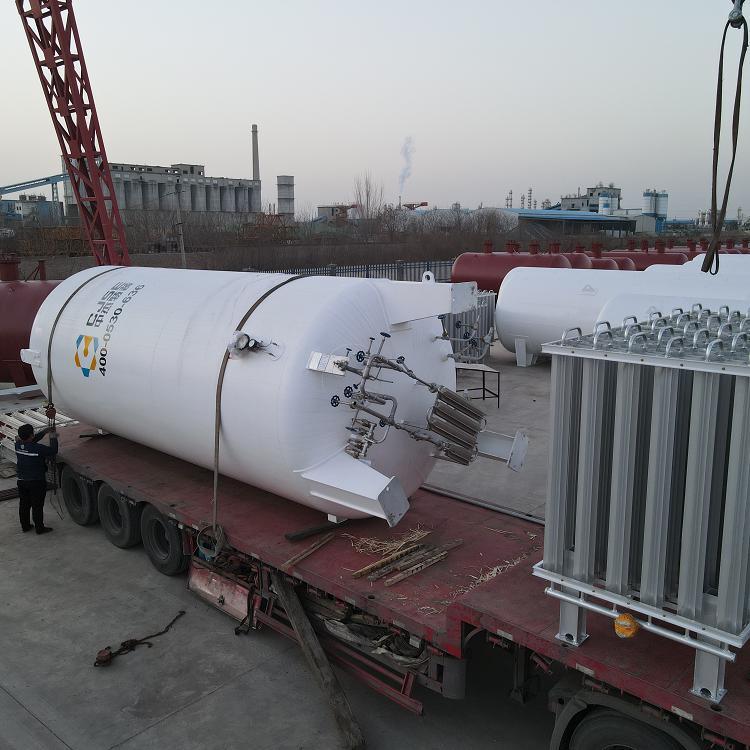
Low-temperature liquid storage tanks feature the following characteristics and advantages:
Feature:
Low Temperature Storage: Low-temperature liquid storage tanks can store low-temperature liquids (such as liquid nitrogen, liquid oxygen, etc.) at low temperatures, maintaining their liquid state. Liquid storage significantly increases storage density and saves space.
Insulation: The low-temperature liquid storage tanks are equipped with special insulation materials and structural design, effectively reducing heat conduction and loss, maintaining a stable temperature for the low-temperature liquids. This helps to minimize energy loss and liquid evaporation.
Safety: Low-temperature liquid storage tanks offer excellent safety performance. These tanks are made with special materials and structural designs to withstand low temperatures and high pressures. Additionally, they are equipped with safety devices such as pressure relief valves and liquid level alarms to ensure safe operation and use.
Utilization Advantages:
High Purity Supply: Low-temperature liquid storage tanks can provide high-purity liquid substance supply. Through refrigeration and purification processes, high-purity liquid gases can be obtained to meet the requirements of applications in fields such as industry and scientific research.
Long-term Storage: Low-temperature liquid storage tanks are designed for long-term storage of low-temperature liquids, extending their service life. By controlling the temperature inside the tank and the performance of the insulation layer, evaporation and oxidation of the liquid can be slowed down, maintaining its stability and purity.
Broad Applications: Low-temperature liquid storage tanks are widely used in various fields such as industry and scientific research. They can be used for storing liquid oxygen to provide oxygen supply; in the industrial sector, they can store liquefied natural gas (LNG) and liquid nitrogen, among other process gases; in the scientific research field, they can store low-temperature experimental samples.
Environmental Protection and Energy Conservation: Low-temperature liquid storage tanks can effectively store and utilize low-temperature liquids, reducing energy waste and environmental pollution. Storage of liquid substances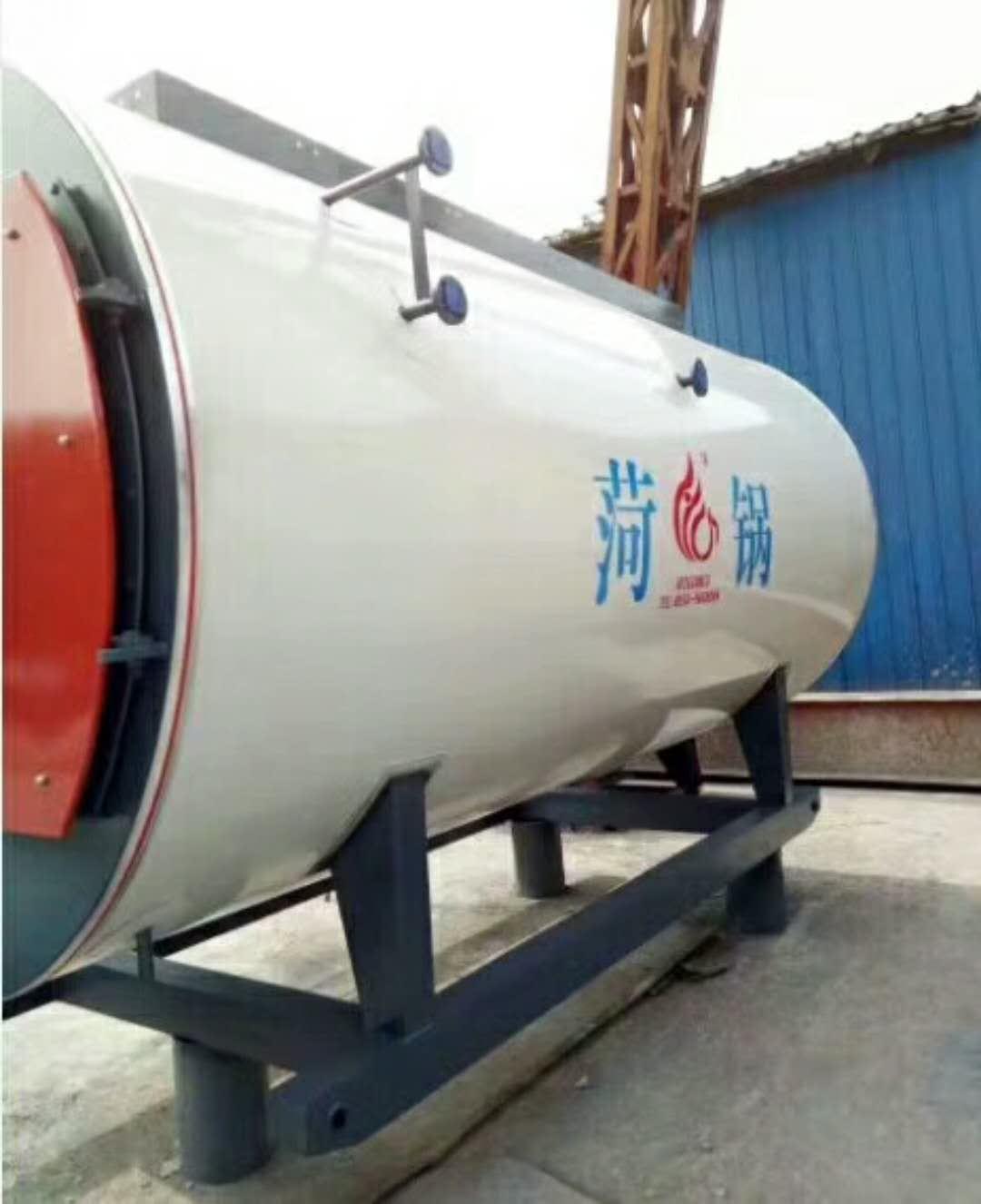
The temperature difference between the interior and exterior of a low-temperature liquid storage tank depends on various factors, including the tank's design, insulation performance, the temperature of the liquid, and the ambient temperature. Generally, the temperature inside the low-temperature liquid storage tank is much lower than that of the external environment.
Low-temperature liquid storage tanks are commonly used for storing cryogenic liquids such as liquid nitrogen, liquid oxygen, and liquid argon. These liquids have very low boiling points, typically below -100 degrees Celsius. To maintain the low temperature of the liquids, the storage tank must have excellent insulation to minimize heat transfer and evaporation loss.
Low-temperature liquid storage tanks typically offer a smaller temperature variance. Generally, the internal temperature of the tank can be maintained near the boiling point of the liquid, usually several tens of degrees Celsius lower than the ambient temperature. The specific temperature variance depends on the tank's design, insulation properties, and the characteristics of the liquid.
Note that the temperature differences in low-temperature liquid storage tanks may vary over time. As time progresses, the performance of the insulation material may be affected by wear or aging, leading to an increase in temperature differences. Therefore, regular inspections and maintenance of the tank's insulation layer are crucial to ensure its effective and stable insulating performance.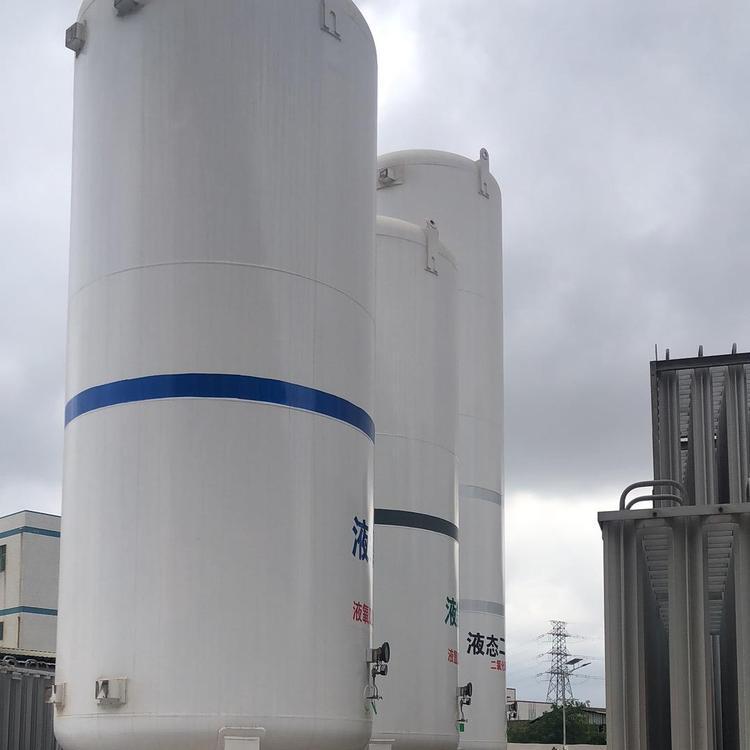
Liquid nitrogen tanks are equipment used for storing liquid nitrogen and are widely applied in the following fields:
- Frozen Food and Cold Chain Logistics: Liquid nitrogen tanks are utilized in the frozen food and cold chain logistics industry to freeze or chill food and perishable items, extending their shelf life and maintaining freshness. The low temperature of liquid nitrogen can quickly freeze food, preventing bacterial growth and spoilage.
- Biological Sample Storage: Liquid nitrogen tanks are extensively used for freezing and preserving biological samples, cells, tissues, and more. The low temperature of liquid nitrogen effectively protects the integrity and viability of biological materials, used in medical research, biomedical engineering, and transplantation fields.
- Laboratory Research: In scientific research and laboratories, liquid nitrogen tanks are used to provide liquid nitrogen as a coolant and freezing medium. The low temperature of liquid nitrogen can be used for cooling laboratory equipment, material research, superconducting electronics, and low-temperature physics.
- Metalworking and Welding: Liquid nitrogen tanks are used in metalworking and welding for cooling and controlling the temperature of metals. Liquid nitrogen can rapidly cool metals, improve their hardness and strength, and reduce deformation and stress.
- Gas Storage and Supply: Liquid nitrogen tanks are also used for storing and supplying nitrogen gas. Liquid nitrogen can be evaporated into gaseous nitrogen for applications such as gas shielded welding, gas fire suppression systems, gas analysis, and laboratory gas supply.
In summary, liquid nitrogen tanks have extensive applications in the fields of frozen food, laboratory research, metalworking, and gas supply, providing storage and supply functions for liquid nitrogen at application sites.
Our company attaches great importance to technological innovation and R&D design. We have one municipal-level enterprise technology center in Heze City, equipped with testing facilities for non-destructive testing, physical and chemical testing, welding testing, hydrostatic testing, etc. We have over 600 types of equipment, including CNC machine tools, X-ray flaw detectors, digital ultrasonic flaw detectors, mechanical property testing machines, chemical analyzers, spectrometers, tensile testing machines, plasma welding machines, and more. The key products we have developed, such as temperature and pressure vessel welding, biomass boiler emission reduction, and waste heat utilization, have successively been included in multiple Shandong Provincial Department of Industry and Information Technology science and technology innovation projects, Shandong Provincial key projects, and Heze City innovation and excellence projects. We have accumulated 27 authorized utility models, 16 authorized inventions, participated in drafting 2 standards, 2 industry standards, and registered 15 trademarks. Our technical team, in collaboration with Professor Yajiang Li of Shandong University, has developed deep cryogenic container processing technology using the international plasma arc + filler wire tungsten inert gas arc welding (PAW-GTAW) technology. After provincial-level scientific and technological achievement evaluation, the technology level has reached an international standard in the field of deep cryogenic container manufacturing. Choose Zhongjie Special Equipment, and let's create brilliance together!
Huangshi Low-Temperature Liquid Storage Tank, High Cost-Effective Ratio
