


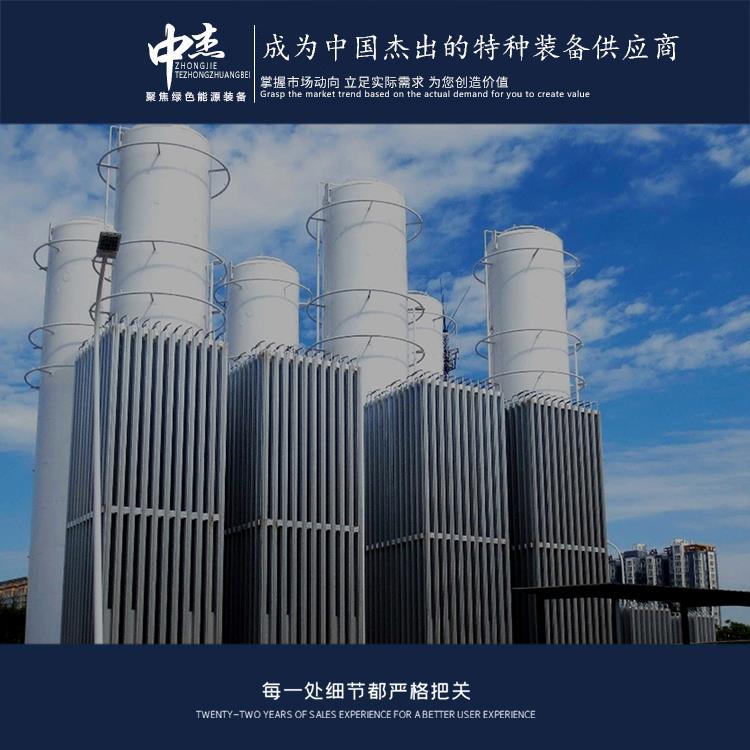
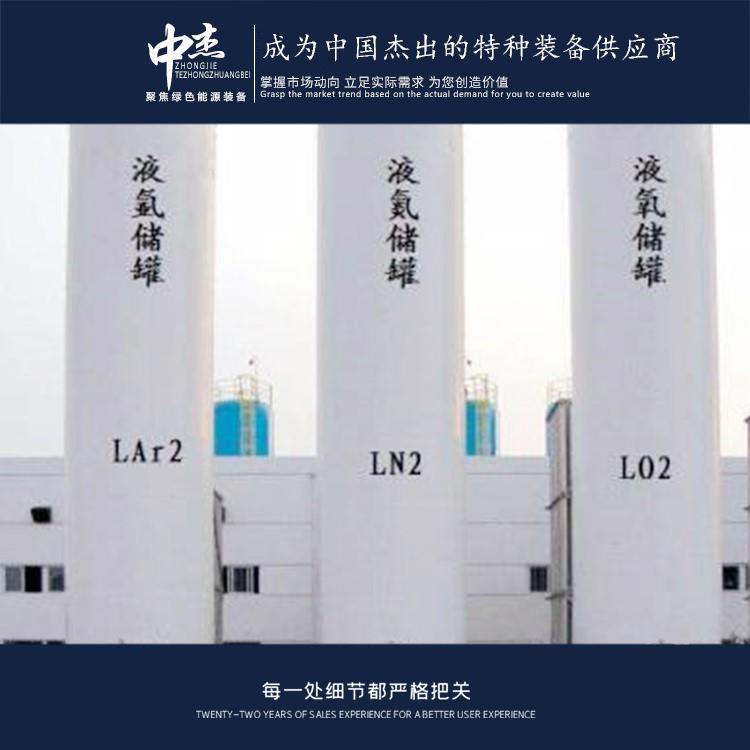
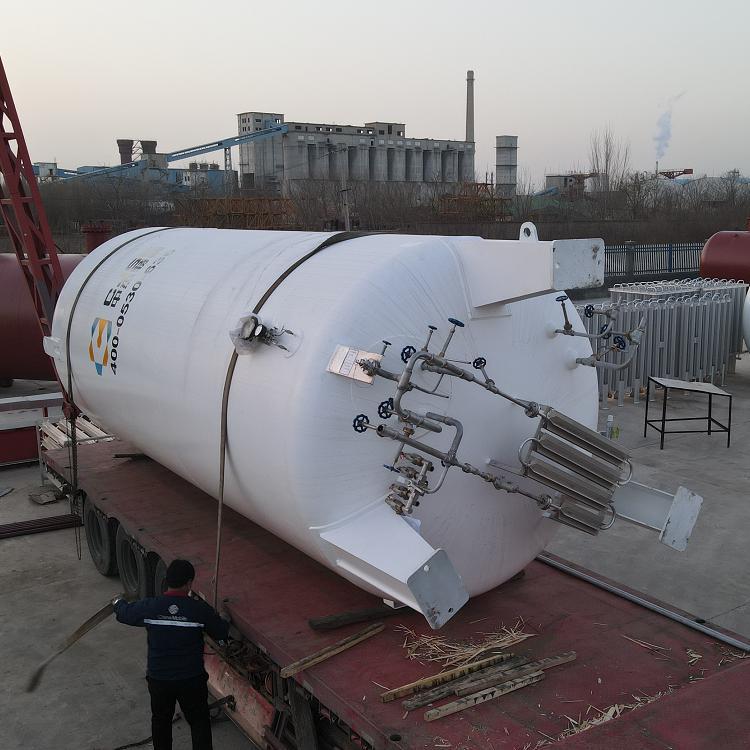
Shandong Zhongjie Special Equipment Co., Ltd. specializes in the following products: fuel (gas) boilers, organic heat carrier boilers, biomass boilers, waste heat recovery boilers, and other boiler products; vacuum insulation cryogenic pressure vessels such as LNG tanks, oxygen/nitrogen/argon tanks, and CO2 tanks; pressure vessel products including denitrification engineering equipment, heat storage and energy storage equipment, and complete chemical equipment sets; central air conditioning and HVAC equipment such as ground (water) source heat pumps, air source units, water-cooled screw units, and air-cooled modular units. Planned products include large-scale energy centers, LNG transport vehicles, LNG tank containers, and other green energy equipment.
When initially using a liquid nitrogen tank, there are some precautions to consider for safe and effective operation. Here are some suggested precautions:
Safe Operation: Liquid nitrogen is a low-temperature liquid with strong refrigerating and asphyxiating effects. When handling liquid nitrogen tanks, appropriate personal protective equipment must be worn, such as insulated gloves and protective suits. Avoid direct contact with liquid nitrogen to prevent injury or other harm.
Ventilation Environment: Liquid nitrogen evaporation produces a large amount of gas, which may displace other gases, leading to a decrease in oxygen content in the air. Therefore, when using liquid nitrogen tanks, ensure that the operational area is well-ventilated to prevent oxygen deficiency.
Tank Inspection: Before initially using a liquid nitrogen tank, thoroughly inspect the tank's appearance and sealing. Ensure there are no visible damages, leaks, or other safety hazards. If any issues are found, they should be repaired or the tank replaced promptly.
Filling Storage Tanks: Prior to the first use of a liquid nitrogen storage tank, it is necessary to fill it with liquid nitrogen. During the filling process, follow the correct operational steps and safety protocols to ensure the process is safe and reliable. Also, be mindful to control the filling speed and pressure to prevent excessive tank pressure and temperature rise.
Labeling and Record Keeping: Prior to the initial use of a liquid nitrogen tank, relevant information should be labeled on the tank, such as the storage medium, capacity, manufacturing date, etc. It is also recommended to establish a tank usage record, including filling dates, filling quantities, usage details, etc., for future tracking and management.
Note that the use of liquid nitrogen tanks involves safety risks such as low temperatures and high pressures. Operators should receive training and strictly adhere to the relevant operational procedures and safety measures. If you are not familiar with the operation or have any doubts, it is recommended to consult with individuals or relevant organizations for guidance.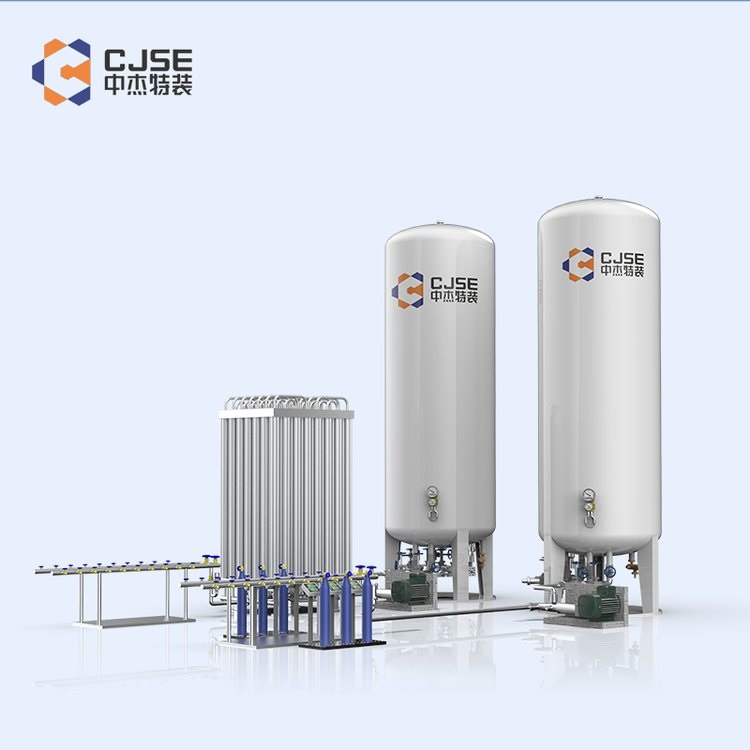
The installation of the safety valve in liquid oxygen storage tanks is a crucial component to ensure that the tanks can release pressure promptly in the event of overpressure, thereby protecting the tanks and related equipment. The following are the steps for installing the safety valve in a liquid oxygen storage tank:
Determine the rated pressure of the safety valve: Based on the design pressure and flow requirements of the liquid oxygen storage tank, select an appropriate safety valve. Ensure that the rated pressure of the safety valve meets the tank's specifications and complies with relevant safety standards and regulations.
Valve Installation Location Selection: Choose a suitable location to install the safety valve. Typically, the safety valve should be mounted at the top or side of the liquid oxygen tank to allow for timely pressure release in the event of overpressure.
Ready for installation interface: Prepare the corresponding interfaces based on the connection method of the safety valve. This may include welding interfaces, threaded interfaces, or flange interfaces, etc. Ensure the tightness of the interfaces and secure connections.
Install the safety valve: Mount the safety valve onto the prepared interface. Follow the installation instructions for the safety valve to ensure proper connection and tightness.
Adjustment and Testing: After installation, adjust and test according to the requirements of the safety valve. Ensure that the opening and closing pressures of the safety valve meet the design specifications, and conduct a leakage test to ensure its sealing integrity.
Connect discharge piping: The discharge piping of the safety valve should be properly connected to the outlet of the safety valve. The discharge piping should have sufficient diameter and flow capacity to ensure effective discharge of overpressure gas when the safety valve is opened.
Identification and Documentation: Label safety valves and discharge pipes with relevant information such as rated pressure, flow rate, and installation date. Additionally, record the installation details and test results of the safety valves for future reference and maintenance.
When installing the safety valve on the liquid oxygen storage tank, it is imperative to adhere to the relevant safety regulations and operational guidelines. If you lack the necessary experience and knowledge, it is advisable to seek assistance and guidance from professionals to ensure the correct installation and reliable operation of the safety valve.
When using a 50-cubic-liter liquid oxygen storage tank, the following safety issues should be noted:
Tank Pressure Control: Ensure the liquid oxygen pressure within the tank remains within a safe range. Monitor and control the tank's pressure to avoid risks from excessive or insufficient pressure.
Leakage and Fire Prevention: Regularly inspect the tank and associated pipelines for tightness to prevent liquid oxygen leakage. Liquid oxygen is highly flammable, so fire prevention measures must be taken to ensure there are no ignition sources around the tank.
Explosion Prevention Measures: Oxygen inside the liquid oxygen tank may cause an explosion upon contact with flammable substances. Ensure there are no flammable items around the tank and implement explosion prevention measures, such as explosion-proof electrical equipment and static grounding.
Safety valves and exhaust systems: Storage tanks should be equipped with safety valves and exhaust systems to prevent overpressure situations. Ensure the proper operation of the safety valves and the unobstructed flow of the exhaust system.
Routine Maintenance and Inspection: Regularly maintain and inspect the storage tanks, including cleaning, coating protection, and anti-corrosion treatment. Ensure the structural integrity and safety of the tanks.
Safety Operation and Training: Operators must undergo relevant safety training, familiarize themselves with the safe operation procedures for liquid oxygen tanks and emergency response measures. Adhere to the correct operational steps to ensure safe operation.
Environmental Monitoring: Regularly monitor environmental parameters such as oxygen concentration and temperature around the storage tanks to ensure safety.
Emergency Preparedness: Develop an emergency response plan including measures for leaks, fires, and explosions. Equip with appropriate emergency equipment and firefighting gear to handle unexpected incidents.
Above are some safety issues to be aware of when using a 50-cubic-liter liquid oxygen tank. To ensure safety, it is recommended to follow relevant safety regulations and operation guidelines, and seek assistance and guidance from experts when necessary.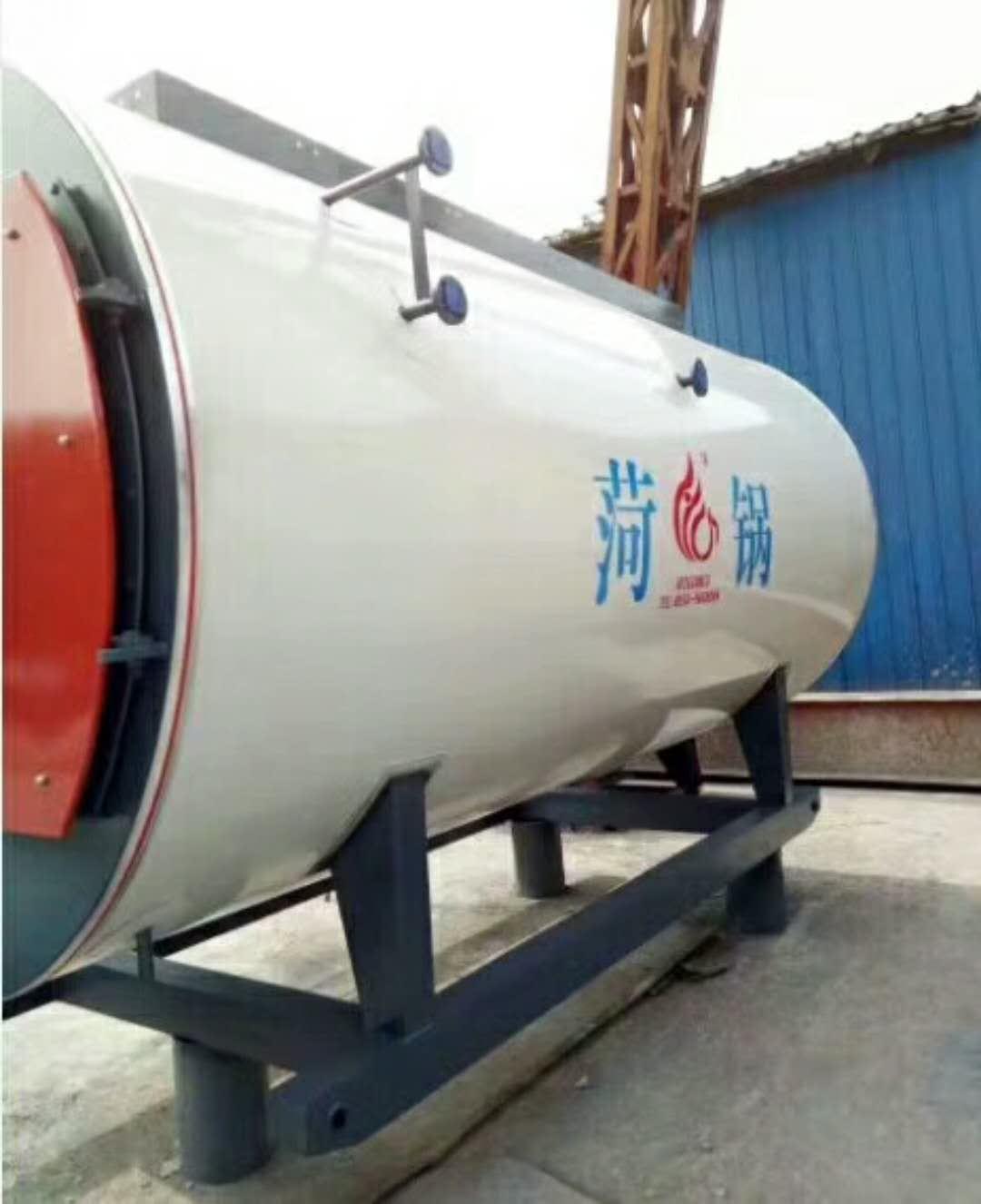
When selecting a low-temperature liquefied natural gas (LNG) storage tank, the following factors should be considered:
Tank Types: Common LNG tank types include vertical fixed-roof tanks, spherical tanks, and horizontal tanks. Choose the appropriate tank type based on specific application requirements and site conditions.
Tank Capacity: Determine the tank capacity based on the storage requirements and anticipated usage of LNG. The tank capacity should be sufficient to meet the expected storage duration and supply demands.
Material Selection: LNG tanks are typically made from low-temperature steel or nickel alloys to ensure corrosion resistance and strength in low-temperature environments. Select the appropriate material based on the tank's design pressure and temperature requirements.
Safety Performance: LNG tanks should possess excellent safety performance, including seismic resistance, fire resistance, and leak control capabilities. The tanks should comply with relevant safety standards and regulations, such as API 620, EN 1473, etc.
Maintenance and Inspection: Consider the maintenance and inspection requirements of the tank, including internal cleaning, coating protection, and anti-corrosion measures. The tank's design should facilitate maintenance and inspection operations to ensure long-term reliable operation.
Environmental Impact: When selecting an LNG tank, consideration must be given to its impact on the surrounding environment. The layout and design of the tank should comply with environmental protection requirements, minimizing the impact of noise, vibration, and gas emissions on the environment.
Cost-effectiveness: Consider the investment, operational, and lifecycle costs of the tank to select one with a favorable cost-performance ratio.
需要注意的是,选型LNG储罐时应遵循相关的和地区的法规、标准和规范。此外,咨询的工程师或储罐制造商,以获取更详细和准确的选型建议。
Zhongjie Special Equipment adheres to the great vision of "realizing employees' dreams, creating customer value, and striving for the prosperity and strength of our motherland," focusing on the development of green energy equipment industry, and devoting high-value products and services to society!
Neijiang Low-Temperature Liquid Storage Tank, Years of Industry Experience
