


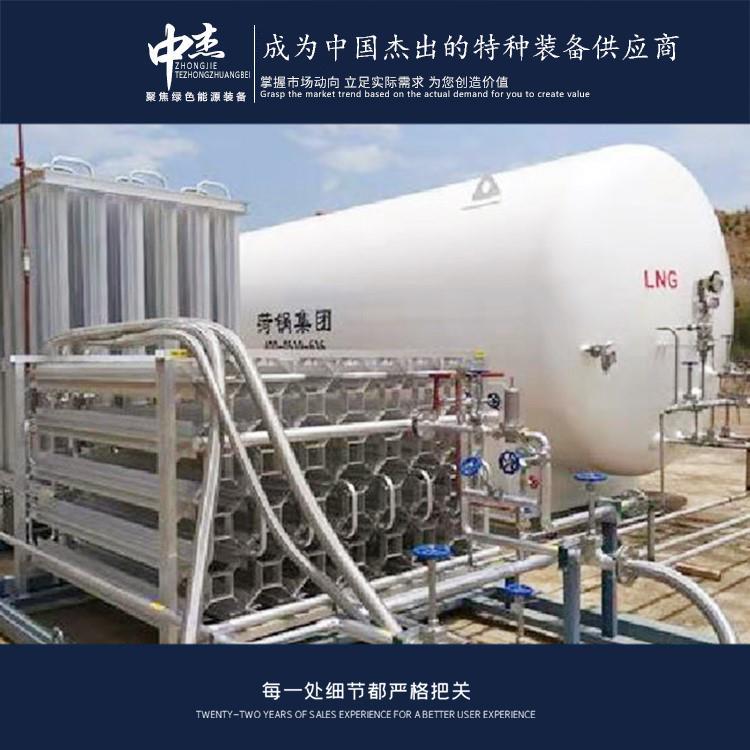
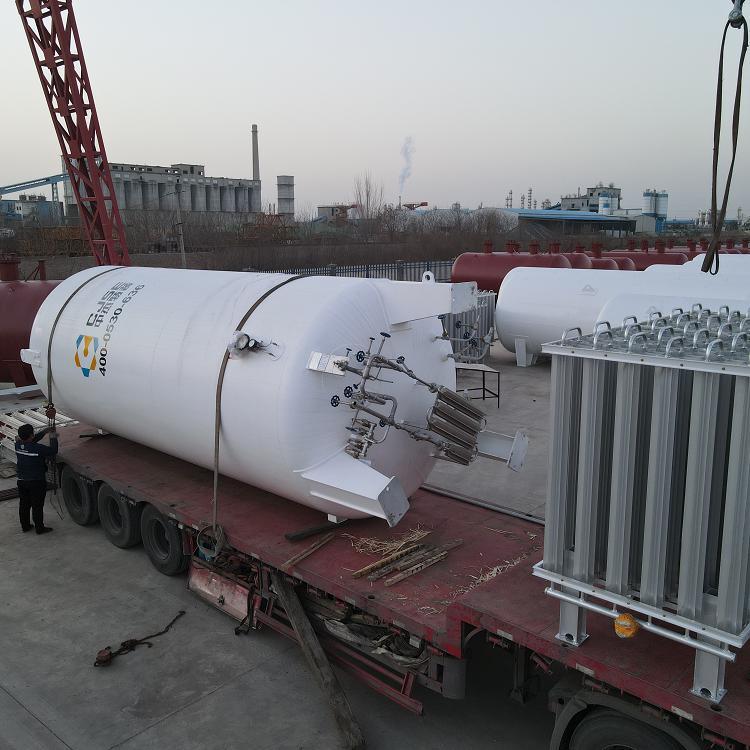
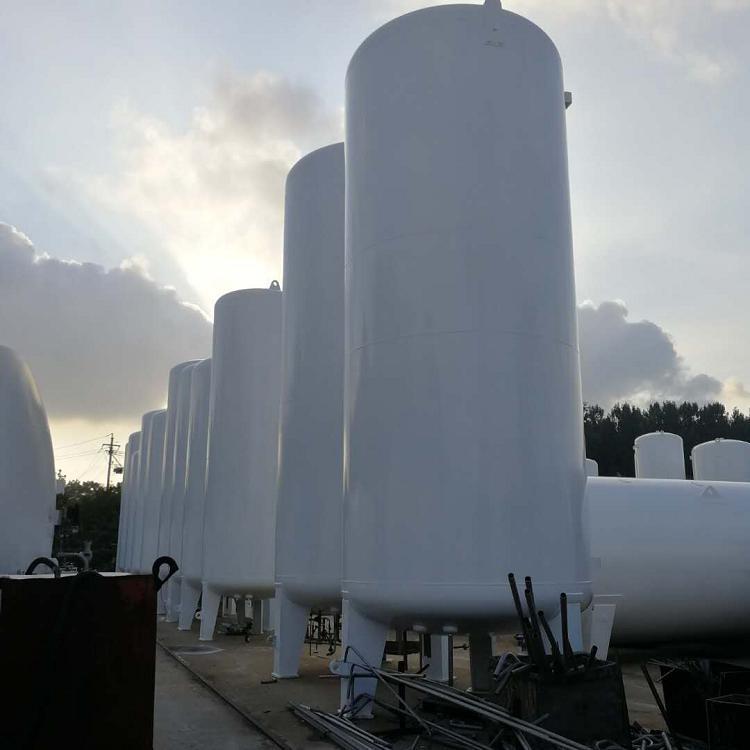
Shandong Zhongjie Special Equipment's main products include: fuel (gas) boilers, organic heat carrier boilers, biomass boilers, waste heat boilers, and other boiler products; vacuum insulation cryogenic pressure vessels such as LNG tanks, oxygen/nitrogen/argon tanks, and CO2 tanks; pressure vessel products such as denitrification engineering equipment, heat storage and energy storage equipment, and complete chemical equipment; central air conditioning and HVAC equipment such as ground (water) source heat pumps, air source units, water-cooled screw units, and air-cooled modular units. Planned products include large-scale energy centers, LNG transport vehicles, LNG tank containers, and other green energy equipment.
Leakage issues in liquid argon storage tanks may be caused by the following reasons:
Design or Manufacturing Defects: Deficiencies in the design or manufacturing process, such as loose welds, inappropriate material selection, or poor sealing, can lead to leakage issues in the storage tank.
Corrosion and Oxidation: Long-term exposure to low temperatures can cause corrosion and oxidation in liquid argon tanks. These issues can damage the tank's surface protective layer, leading to leakage problems.
Fatigue and stress cracking: Over time, due to temperature and pressure fluctuations, storage tanks may experience fatigue and stress cracking. These cracks can degrade the tank's sealing performance, leading to leaks.
Improper Operation: Failure to follow proper procedures during the storage tank's operation, such as overfilling with liquid argon or excessive pressure, can lead to tank damage and leakage.
External Damage: The tank may sustain damage from external factors such as mechanical impacts or objects.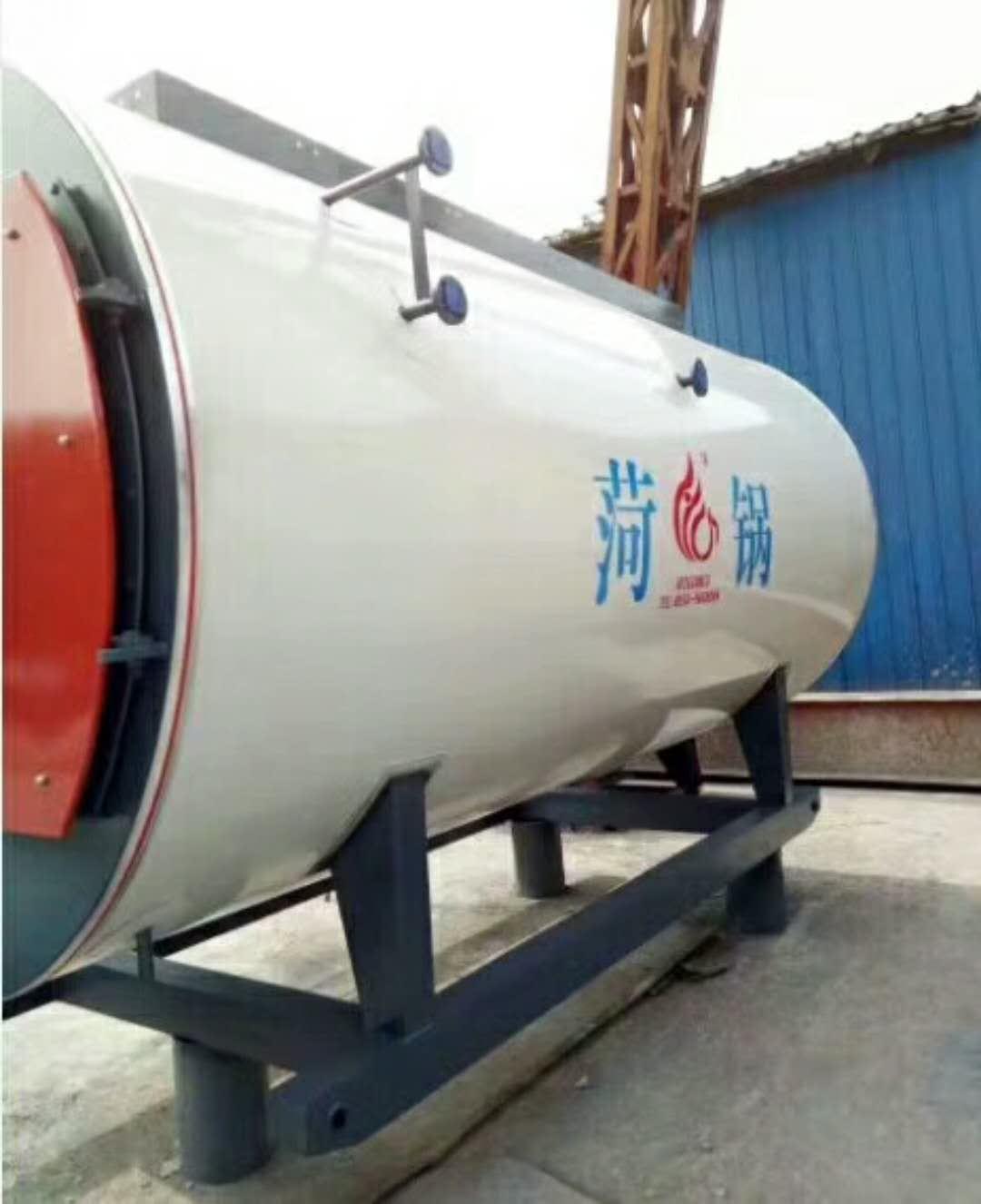
The application of strain-hardening in austenitic stainless steel on low-temperature pressure vessels is a common method, which can enhance the material's strength and durability. Here is some information regarding the application of strain-hardening in austenitic stainless steel on low-temperature pressure vessels:
Principle of Strain Hardening: Strain hardening is achieved by introducing plastic deformation into the material, which alters the crystal structure and thereby increases the material's strength. In Austenitic stainless steel, strain can be introduced through methods such as cold working (like cold rolling, cold drawing, etc.) or heat treatment (such as solution treatment and cold deformation), which results in dislocations and grain boundary slip in the crystal structure, thereby enhancing the material's strength.
Advantages in Low-Temperature Applications: Austenitic stainless steel exhibits excellent corrosion resistance and low-temperature toughness in cold environments. Strain hardening can further enhance the strength and durability of Austenitic stainless steel, enabling it to perform in low-temperature pressure vessels. Under low-temperature conditions, strain hardening effectively resists plastic deformation and fracture, improving the material's tensile strength and impact resistance.
Application Cases: The strain-hardening of austenitic stainless steel is widely used in low-temperature pressure vessels. For instance, in cryogenic storage tanks such as liquid nitrogen, liquid oxygen, and liquid argon tanks, strain-hardened austenitic stainless steel is commonly used as structural material. These vessels must withstand high pressure and impact loads at low temperatures; strain-hardening enhances the material's strength and durability, ensuring the safe operation of the containers.
It is important to note that the strain hardening of austenitic stainless steel should be conducted at appropriate temperatures and deformation conditions to avoid excessive deformation and material embrittlement. When designing and manufacturing low-temperature pressure vessels, the specific engineering requirements and material characteristics should be considered to rationally select and apply the strain hardening of austenitic stainless steel.
Low-temperature liquid oxygen storage tanks usually require some safety accessories to ensure safe operation and to address potential risks. The following are some common safety accessories for low-temperature liquid oxygen storage tanks:
Pressure Sensor: Used to monitor pressure changes within storage tanks. Should the pressure exceed the set range, it will trigger an alarm or automatically stop filling measures to prevent overpressure in the tank.
Safety Valve: Used to automatically release gas when the pressure inside the storage tank exceeds the set value, preventing overpressure. The safety valve should be selected and installed based on the design pressure and capacity of the storage tank.
Pressure Relief Device: Used to release gas into a safe area when the pressure inside the storage tank is too high, thereby reducing the pressure on the tank. The pressure relief device typically includes relief valves, relief pipes, etc.
Level sensor: Used to monitor the level change of liquid oxygen inside storage tanks to ensure sufficient liquid oxygen and prevent overfilling.
Temperature Sensor: Used to monitor temperature changes within storage tanks to ensure the liquid oxygen inside remains within a safe temperature range.
Fire Detectors and Fire Suppression Systems: Designed to monitor fire risks around storage tanks and activate fire suppression systems as needed, to prevent the spread of fire to adjacent areas.
When cleaning low-temperature liquid storage tanks, the following steps should be taken:
Safety Preparations: Prior to cleaning, ensure there are no remaining liquids or gases in the tank, and that it has been fully drained and vented. Wear appropriate personal protective equipment, such as protective suits, gloves, and safety shoes.
Cleaning Agent Selection: Choose a cleaning agent suitable for low-temperature environments and liquid storage tank materials. Common cleaning agents include acidic and alkaline solutions, organic solvents, or specialized cleaners. Select the appropriate cleaning agent based on the tank material and the nature of the contaminants.
Cleaning Process: Inject cleaning agents into the tank and use appropriate tools (such as sprayers, brushes, or high-pressure water) to clean the interior walls. Multiple cleanings can be performed as needed to ensure all contaminants are removed.
Washing and Discharge: After cleaning, rinse with clean water or an appropriate solvent to remove cleaning agents and residues. Ensure the tank is dry and discharge the rinse fluid into an appropriate treatment system.
Inspection and Verification: After cleaning, inspect the tank to ensure no residues of contaminants remain inside. Appropriate testing equipment or methods, such as optical inspection, chemical analysis, or ultrasonic testing, can be used to verify the cleaning effectiveness.
Be mindful that when cleaning low-temperature liquid storage tanks, it's crucial to adhere to relevant safety regulations and operational guidelines. Liquid storage tanks typically have high flammability and low-temperature characteristics, so operators must strictly follow safety procedures to ensure the safety of personnel and equipment. During the cleaning process, attention should be given to prevent leaks of cleaning agents and contaminants, and appropriate measures should be taken for their treatment and disposal.
Shandong Zhongjie Special Equipment, welcome customers to our factory for business discussions.
Shangqiu 5 cubic meter liquid argon tank - Reliable Choice
