


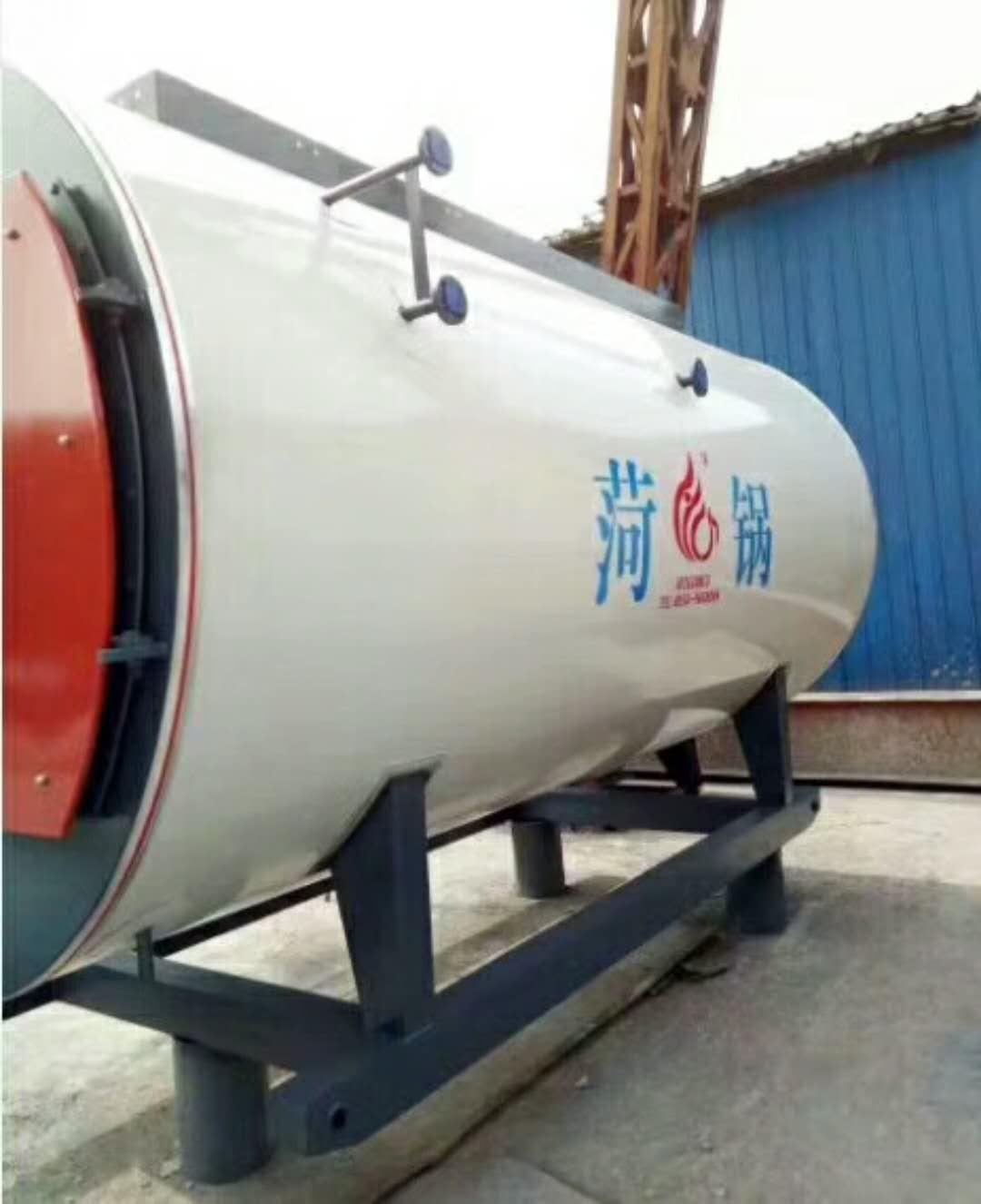
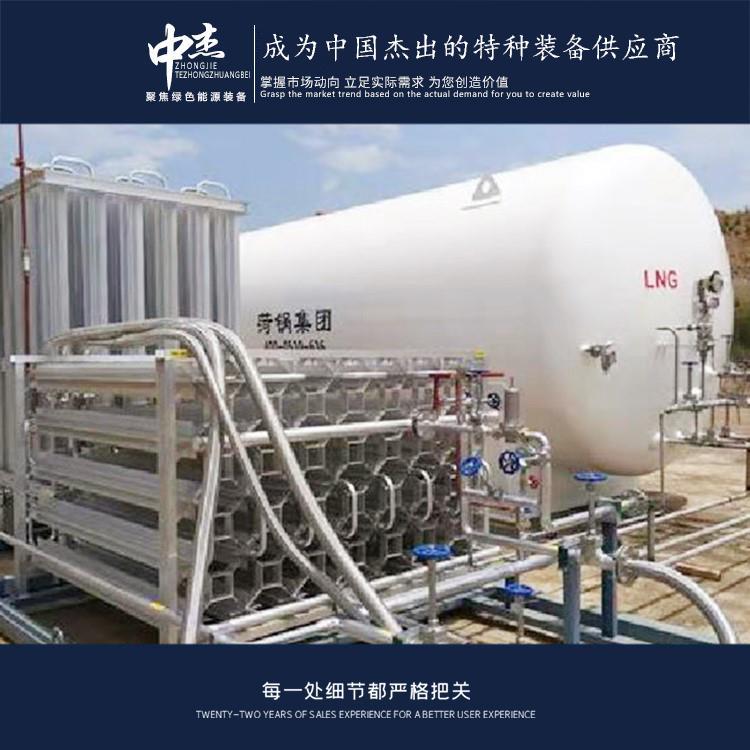
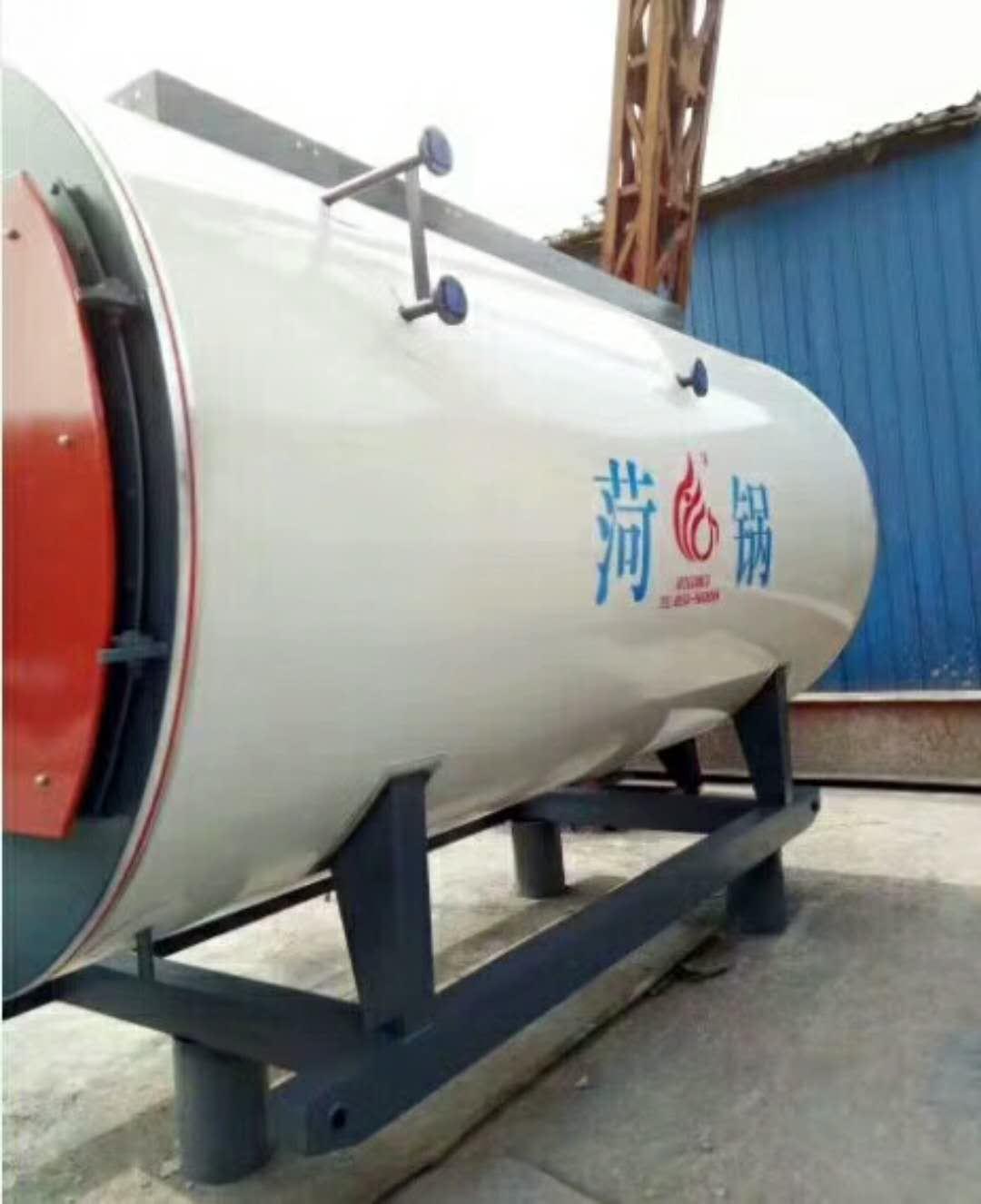
Shandong Zhongjie Special Equipment (formerly Heze Boiler Factory Co., Ltd.) was established in 2001, located at No. 2218 Jinnan Road, Development Zone, Heze City, with a registered capital of 50 million yuan and total assets of 500 million yuan. The company has 7 business centers: boiler, deep-freeze container, pressure vessel, central air conditioning, engineering installation, international trade, and Internet of Things. It has three factory sites on Jinnan Road, East Changjiang Road, and Bohai Road, covering a total area of 200,000 square meters, with the main workshop spanning 83,000 square meters. It currently employs 710 people, including 247 engineers and technicians, and 82 intermediate-level technical personnel. In December 2016, it was recognized as a "High-Tech Enterprise" by the Science and Technology Department. In June 2021, it was identified as a "Specialized and New Enterprise in Shandong Province" by the Ministry of Industry and Information Technology. In June 2022, it was recognized as a "Gazelle Enterprise in Shandong Province" and in August 2022, it was identified as a "Specialized and New Small Giant Enterprise" by the Ministry of Industry and Information Technology.
During the operation of low-temperature storage tanks, it is indeed necessary to avoid wrinkling. Wrinkling refers to the occurrence of creases or deformation in the tank walls, which can lead to a decrease in the structural strength of the tank, and may even cause leaks or ruptures.
Here are some precautions to avoid tank squeezing in low-temperature storage:
Tank Design: Select an appropriate tank design that can withstand the pressure and weight of low-temperature liquids. The tank's wall thickness, supporting structure, etc., should comply with relevant standards and regulations.
Material Selection: Choose materials suitable for low-temperature environments, with adequate strength and low-temperature resistance. Common materials include low-temperature steel, stainless steel, etc.
Insulation Layer for Storage Tanks: The design and construction of the insulation layer must meet the requirements to ensure effective reduction of heat conduction and temperature variation. The materials and thickness of the insulation layer should be selected based on the specific situation.
Tank Operation: During the loading and unloading of liquids in the tank, it is essential to avoid rapid or excessive fluid flow to minimize impact and stress concentration on the tank walls.
Tank Maintenance: Regularly inspect and maintain the structure and insulation of tanks to ensure they are in perfect condition. Any abnormalities or damages should be promptly repaired or replaced.
Temperature Control: During the operation of low-temperature liquid storage tanks, it is essential to strictly control the temperature difference between the inside and outside of the tank to avoid excessive temperature changes and thermal stress.
In summary, preventing deformation in low-temperature storage tanks hinges on proper design, material selection, insulation installation and maintenance, and strict control over temperature variations. Regular inspections and maintenance are crucial for ensuring safe operation of the tanks.
Liquid Argon Storage Tanks are specialized equipment designed for storing liquid argon, featuring the following parameters, functions, and characteristics:
Parameters:
Tank Capacity: The capacity of liquid argon tanks can be customized according to requirements, typically available in various sizes such as 500L, 1000L, 2000L, and so on.
Work Pressure: The working pressure of liquid argon tanks is typically atmospheric or slightly above atmospheric pressure.
Storage Temperature: Liquid argon storage tanks are typically maintained at -196°C, which is the boiling point of argon, keeping it in a liquid state.
Feature:
Store Liquid Argon: Liquid argon tanks are primarily used for storing liquid argon, maintaining its liquid state at low temperatures for supply and use.
Insulation: The liquid argon storage tank is equipped with advanced insulation materials and structural design to minimize heat transfer and maintain the low temperature state of the liquid argon.
Safety Control: The liquid argon storage tank is equipped with safety devices such as pressure relief valves and level alarms to ensure safe operation and use.
Features:
High Purity Supply: Liquid Argon tanks provide high purity liquid argon supply to meet application needs, such as cryogenic storage, gas shielding welding, semiconductor manufacturing, etc.
Long-term Storage: Liquid argon tanks can store liquid argon for long periods, extending their service life. By controlling the tank's internal temperature and the performance of the insulating layer, the evaporation and oxidation of the liquid argon are slowed down.
Wide Range of Applications: Liquid argon storage tanks are extensively used in various fields such as industry and scientific research, including cryogenic applications and semiconductor manufacturing.
Eco-friendly Energy-saving: Liquid Argon Tanks ensure effective storage and utilization of liquid argon, reducing energy waste and environmental pollution.
In summary, liquid argon storage tanks are designed for storing liquid argon, thermal insulation, and safety.
The manufacturing process for the heads and cylinders of low-temperature storage tanks typically includes the following steps:
Material Preparation: Select suitable materials such as low-temperature alloy steel or stainless steel based on design requirements and specifications. Inspect and accept the materials to ensure their quality meets the standards.
Sheet Material Cutting: Cut sheets to the specified dimensions and shapes. Common cutting methods include flame cutting, plasma cutting, or laser cutting, etc.
Bending and forming: Cut sheets are bent and formed to create shapes for caps and cylinders. Common forming methods include cold bending, hot bending, or hydraulic forming, etc.
Welding: The formed sheets are welded together to form the structure of the head and cylinder. Common welding methods include manual arc welding, gas shielded welding, or laser welding, etc.
Weld Seam Treatment: Post-welding, the seams are processed to enhance quality and appearance, including operations such as sanding, polishing, or applying anti-corrosion coatings.
Inspection and Acceptance: Inspect and accept the finished caps and cylinders to ensure their quality and compliance with design specifications. Common inspection methods include ultrasonic testing, radiographic testing, or liquid penetrant testing, etc.
Reinforcement and Support: As required, processing and installation of reinforcement and support on the heads and cylinders to enhance structural strength and stability.
Surface Treatment: The heads and cylinders are subject to surface treatment, such as applying anti-corrosion coatings, hot-dip galvanizing, or polishing, to enhance their corrosion resistance and aesthetic quality.
It's important to note that the manufacturing process for low-temperature storage tanks must comply with relevant standards and regulations to ensure quality and safety during production. Strict adherence to safety operating procedures and the implementation of necessary protective measures are required to ensure the safety of the operators.
When initially using a liquid nitrogen tank, there are some precautions to consider for safe and effective operation. Here are some suggested points to keep in mind:
Safe Operation: Liquid nitrogen is a cryogenic liquid with strong refrigerating and asphyxiating properties. When handling liquid nitrogen tanks, it is mandatory to wear appropriate personal protective equipment, such as insulated gloves and protective suits. Avoid direct contact with liquid nitrogen to prevent injury or other harm.
Ventilation Environment: Liquid nitrogen, upon evaporation, produces a significant amount of gas which may displace other gases, leading to a decrease in oxygen levels in the air. Therefore, when using liquid nitrogen tanks, it is crucial to ensure proper ventilation in the operating area to prevent oxygen deficiency.
Tank Inspection: Prior to the initial use of the liquid nitrogen tank, carefully inspect the tank's appearance and seal. Ensure there are no visible damages, leaks, or other safety hazards. If any issues are found, they should be promptly repaired or the tank replaced.
Filling Storage Tanks: Prior to the first use of a liquid nitrogen storage tank, it is necessary to fill it with liquid nitrogen. During the filling process, adhere to the correct operational steps and safety protocols to ensure a safe and reliable filling procedure. Additionally, monitor the filling speed and pressure to prevent excessive tank pressure and temperature increase.
Labeling and Record Keeping: Prior to the first use of the liquid nitrogen tank, relevant information should be labeled on the tank, such as the stored medium, capacity, manufacturing date, etc. It is also recommended to establish a tank usage record, including filling dates, filling quantities, and usage details, for future traceability and management.
Note that the use of liquid nitrogen tanks involves safety risks such as low temperatures and high pressures. Operators should receive training and strictly adhere to the relevant operational procedures and safety measures. If unfamiliar with the operation or have doubts, it is recommended to consult experts or relevant institutions for guidance.
ZJ Special Equipment adheres to the great vision of "realizing employee dreams, creating customer value, and striving for the prosperity and strength of our motherland," and is dedicated to the development of the green energy equipment industry, offering society high-value products and services!
Fushun 5 cubic meter liquid oxygen storage tank, comprehensive after-sales service
