


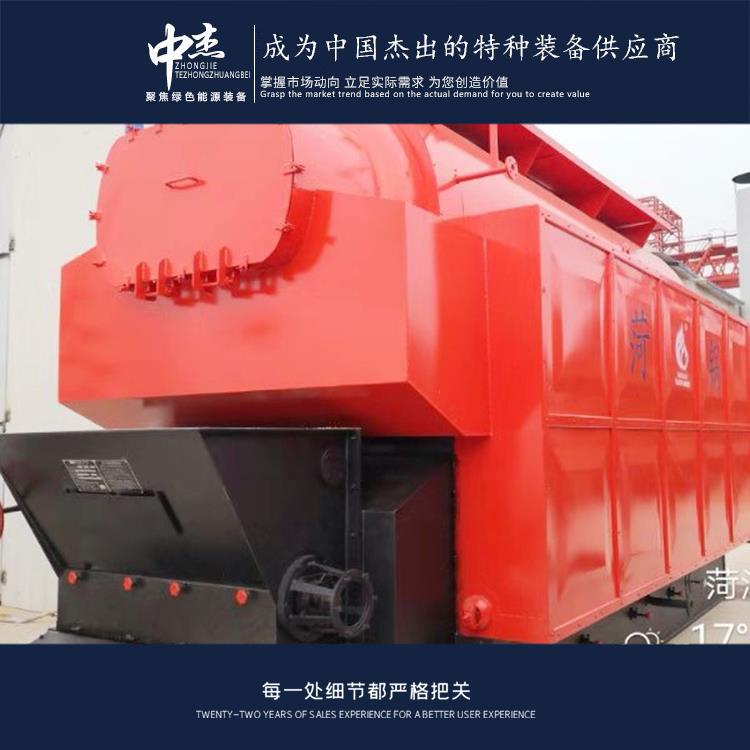
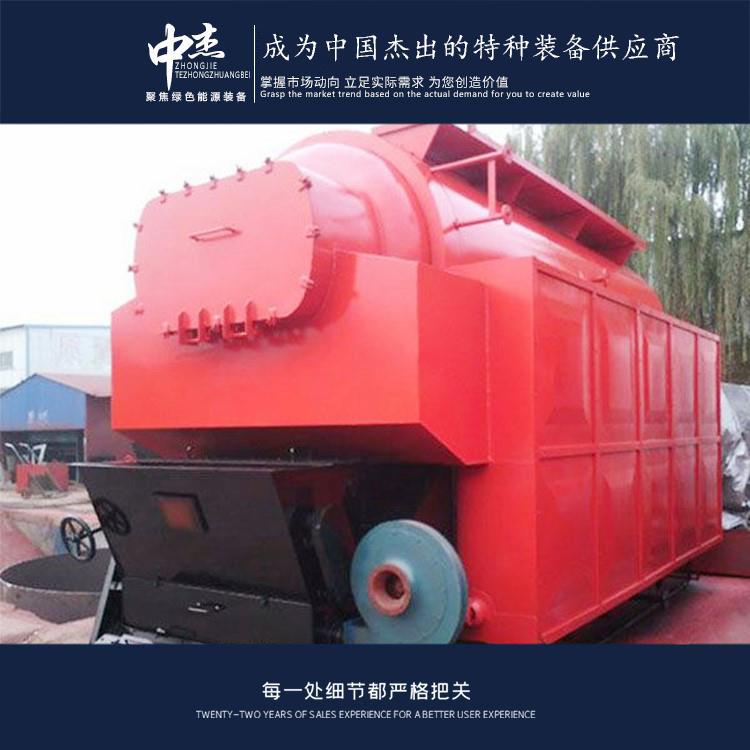
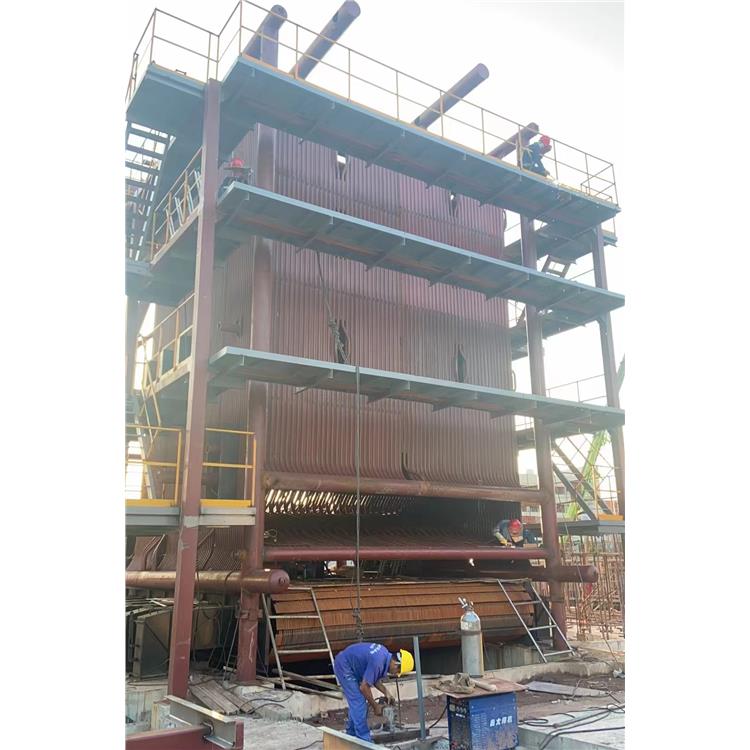
Shandong Zhongjie Special Equipment (formerly Heze Boiler Factory Co., Ltd.) was established in 2001, located at No. 2218 Jinnan Road, Development Zone, Heze City, with a registered capital of 50 million yuan and total assets of 500 million yuan. The company has 7 business centers: boilers, deep-freeze containers, pressure vessels, central air conditioning, engineering installation, international trade, and Internet of Things. It has three factory sites on Jinnan Road, East Changjiang Road, and Bohai Road, covering a total area of 200,000 square meters, with the main workshop spanning 83,000 square meters. It currently employs 710 people, including 247 engineers and technicians, and 82 intermediate-level technicians. In December 2016, it was recognized as a "High-tech Enterprise" by the Science and Technology Department. In June 2021, it was identified as a "Specialized and New Enterprise in Shandong Province" by the Ministry of Industry and Information Technology. In June 2022, it was recognized as a "Gazelle Enterprise in Shandong Province" and in August 2022, it was identified as a "Specialized and New Small Giant Enterprise" by the Ministry of Industry and Information Technology.
The performance of the biomass hot water boiler's air regulating door can be enhanced through the following structural improvements:
Material Selection: The construction of the air调节 door should be made of materials that can withstand high temperatures and corrosion, such as stainless steel or heat-resistant alloys. This ensures the long-term stable operation of the air调节 door under high-temperature and corrosive environments.
Structure Design: The structural design of the air regulating door should be rational, including the arrangement and connection methods of the door panels, bearings, and transmission devices. The door panels should have good sealing performance, capable of effectively controlling the flow of combustion air. The transmission device should be flexible and reliable, easy to operate and adjust.
Airflow Regulation: The design of the air control door should allow for effective airflow regulation. This can be achieved through adjustable door blade angles or openings, by changing the position or angle of the door blade to control the air flow to the combustion. Additionally, consider installing airflow regulation devices such as an airflow meter or pressure sensor to monitor and adjust the air flow to the combustion in real-time.
Temperature Control: For biomass hot water boilers, consider installing a temperature sensor near the air control door to monitor the combustion chamber temperature in real-time. By connecting to the control system of the air control door, the opening of the door can be automatically adjusted according to temperature changes to maintain stable temperature within the combustion chamber.
Safety Protection: The design of the air regulating door should incorporate safety measures, such as over-load protection devices or limit switches, to prevent excessive opening or closing of the door, which could lead to unstable combustion or other safety issues.
Through the above structural improvements, the performance and reliability of the biomass hot water boiler's air adjustment door can be enhanced, achieving better combustion air regulation and improving the boiler's thermal efficiency and stability.
Chain biomass chain boiler is a common type of biomass boiler, its working principle and process are as follows:
Fuel Supply: Biomass fuels (such as wood chips, straw, etc.) are transported to the combustion chamber of the chain boiler via the feeding system.
The combustion process: Fuel is ignited in the combustion chamber while the chain boiler's chain system starts operating. The fuel is gradually pushed forward by the chain movement, simultaneously burning within the combustion chamber. During combustion, the fuel is thoroughly mixed with air, and the heat energy produced is transferred to the boiler's water or other working substance.
Flue Gas Emission: The flue gas produced by combustion is channeled through the flue system of the combustion chamber and released into the chimney. During the flue gas emission process, treatment can be conducted using flue gas purification equipment to reduce the particulate matter and gas pollutants emitted.
Heat Recovery: The heat generated from combustion is transferred to water or other working substances through the heat exchanger of the boiler, raising their temperature. After heat recovery, the hot water or steam can be used for heating, hot water supply, or other industrial processes.
Control System: Chain biomass chain boilers are typically equipped with an automatic control system for monitoring and adjusting parameters such as temperature, pressure, and fuel supply during the combustion process. The control system can automatically adjust according to actual needs to ensure the safe operation and performance of the boiler.
Overall, biomass chain grate boilers gradually feed biomass fuel into the combustion chamber through a chain system for combustion. The thermal energy is transferred to water or other working substances via heat exchangers, achieving heat recovery and utilization. These boilers boast high combustion efficiency and strong fuel adaptability, and are widely used in heating, industrial heating, and other fields.
Slagging in biomass boilers refers to the solid residue formed from the ash and other impurities in the fuel during the combustion process at high temperatures. Slagging is a common issue in the operation of biomass boilers and may affect their heat transfer and combustion efficiency. Here is a brief discussion on slagging in biomass boilers:
Coke Formation Cause: The biomass fuel contains a high ash content, and the ash may include some sticky substances that melt easily at high temperatures and adhere to the heat exchange surface of the boiler, forming scale. Moreover, certain elements in the biomass fuel, such as calcium, can also promote the formation of scale.
Slagging Impact: Slagging obstructs heat transfer in boilers, reducing combustion efficiency and increasing energy consumption. It can also lead to higher boiler temperatures, accelerate corrosion of metal materials, and shorten the lifespan of the boiler.
Preventive and corrective measures: To prevent and address the slagging issue in biomass boilers, the following measures can be taken:
Fuel Pretreatment: Pre-treat biomass fuel through processes such as drying, sieving, and decontamination to reduce ash and salt content in the fuel, thereby minimizing the risk of slagging.
Control combustion conditions: Reasonably control parameters such as the temperature, oxygen content, and combustion rate of biomass combustion to avoid excessive temperatures and oxygen, and reduce slagging.
Cleaning and Maintenance: Regularly clean the boiler's interior of accumulated dust and dirt to maintain cleanliness. During the cleaning process, use appropriate cleaning agents and tools to remove internal dirt and prevent slag formation.
Preventing malfunctions is crucial for maintaining the smooth operation of biomass hot water boilers. Here are some methods for preventive maintenance:
Regular Inspections and Maintenance: Conduct regular checks and maintenance on biomass hot water boilers, including cleaning, lubricating, and securing. Verify that all components and connections of the boiler are functioning properly, ensuring it remains in good working condition.
Clean Combustion System: Regularly clean the combustion system, including the combustion chamber, burners, and burner nozzles. Remove ash, sediment, and dirt to maintain the system's free flow, preventing incomplete combustion and unstable flames.
Inspect Water Quality: Regularly check the water quality of the biomass hot water boiler, including water hardness, alkalinity, and impurities. Implement appropriate water treatment measures based on the water quality to prevent scale and corrosion, and protect the boiler's heat exchangers and pipes.
Cleaning Heat Exchangers: Regularly clean the heat exchangers of biomass hot water boilers to remove dirt and dust. Accumulated dirt and dust can reduce the heat transfer efficiency of the heat exchangers, affecting the boiler's thermal efficiency and operational stability.
Inspect Safety Valves and Pressure Gauges: Regularly check and test the biomass hot water boiler's safety valves and pressure gauges to ensure their proper operation. The proper functioning of the safety valves and pressure gauges is crucial for ensuring the safety and stability of the boiler.
Maintain accurate records and monitoring: Document operational parameters and fault conditions of the biomass hot water boiler, and conduct monitoring and analysis. Promptly identify and address issues to prevent故障 from occurring and escalating.
Zhongjie Special Equipment upholds the grand vision of "realizing employees' dreams, creating value for customers, and striving for the prosperity and strength of our motherland," and is dedicated to the development of the green energy equipment industry. We offer society high-quality products and services at competitive prices!
Heilongjiang Biomass Boiler Manufacturer | Manufacturer
