


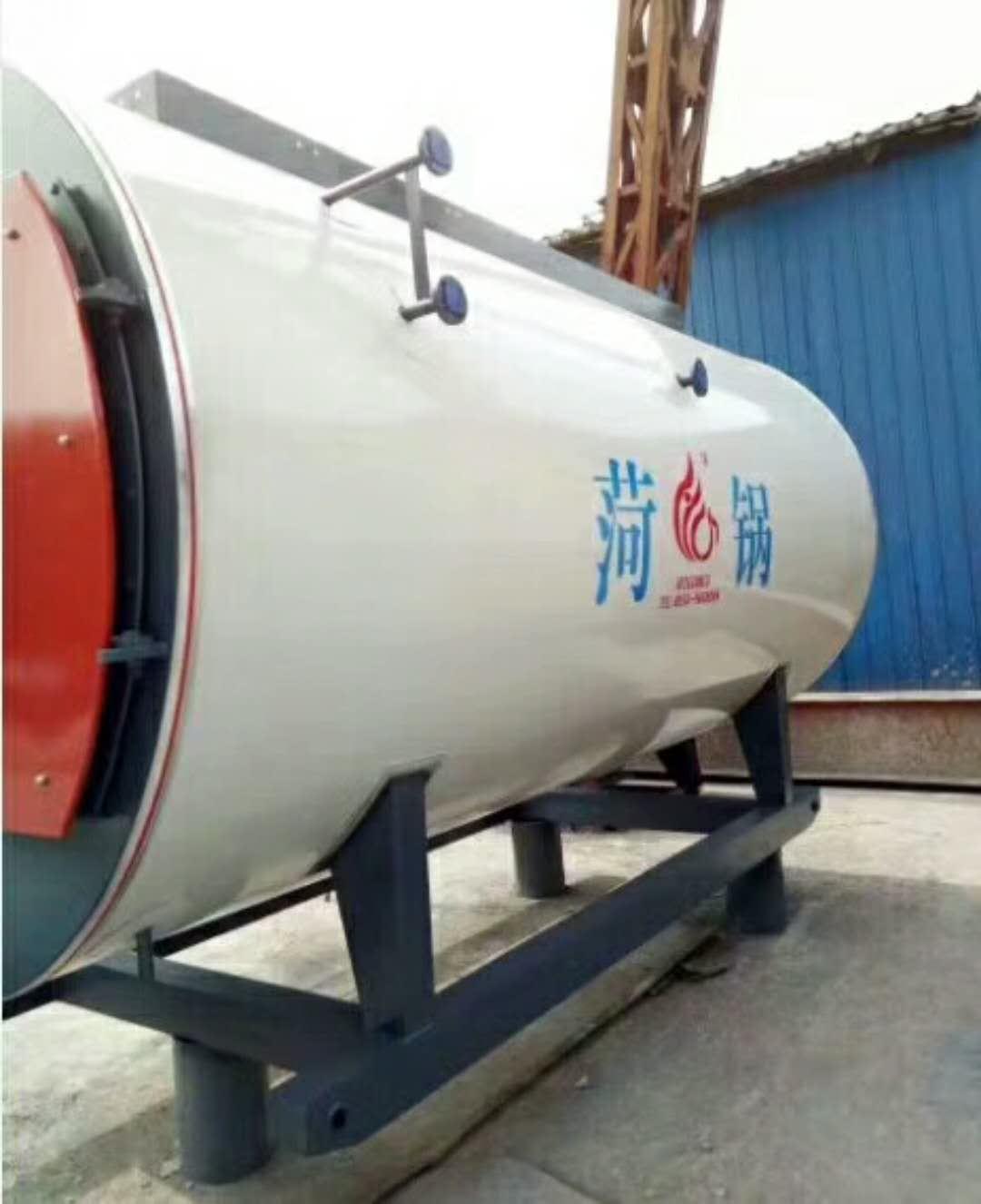
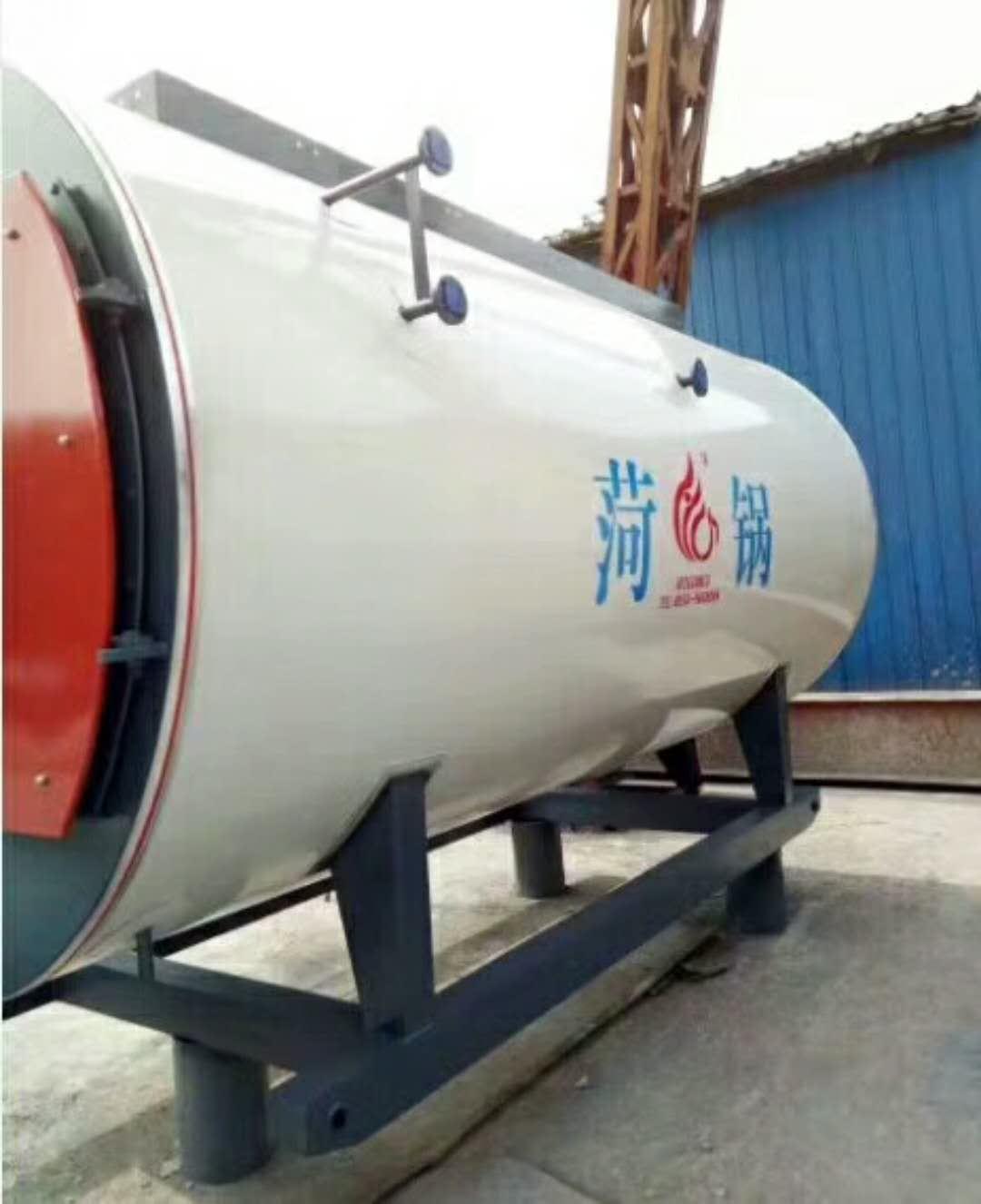
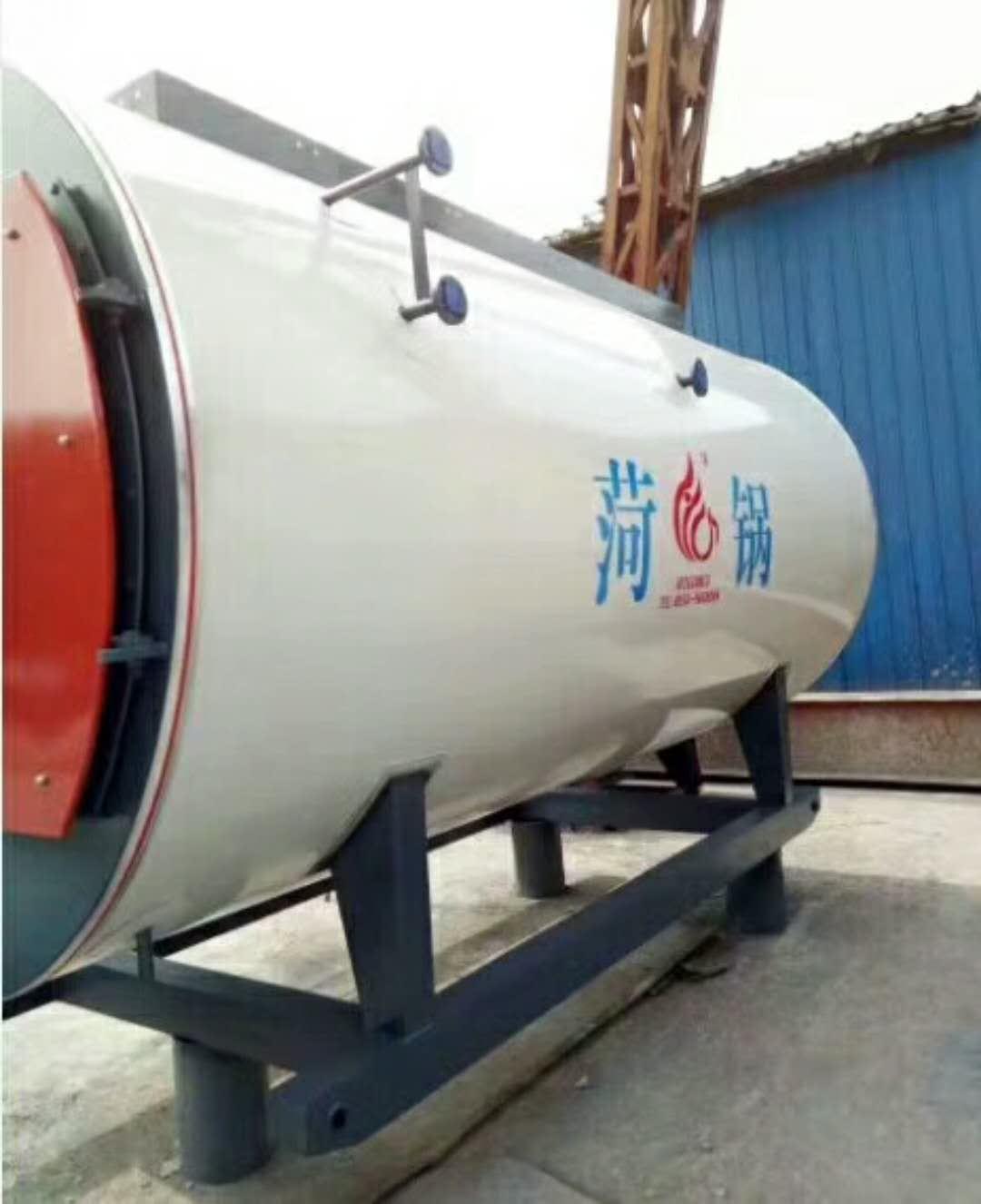
Shandong Zhongjie Special Equipment (formerly Heze Boiler Factory Co., Ltd.) holds an A-grade boiler manufacturing license, A2-grade pressure vessel manufacturing license, A2-grade pressure vessel design license, B-grade boiler installation, and GB2/Class, GC2/Class pressure pipeline installation licenses, as well as equipment and machinery installation contracting qualifications. It is a member of the China Boiler and Water Treatment Association, the China Chemical Equipment Association, and the理事 unit of the Shandong Equipment Manufacturing Association. The company has also passed the ISO9001 Quality Management System, ISO14001 Environmental Management System, OHSAS18001 Occupational Health and Safety Management System certifications, and the American ASME/U2 certification.
Liquid oxygen tanks are used for storing and supplying liquid oxygen as fuel and oxidizer, playing a crucial role in launch propulsion systems and more. Industrial Production: Liquid oxygen is used as an oxidizer in industrial production for processes such as combustion, oxidation, and oxygen supply. Liquid oxygen tanks are used to store and supply liquid oxygen to meet the needs of industrial applications like metal cutting, welding, and chemical reactions. Equipment: Liquid oxygen tanks are used to supply oxygen for applications such as oxygen therapy, oxygen inhalation, and operating rooms. These tanks provide high-purity oxygen while maintaining low temperatures to meet the equipment's oxygen requirements. Laboratory Research: Liquid oxygen tanks are used in scientific research and laboratories to provide liquid oxygen as experimental materials and reagents. The low temperature and high purity of liquid oxygen make it widely applicable in laboratories, such as materials science, chemical reactions, and biomedical research. In summary, liquid oxygen tanks are crucial in various fields including industrial production, equipment, and laboratory research, providing storage and supply functions for liquid oxygen at the application sites.
The use of low-temperature liquid storage tanks requires attention to the following matters:
Safe Operation: Operators must undergo training to understand the operational procedures and safety precautions for the storage tank. Adhere to the correct operational steps to ensure safe operation.
Protective Gear: Operators must wear appropriate protective gear, such as insulated clothing, gloves, etc., to safeguard against harm from low-temperature liquids.
Leak Protection: Regularly inspect the tanks and associated pipelines for sealing integrity to prevent leakage of low-temperature liquids. Keep the area around the tanks clean to avoid debris obstructing leak detection and handling.
Fire Protection: Low-temperature liquids are highly flammable and fire precautions must be taken. Maintain a fire-free environment around storage tanks, prohibit smoking and open flames. Equip with appropriate fire-fighting equipment to address fire risks.
Pressure Control: Regularly inspect and maintain the pressure control system of the storage tank to ensure the pressure inside is within a safe range. Safety valves and pressure sensors, among other equipment, should operate normally and any abnormal pressure situations should be detected and addressed promptly.
Insulation Protection: Low-temperature liquid storage tanks should be equipped with effective insulation to minimize heat transfer and liquid evaporation. The selection and installation of the insulation should comply with relevant standards and requirements.
Regular Inspections and Maintenance: Conduct regular inspections of the tank's exterior and interior, including checking for leaks, corrosion, wear, or other damage. Pay special attention to inspecting the tank's interfaces, valves, and pipelines to ensure they are functioning properly.
Emergency Preparedness: Develop an emergency response plan including measures for leaks, fires, and other unforeseen incidents. Operators should be familiar with the emergency response plan and be equipped with appropriate emergency equipment and firefighting supplies.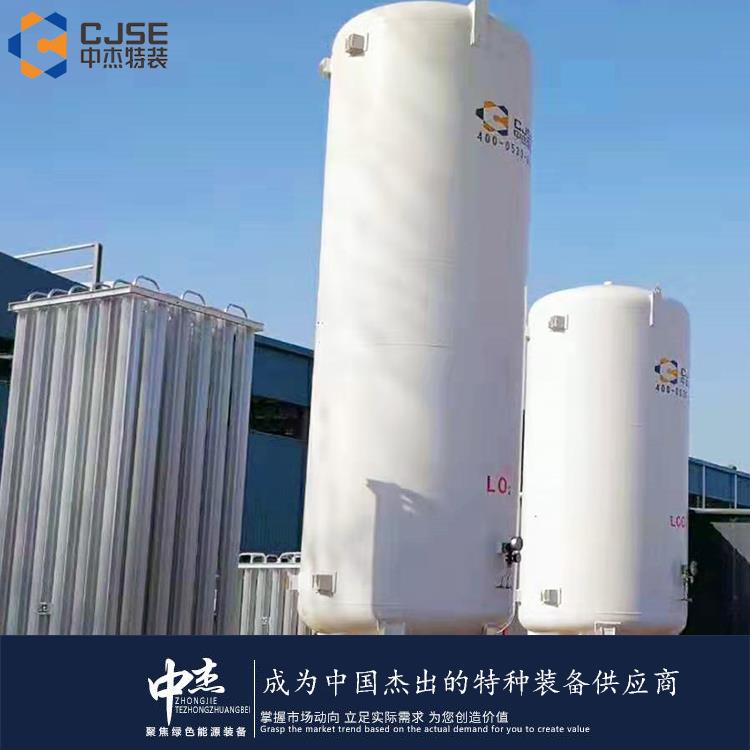
Operation procedures for liquid oxygen storage tanks should be established based on specific tank design and usage requirements. The following are some common contents of general operation procedures for liquid oxygen storage tanks:
- Operator Training: Ensure operators have received relevant training for liquid oxygen storage tanks, understanding the tank's structure, performance, operation procedures, and safety precautions.
- Safety Inspections: Conduct necessary safety checks before operating the liquid oxygen storage tank, including checking the tank's integrity, the sealing of valves and pipes, and the condition of the insulation layer.
- Liquid Oxygen Supply: Ensure the liquid oxygen supply system is functioning properly, including inspecting the status of liquid oxygen supply pipes, valves, and pressure gauges, and ensuring an adequate supply of liquid oxygen.
- Tank Pressure Control: Monitor the pressure of the liquid oxygen storage tank to ensure it remains within a safe range. If necessary, control the tank's pressure by adjusting pressure valves or pressure relief devices.
- Leak Control: Regularly check the sealing of the tank and pipes to ensure there are no leaks. In case of a leak, take immediate measures for leak control and notify relevant personnel.
- Fire Prevention Measures: Prohibit open flames and prevent sparks and high-temperature objects from contacting the tank around the storage tank. Establish fire prevention facilities and firefighting equipment, and conduct regular inspections and maintenance.
- Safety Distance: Maintain a certain safety distance around the liquid oxygen storage tank to prevent the spread of fires, explosions, and leaks.
- Maintenance and Repair: Regularly perform maintenance and repairs on the tank, including cleaning the tank, inspecting the insulation layer, valves, and pipes, to ensure the tank operates normally.
- Waste Disposal: Properly dispose of waste generated by the liquid oxygen storage tank, including liquid oxygen residues, waste gases, and waste liquids, following relevant environmental protection regulations and standards.
Note that operation procedures for liquid oxygen storage tanks should be established based on specific tank design and usage requirements and should comply with applicable regulations, standards, and safety guidelines. When operating liquid oxygen storage tanks, cooperate with local regulatory agencies and individuals to ensure the tank's safety and reliability.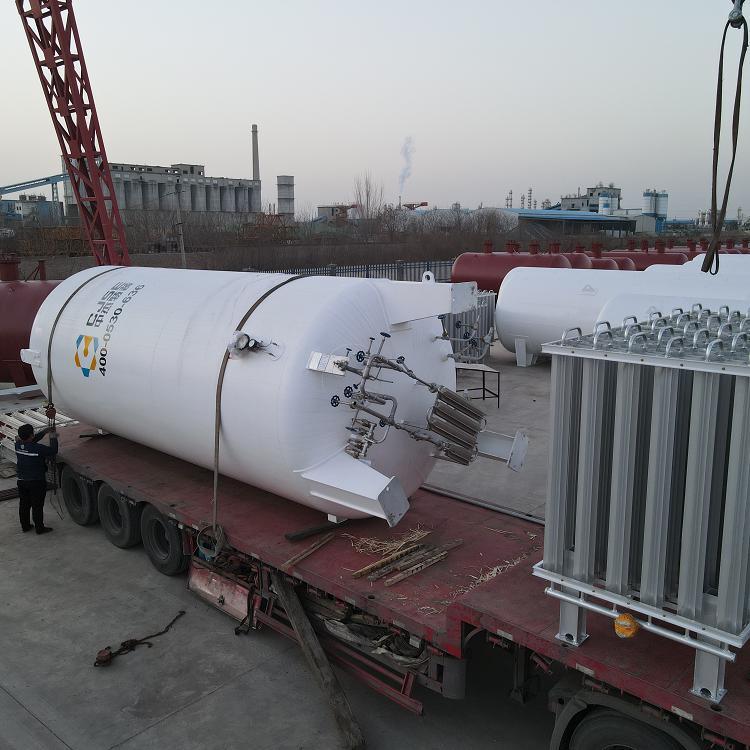
Carbon dioxide tanks and liquid oxygen tanks are containers used for storing different gases; they have some distinct physical properties:
Physical State: Carbon dioxide is a gas at room temperature and pressure, and it needs to be cooled and pressurized to become liquid. Liquid oxygen is a liquid at room temperature, and it needs to be cooled further to solidify.
Boiling and freezing points: The boiling point of carbon dioxide is -78.5 degrees Celsius, and its freezing point is -56.6 degrees Celsius. The boiling point of liquid oxygen is -183 degrees Celsius, and its freezing point is -218.8 degrees Celsius. The boiling and freezing points of liquid oxygen are significantly lower than those of carbon dioxide.
Density: The density of liquid oxygen is high, approximately 1.14 grams per cubic centimeter. The density of carbon dioxide is lower, around 0.00198 grams per cubic centimeter. The density of liquid oxygen is about 570 times that of carbon dioxide.
Pressure: Liquid oxygen has a high pressure, typically ranging from tens to hundreds of MPa (MegaPascals). Carbon dioxide has a lower pressure, usually in the range of a few MPa (MegaPascals).
Safety: Liquid oxygen has a high oxygen content, which is easily ignitable and explosive. Carbon dioxide also poses asphyxiation and suffocation risks at certain concentrations.
Note that carbon dioxide and liquid oxygen are highly flammable and explosive substances. Strict adherence to relevant safety operating procedures and standards, along with necessary safety measures, is required to ensure the safety and stability of storage tanks.
Shandong Zhongjie Special Equipment, welcome customers to our factory for business discussions.
Zhangye 5 cubic meter liquid argon storage tank - Over 20 years of experience for added peace of mind
