


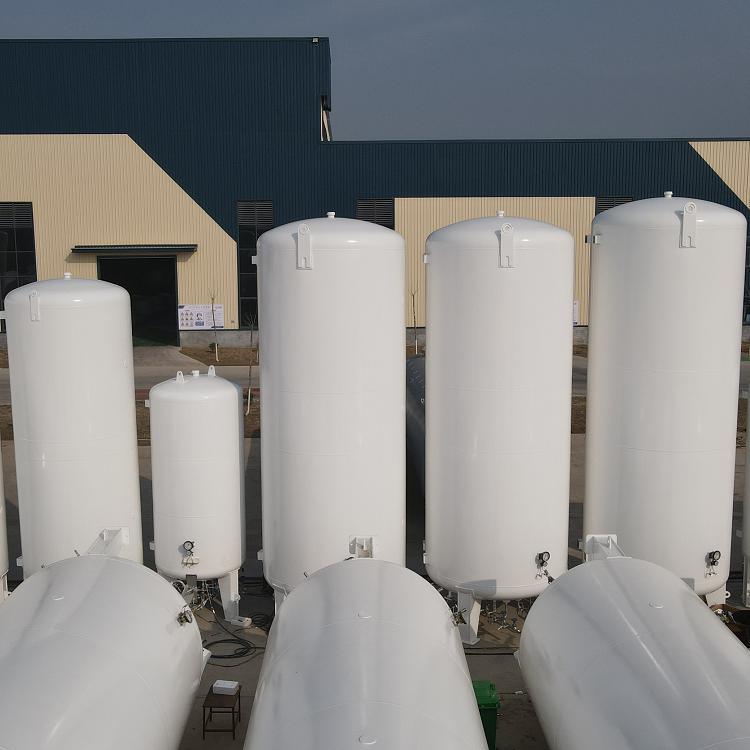
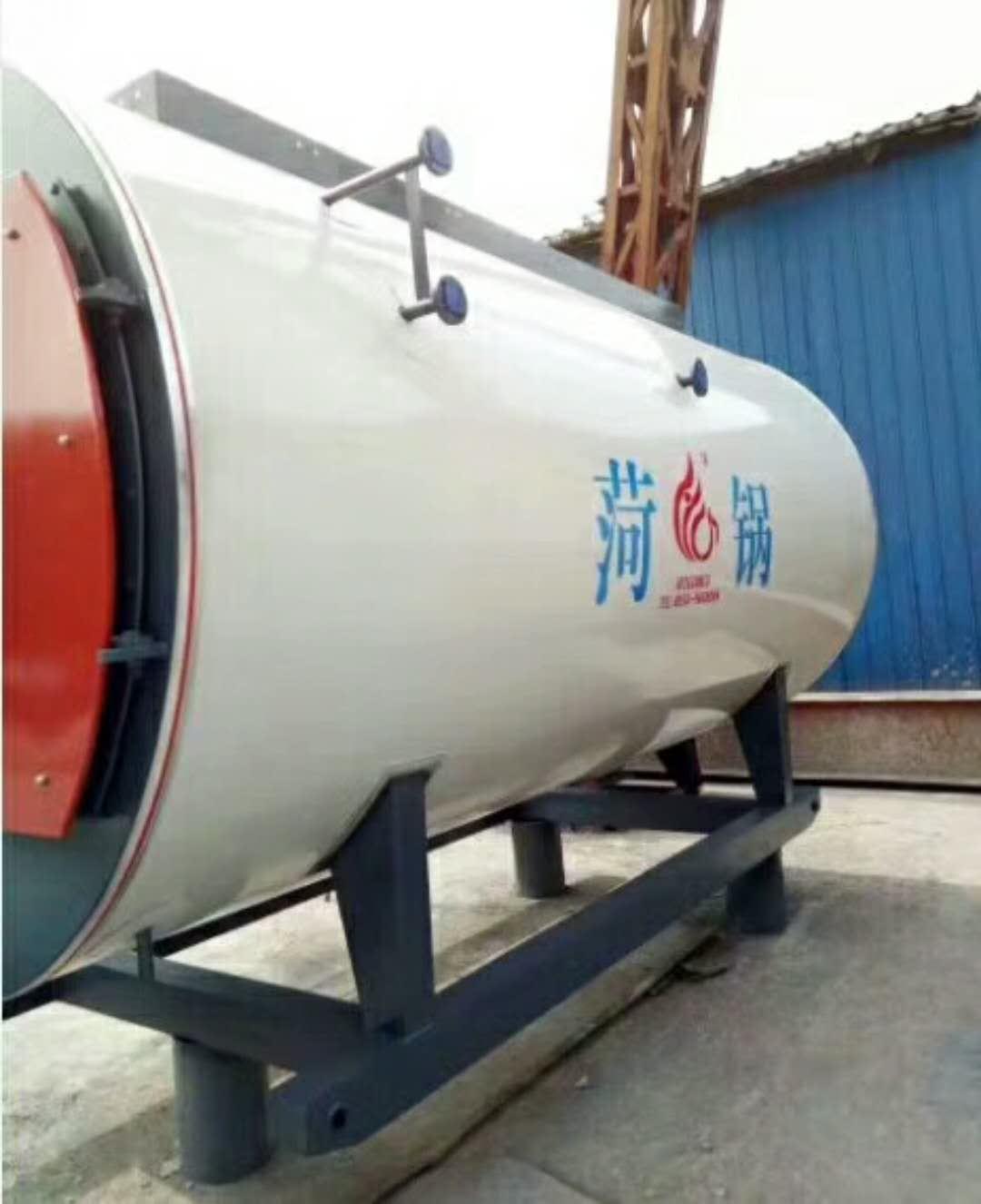
Shandong Zhongjie Special Equipment Co., Ltd. specializes in the following products: fuel (gas) boilers, organic heat carrier boilers, biomass boilers, waste heat boilers, and other boiler products; vacuum insulated cryogenic pressure vessels such as LNG storage tanks, oxygen-nitrogen-argon storage tanks, CO2 storage tanks, etc.; pressure vessel products including denitrification engineering equipment, heat storage and energy storage equipment, complete chemical equipment sets; central air conditioning and HVAC equipment such as ground (water) source heat pumps, air-source units, water-cooled screw units, and air-cooled modular units. Planned products include large-scale energy centers, LNG transport vehicles, LNG tank containers, and other green energy equipment.
To safely utilize liquid oxygen tanks, attention should be given to the following aspects:
Training: Operators of liquid oxygen tanks must receive training on the properties of liquid oxygen, safe operating procedures, and emergency response measures. Only trained personnel are authorized to handle liquid oxygen tanks.
Safety Operating Procedures: Establish and adhere to the safety operating procedures for liquid oxygen tanks, including proper operational procedures, protective measures, and emergency response plans. Ensure operators follow the procedures to minimize accident risks.
Equipment Inspection and Maintenance: Regularly inspect the condition of liquid oxygen tanks and related equipment, including valves, pipes, pressure gauges, etc. Ensure the equipment is in perfect condition and promptly repair or replace any damaged parts.
Leakage Control: Equipped with leak detection and alarm systems to promptly identify and control leaks in liquid oxygen storage tanks. Upon detection of a leak, immediate measures should be taken to contain the source of the leak and proceed with repairs.
Fire Prevention Measures: Liquid oxygen contains a high oxygen content, which is prone to causing fires. Measures such as setting up fire barriers around liquid oxygen storage tanks and using fire-retardant coatings are taken to prevent fires from occurring and spreading.
Static Protection: Electrostatic buildup in liquid oxygen tanks may cause sparks, increasing the risk of fire. Measures such as using static-conductive materials and anti-static equipment are taken to reduce the accumulation and release of static electricity.
Ventilation Requirements: Ensure adequate ventilation within the enclosed space of the liquid oxygen storage tank to expel gases produced by the evaporation of liquid oxygen. Avoid excessive oxygen concentration and minimize...
Maintenance and care are crucial for ensuring the safety of low-temperature storage tanks. Here are some common maintenance measures:
Regular Inspections: Conduct regular checks on low-temperature storage tanks, including examinations of the exterior, internal structure, corrosion-resistant coatings, etc. Look for issues such as cracks, corrosion, and wear, and promptly identify and repair potential safety hazards.
Cleaning and De-icing: Regularly clean the external surface and internal structure of the low-temperature storage tank to remove accumulated dirt and ice layers. The buildup of ice can lead to structural damage and corrosion, while cleaning and de-icing can extend the lifespan of the tank.
Level Monitoring: Regularly monitor the liquid level in low-temperature storage tanks to ensure it remains within the safe range. Excessive or low levels can lead to overpressure or over-vacuum in the tank, increasing safety risks.
Leak Detection: Install a leak detection system to regularly check for leaks in low-temperature storage tanks. Leaks can lead to the release and evaporation of liquids or gases, increasing safety risks.
Corrosion Protection Measures: Implement appropriate corrosion protection measures, such as coating protection and corrosion-resistant coatings, to safeguard the metallic structure of low-temperature storage tanks from corrosion damage.
Emergency Fault Handling: Establish an emergency fault handling mechanism to promptly address and repair issues with low-temperature storage tanks, in order to prevent accidents and their escalation.
Training and Development of Personnel: Train and develop operators and maintenance staff to ensure they possess the relevant knowledge and skills for the correct operation and maintenance of low-temperature storage tanks.
Note that maintenance and care should be tailored to the specific type of tank and usage conditions, adhering to relevant local regulations, standards, and specifications. During maintenance, it's recommended to consult with an engineer or seek guidance from relevant institutions to ensure the tank's safety and reliability.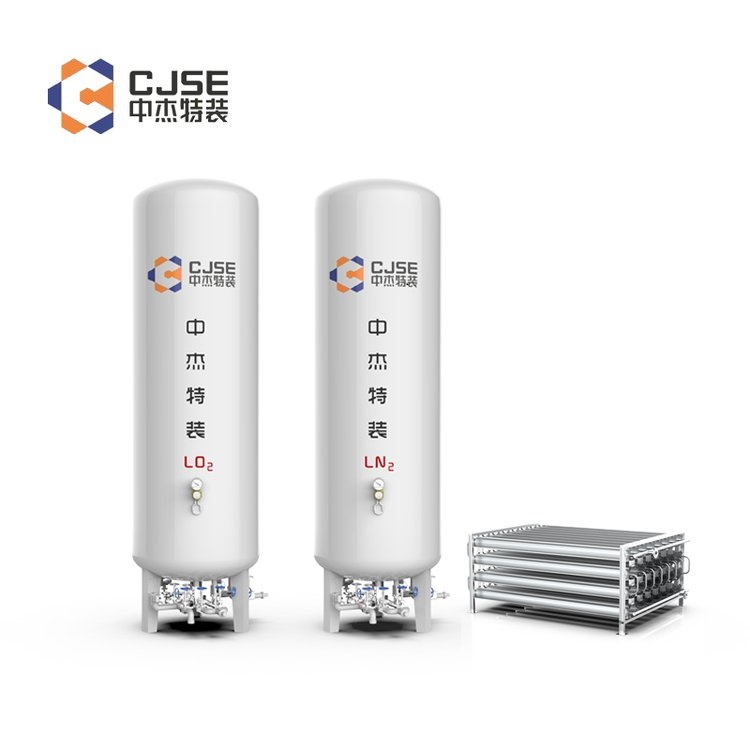
The normal pressure range for liquid oxygen tanks typically falls between 2-5 bar. This range refers to the oxygen pressure inside the tank, which is necessary to maintain the liquid oxygen in a liquid state. The design and manufacturing of liquid oxygen tanks must comply with relevant standards and specifications to ensure they can safely withstand this pressure range under normal operating conditions. It should be noted that the pressure in liquid oxygen tanks can be affected by various factors, such as the temperature of the liquid oxygen, tank design, and materials. In actual use, the normal pressure range for the tank should be determined based on the specific tank design and operational requirements, and operations and maintenance should adhere to relevant regulations and standards. Additionally, liquid oxygen tanks should be equipped with pressure control devices, such as pressure valves or relief devices, to ensure internal pressure remains within a safe range. These devices can automatically release gas when pressure exceeds the set value, ensuring the tank's safety. Regular inspections and maintenance of these pressure control devices should be conducted to ensure their proper functioning when using liquid oxygen tanks.
Liquid Argon Storage Tanks are equipment used for storing and transporting liquid argon, featuring the following characteristics:
Low-temperature retention performance: The liquid argon tank is equipped with special insulation materials and structural design, effectively maintaining the low temperature of liquid argon. The tank interior features an insulating layer, reducing heat conduction and loss, ensuring long-term storage of liquid argon.
High-seal performance: The liquid argon storage tank boasts excellent sealing properties, effectively preventing leaks and evaporation of liquid argon. The tank's valves, connectors, and seals, etc., are precision-designed and manufactured, ensuring reliable sealing performance.
High strength and corrosion resistance: The liquid argon tank is made of high-strength materials, capable of withstanding the high pressure and low temperature of liquid argon. Both the internal and external surfaces of the tank are specially treated for excellent corrosion resistance, capable of resisting corrosion and oxidation from liquid argon.
Safety Features: The liquid argon storage tank is equipped with multiple safety protection measures, such as safety valves, pressure sensors, and level monitoring devices. These devices can monitor and control the tank's pressure, temperature, and level to ensure the tank operates within a safe range.
Reliability and stability: The liquid argon storage tank undergoes rigorous design, manufacturing, and testing, offering excellent reliability and stability. The tank can store and transport liquid argon stably for extended periods, ensuring the quality and performance of the liquid argon are unaffected.
Easy to operate and maintain: The liquid argon tank is relatively simple to operate and maintain, equipped with valves and fittings that are easy to use. The maintenance work mainly includes regular inspections, cleaning, and repairs, which can extend the service life of the tank.
The performance features of the liquid argon storage tank make it an essential storage and transportation device for liquid argon, widely used in scientific research, industry, and other fields. When using the liquid argon storage tank, strict adherence to relevant operational specifications and safety requirements is necessary to ensure safe use.
Zhongjie Special Equipment upholds the grand vision of "realizing employees' dreams, creating value for customers, and striving for the prosperity and strength of our motherland," and is dedicated to the development of the green energy equipment industry. We commit to society with high-quality, cost-effective products and services!
Tangshan Oxygen Storage Tanks, Various Models
