


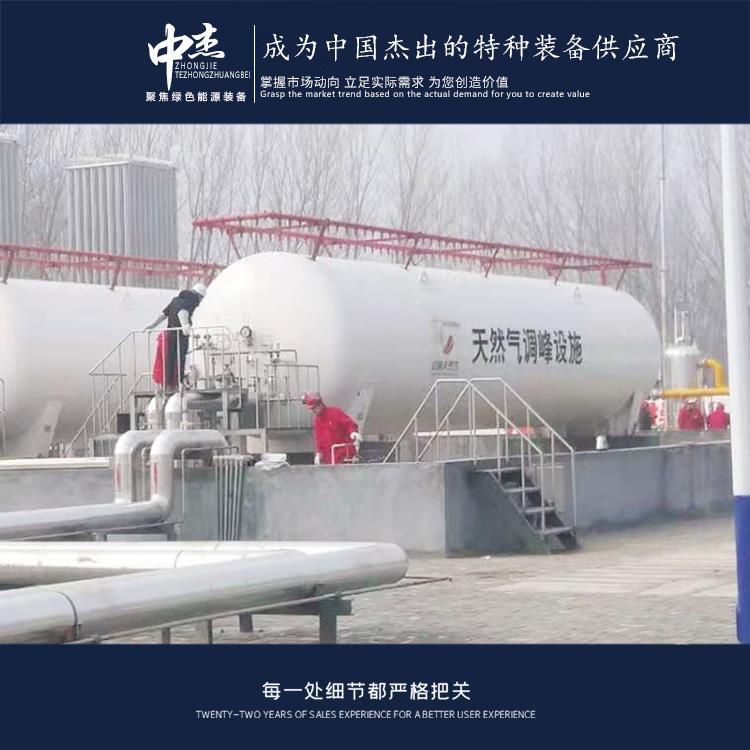
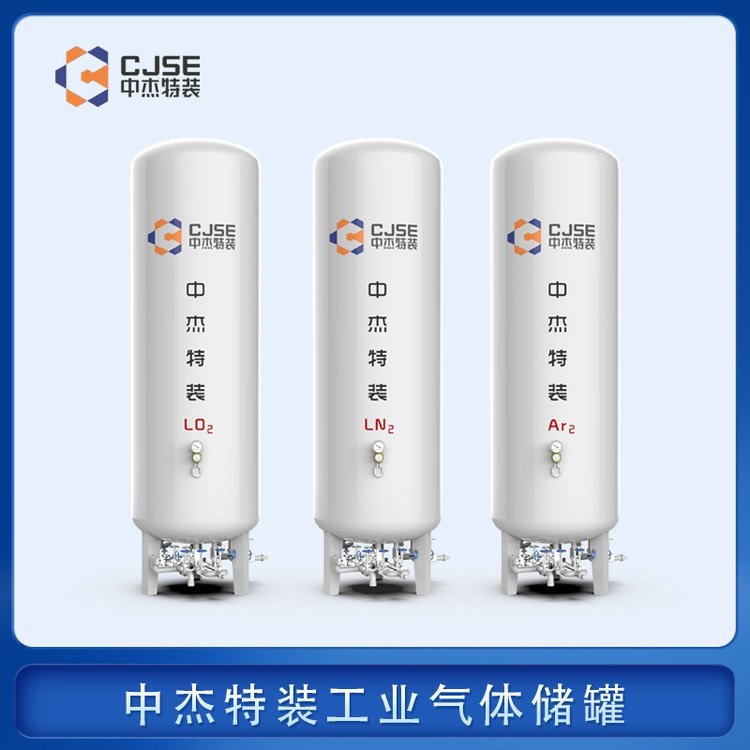

Shandong Zhongjie Special Equipment (formerly Heze Boiler Factory Co., Ltd.) holds an A-grade boiler manufacturing license, an A2-grade pressure vessel manufacturing license, an A2-grade pressure vessel design license, a B-grade boiler installation license, and GB2/Class and GC2/Class pressure pipeline installation licenses, as well as an electromechanical equipment installation contracting qualification. It is a member of the China Boiler and Water Treatment Association, the China Chemical Equipment Association, and the council member of the Shandong Equipment Manufacturing Association. The company has also passed certifications for the ISO9001 Quality Management System, ISO14001 Environmental Management System, OHSAS18001 Occupational Health and Safety Management System, and the American ASME/U2 certification.
Under China's "Regulations for the Safety Supervision of Pressure Vessel Technology," carbon dioxide storage tanks are classified as Category II pressure vessels. According to these regulations, pressure vessels are categorized as follows: Category I pressure vessels: Pressure vessels with working pressures of 10 MPa (megapascals) or more, such as steam boilers and pressure vessels. Category II pressure vessels: Pressure vessels with working pressures of 0.1 MPa or more but less than 10 MPa, such as air compressors and liquefied gas storage tanks. Category III pressure vessels: Pressure vessels with working pressures of 0.05 MPa or more but less than 0.1 MPa, such as storage tanks. Category IV pressure vessels: Pressure vessels with working pressures less than 0.05 MPa, such as gas cylinders. Based on this classification, carbon dioxide storage tanks typically have working pressures above 0.1 MPa, thus falling under Category II pressure vessels. It is important to note that specific classification criteria may vary depending on different regions' regulations and standards. When using and managing carbon dioxide storage tanks, it is necessary to comply with the corresponding legal and standard requirements.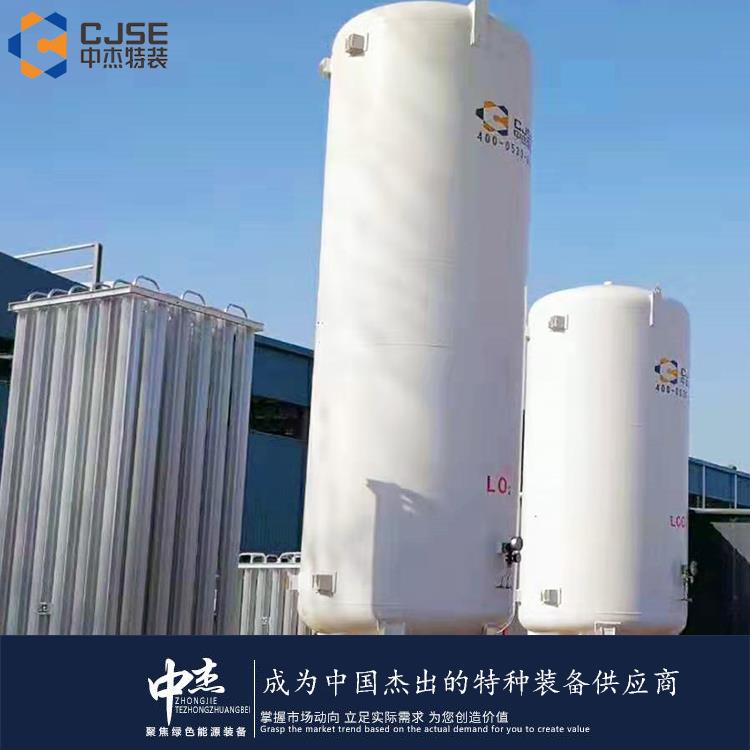
The application standards for liquid carbon dioxide storage tanks primarily include the following aspects: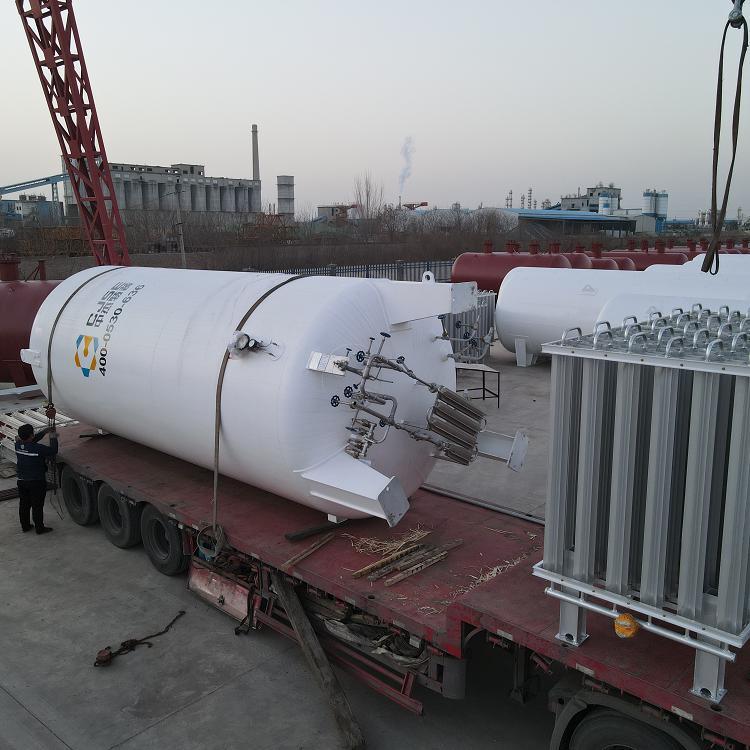
The reasons for not leaving a carbon dioxide tank empty for extended periods are mainly as follows:
1. Safety Risks: Carbon dioxide is a high-pressure gas that must maintain a certain pressure within the tank to remain in a liquid state. Releasing the carbon dioxide in the tank to the atmosphere over a long period can lead to a decrease in tank pressure, potentially causing structural failure or explosions, posing safety risks.
2. Resource Wastage: Carbon dioxide is a valuable resource with widespread applications in industry and other fields. Leaving the carbon dioxide tank empty for long periods is a waste of resources and does not align with sustainable development principles.
3. Environmental Impact: Carbon dioxide is a greenhouse gas, and leaving it empty for extended periods increases its concentration in the atmosphere, exacerbating climate change and environmental issues.
Therefore, to ensure safety, conserve resources, and protect the environment, carbon dioxide tanks should be used and managed according to specified procedures and requirements, avoiding long-term emptiness. When carbon dioxide in the tank is no longer needed, appropriate disposal methods should be employed, such as recycling, reuse, or safe discharge.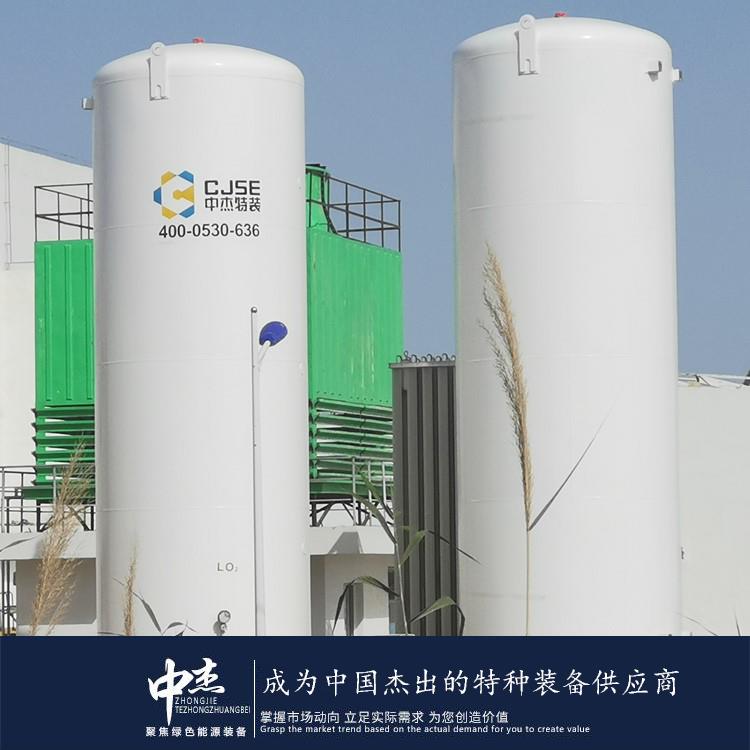
Carbon dioxide tanks are widely used in many different industries. Here are some common applications:
Food and Beverage Industry: Carbon dioxide tanks are utilized in the production of carbonated drinks, beer, soda, etc., in the food and beverage industry. Carbon dioxide is injected into the beverages to enhance their fizz and taste.
Medical Industry: In the medical field, carbon dioxide tanks are used for applications such as anesthesia, respiration, and emergency care. Liquid carbon dioxide can be used to create refrigerants for freezing and preserving biological samples and tissues.
Fire Suppression: Carbon dioxide tanks are employed in fire suppression systems within the fire industry. Carbon dioxide is released at the scene of a fire to extinguish flames by suppressing oxygen supply.
Gas Supply: Carbon dioxide tanks also supply CO2 gas for industrial and commercial uses, such as welding, gas shielding, semiconductor manufacturing, and water treatment.
Climate Control: In greenhouses and indoor plant cultivation, carbon dioxide tanks are used to control and increase the CO2 concentration for plant growth.
Additionally, carbon dioxide tanks can be used in other industries, such as the automotive industry (for airbag systems) and other industries (for propellants and gas supply).
It's important to note that the requirements and applications for carbon dioxide tanks may vary by industry. When using carbon dioxide tanks, it's essential to comply with relevant regulations and standards, ensuring that the design, manufacturing, and use of the tanks meet the necessary requirements.
Shandong Zhongjie Special Equipment, welcome customers to our factory for business discussions.
Wafu 100 cubic meter CO2 storage tank, high cost-performance ratio
