


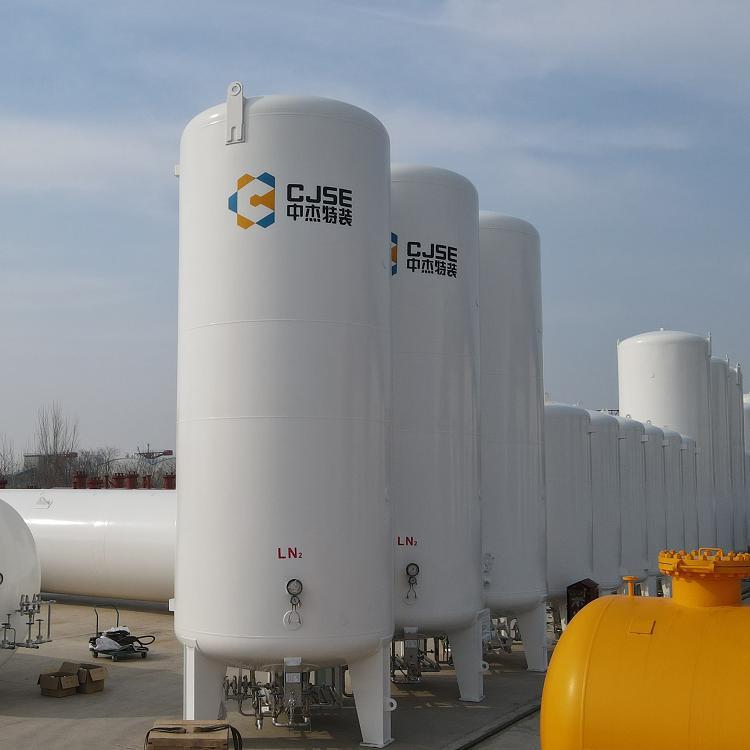
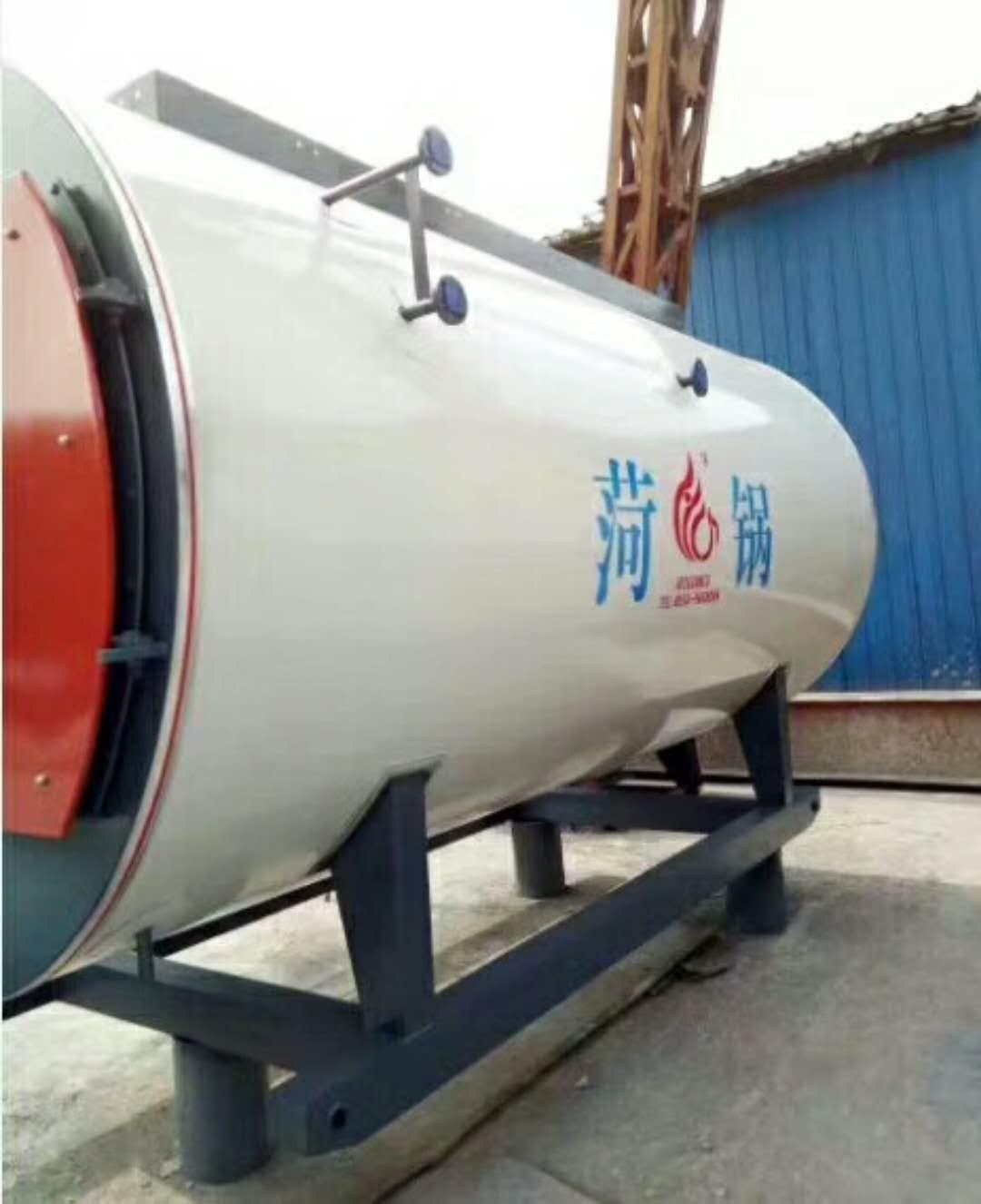

Shandong Zhongjie Special Equipment's main products include: fuel (gas) boilers, organic heat carrier boilers, biomass boilers, waste heat boilers, and other boiler products; vacuum insulation deep-freeze pressure vessels such as LNG tanks, oxygen/nitrogen/argon tanks, and CO2 tanks; pressure vessel products such as denitrification engineering equipment, heat storage and energy storage equipment, and complete chemical equipment; central air conditioning and ventilation equipment such as ground (water) source heat pumps, air source units, water-cooled screw units, and air-cooled modular units. Planned products include large-scale energy centers, LNG transport vehicles, LNG tank containers, and other green energy equipment.
Urea synthesis from carbon dioxide is a significant chemical reaction with several applications:
- Urea Production: Urea is a vital nitrogen fertilizer and chemical, widely used in both agricultural and industrial sectors. Carbon dioxide synthesis is one of the commonly used methods for urea production. In this process, carbon dioxide reacts under high temperature and pressure to form urea. This method utilizes carbon dioxide resources, reducing reliance on fossil fuels used in traditional urea production.
- Urea Fuel: Urea can serve as a urea fuel for internal combustion engines and combustion equipment. By heating and decomposing urea, it releases energy that reacts with oxygen in the air to produce combustion heat. This combustion process only produces water vapor and nitrogen as by-products, minimizing environmental pollution.
- Chemical Synthesis: Urea is an essential raw material for the synthesis of many chemicals. Carbon dioxide synthesis of urea provides a sustainable supply for the chemical industry, used in the production of other chemicals such as plastics, resins, paints, etc.
- Energy Storage: Urea can also act as an energy storage medium. By synthesizing urea from carbon dioxide, energy can be stored in the form of chemical bonds. When energy is needed, the stored energy can be released by decomposing urea, which then reacts with oxygen in the air to produce combustion heat and release the stored energy.
The development of carbon dioxide synthesis technology for urea aims to reduce dependence on fossil fuels used in traditional urea production methods, lower greenhouse gas emissions, and promote the development of sustainable agriculture and the chemical industry. However, this technology is still under development and research, requiring further technological breakthroughs and practical validation to achieve large-scale application.
In everyday use, CO2 storage tanks require protection and maintenance to ensure proper operation and safety. Here are some common protection and maintenance methods:
- Visual Inspection: Regularly inspect the tank's exterior for signs of corrosion, wear, or cracks. Take immediate repair actions upon detecting any anomalies.
- Sealability Check: Regularly verify the tank's sealing performance, particularly at valve and pipeline connections, and the tank's own seal. Ensure there are no leaks, and fix any that are found.
- Temperature Control: Maintain an appropriate ambient temperature around the tank and implement insulation measures to ensure the tank's internal低温 status.
- Pressure Relief Device Inspection: Regularly check the tank's pressure relief devices, such as safety valves, to ensure they are functioning properly. Verify that the set pressure meets requirements and perform regular maintenance and replacements.
- Level Monitoring: Regularly monitor the tank's liquid level to ensure accurate measurements. Take immediate action to investigate and address any abnormal levels.
- Regular Cleaning: Clean the tank's interior regularly to remove accumulated debris and dirt. Pay attention to safety during cleaning and avoid using flammable or corrosive substances.
- Regular Testing: Conduct regular pressure tests and leak detection on the tank to ensure safety performance meets standards. The frequency and methods should be in accordance with relevant regulations and standards.
- Storage Capacity Control: Control the tank's storage capacity to prevent exceeding the rated capacity. Exceeding the rated capacity can lead to excessive tank pressure, increasing safety risks.
Note that specific protection and maintenance methods may vary depending on the type of tank and its application.
When conducting routine inspections of carbon dioxide storage tanks, follow these steps:
- **Visual Inspection**: Check for any obvious damage, corrosion, or oil leakage on the tank's exterior. Pay attention to any anomalies in the tank shell, valves, and pipe connections.
- **Valve and Pipe Inspection**: Verify that the tank's inlet and outlet valves and pipe connections are functioning properly, with no leaks or loose fittings. Ensure valve operation is smooth and reliable.
- **Pressure Relief Device Check**: Inspect the tank's pressure relief devices (e.g., safety valves) for proper operation. Confirm that the set pressure of the relief devices meets requirements.
- **Level Measurement System Check**: Assess the accuracy and reliability of the level measurement system. Calibrate the level sensors to ensure accurate level readings.
- **Pressure and Temperature Check**: Confirm that the tank's pressure and temperature sensors are functioning correctly. Verify the accuracy of pressure and temperature measurements.
- **Safety Equipment Check**: Inspect the tank's safety equipment, such as safety valves, pressure sensors, and temperature sensors, for proper operation. Verify that their set parameters are in compliance.
- **Fire Protection Equipment Check**: Ensure that fire protection equipment around the tank is intact and that fire extinguishers, sprinkler systems, etc., are working correctly.
- **Liquid and Gas Quality Check**: Confirm that the carbon dioxide liquid and gas in the tank meet quality requirements, with no impurities or contaminants.
- **Documentation and Reporting**: Record the date of inspection, contents of the inspection, any issues found, and measures taken. Submit inspection reports to relevant departments or management as needed.
- **General Steps for Routine Inspections**: The above steps are general guidelines for inspecting carbon dioxide storage tanks. Specific procedures should be tailored to the tank's characteristics and requirements. When conducting inspections, follow relevant safety operating procedures and have trained personnel perform the operations.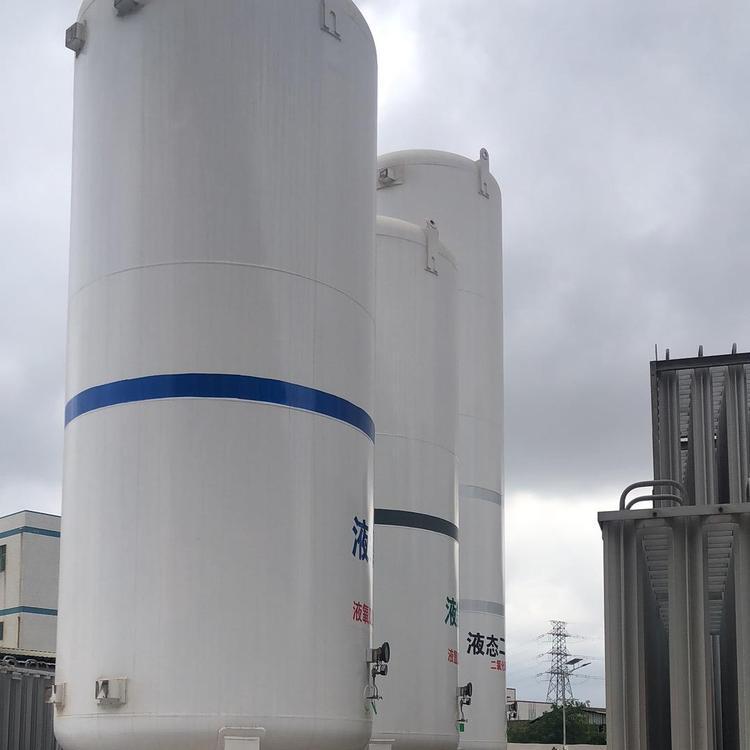
Carbon dioxide has several key applications in carbonated beverages:
1. Infusing Bubbles and Texture: Carbon dioxide is the key component responsible for creating bubbles and fizz in carbonated drinks. When dissolved in the beverage, it forms bicarbonate ions, resulting in the characteristic fizzy and bubbly texture. This bubble and texture contribute to the unique taste and mouthfeel of carbonated drinks.
2. Adjusting Acidity-Base Balance: Carbon dioxide reacts with water to form carbonic acid, thereby regulating the pH level of carbonated drinks. By controlling the amount of carbon dioxide dissolved, the acidity of the beverage can be adjusted to achieve the right taste and mouthfeel.
3. Providing a Refreshing Feel: The carbon dioxide bubbles in carbonated drinks give a refreshing sensation. When consumed, the bubbles stimulate the taste buds on the tongue, creating a cooling and tingling effect, enhancing the beverage's taste and mouthfeel.
4. Extending Shelf Life: Carbon dioxide in carbonated drinks serves as a preservative. Due to its acidity and properties, it inhibits the growth of microorganisms, thereby extending the shelf life of carbonated drinks.
It is important to note that excessive consumption of carbonated drinks may have adverse health effects, such as tooth erosion and osteoporosis. Therefore, moderate consumption is recommended.
Shandong Zhongjie Special Equipment, welcome customers to our factory for business discussions.
Songyuan Customized Carbon Dioxide Storage Tank, Physical Manufacturer
