


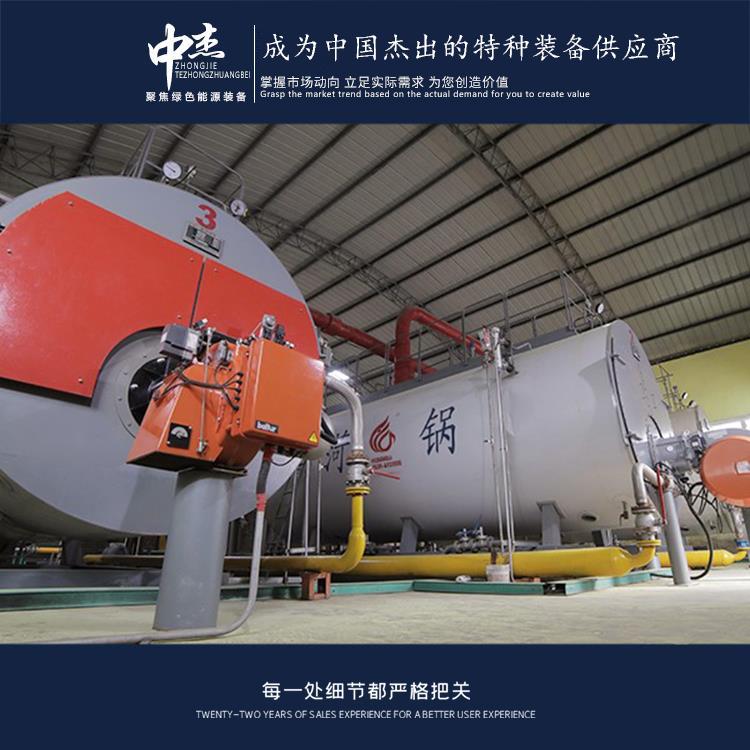
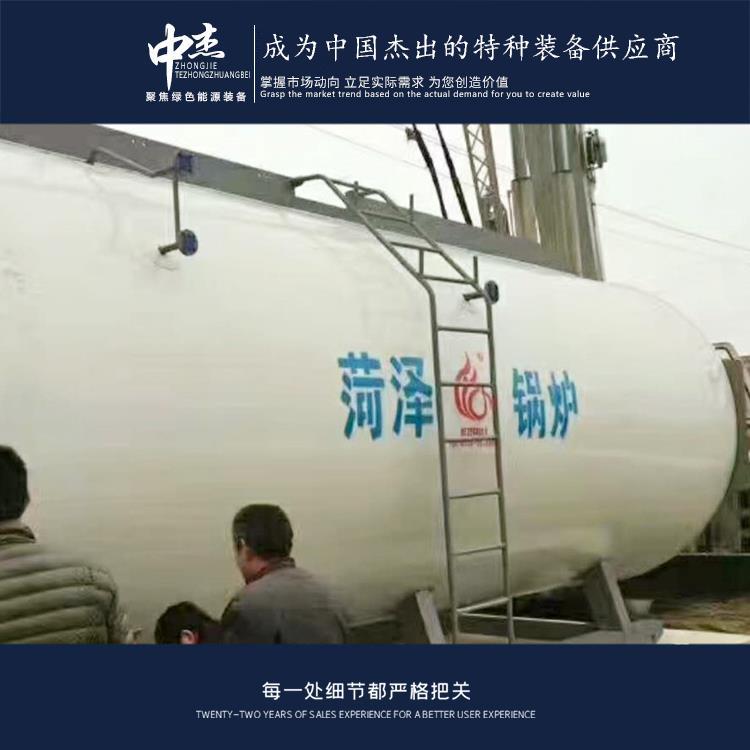
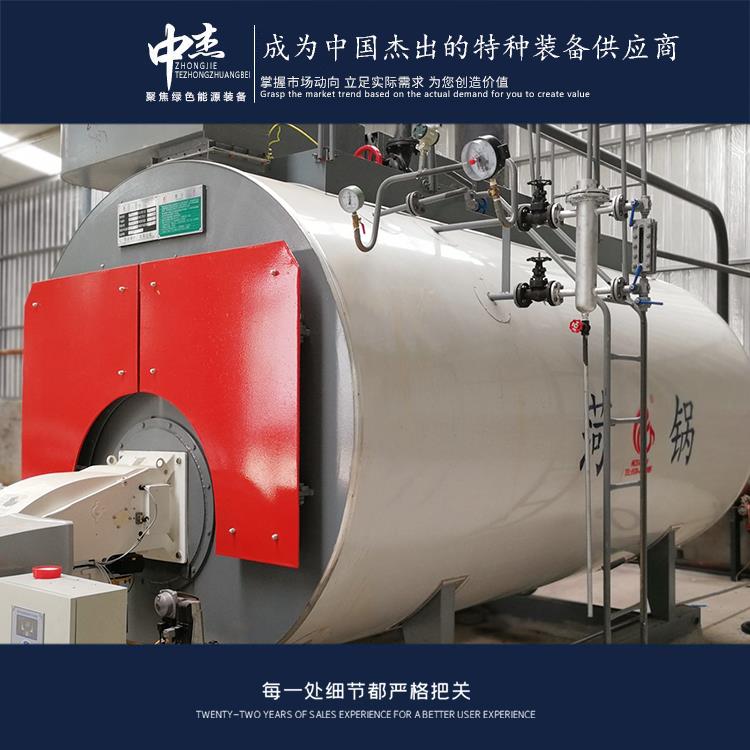
Shandong Zhongjie Special Equipment Co., Ltd. specializes in the following products: fuel (gas) boilers, organic heat carrier boilers, biomass boilers, waste heat recovery boilers, and other boiler products; vacuum insulation cryogenic pressure vessels such as LNG tanks, oxygen/nitrogen/argon tanks, and CO2 tanks; pressure vessel products including denitrification engineering equipment, heat storage and energy storage equipment, and complete chemical equipment sets; central air conditioning and HVAC equipment such as ground (water) source heat pumps, air source units, water-cooled screw units, and air-cooled modular units. Planned products include large-scale energy centers, LNG transport vehicles, LNG tank containers, and other green energy equipment.
For the maintenance of industrial gas-fired boilers, here are some common methods and precautions:
- Clean the burner: Regularly clean the interior and nozzle of the burner to ensure normal combustion of the gas, avoiding carbon accumulation and blockages.
- Inspect the gas supply system: Regularly check the gas supply system, including gas pipes, valves, and pressure regulators, to ensure normal gas supply without leaks or blockages.
- Clean the flue and heat exchanger: Regularly clean the flue and heat exchanger to remove dust and dirt, maintaining heat exchange efficiency and avoiding overheating and energy loss.
- Check water level and pressure: Regularly inspect the boiler's water level and pressure to ensure safe operation within the specified range. Refill water and adjust pressure to avoid issues caused by low or high water levels.
- Inspect safety devices: Regularly check the boiler's safety devices, including safety valves, pressure switches, and water level controllers, to ensure they are functioning properly and guarantee safe boiler operation.
- Check the control system: Regularly inspect the boiler's control system, including automatic controllers, sensors, and instruments, to ensure accuracy and reliability, and to promptly detect and repair faults.
- Scheduled maintenance: Conduct regular maintenance, including lubricating parts, replacing worn components, and checking electrical connections, to extend the boiler's lifespan and stability.
- Keep records: Record the boiler's operating parameters, maintenance logs, and fault situations to help promptly identify problems and analyze operating conditions.
- Train operators: Ensure operators have sufficient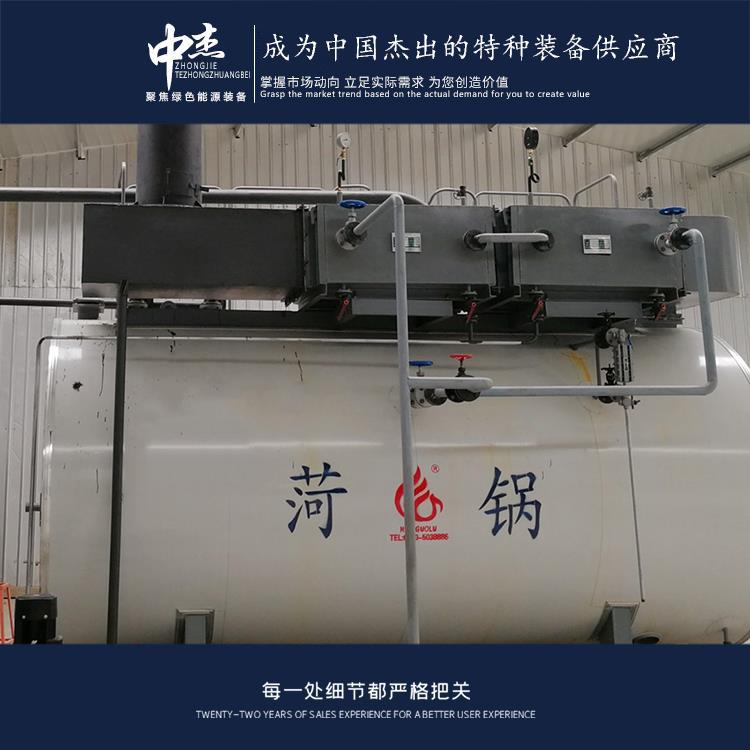
Before ignition, the preparation of the steam boiler involves the following steps:
1. Clean the boiler: First, clean the internal and external dirt and impurities from the boiler. Remove ash, sediment, and dirt to ensure combustion and heat exchange efficiency.
2. Check fuel supply: Inspect the fuel supply system to ensure a smooth fuel supply. Check the fuel storage, conveyance pipelines, and filters, clearing blockages and replacing damaged parts.
3. Inspect the burner: Check the operational status and cleanliness of the burner. Clean the burner's nozzle and flame detector to ensure normal operation.
4. Check the gas system: If it's a gas boiler, inspect the gas supply system. Check the gas pipelines, valves, and pressure regulators to ensure safe and stable gas supply.
5. Check water level and pressure: Inspect the boiler's water level and pressure. Ensure the water level is within the normal range, and pressure is stable and meets requirements. Add water and adjust pressure if necessary.
6. Check safety devices: Inspect the boiler's safety devices, such as safety valves, pressure switches, and water level controllers. Ensure these devices operate normally to guarantee safe boiler operation.
7. Prepare ignition tools: Prepare the tools and equipment needed for ignition, such as a matchstick, igniter, etc. Ensure these tools work properly and are safe.
When performing the above preparation tasks, follow relevant operational procedures and safety requirements to ensure safety and effectiveness. If unsure about the preparation process, consult an expert or the boiler manufacturer for advice.
Based on the provided information, I cannot accurately determine the heating area for a 40-ton gas hot water boiler or the gas pressure for an atmospheric pressure gas boiler. The determination of these parameters requires considering multiple factors, including the boiler's design specifications, the type and quality of the gas, and the heating system's requirements. The heating area is typically calculated based on the size of the building or industrial production facility to be heated, along with the heat load calculations. Common calculation methods include heat load calculations based on the building's floor area, the climate conditions of the region, and indoor temperature requirements. The gas pressure depends on the type of gas and the design of the gas supply system. Different types of gas (such as natural gas, etc.) have different pressure requirements for supply. The gas pressure also needs to consider factors such as the distance of the gas pipeline, pipeline diameter, and pipeline material. Therefore, to accurately determine the heating area for the 40-ton gas hot water boiler and the gas pressure for the atmospheric pressure gas boiler, it is recommended to consult the boiler manufacturer or engineer, who can calculate and design based on the specific situation.
In case of issues with the thermal oil furnace circulating pump, follow these steps for troubleshooting:
- Shutdown and inspect: First, halt the thermal oil furnace's operation and disconnect the power source. Check for any evident故障 signs such as unusual noises, oil leaks, or seepages. Verify that the pump motor is operating normally and is not generating excessive heat.
- Clean the pump housing: If sediment or debris are found, clean the pump housing. Use appropriate tools and cleaning agents to remove dirt and blockages from within the pump. Exercise safety precautions to avoid damaging the pump housing.
- Inspect pump connections: Check the pump's connection parts, including inlets and outlets, valves, and seals. Ensure connections are tight, valves operate smoothly, and seals are intact. Repair or replace any loose or damaged parts promptly.
- Check the pump motor: Verify that the pump motor is running normally without abnormal sounds or overheating. Inspect the power lines and control system of the motor to ensure a stable power supply and correct control signals.
- Inspect the lubrication and cooling system: Ensure the pump's lubrication and cooling system are functioning properly. Check the supply of lubricating oil or grease, and the circulation and temperature control of cooling water or coolant.
- Adjust pump parameters: Depending on the situation, you may need to adjust pump parameters such as flow rate and head. Adjust the pump speed or valve opening according to the equipment's requirements and operating conditions to meet the thermal oil furnace's thermal energy needs.
- Seek repair if necessary: If the above steps do not resolve the issue or if more extensive maintenance is required, it is recommended to seek repair services. Contact a service technician or manufacturer's technical support for further fault diagnosis and repair.
- Safety is paramount: When dealing with thermal oil furnace circulating pump issues, adhere to safety operating procedures and requirements. If unsure about the process or if there are safety concerns, seek assistance promptly.
Shandong Zhongjie Special Equipment, welcome customers to visit our factory for business negotiations.
Jixi 3-ton gas boiler, high cost-performance ratio
