


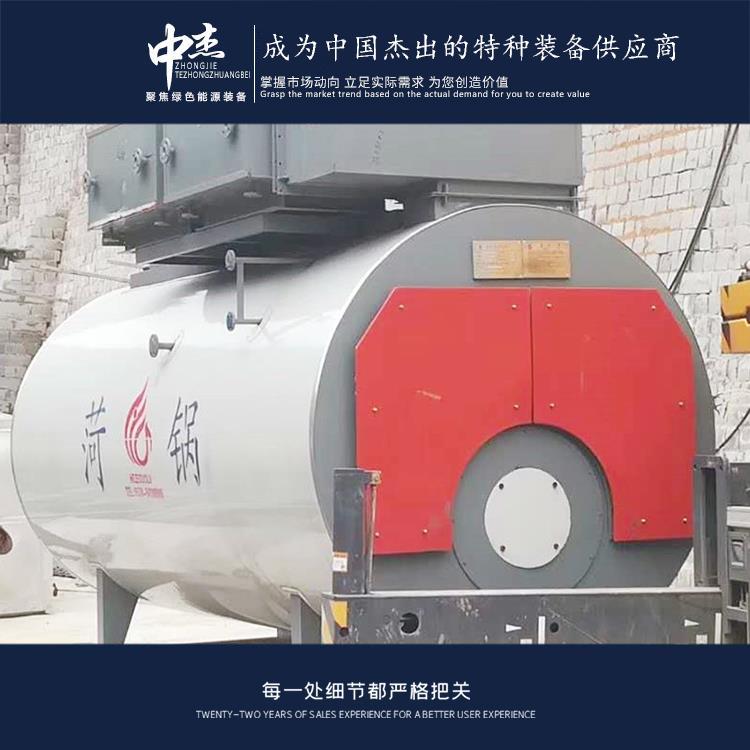
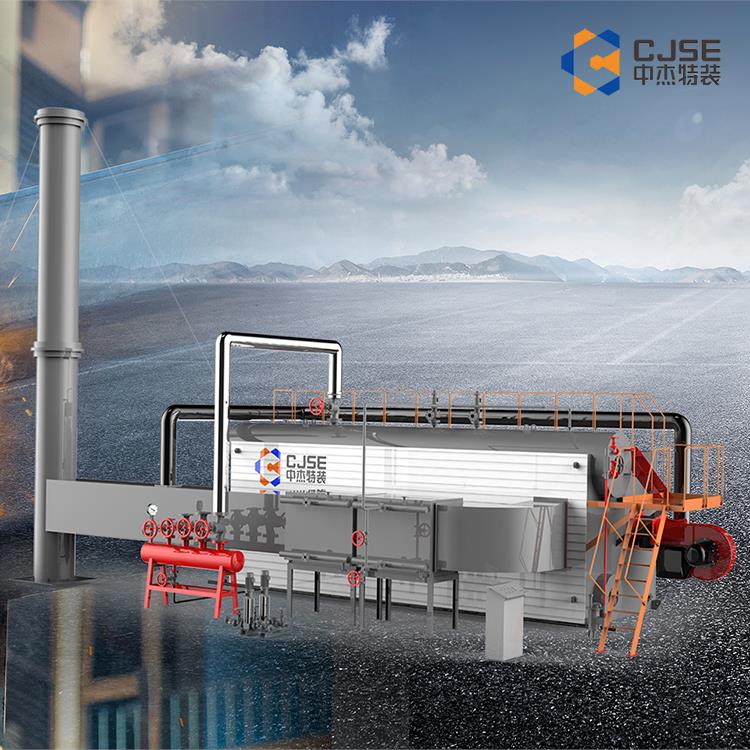
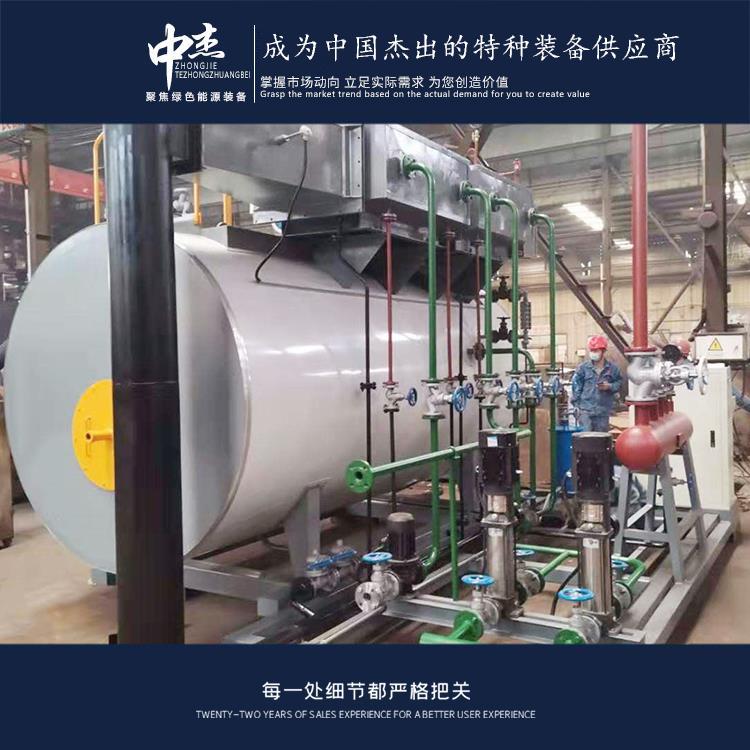
Shandong Zhongjie Special Equipment Co., Ltd. specializes in the following products: fuel (gas) boilers, organic heat carrier boilers, biomass boilers, waste heat recovery boilers, and other boiler products; vacuum insulation cryogenic pressure vessels such as LNG tanks, oxygen/nitrogen/argon tanks, and CO2 tanks; pressure vessel products including denitrification engineering equipment, heat storage and energy storage equipment, and complete chemical equipment; central air conditioning and HVAC equipment such as ground (water) source heat pumps, air source units, water-cooled screw units, and air-cooled modules. Planned products include large-scale energy centers, LNG transport vehicles, LNG tank containers, and other green energy equipment.
To optimize and improve the planning of gas boiler systems, consider the following aspects:
1. Energy Audit and Assessment: Conduct a comprehensive energy audit and assessment to understand the energy consumption of the gas boiler system and identify potential energy-saving opportunities. Through data analysis and energy measurement, determine the main sources of energy consumption and bottlenecks, providing a basis for subsequent optimization.
2. Combustion System Optimization: Optimize the combustion system of the gas boiler, including adjustments and cleaning of burners, control of the ratio of gas to air, and maintenance of the combustion chamber. Ensure high combustion efficiency and high gas utilization, reducing energy waste.
3. Heat Recovery Utilization: Consider installing heat recovery devices such as waste heat recovery units or flue gas heat exchangers. These devices can utilize the excess heat from the flue gases emitted by the gas boiler to heat water or other equipment requiring heat, improving energy efficiency.
4. Pipe Insulation and Leak Inspection: Ensure that the insulation of gas and hot water pipes is effective to reduce energy loss. Regularly inspect for pipe leaks and repair them promptly to avoid energy waste and safety hazards.
5. Control System Upgrade: Consider upgrading the control system of the gas boiler to adopt automated control technology. Through precise control and adjustment, achieve optimal operation of the gas boiler.
Yes, durable thermal oil boilers typically have a longer service life. Here are some reasons:
Material Quality: Thermal oil boilers are made with high-quality materials, such as heat-resistant and corrosion-resistant steel and alloy materials. These materials can withstand high temperatures and pressures, offering good durability and anti-corrosion properties, thereby extending the boiler's lifespan.
Design and Manufacturing Process: Long-lasting thermal oil boilers usually adopt advanced design and manufacturing techniques. Rational structural design and precise manufacturing processes can reduce stress concentration and thermal stress, enhancing the boiler's stability and durability.
Regular Maintenance and Care: Regular maintenance and care are crucial for extending the service life of thermal oil boilers. Regularly cleaning and inspecting the internal pipes, flues, and burners, and promptly replacing worn-out parts, can minimize malfunctions and damage, thus extending the boiler's life.
Proper Operation and Management: Correct operation and management are also key factors in ensuring the longevity of thermal oil boilers. Operators should follow the operation manual and procedures, avoid overloading and improper operation, to ensure the boiler operates safely and stably.
It's important to note that even durable thermal oil boilers require regular inspections and maintenance to ensure proper operation and extend their service life. Additionally, the lifespan of the boiler is influenced by factors such as the operating environment, load conditions, and operating methods. Therefore, proper use and maintenance are essential for ensuring the longevity of thermal oil boilers.
During the operation of a thermal oil furnace, several important points should be noted:
- Temperature Control: During the operation of the thermal oil furnace, close attention and control of the thermal oil temperature are required. Ensure the temperature remains within a safe range to avoid decomposition of the oil at high temperatures or condensation and scaling at low temperatures. Regularly inspect and calibrate the temperature sensors to ensure accurate temperature measurement.
- Pressure Control: Maintain an appropriate working pressure during the operation of the thermal oil furnace. Excessive pressure can lead to equipment damage or leaks, while insufficient pressure can reduce heat transfer efficiency. Regularly inspect and maintain the pressure gauge and safety valve to ensure accurate and safe pressure control.
- Oil Quality and Cleanliness: The quality and cleanliness of the thermal oil are crucial for the normal operation of the furnace. Regularly inspect and replace the thermal oil to ensure it meets quality and performance requirements. Regularly clean and maintain heat exchangers, burners, and flues to prevent the accumulation of dust and dirt, which can affect heat transfer efficiency.
- Regular Maintenance and Inspection: Regular maintenance and inspection of the thermal oil furnace are necessary to ensure its proper operation and extend its service life. Regularly inspect and clean burners, flues, and heat exchangers; check and replace seals and valves; inspect and calibrate safety devices to ensure equipment safety and reliability.
- Safe Operation: Strict adherence to operational procedures and safety protocols is required during the operation of the thermal oil furnace. Operators must possess relevant skills and knowledge.
Steam boiler equipment water treatment refers to the process of treating water in steam boilers to ensure normal operation and extend the lifespan of the equipment. Below are the basic knowledge points regarding steam boiler equipment water treatment:
Water Quality Requirements: The water quality in steam boilers is of high standard, typically requiring the removal of impurities, dissolved oxygen, and hardness substances. Impurities and hardness substances can cause scaling and corrosion on the boiler's interior walls, while dissolved oxygen can lead to corrosion and the formation of bubbles.
Removal of Impurities: Common methods for removing impurities from water include sedimentation, filtration, and ion exchange. Sedimentation involves adding chemical agents to make impurities settle, filtration removes impurities through filtering media, and ion exchange uses resins to adsorb and exchange ions to remove impurities from the water.
Adjusting Hardness: The hardness substances in water are mainly salts of calcium and magnesium, which can cause scaling on the boiler's interior walls. Hardness can be adjusted by adding chemical agents or using water softening equipment to prevent scaling issues.
Removing Dissolved Oxygen: Dissolved oxygen can cause corrosion and the formation of bubbles. It can be removed by adding oxidizing agents or using deaeration equipment.
Controlling pH Level: The pH level of water in steam boilers affects equipment corrosion and scaling. It is usually necessary to control the pH level within an appropriate range, using buffering agents or regulators to adjust the pH level.
Regular Testing and Maintenance: Regular water quality testing of steam boiler equipment should be conducted, including measuring hardness, dissolved oxygen, and pH levels, and implementing corresponding water treatment measures and maintenance based on the test results.
Steam boiler equipment water treatment is a crucial aspect for ensuring normal boiler operation and extending equipment lifespan. Rational water treatment measures can effectively prevent scaling, corrosion, and malfunctions on the boiler's interior walls.
Zhongjie Special Equipment adheres to the great vision of "realizing employees' dreams, creating customer value, and striving for the prosperity and strength of our motherland," and is dedicated to the development of the green energy equipment industry. We commit to society with high-quality, cost-effective products and services!
Nanchong Gas Boiler Manufacturer - Model Parameters Table
