


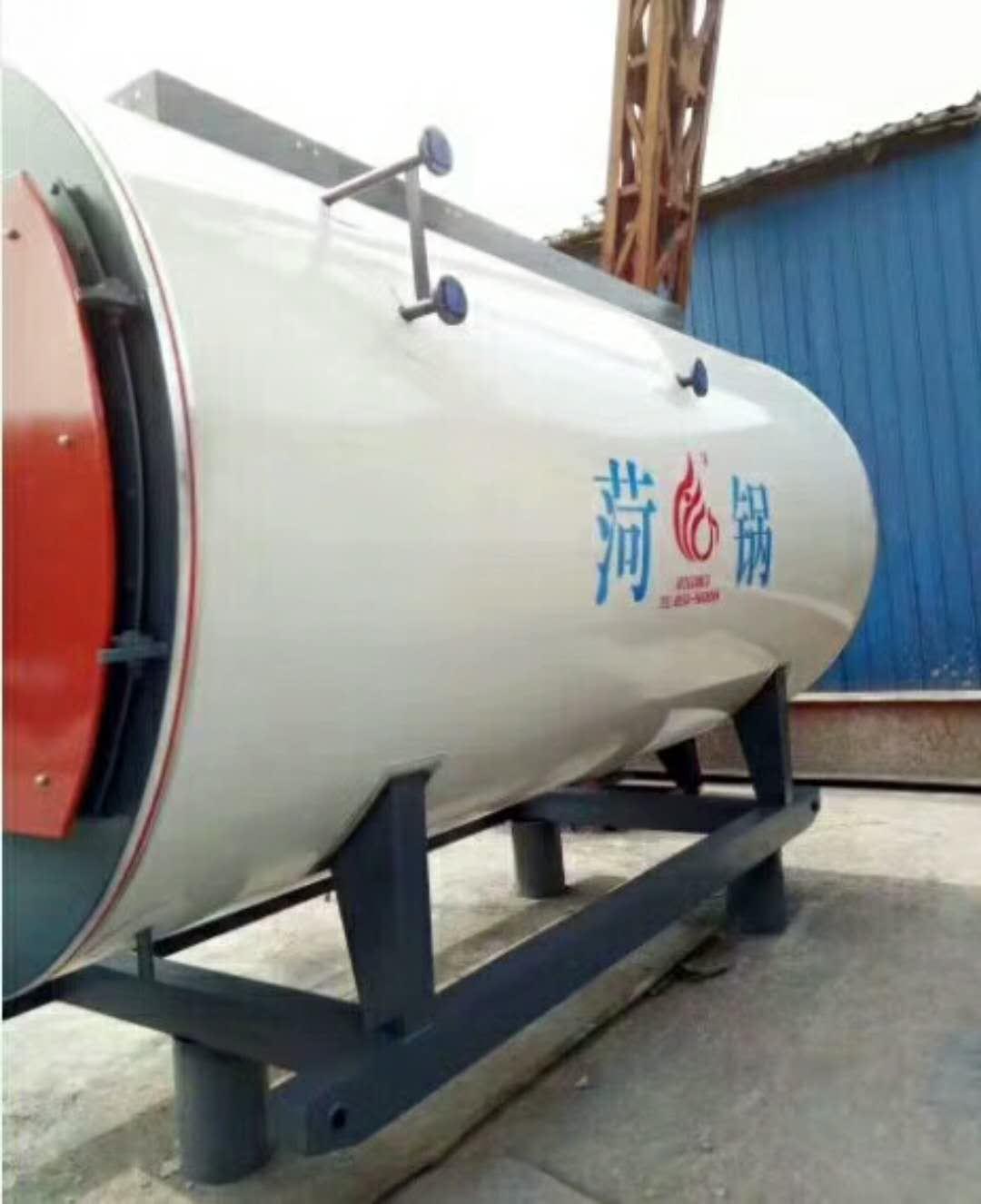
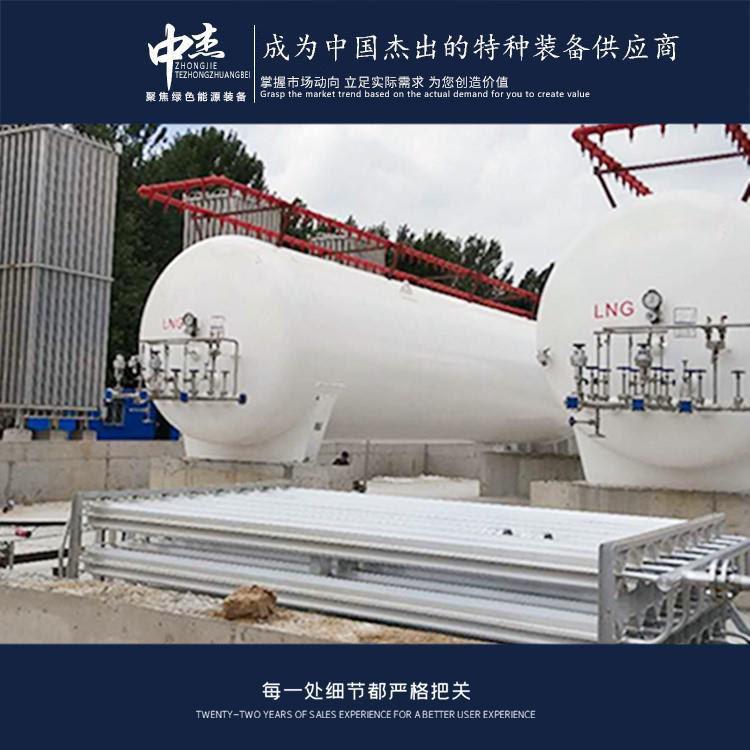
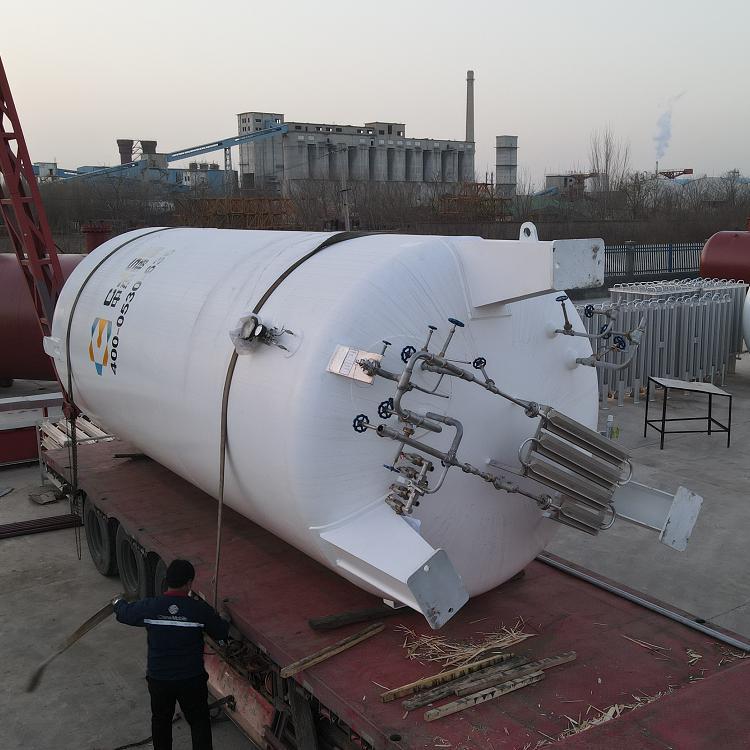
Shandong Zhongjie Special Equipment Co., Ltd. (formerly Heze Boiler Factory Co., Ltd.) holds an A-grade boiler manufacturing license and an A2-grade pressure vessel manufacturing license, an A2-grade pressure vessel design license, B-grade boiler installation and GB2, GC2 class pressure pipeline installation licenses, as well as equipment and machinery installation contracting qualifications. It is a member of the China Boilers and Water Treatment Association, the China Chemical Equipment Association, and the理事 unit of the Shandong Equipment Manufacturing Association, and has passed the ISO9001 Quality Management System, ISO14001 Environmental Management System, OHSAS18001 Occupational Health and Safety Management System certifications, as well as the U.S. ASME/U2 certification.
The reasons for the peak popularity of low-temperature liquid storage tanks in recent years are as follows:
Rising Demand: With the development of industries such as manufacturing and scientific research, the demand for cryogenic liquids is continuously increasing. Cryogenic liquid storage tanks can effectively store and supply liquid oxygen, liquid nitrogen, and other cryogenic liquids, meeting the needs of various fields.
Technical Advancements: In recent years, the manufacturing and material technologies for low-temperature liquid storage tanks have continuously improved and innovated. The application of new insulating materials, advanced refrigeration systems, and safety control devices has enhanced the performance and safety of the tanks, making them more reliable and secure.
Increased environmental awareness: Low-temperature liquid storage tanks enable effective storage and utilization of low-temperature liquids, reducing energy waste and environmental pollution. Against the backdrop of rising environmental awareness, low-temperature liquid storage tanks, as environmentally friendly and energy-saving equipment, have gained more attention and application.
Emerging Application Fields: There is a growing demand for low-temperature liquid storage tanks in emerging application fields. For instance, the application of liquid nitrogen in frozen food, biopharmaceuticals, and semiconductor manufacturing is increasingly widespread, driving the development of low-temperature liquid storage tanks.
Policy Support: The government has supported and encouraged the development of low-temperature liquid storage tanks. Through policy guidance and financial support, the industry has been promoted and expanded.
In summary, the peak status of low-temperature liquid storage tanks in recent years is mainly due to increasing demand, technological advancements, enhanced environmental awareness, the development of new application areas, and policy support. These factors collectively drive the rapid growth of the low-temperature liquid storage tank industry.
Prior to cooling the liquid oxygen tank, the following prerequisites must be met:
Clean the tanks: Ensure the interior of the tanks is clean, free of impurities and contaminants. The tanks should be properly cleaned and flushed to maintain internal cleanliness.
Drainage and Exhaust: Empty the gas from the tank and expel it through the exhaust system to reduce the gas content within the tank. This helps minimize the interference of gas on the cooling process.
Safety Precautions: Prior to cooling the liquid oxygen tank, necessary safety measures must be taken. Liquid oxygen is highly flammable and exhibits low-temperature characteristics, so operators should wear appropriate protective suits, gloves, and other personal protective equipment to ensure safe operation.
Temperature Control: During the cooling process of the liquid oxygen tank, it is necessary to control the tank's temperature. Typically, low-temperature media such as liquid nitrogen are used to cool the tank, ensuring that the tank's temperature gradually drops below the boiling point of liquid oxygen.
Insulation and Heat Retention: Liquid oxygen tanks typically feature double or multi-layered construction, filled with insulating material in between to minimize heat transfer and evaporation of the liquid oxygen. Ensuring the integrity and good insulation of the insulating layer enhances the cooling efficiency of the tank.
Under the aforementioned conditions, the cooling operation of the liquid oxygen tank may be performed. The cooling process must strictly adhere to relevant safety regulations and operational guidelines to ensure the safe operation and use of the tank.
Protection tips for liquid nitrogen tanks include the following:
Wear protective gear: When operating liquid nitrogen tanks, it is mandatory to wear appropriate protective equipment, including gloves, protective suits, and non-slip shoes. This gear safeguards the skin from the low temperatures of liquid nitrogen and other hazards.
Avoid direct contact: Liquid nitrogen is extremely cold and can cause frostbite. Therefore, avoid direct contact with liquid nitrogen, especially with the skin. Use tools or utensils for handling and never touch liquid nitrogen with your hands.
Note ventilation: Ensure adequate ventilation in the operational area of the liquid nitrogen tank to expel gases produced by the evaporation of liquid nitrogen. Maintain air circulation to avoid excessive oxygen levels and reduce the risk of fire and explosion.
Prevent Leaks: Regularly inspect the liquid nitrogen tanks for leaks and equip them with leak detectors and alarm systems. In case of a leak, take immediate action to control and repair it. Avoid the hazards of liquid nitrogen leaks to personnel and the environment.
Fire Prevention Measures: Liquid nitrogen has a low boiling and freezing point, which can easily cause fires. Measures such as setting up fire barriers around liquid nitrogen storage tanks and using fire-retardant coatings are taken to prevent fires from occurring and spreading.
Static Protection: Electrostatic buildup in liquid nitrogen tanks can cause sparks, increasing the risk of fire. Measures such as using conductive materials and anti-static equipment should be taken to reduce the accumulation and discharge of static electricity.
Regular inspections and maintenance: Conduct regular checks on the condition of liquid nitrogen tanks and related equipment, including valves, pipes, pressure gauges, etc. Ensure that the equipment is intact and promptly repair or replace any damaged parts.
Waste Gas Treatment: Liquid nitrogen tanks produce waste gas during operation, and appropriate waste gas treatment measures must be taken.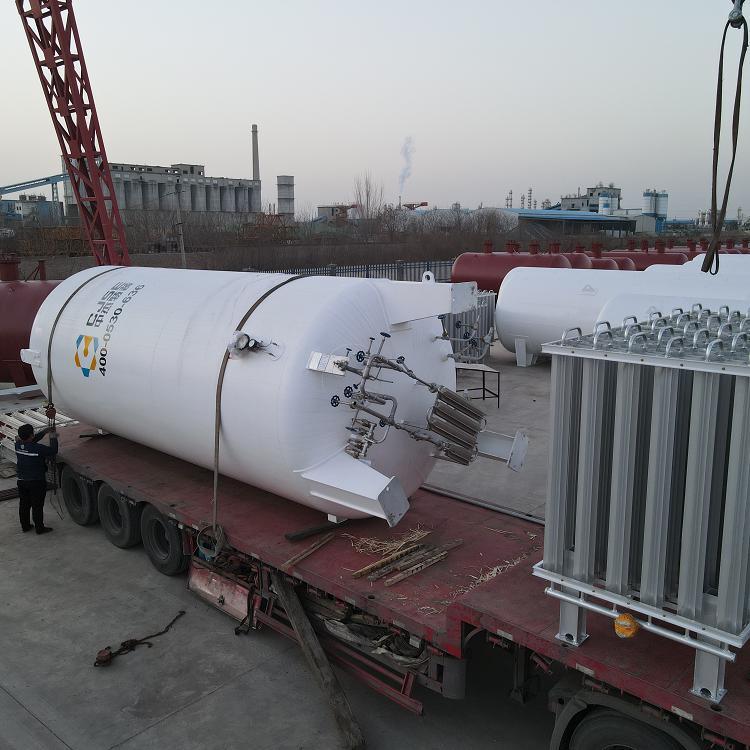
Liquid oxygen storage tanks are high-pressure, highly oxidizing equipment that require special attention to safety. Here are some safety precautions for liquid oxygen storage tanks:
Operation: The operation of liquid oxygen storage tanks should be performed by trained and experienced personnel. Operators should be familiar with the tank's structure, performance, and operational procedures, and should operate strictly according to the operation manual and safety regulations.
Fire Prevention Measures: Liquid oxygen is highly oxidizing and can easily cause fires and explosions. Open flames and sparks, as well as contact with high-temperature objects, should be prohibited around the liquid oxygen storage tank. Fire prevention facilities and fire extinguishing equipment should be established, and regular inspections and maintenance should be conducted.
Leakage Control: In the event of a leakage in a liquid oxygen storage tank, immediate measures should be taken to control the leakage. Leaks can cause the evaporation of liquid oxygen and an increase in oxygen concentration, increasing the risk of fire and explosion. A leakage alarm system should be established, and leakage control devices and personal protective equipment should be provided.
Insulation Protection: Liquid oxygen storage tanks should have good insulation protection to reduce the evaporation of liquid oxygen and maintain a low temperature state. The insulation layer should be inspected and maintained regularly to ensure its integrity and insulating performance.
Safety Distance: A certain safety distance should be maintained around the liquid oxygen storage tank to prevent the spread of fires, explosions, and leaks. The specific requirements for safety distance should be assessed and determined based on local regulations and standards.
Regular Inspections and Maintenance: Liquid oxygen storage tanks should be inspected and maintained regularly, including checking the structural integrity of the tank, valves, and pipelines for tightness.
Our company highly values technological innovation and R&D, boasting one municipal-level enterprise technology center in Heze City. We have established testing facilities for non-destructive testing, physical and chemical testing, welding testing, hydrostatic testing, etc., and are equipped with over 600 types of instruments and equipment including CNC machine tools, X-ray flaw detectors, digital ultrasonic flaw detectors, mechanical property testing machines, chemical analyzers, spectrometers, tensile testing machines, plasma welding machines, and more. The key products we have developed, such as temperature-pressure vessels for welding, biomass boiler emission reduction, and waste heat utilization, have successively been selected for multiple Shandong Province Department of Industry and Information Technology science and technology innovation projects, key provincial projects, and Heze City innovation and excellence projects. We have cumulatively obtained 27 authorized utility models, 16 authorized inventions, participated in drafting 2 standards, 2 industry standards, and registered 15 trademarks. Our technical team, in collaboration with Professor Yajiang Li from Shandong University, has developed deep cryogenic container processing technology using the international plasma arc + filler wire argon arc welding (PAW-GTAW) technology. After provincial-level scientific and technological achievement assessment, the technology level has reached an international standard in the field of deep cryogenic container manufacturing. Choose Zhongjietech, let's create brilliance together!
Wenshan Oxygen Storage Tank, Years of Industry Experience
