


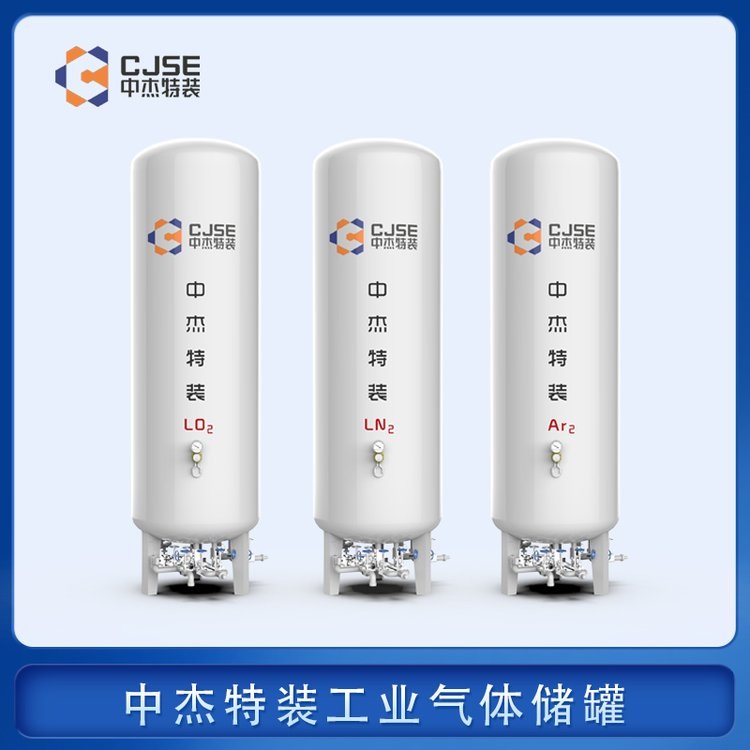
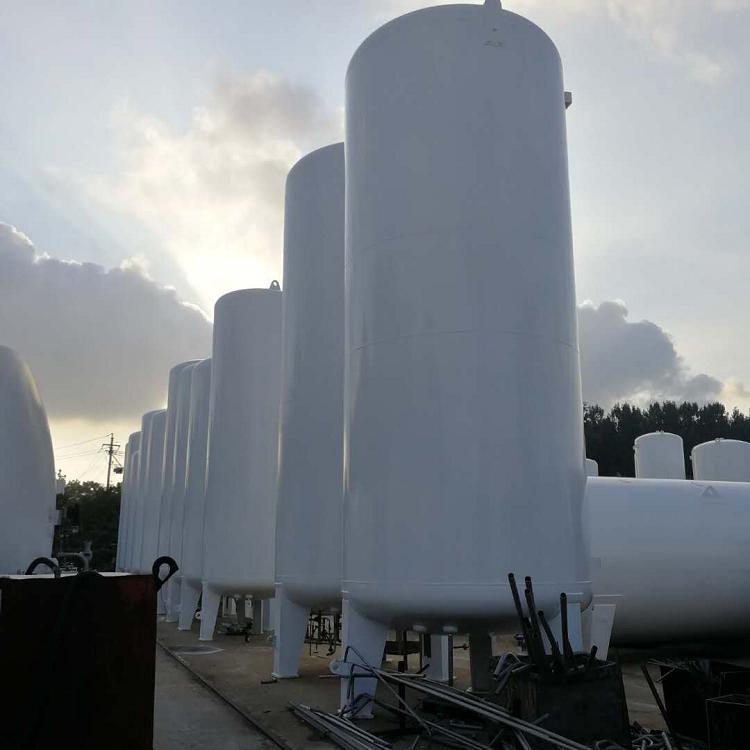
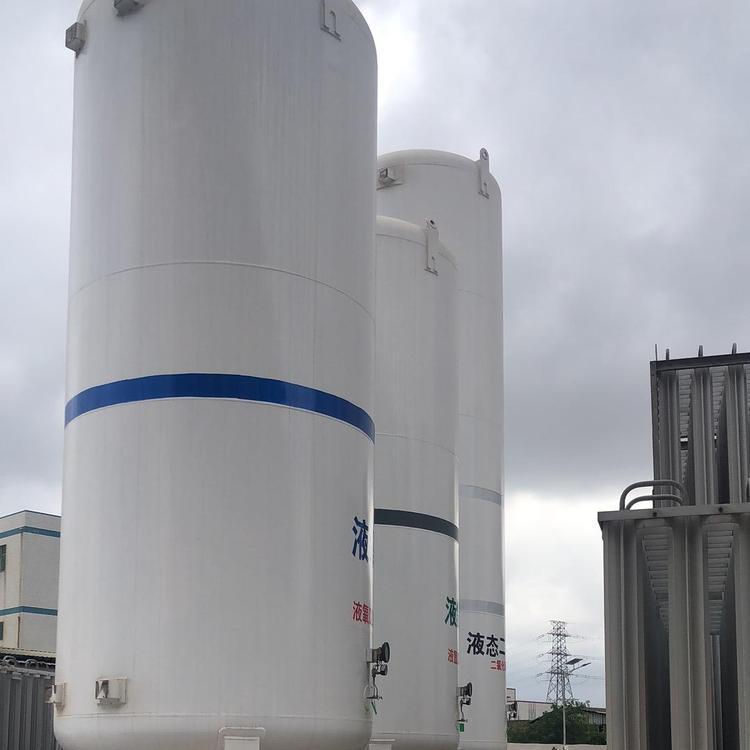
Shandong Zhongjie Special Equipment (formerly Heze Boiler Factory Co., Ltd.) was established in 2001, located at No. 2218 Jinnan Road, Development Zone, Heze City. With a registered capital of 50 million yuan and total assets of 500 million yuan, the company has 7 business centers: boilers, deep-freeze containers, pressure vessels, central air conditioning, engineering installation, international trade, and the Internet of Things. It has three factory sites on Jinnan Road, East Changjiang Road, and Bohai Road, covering a total of 200,000 square meters, with the main workshop spanning 83,000 square meters. It currently employs 710 staff, including 247 engineers and technicians, and 82 intermediate-level technical personnel. In December 2016, it was recognized as a "High-tech Enterprise" by the Science and Technology Department. In June 2021, it was named a "Specialized and New Enterprise in Shandong Province" by the Department of Industry and Information Technology. In June 2022, it was identified as a "Gazelle Enterprise in Shandong Province" and in August 2022, it was recognized as a "Specialized and New Small Giant Enterprise" by the Ministry of Industry and Information Technology.
The filling process for CO2 storage tanks typically includes the following steps:
Preparation: Ensure the tank and filling equipment are in good working condition. Check the tank's appearance and valves for damage or leaks. Inspect the filling equipment's connecting pipes and valves to ensure they are tight and leak-free.
Prepare liquid CO2: Extract liquid CO2 from the source and transfer it to the storage tank of the filling equipment. Ensure the quality and purity of the liquid CO2 meet the required standards.
Connect filling equipment: Attach the outlet pipe of the filling equipment to the tank's inlet valve. Ensure the connection is secure and there are no leaks.
Open valves: Activate the corresponding valves on the filling equipment and the tank to allow liquid CO2 to flow into the tank. Adjust the valves as needed to control the filling rate and pressure.
Monitor level: Use level sensors or other level measuring devices to continuously monitor the liquid CO2 level in the tank. Ensure the level stays within a safe range and avoid overfilling.
Filling complete: Once the tank reaches the predetermined filling level, close the corresponding valves on the filling equipment and tank to stop the liquid CO2 filling.
Inspection and cleanup: Check the valves and pipe connections during the filling process for leaks. Clean up any remaining liquid CO2 around the filling equipment and tank.
Documentation and reporting: Record the relevant information of the filling process, including the filling date, amount, and level monitoring results. Submit filling reports to the relevant departments or management as required.
The above is a general CO2 storage tank filling process. Specific operations should be based on the tank's characteristics and requirements. When performing filling operations, follow relevant safety operating procedures and have trained professionals conduct the work.
Urea synthesis from carbon dioxide is a crucial chemical reaction with several applications:
- Urea Production: Urea is a vital nitrogen fertilizer and chemical, widely used in both agricultural and industrial sectors. Carbon dioxide synthesis is one of the commonly used methods for producing urea. In this process, carbon dioxide reacts under high temperature and pressure to form urea, utilizing carbon dioxide resources and reducing dependence on fossil fuels traditionally used in urea production.
- Urea Fuel: Urea can serve as a urea fuel for internal combustion engines and combustion equipment. By heating and decomposing urea, it releases energy that, when reacting with oxygen in the air, produces combustion heat. This combustion process only produces water vapor and nitrogen as byproducts, minimizing environmental pollution.
- Chemical Synthesis: Urea is an essential raw material for the synthesis of many chemicals. Carbon dioxide synthesis of urea provides a sustainable supply for the chemical industry, used to produce other chemicals like plastics, resins, paints, etc.
- Energy Storage: Urea can also act as an energy storage medium. By synthesizing urea from carbon dioxide, energy can be stored in the form of chemical bonds. When energy is needed, the urea can be decomposed to release energy, which then reacts with oxygen in the air to produce combustion heat and release stored energy.
The development of carbon dioxide synthesis urea technology aims to reduce dependence on fossil fuels used in traditional urea production methods, decrease greenhouse gas emissions, and promote the sustainable development of agriculture and the chemical industry. However, this technology is still in continuous development and research, requiring further technological breakthroughs and practical verification for large-scale application.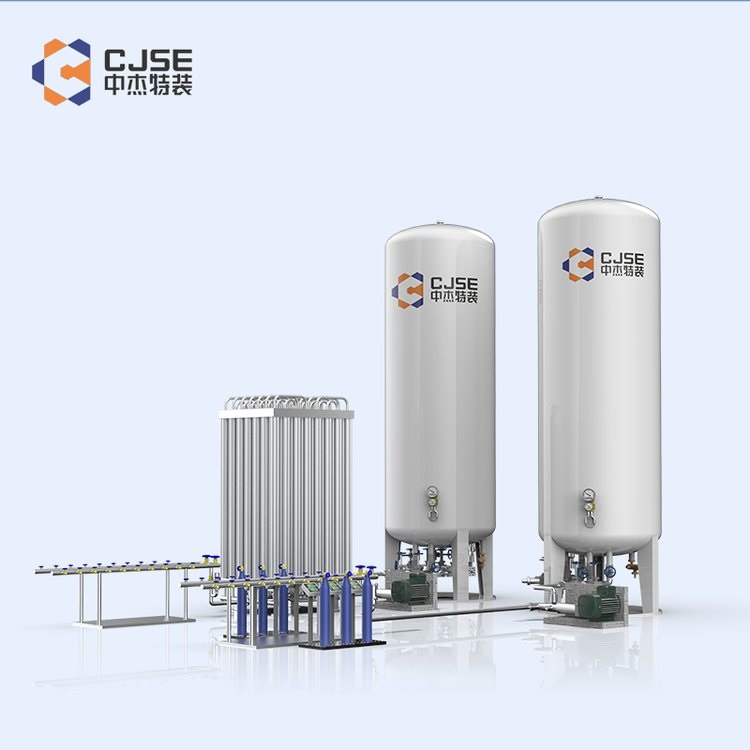
When storing carbon dioxide tanks, the following requirements must be followed to ensure safety and effectiveness:
Ventilation: Tanks should be stored in well-ventilated areas to prevent the accumulation of carbon dioxide gas. Ensure there is sufficient air circulation around the tank to avoid gas buildup and asphyxiation risks.
Fire and Explosion Prevention: Keep tanks away from fire sources, high-temperature areas, and flammable materials. Avoid open flame operations near the tank to prevent fire and explosion risks.
Avoid Direct Sunlight: Store tanks in locations shielded from direct sunlight to prevent overheating and pressure increase. Direct sunlight can raise tank temperatures, increasing the risk of leaks and explosions.
Prevent Mechanical Damage: Keep tanks away from machinery and heavy objects to avoid collisions and damage. Mechanical damage can lead to tank leaks or ruptures, causing safety hazards.
Labeling and Warning Signs: Clearly label tanks with information such as the type of gas stored and pressure. Set up warning signs around the tanks to remind personnel of their presence and related safety precautions.
Regular Inspections: Conduct regular inspections of the tank's exterior, valves, and connections to ensure they are intact. Take prompt corrective actions if any abnormalities are found.
Storage Capacity Control: Control the storage capacity of the tank to prevent exceeding the rated capacity. Overfilling can lead to excessive tank pressure, increasing safety risks.
Storage Records: Keep records of the tank's usage, including filling dates, quantities, and inspection records. Regularly inspect and maintain the tank, and retain relevant records.
Note that specific storage requirements may vary depending on tank type and application. When storing carbon dioxide tanks, operate according to relevant regulations and standards, and consult with experts to ensure safety and effectiveness.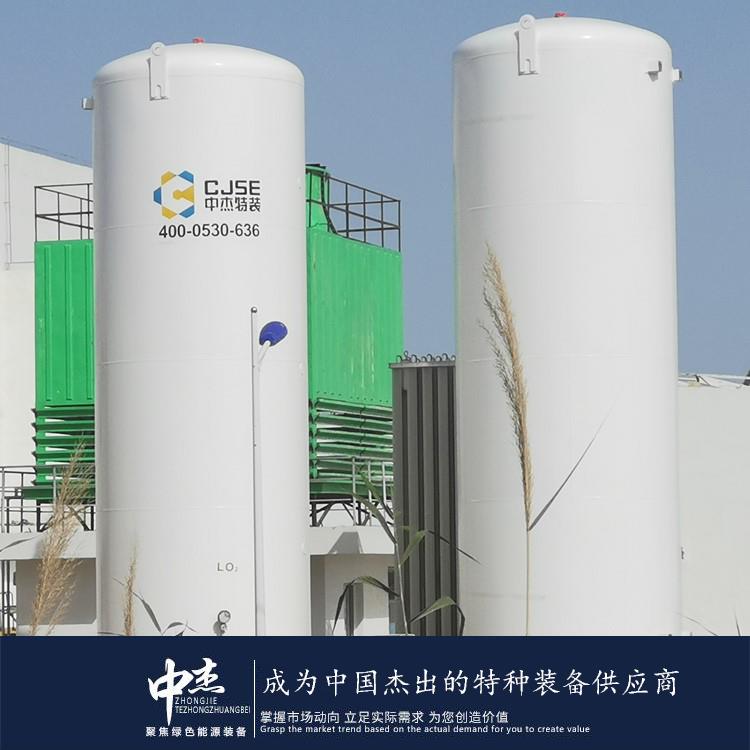
Additionally, the use of liquid carbon dioxide tanks must adhere to specific industry standards and regulations depending on the industry and application scenario. For instance, when using liquid carbon dioxide tanks in the food and beverage industry, compliance with food safety and hygiene standards is required. It is important to note that different regions may have varying standards and regulations for the use of liquid carbon dioxide tanks. Therefore, operations and usage should be conducted in accordance with local laws and standards.
Our company attaches great importance to technological innovation and R&D design. We have one municipal enterprise technology center in Heze City, with testing facilities for non-destructive testing, physical and chemical testing, welding testing, hydrostatic testing, etc. Equipped with over 600 types of instruments and equipment, including CNC machine tools, X-ray flaw detectors, digital ultrasonic flaw detectors, mechanical property testing machines, chemical analyzers, spectrometers, tensile testing machines, plasma welding machines, and more. The key products and technologies we have developed, such as welding for temperature and pressure vessels, biomass boiler emission reduction, and waste heat utilization, have successively been included in multiple Shandong Provincial Department of Industry and Information Technology science and technology projects, Shandong key projects, and Heze City innovative and excellent projects. We have cumulatively obtained 27 authorized utility models, 16 authorized inventions, participated in drafting 2 standards, 2 industry standards, and registered 15 trademarks. Our technical team, in collaboration with Professor Li Yajiang of Shandong University, has developed deep cryogenic container processing technology using the international plasma arc + wire filling tungsten inert gas arc welding (PAW-GTAW) technology. This technology has been appraised as reaching an international level in deep cryogenic container manufacturing after provincial-level scientific and technological achievement identification. Choose Zhongjie Special Equipment, let's create brilliance together!
Guangzhou 100 Cubic CO2 Storage Tank - High Cost-Effective Ratio
