


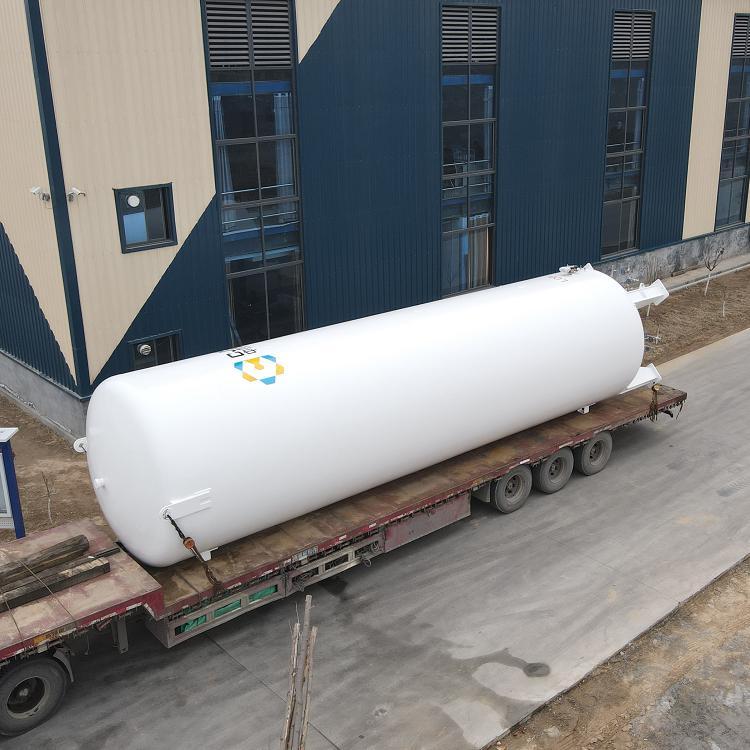
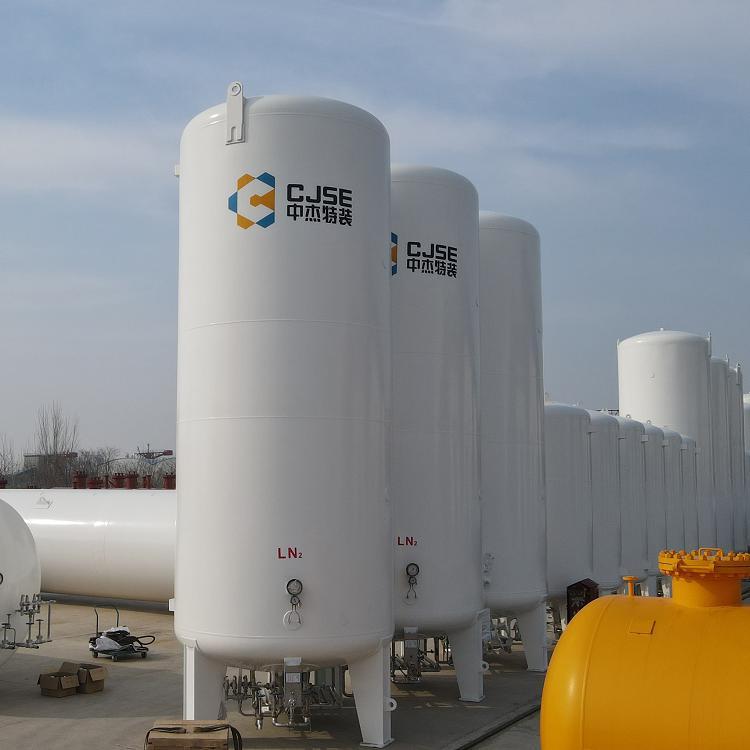
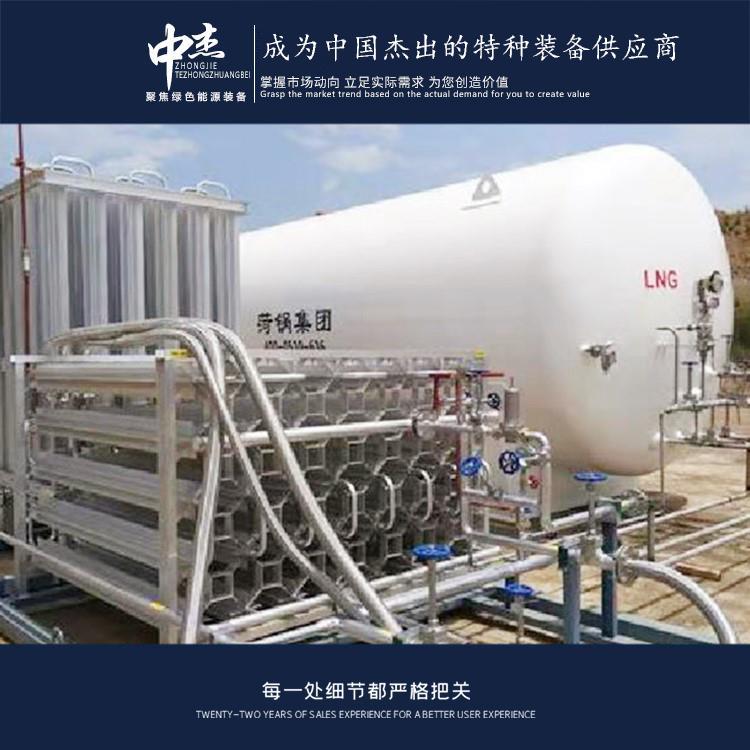
Shandong Zhongjie Special Equipment (formerly Heze Boiler Factory Co., Ltd.) was established in 2001, located at No. 2218 Jinnan Road, Economic and Technological Development Zone, Heze City. With a registered capital of 50 million yuan and total assets of 500 million yuan, the company has seven business centers: boilers, deep-freeze containers, pressure vessels, central air conditioning, engineering installation, international trade, and Internet of Things. It has three manufacturing sites on Jinnan Road, East Changjiang Road, and Bohai Road, covering a total of 200,000 square meters. The main workshop spans 83,000 square meters. Currently, there are 710 employees, including 247 engineers and technicians, and 82 intermediate-level technicians. In December 2016, it was recognized as a "High-Tech Enterprise" by the Science and Technology Department. In June 2021, it was identified as a "Specialized, Fine, and New Enterprise of Shandong Province" by the Department of Industry and Information Technology. In June 2022, it was recognized as a "Gazelle Enterprise of Shandong Province" and in August 2022, it was identified as a "Specialized, Fine, and New Small Giant Enterprise" by the Ministry of Industry and Information Technology.
In pressure vessel design, several common "thickness" parameters must be considered:
Wall Thickness: Refers to the actual thickness of the pressure vessel wall, i.e., the thickness of the container wall. The selection of wall thickness must consider factors such as the design pressure of the container, the strength of the material, and its corrosion resistance to ensure the strength and safety of the container.
Bend Allowance: The bend allowance refers to the additional thickness added to the wall thickness during the manufacturing process to ensure the strength and shape of the container's bending sections. The calculation and selection of the bend allowance should consider factors such as the container's bending radius and the material's bendability.
Corrosion Allowance: The corrosion allowance refers to the additional thickness added to the wall to combat internal or external corrosion of the container. The selection of the corrosion allowance must consider the working environment of the container and the corrosive properties of the medium it comes into contact with, to ensure the container can withstand the effects of corrosion throughout its service life.
These "thickness" parameters play a crucial role in pressure vessel design, impacting the vessel's strength, corrosion resistance, and safety. During the design process, it is necessary to select and calculate these thickness parameters rationally, based on relevant standards and specifications, considering the vessel's usage conditions and requirements, to ensure that the design and manufacturing meet the standards.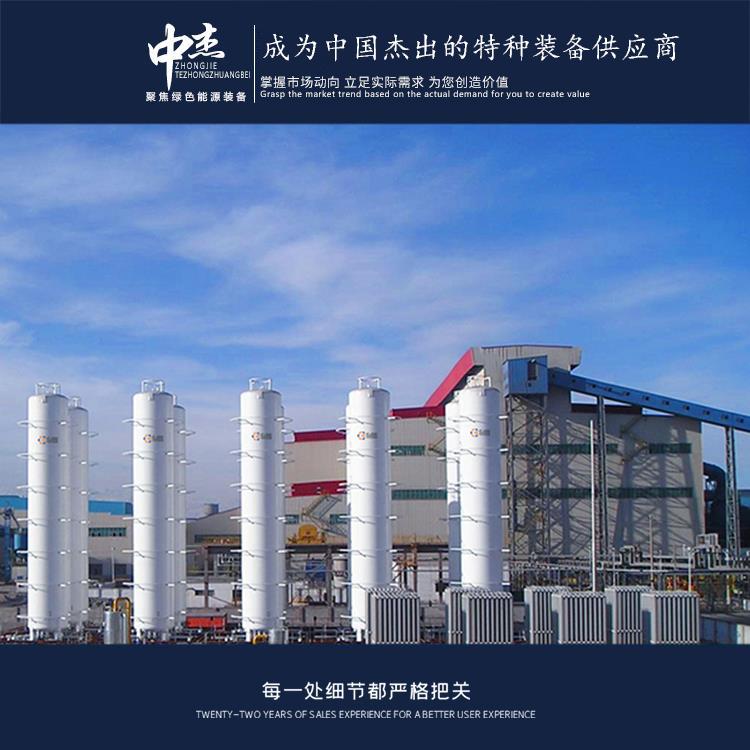
When cleaning a low-temperature liquid storage tank, the following steps should be taken:
Safety Preparations: Prior to cleaning, ensure there are no remaining liquids or gases inside the tank, and confirm that the tank has been properly drained and vented. Wear appropriate personal protective equipment, such as protective suits, gloves, and safety shoes.
Cleaning Agent Selection: Choose a cleaner suitable for low-temperature environments and liquid storage tank materials. Common cleaners include acidic and alkaline solutions, organic solvents, or specialized cleaners. Select the appropriate cleaner based on the tank material and the nature of the contaminants.
Cleaning Process: Inject the cleaning agent into the tank and clean the interior walls using appropriate tools (such as sprayers, brushes, or high-pressure water). Multiple cleanings may be performed as needed to ensure all contaminants are removed.
Washing and Discharging: After cleaning, rinse with clean water or an appropriate solvent to remove all cleaning agents and residues. Ensure the tank is dry and discharge the rinse water into the appropriate treatment system.
Inspection and Verification: After cleaning, inspect the tank to ensure no residual contaminants remain inside. Appropriate detection equipment or methods, such as optical inspection, chemical analysis, or ultrasonic testing, can be used to verify the cleaning effectiveness.
Be mindful that when cleaning low-temperature liquid storage tanks, it's crucial to adhere to relevant safety regulations and operational guidelines. Liquid storage tanks are typically highly flammable and exhibit low-temperature characteristics, so operators must strictly follow safety procedures to ensure the safety of personnel and equipment. During the cleaning process, attention should be given to prevent leaks of cleaning agents and contaminants, and appropriate measures should be taken for handling and disposal.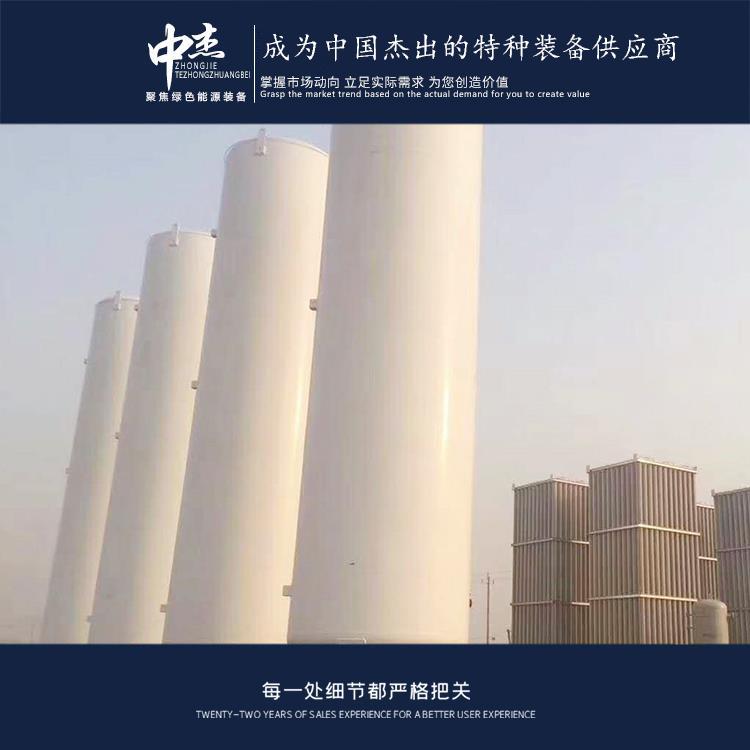
Routine maintenance is one of the key methods to ensure the safety of low-temperature storage tanks. The following are some common maintenance measures:
Regular Inspections: Conduct regular inspections of the low-temperature storage tanks, including checks on the exterior, internal structure, and corrosion-resistant coatings. Look for cracks, corrosion, wear, and other issues, and address potential safety hazards promptly.
Cleaning and De-icing: Regularly clean the external surface and internal structure of the low-temperature storage tank to remove accumulated dirt and ice layers. The buildup of ice can lead to structural damage and corrosion; cleaning and de-icing can extend the lifespan of the tank.
Level Monitoring: Regularly monitor the liquid level of low-temperature storage tanks to ensure it remains within the safe range. Excessive or low levels can lead to overpressure or over-vacuum in the tank, increasing safety risks.
Leak Detection: Install a leak detection system to regularly check for leaks in low-temperature storage tanks. Leaks can lead to the escape and evaporation of liquids or gases, increasing safety risks.
Corrosion Protection Measures: Implement appropriate corrosion protection measures, such as coating protection and corrosion-resistant coatings, to safeguard the metallic structure of low-temperature storage tanks from corrosion.
Emergency Fault Handling: Establish an emergency fault handling mechanism to promptly address and repair issues with low-temperature storage tanks, preventing accidents from occurring or escalating.
Training and Development of Personnel: Train and develop operational and maintenance personnel to ensure they possess relevant knowledge and skills for the proper operation and maintenance of low-temperature storage tanks.
Note that maintenance and care should be tailored to the specific type of tank and usage conditions, adhering to relevant local regulations, standards, and specifications. During maintenance, it is advisable to consult with engineers or guidance from relevant institutions to ensure the tank's safety and reliability.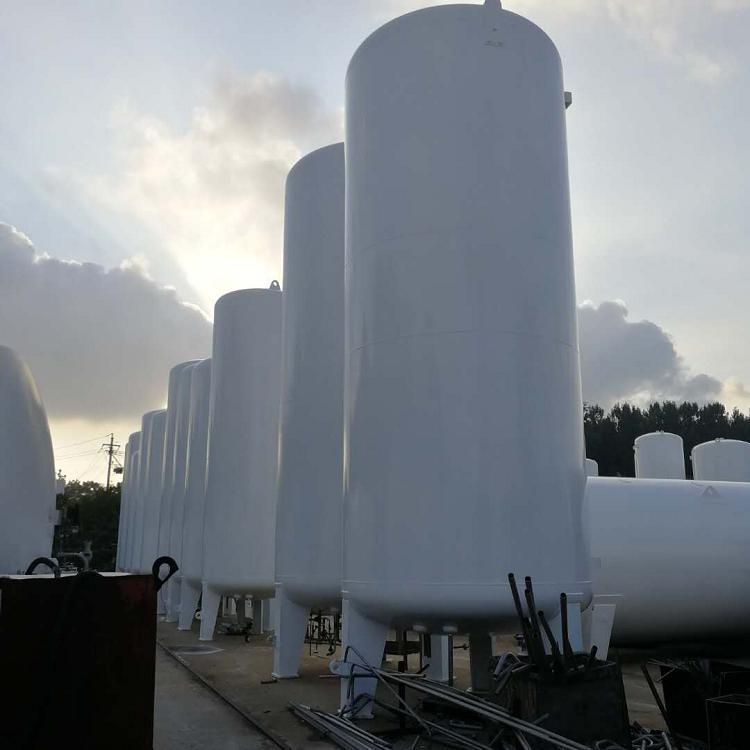
Liquid Argon Storage Tanks are equipment used for storing and transporting liquid argon, featuring the following characteristics:
Low-temperature retention performance: The liquid argon tank is equipped with special insulation materials and structural design, effectively maintaining the low-temperature state of liquid argon. The tank is internally lined with insulation to minimize heat conduction and loss, ensuring long-term storage of liquid argon.
High-sealing performance: The liquid argon storage tank boasts excellent sealing properties, effectively preventing any leakage or evaporation of liquid argon. The tank's valves, connectors, and sealing components are precisely designed and manufactured to ensure reliable sealing performance.
High strength and corrosion resistance: The liquid argon tank is made of high-strength materials, capable of withstanding the high pressure and low temperature of liquid argon. Both the internal and external surfaces of the tank are specially treated, offering excellent corrosion resistance and resistance to corrosion and oxidation by liquid argon.
Safety Features: The liquid argon storage tank is equipped with multiple safety protection measures, including safety valves, pressure sensors, and level monitoring devices. These devices monitor and control the tank's pressure, temperature, and level to ensure safe operation within the tank.
Reliability and Stability: The liquid argon tank undergoes rigorous design, manufacturing, and testing, offering excellent reliability and stability. The tank can store and transport liquid argon stably for extended periods, ensuring the quality and performance of the liquid argon remain unaffected.
Easy to Operate and Maintain: The liquid argon tank is relatively simple to operate and maintain, equipped with easy-to-use valves and fittings. The maintenance tasks mainly include regular inspections, cleaning, and repairs, which can extend the lifespan of the tank.
The performance characteristics of liquid argon tanks make them essential for the storage and transportation of liquid argon, widely used in scientific research, industry, and other fields. When using liquid argon tanks, it is crucial to strictly adhere to the relevant operational specifications and safety requirements to ensure safe usage.
Zhongjie Special Equipment adheres to the grand vision of "realizing employees' dreams, creating value for customers, and striving for the prosperity and strength of our motherland," and is dedicated to the development of the green energy equipment industry. We offer society high-quality products and services with competitive pricing!
Xuancheng Nitrogen Storage Tank - In Stock Supply
