


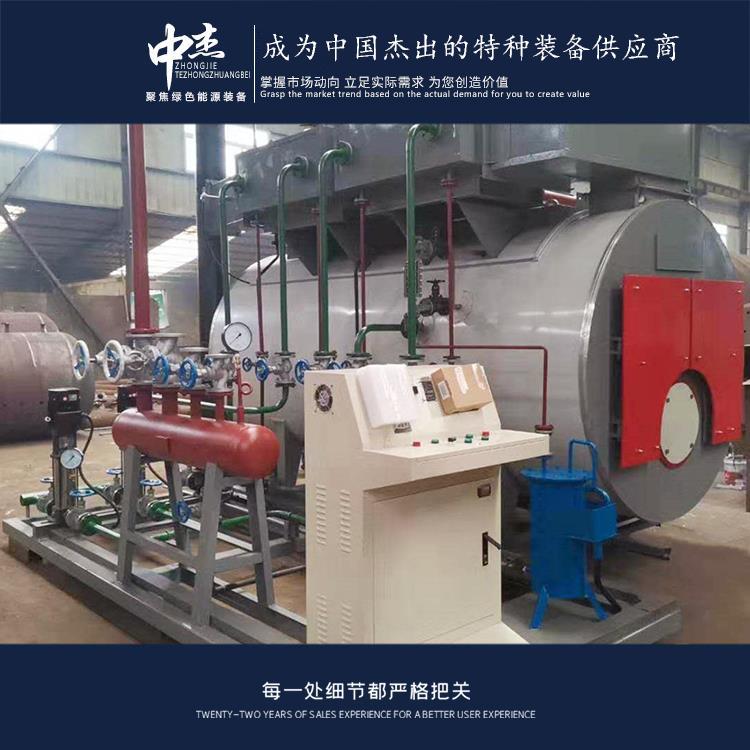
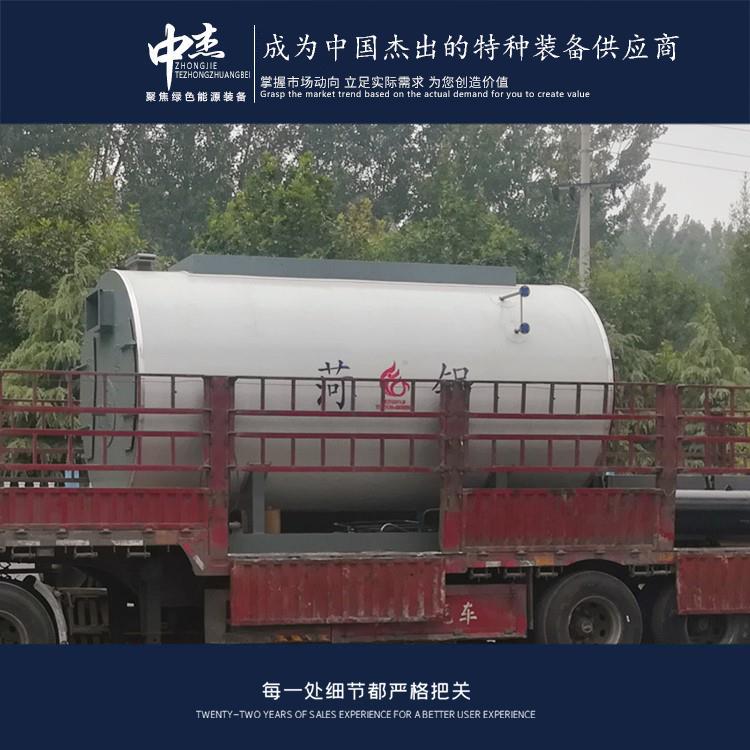
Shandong Zhongjie Special Equipment Co., Ltd. (formerly Heze Boiler Factory Co., Ltd.) holds an A-grade boiler manufacturing license, an A2-grade pressure vessel manufacturing license, an A2-grade pressure vessel design license, B-grade boiler installation and GB2/Class, GC2/Class pressure pipeline installation licenses, and an electromechanical equipment installation contracting qualification. It is a member of the China Boilers and Water Treatment Association, the China Chemical Equipment Association, and the理事 member of the Shandong Equipment Manufacturing Association. The company has also passed the ISO9001 Quality Management System, ISO14001 Environmental Management System, OHSAS18001 Occupational Health and Safety Management System certifications, and the U.S. ASME/U2 certification.
The management system for gas heat transfer oil furnace equipment incidents primarily includes the following aspects:
1. Equipment Safety Management System: Establish and improve the safety management system for gas heat transfer oil furnace equipment, clarify responsibilities and authorities, and ensure the safe operation of the equipment. This includes equipment safety operation procedures, emergency response plans for accidents, equipment inspection and maintenance schedules, etc.
2. Equipment Maintenance Management System: Establish equipment maintenance management systems, clarify maintenance responsibilities and plans. This includes regular equipment inspections, maintenance, and repairs to ensure the normal and safe operation of the equipment.
3. Equipment Operation Management System: Establish equipment operation management systems, clarify operation procedures and requirements. This includes start-up, shutdown, adjustment, and monitoring procedures for the equipment to ensure safety and operational integrity.
4. Equipment Incident Management System: Establish equipment incident management systems, clarify reporting, investigation, and handling procedures for incidents. This includes incident reporting requirements, responsibility追究, cause analysis, and improvement measures to reduce incidents and minimize losses.
5. Equipment Training and Assessment System: Establish equipment training and assessment systems to ensure operators possess the necessary skills and knowledge. This includes equipment operation training, safety training, and technical training, along with regular assessment and evaluation of operators.
6. Equipment Inventory and Record Management System: Establish equipment inventory and record management systems to document equipment operation, maintenance records, and incident records. This includes equipment inventory management, completion and preservation of maintenance records, and organization and analysis of incident records for equipment management and issue tracing.
The above are some basic contents of the management system for gas heat transfer oil furnace equipment incidents. Specific management systems should be formulated and improved based on actual conditions. At the same time, relevant laws, regulations, and standards must be adhered to to ensure the safety and environmental performance of the equipment.
Potential operational issues with the fuel system of a thermal oil furnace include:
- Inadequate fuel quality: Using low-quality or contaminated fuel can lead to problems in the fuel system. For instance, the presence of impurities, water, or excessive additives can cause clogs in the fuel pump, nozzle, and burner, affecting fuel supply and combustion efficiency.
- Fuel filter not cleaned or replaced regularly: The fuel filter's purpose is to filter impurities and particles from the fuel to prevent them from entering the fuel system. If the fuel filter is not cleaned or replaced regularly, it can become clogged, impacting fuel flow and supply.
- Improper fuel pump adjustment: Proper adjustment of the fuel pump is crucial for maintaining stable fuel supply volume and pressure. Incorrect adjustment can result in either over-supply or under-supply of fuel, leading to incomplete combustion or insufficient fuel supply, affecting the furnace's temperature and thermal efficiency.
- Fuel nozzle clogging or wear: The fuel nozzle is a critical component that atomizes and injects fuel into the furnace. Clogging or wear of the nozzle can lead to uneven fuel injection or incorrect spray angles, affecting combustion efficiency and thermal performance.
- Insufficient fuel preheating: Fuel needs to be preheated before entering the burner to enhance combustion efficiency. Insufficient preheating can increase fuel viscosity, impacting its flow and injection performance.
- Fuel system oil leakage: The sealing integrity of the fuel system is vital for stable fuel supply. Oil leakage in the fuel system can lead to fuel supply instability.
If a gas boiler gas leak is detected, the following measures must be taken immediately to handle the situation:
1. Immediately shut off the gas supply: First, quickly close the gas supply valve to cut off the gas supply. This prevents further leakage and reduces safety risks.
2. Ventilation: Open windows and doors to ensure proper indoor air circulation and expel any remaining gas. This helps lower the indoor gas concentration, reducing the risk of explosion and poisoning.
3. Avoid open flames and electrical appliances: In the event of a gas leak, avoid using open flames and electrical equipment to prevent fire or electrical sparks that could trigger an explosion.
4. Do not operate electrical switches: Do not operate electrical switches, including lights, TVs, computers, etc., to prevent the generation of sparks that could cause an accident.
5. Contact the gas company or personnel: Promptly contact the local gas company or personnel to report the gas leak and request their inspection and repair.
6. Do not use a mobile phone or make phone calls: Do not use a mobile phone or make phone calls in case of a suspected gas leak to prevent static electricity from causing an explosion.
7. Keep away from the leak area: Try to stay as far away from the leak area as possible to ensure your safety. Do not approach the gas boiler or the leak point to avoid injury.
Remember, handling a gas boiler gas leak is a dangerous task that requires caution. It is best left to trained personnel to ensure safety.
To reduce the operational costs of gas boilers, consider the following aspects:
1. Combustion System: Ensure the stability of the combustion system in the gas boiler. Regularly inspect and maintain the burners, clean the nozzles and combustion chamber, adjust the ratio of gas and air to improve combustion efficiency and reduce gas waste.
2. Energy-Saving Control System: Install and use energy-saving control systems, such as smart thermostats and timers. These systems can automatically adjust the boiler's operating status based on actual needs, avoiding unnecessary energy waste.
3. Regular Maintenance: Perform regular maintenance on gas boilers, including cleaning heat exchangers, inspecting and replacing seals, and clearing gas pipes. Maintain the boiler's normal operation to reduce energy loss and prevent breakdowns.
4. Heat Recovery: Consider installing heat recovery devices such as waste heat recovery systems or flue gas heat exchangers. These devices can utilize the excess heat from the flue gas of the gas boiler to heat water or other equipment requiring heat, improving energy efficiency.
5. Pipe Insulation and Leak Checks: Ensure that the insulation of gas and hot water pipes is effective to reduce energy loss. Regularly check for pipe leaks and make timely repairs to avoid energy waste and safety hazards.
6. Energy Management and Monitoring: Establish an effective energy management system to monitor and analyze the energy consumption of gas boilers. Through data analysis and optimizing operating strategies, identify energy-saving potential and improvement directions.
7. Training and Awareness: Provide employee training to enhance awareness of the operation and maintenance of gas boilers. The improvement of employees' knowledge and skills contributes to better management and operation of gas boilers, reducing operational costs.
By considering these factors comprehensively, you can effectively reduce the operation costs of gas boilers.
Shandong Zhongjie Special Equipment, welcome customers to our factory for business discussions.
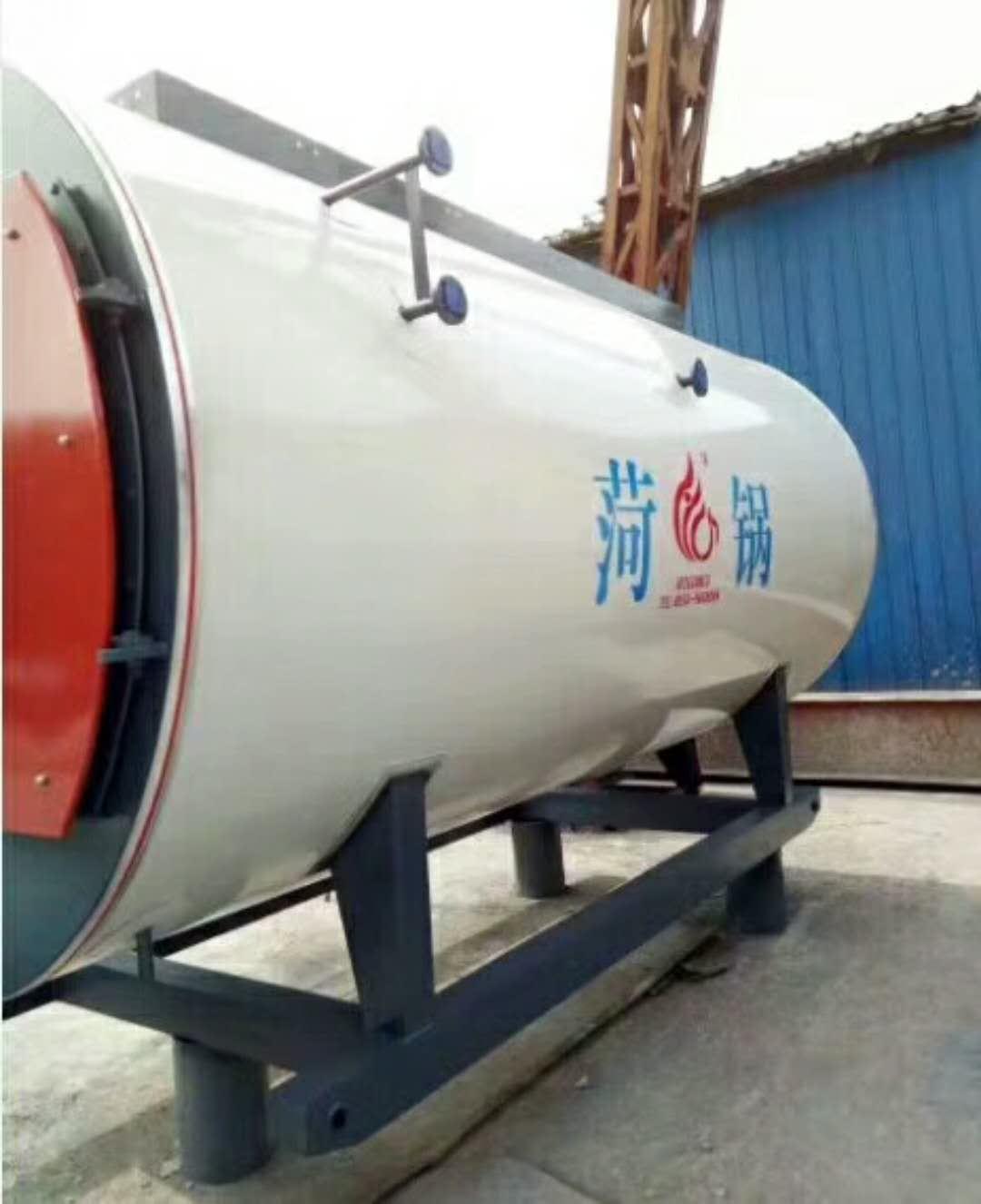
Tianmen 3-ton gas boiler
