


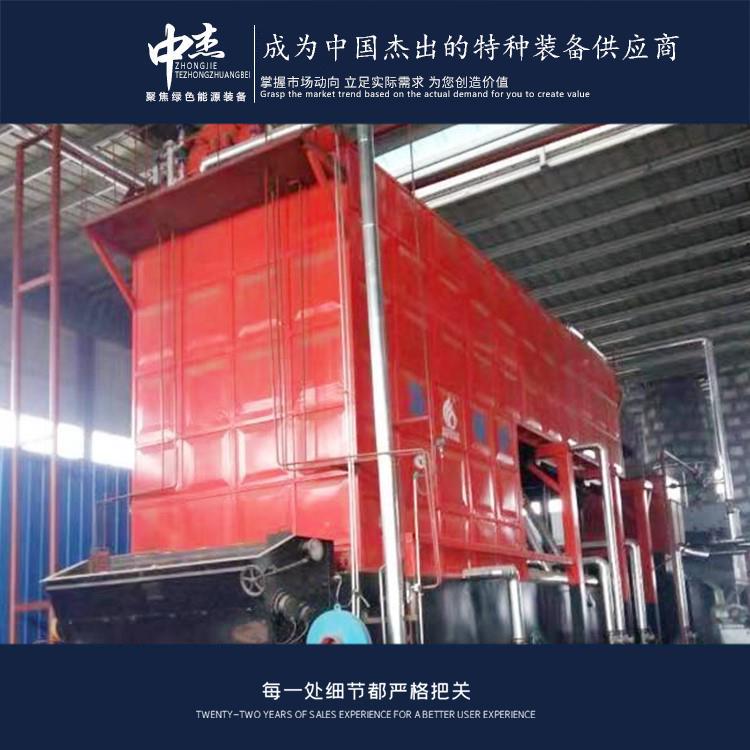
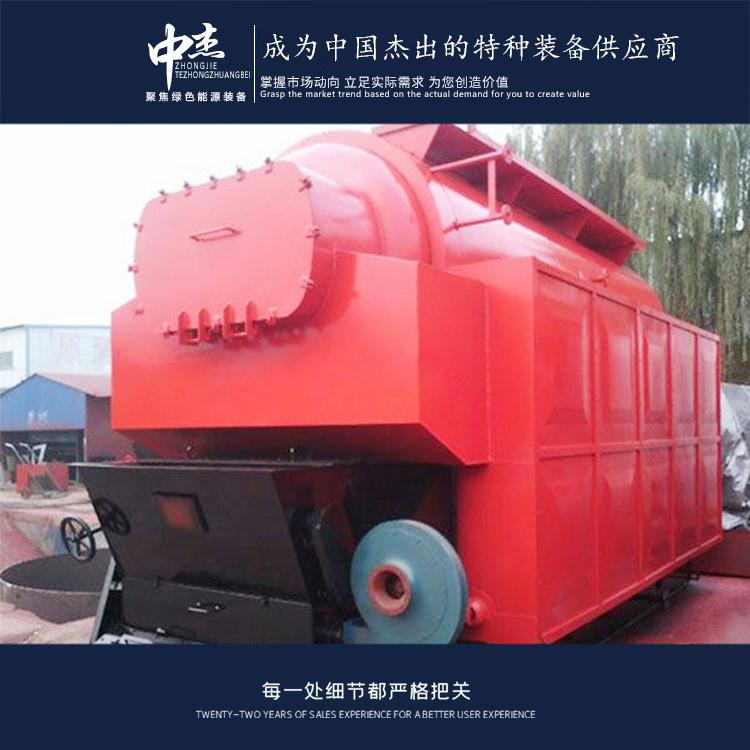
Shandong Zhongjie Special Equipment (formerly Heze Boiler Factory Co., Ltd.) was established in 2001, located at No. 2218 Jinnan Road, Economic and Technological Development Zone, Heze City. With a registered capital of 50 million yuan and total assets of 500 million yuan, the company has 7 business centers: boilers, deep-freezing containers, pressure vessels, central air conditioning, engineering installation, international trade, and Internet of Things. It has three factory sites on Jinnan Road, East Changjiang Road, and Bohai Road, covering a total area of 200,000 square meters, with the main workshop spanning 83,000 square meters. The company currently employs 710 people, including 247 engineers and technicians, and 82 intermediate-level technical personnel. In December 2016, it was recognized as a "High-tech Enterprise" by the Science and Technology Department. In June 2021, it was identified as a "Specialized and New Enterprise in Shandong Province" by the Ministry of Industry and Information Technology. In June 2022, it was recognized as a "Gazelle Enterprise in Shandong Province" and in August 2022, it was identified as a "Specialized and New Small Giant Enterprise" by the Ministry of Industry and Information Technology.
Biomass boilers offer the following environmental benefits:
Renewable Energy: The fuel used in biomass boilers is renewable energy, such as wood chips, straw, waste materials, etc. Compared to fossil fuels, the use of biomass fuel can reduce dependence on limited resources and lower energy consumption.
Low carbon emissions: The amount of carbon dioxide released during the combustion of biomass fuel is roughly equivalent to the amount absorbed during its growth, forming a closed carbon cycle. Compared to the combustion of fossil fuels, biomass boilers have lower carbon emissions, contributing significantly to the reduction of greenhouse gas emissions.
Reduced Pollution Emissions: The combustion of biomass fuel produces relatively low levels of pollutants. Compared to coal combustion, biomass boilers emit lower amounts of nitrogen oxides, sulfur oxides, and particulates, resulting in less pollution to the atmosphere.
Waste Utilization: Biomass boilers can use waste materials as fuel, such as crop straw and wood waste. If these wastes are not utilized, they may impact the environment. By utilizing biomass boilers, we can achieve the resourceful utilization of waste, reducing the issues of waste disposal and handling.
Heat Recovery Utilization: Biomass boiler flue gas contains a large amount of heat energy, which can be recovered and utilized through flue gas waste heat recovery units. Using the excess heat in flue gas for heating, hot water, etc., improves energy utilization efficiency and reduces energy waste.
Sustainable Development: High sustainability of biomass fuel
The biomass boiler combustion technology refers to the process of burning biomass fuel to release thermal energy. Here are common biomass boiler combustion technologies:
Firing Methods: Biomass boilers can utilize various firing methods, including direct combustion, gasification combustion, and liquefaction combustion, etc. Direct combustion involves burning biomass fuel directly in the furnace; gasification combustion converts biomass fuel into combustible gases at high temperatures before burning; and liquefaction combustion burns biomass fuel after converting it into liquid fuel.
Combustion Control: Biomass boilers require a combustion control system to regulate fuel supply, air supply, and the combustion process. By adjusting the ratio of fuel to air, the combustion temperature and efficiency are controlled to achieve a stable combustion process.
Combustion Equipment: The combustion equipment of biomass boilers includes the furnace chamber, grate, and combustion chamber, etc. The furnace chamber is the main area for combustion, the grate is used to support and burn the fuel, and the combustion chamber provides an appropriate environment for combustion.
Combustion Equipment: To enhance the combustion efficiency and environmental performance of biomass boilers, combustion equipment such as preheaters, dust collectors, and desulfurization units are often fitted. Preheaters are used to increase the combustion temperature and thermal efficiency of the fuel, dust collectors to remove particulates from flue gas, and desulfurization units to remove sulfur compounds.
Combustion control and monitoring: Biomass boilers require equipment for combustion control and monitoring.
During the operation of biomass hot water boilers, pay attention to the following aspects:
Fuel Quality: Select biomass fuel in the required quantity, ensuring the moisture content and particle size meet the boiler's specifications. Low-quality fuel may lead to incomplete combustion and blockages.
Combustion Effect: Pay attention to the monitoring and adjustment of the combustion effect to ensure the stability and completeness of the combustion process. Adjust combustion parameters, such as combustion temperature and time, in accordance with the boiler's operating status and fuel characteristics.
Clean combustion system: Regularly clean the combustion system, including the combustion chamber, burner, and burner nozzle. Remove soot, deposits, and dirt to maintain the free flow of the combustion system, preventing incomplete combustion and unstable flames.
Water Treatment: Pay attention to the water treatment of the boiler, including water hardness, alkalinity, and impurities in the water. Take appropriate water treatment measures based on the water quality to prevent scale and corrosion, and protect the boiler's heat exchangers and pipes.
Regular Maintenance: Perform regular maintenance on biomass hot water boilers, including cleaning, lubrication, and tightening. Inspect all components and connections of the boiler to ensure they are functioning properly and maintain optimal working condition.
Safe Operation: Adhere to the boiler operation procedures and safety regulations to ensure the safe operation of the boiler. Monitor and control parameters such as pressure and temperature, and promptly address any abnormal situations.
In summary, pay attention to fuel quality, combustion efficiency, cleanliness of the combustion system, water treatment, regular maintenance, and safety.
The reasons for energy conservation in biomass steam boilers mainly include the following points:
Energy Costs: Energy-saving measures can reduce the energy consumption of biomass steam boilers, lower energy costs, and enhance economic benefits.
Environmental Protection: Energy conservation can reduce carbon emissions and other pollutants from biomass steam boilers, minimizing environmental impact and protecting ecological environments.
Sustainable Development: Energy conservation extends the lifespan of biomass resources, promotes sustainable development, and reduces reliance on natural resources.
To achieve energy-saving in biomass steam boilers, the following measures can be taken:
Boiler Design Optimization: By optimizing the structural design and combustion system of the boiler, enhance the efficiency of heat energy utilization and reduce energy waste.
Optimized Combustion Control: Utilizing advanced combustion control technology to regulate the combustion process, reducing fuel consumption and emissions.
Heat Recovery Utilization: Employing waste heat recovery technology to reclaim heat energy from flue gas in boilers, enhancing energy utilization efficiency.
Water Treatment Optimization: Utilize appropriate water treatment technology to prevent scaling and corrosion issues, enhancing the boiler's heat transfer efficiency.
Regular Maintenance: Regular maintenance of biomass steam boilers ensures optimal equipment condition, reducing energy loss and the occurrence of malfunctions.
System Operation Optimization: By employing reasonable operational management and control strategies, optimize the operational parameters of biomass steam boilers to enhance system efficiency and stability.
Training and Awareness Enhancement: Strengthen employee training and awareness to improve energy management and conservation awareness, promote the implementation and continuous improvement of energy-saving measures.
By integrating these measures, energy efficiency in biomass steam boilers can be effectively achieved, reducing energy consumption and environmental impact, and enhancing the economic and sustainable performance of the equipment.
Shandong Zhongjie Special Equipment, welcome customers to our factory for cooperation discussions.
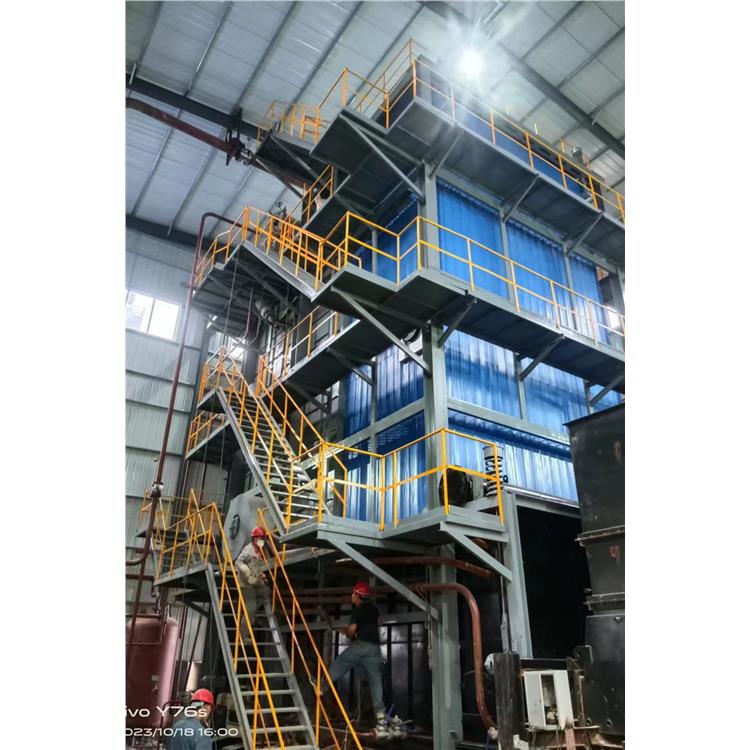
Wuxi 35-ton biomass boiler, available for customization
