


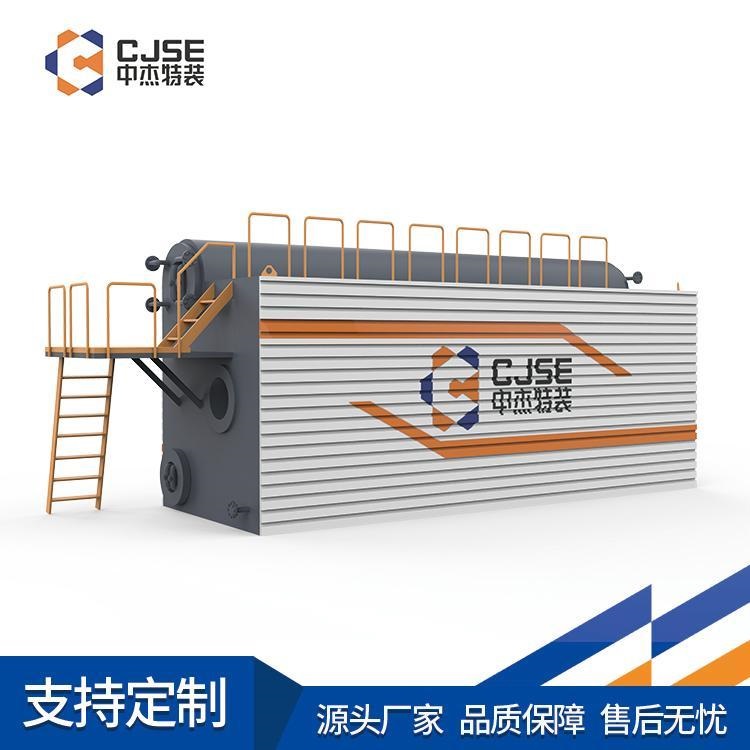
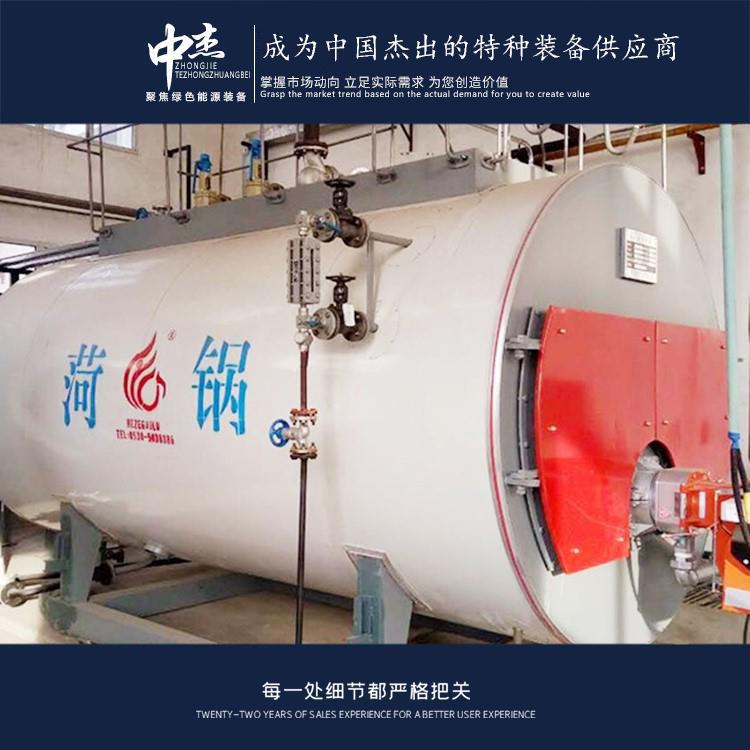
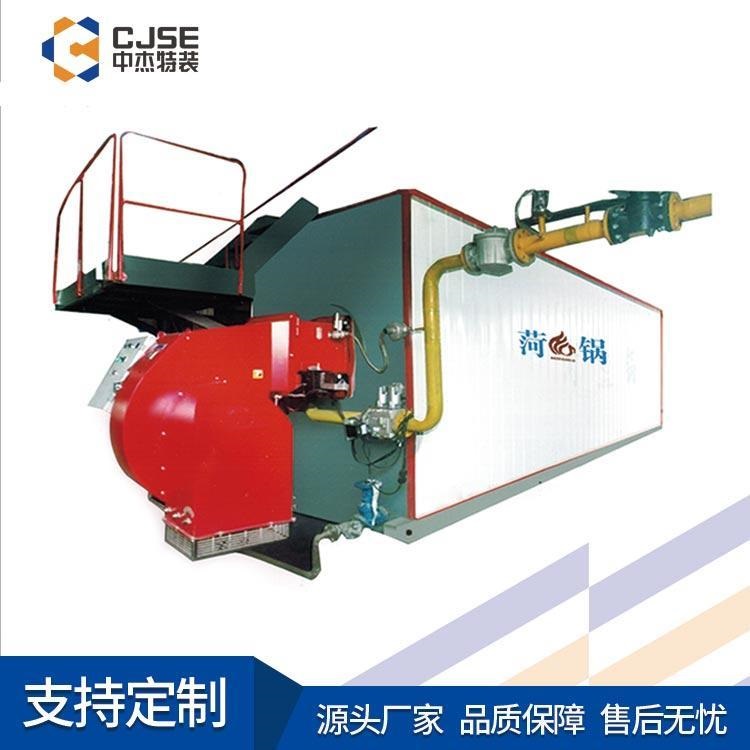
Shandong Zhongjie Special Equipment (formerly Heze Boiler Factory Co., Ltd.) holds an A-grade boiler manufacturing license, an A2-grade pressure vessel manufacturing license, an A2-grade pressure vessel design license, a B-grade boiler installation license, and GB2/Class, GC2/Class pressure pipeline installation licenses, as well as a mechanical and electrical equipment installation contracting qualification. It is a member of the China Boiler and Water Treatment Association, the China Chemical Equipment Association, and the Council Member of the Shandong Equipment Manufacturing Association. The company has also passed the ISO9001 Quality Management System, ISO14001 Environmental Management System, OHSAS18001 Occupational Health and Safety Management System certifications, and the ASME/U2 certification.
To reduce the operating costs of gas boilers, consider the following aspects:
1. Combustion System: Ensure the stability of the combustion system in the gas boiler. Regularly inspect and maintain the burners, clean the nozzles and combustion chamber, adjust the ratio of gas to air to enhance combustion efficiency and minimize gas waste.
2. Energy-Saving Control System: Install and use energy-saving control systems such as smart thermostats and timers. These systems can automatically adjust the boiler's operating status based on actual needs, avoiding unnecessary energy waste.
3. Regular Maintenance: Conduct regular maintenance on gas boilers, including cleaning heat exchangers, inspecting and replacing seals, and clearing gas pipelines. Maintain the boiler's normal operating condition to reduce energy loss and prevent malfunctions.
4. Heat Recovery: Consider installing heat recovery devices such as waste heat recovery units or flue gas heat exchangers. These devices can utilize the excess heat from the flue gas emitted by the gas boiler to heat water or other equipment requiring heat, improving energy utilization efficiency.
5. Pipe Insulation and Leak Checks: Ensure good insulation performance of gas and hot water pipelines to reduce energy loss. Regularly check for pipeline leaks and make timely repairs to avoid energy waste and safety hazards.
6. Energy Management and Monitoring: Establish an effective energy management system to monitor and analyze the energy consumption of gas boilers. Through data analysis and optimizing operating strategies, identify energy-saving potential and areas for improvement.
7. Training and Awareness: Provide employee training to enhance awareness of the operation and maintenance of gas boilers. Employee knowledge and skill improvement aids in effective management and operation of gas boilers, reducing operating costs.
By considering these factors collectively, you can effectively reduce operating costs of gas boilers.
Excessive exhaust gas temperature in a thermal oil boiler may be due to several reasons: Incomplete combustion: If the fuel in a thermal oil boiler is not fully combusted, it leads to a high concentration of unburned fuel and harmful substances in the flue gas, raising the exhaust gas temperature. Possible causes include insufficient fuel supply, improper adjustment of the burner, and wear on the burner. Excessive air: Excessive air can lower the combustion temperature, making the heat in the flue gas insufficient to reduce the flue gas temperature to a reasonable level. Causes may include improper burner adjustment and excessively wide air door openings. Flue blockage: Accumulation of ash, slag, or other impurities in the flue can obstruct flue gas flow, increasing the residence time of the flue gas and raising the exhaust gas temperature. Abnormal thermal oil flow: Abnormal thermal oil flow, either too high or too low, can lead to uneven heat transfer, increasing the flue gas temperature. Overheating of the boiler: Improper temperature control in the thermal oil boiler can cause overheating, raising the exhaust gas temperature. Design issues of the boiler: Design problems such as a narrow flue or poor flue gas flow can also lead to excessively high exhaust gas temperatures. To address the issue of high exhaust gas temperature, a comprehensive inspection and analysis of the thermal oil boiler is required. Solutions may include adjusting burner parameters, cleaning the flue, checking thermal oil flow and temperature control. In severe cases, boiler system modification or repair may be necessary. Additionally, regular maintenance and inspections are important preventive measures against high exhaust gas temperatures.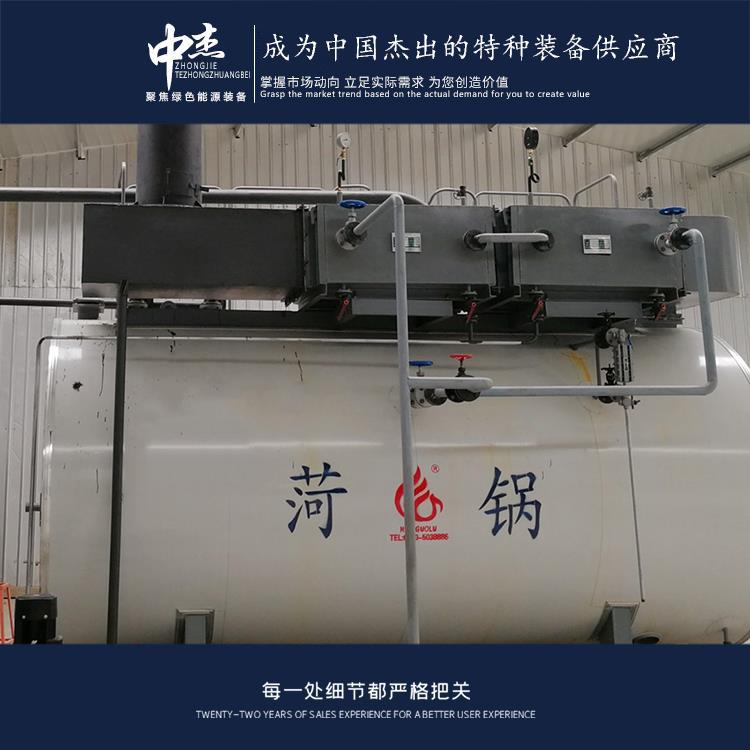
The inspection of heat-conducting oil boiler tube plates is crucial for ensuring the safe operation of the boiler and preventing potential issues. Here are the general steps for inspecting heat-conducting oil boiler tube plates:
- Visual Inspection: Conduct a visual examination to check for any obvious corrosion, cracks, deformation, or other anomalies on the surface of the tube plate. Pay special attention to inspecting for cracks or leaks at the welds and connections.
- Clean the Tube Plate: Thoroughly clean the surface of the tube plate to remove dirt and deposits for proper inspection.
- Ultrasonic Testing: Use an ultrasonic testing device to inspect the tube plate to detect any potential cracks or other defects. Ultrasonic testing helps determine the integrity and reliability of the tube plate.
- Pressure Test: Perform a pressure test to verify the sealing and pressure resistance of the tube plate. Gradually increase the pressure during the test, observe for any leakage, and ensure the tube plate can withstand the design pressure.
- Tube Plate Thickness Measurement: Use an ultrasonic thickness gauge to measure the thickness of the tube plate to ensure it meets design requirements. Pay particular attention to the corrosion condition, ensuring it remains within safe limits.
- Weld Inspection: Inspect the welds on the tube plate to ensure the quality meets relevant standards and specifications. Check the integrity of the welds, the quality of the welding, and whether the welding process meets requirements.
- Record and Report: Document and report the inspection results of the tube plate, including identified issues, corrective actions, and recommendations. These records and reports serve as references for future maintenance and management.
It is important to note that the inspection of heat-conducting oil boiler tube plates should be carried out by qualified personnel and performed strictly in accordance with relevant standards and regulations. In the event of any issues or anomalies, appropriate repair and maintenance measures should be taken promptly to ensure the safe operation of the boiler.
To optimize and improve the planning of gas-fired boilers, consider the following aspects:
1. Energy Audit and Assessment: Conduct a comprehensive energy audit and assessment to understand the energy consumption of the gas boiler system and identify potential energy-saving opportunities. Through data analysis and energy measurement, determine the main sources of energy consumption and bottlenecks to provide a basis for subsequent optimization.
2. Combustion System Optimization: Optimize the combustion system of the gas boiler, including adjustments and cleaning of burners, control of the gas-to-air ratio, and maintenance of the combustion chamber. Ensure high combustion efficiency and gas utilization, reducing energy waste.
3. Heat Recovery Utilization: Consider installing heat recovery systems such as waste heat recovery units or flue gas heat exchangers. These systems can utilize the excess heat from the flue gas emitted by the gas boiler to heat water or other equipment requiring heat, enhancing energy efficiency.
4. Pipeline Insulation and Leak Inspection: Ensure that the insulation performance of gas and hot water pipelines is good, reducing energy loss. Regularly inspect for pipeline leaks and make timely repairs to avoid energy waste and safety hazards.
5. Control System Upgrade: Consider upgrading the control system of the gas boiler to adopt automated control technology. Through precise control and regulation, achieve optimal operation of the gas boiler.
Our company highly values technological innovation and R&D, boasting one city-level enterprise technology center in Heze City. We have established testing facilities for non-destructive testing, physical and chemical testing, welding testing, hydrostatic testing, etc., and are equipped with over 600 pieces of various equipment, including CNC machine tools, X-ray flaw detectors, digital ultrasonic flaw detectors, mechanical property testing machines, chemical analyzers, spectrometers, tensile testing machines, plasma welding machines, and more. Our key products such as temperature-pressure vessel welding, biomass boiler emissions reduction, and waste heat recovery have successively been shortlisted for multiple Shandong Provincial Department of Industry and Information Technology innovation projects, Shandong Provincial key projects, and Heze City innovation and excellence projects. We have cumulatively obtained 27 authorized utility models, 16 authorized inventions, participated in drafting 2 standards, 2 industry standards, and registered 15 trademarks. Our technical team, in collaboration with Professor Yajiang Li of Shandong University, has developed deep cryogenic vessel processing technology using the internationally recognized plasma arc + filler wire tungsten inert gas (PAW-GTAW) welding technique, which has been appraised as an internationally competitive level in deep cryogenic vessel manufacturing by the provincial scientific and technological achievement evaluation authority.
Choose ZJET Customized Solutions, let's create brilliance together!
Pingxiang 4-ton gas boiler, stable performance
