


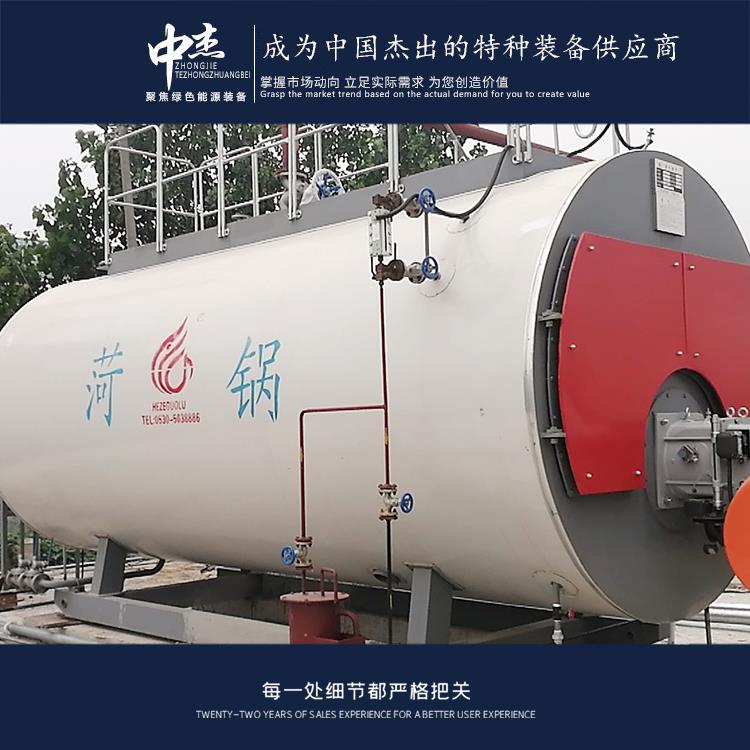
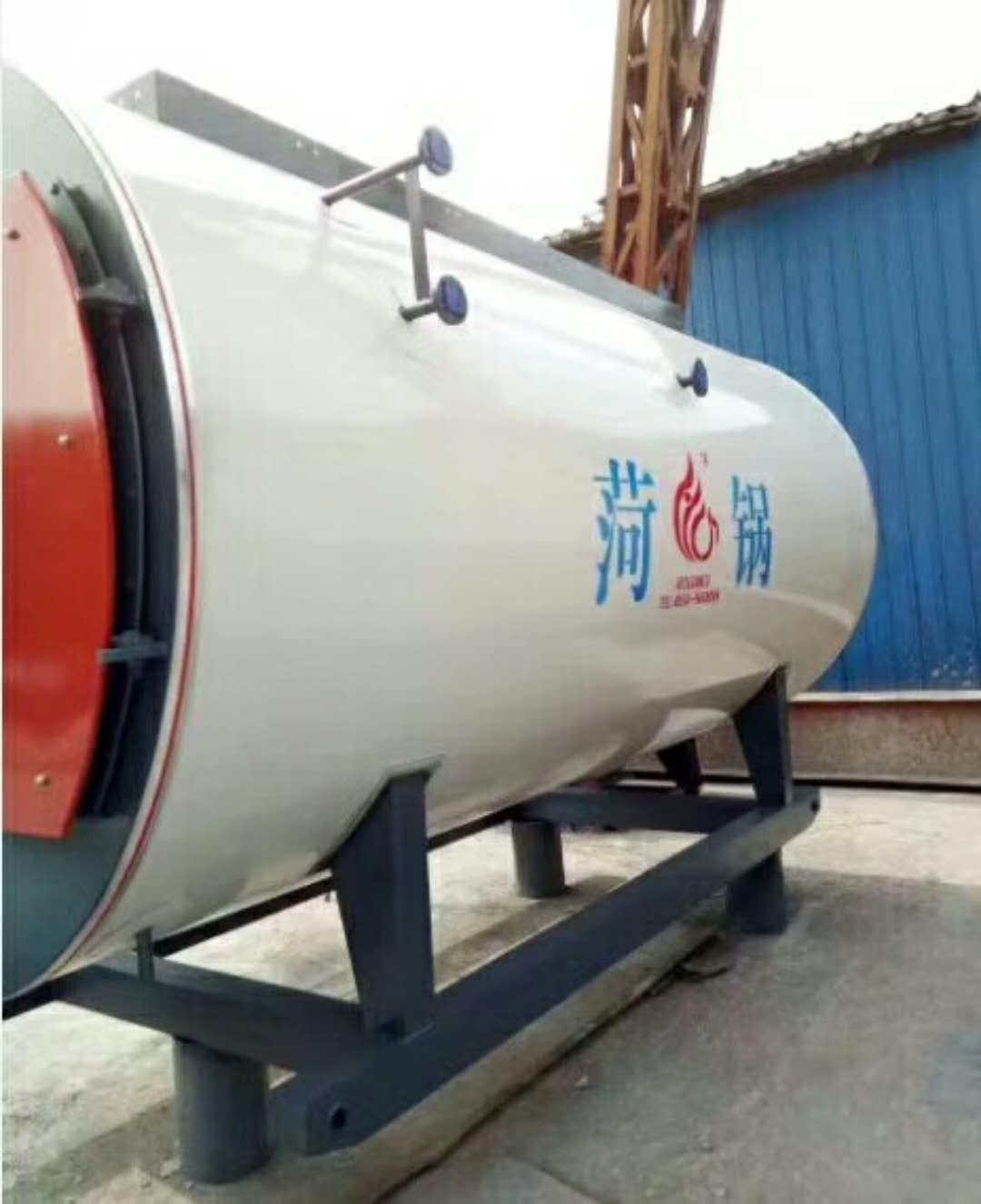
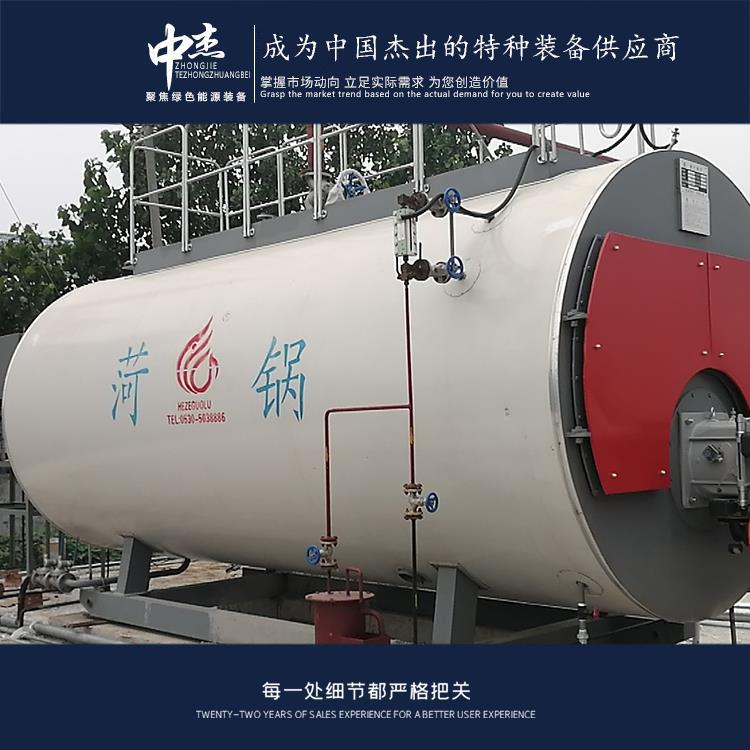
Shandong Zhongjie Special Equipment Co., Ltd. specializes in the following products: fuel (gas) boilers, organic heat carrier boilers, biomass boilers, waste heat recovery boilers, and other boiler products; vacuum insulation cryogenic pressure vessels such as LNG storage tanks, oxygen/nitrogen/argon storage tanks, and CO2 storage tanks; pressure vessel products including denitrification engineering equipment, heat storage and energy storage equipment, and complete chemical equipment; central air conditioning and ventilation equipment such as ground (water) source heat pumps, air source units, water-cooled screw units, and air-cooled modular units. Planned products include large-scale energy centers, LNG transport vehicles, LNG tank containers, and other green energy equipment.
The inspection of heat-conducting oil boiler tube plates is crucial for ensuring the safe operation of the boiler and preventing potential issues. The following are general steps for inspecting heat-conducting oil boiler tube plates:
Visual Inspection: Conduct a visual inspection to check for any obvious corrosion, cracks, deformation, or other anomalies on the surface of the tube plates. Pay special attention to checking for cracks or leaks at the welds and joints.
Clean the Tube Plates: Clean the surface of the tube plates thoroughly to remove dirt and deposits, making it easier to inspect.
Ultrasound Testing: Use an ultrasound testing device to inspect the tube plates to detect any possible cracks or other defects. Ultrasound testing helps determine the integrity and reliability of the tube plates.
Pressure Test: Perform a pressure test to verify the sealing and pressure resistance of the tube plates. Gradually increase the pressure during the test, observe for any leakage, and ensure the tube plates can withstand the designed pressure.
Tube Plate Thickness Measurement: Use an ultrasonic thickness gauge to measure the thickness of the tube plates to ensure they meet the design requirements. Pay particular attention to the corrosion condition, ensuring it remains within safe limits.
Weld Inspection: Inspect the welds on the tube plates to ensure the quality meets relevant standards and specifications. Check for the integrity of the welds, the quality of the weld, and whether the welding process meets requirements.
Documentation and Reporting: Record and report the inspection results of the tube plates, including any issues found, corrective measures, and recommendations. These records and reports can serve as references for future maintenance and management.
It is important to note that the inspection of heat-conducting oil boiler tube plates should be carried out by qualified personnel and strictly according to relevant standards and specifications. If any issues or anomalies are found, appropriate repair and maintenance measures should be taken promptly to ensure the safe operation of the boiler.
The primary benefits of installing expansion tanks in a thermal oil heater include:
- Alleviating thermal expansion and contraction: During operation, thermal oil heaters experience thermal expansion and contraction due to temperature changes. The expansion tank provides space for the thermal oil to expand, mitigating the impact of thermal expansion and contraction on equipment and pipelines, and preventing stress concentration and equipment deformation caused by such changes.
- Protecting equipment and pipelines: The expansion tank absorbs the expansion and contraction of the thermal oil, reducing impacts and vibrations on equipment and pipelines. This contributes to extending their lifespan and reducing the frequency of maintenance and replacements.
- Reducing leakage risks: The expansion tank provides an enclosed space, minimizing the risk of thermal oil leakage. When the thermal oil expands, excess can be accommodated through the expansion tank, avoiding leaks and environmental pollution.
- Facilitating maintenance and repair: The presence of the expansion tank makes maintenance and repair of the thermal oil heater system easier. When repairs or replacements are needed for equipment and pipelines, the flow and shutdown of the thermal oil can be controlled through the expansion tank, reducing downtime and the difficulty of maintenance.
-In summary, the expansion tank plays a role in mitigating thermal expansion and contraction, protecting equipment and pipelines, reducing leakage risks, and facilitating maintenance and repair in the thermal oil heater system. It is an essential design element that helps improve the safety and reliability of the system.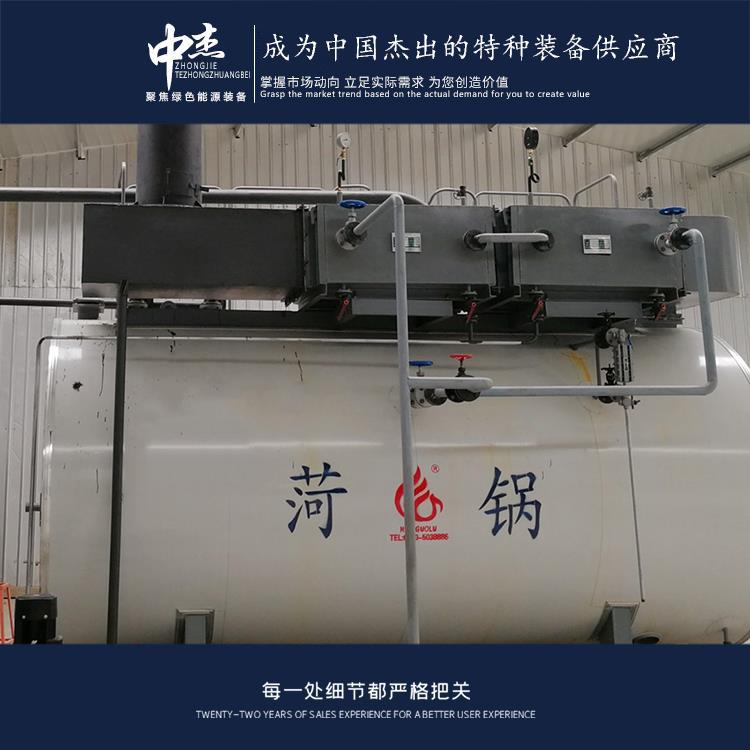
To achieve sensitive and energy-efficient performance in gas-fired hot water boilers, the following measures can be taken:
Regular maintenance and cleaning: Conduct regular maintenance and cleaning of the gas-fired hot water boiler, including cleaning the burner, flue, and heat exchanger components. This ensures the efficiency of the combustion process and heat transfer, reducing energy waste.
Smart control system: Install a smart control system to achieve automatic regulation and optimized operation of the gas-fired hot water boiler through temperature and pressure control. The smart control system can adjust the burner's operating status based on actual needs, avoiding excessive heating and energy waste.
Energy-saving equipment and technology: Utilize energy-saving equipment and technology, such as heat recovery devices and flue gas waste heat utilization systems. These devices and technologies can recover and utilize the waste heat in the flue gas emitted by the gas-fired hot water boiler, improving energy utilization efficiency.
Water quality management: Manage the water quality of the gas-fired hot water boiler rationally to prevent the accumulation of scale and dirt. Scale and dirt reduce the heat transfer efficiency of the heat exchanger and increase energy consumption. Regular water quality testing and treatment help maintain clean water quality, contributing to improved boiler energy efficiency.
Good insulation and sealing: Ensure good insulation and sealing performance of the gas-fired hot water boiler. The selection and maintenance of insulation materials, as well as the sealing of pipes and valves, can reduce heat loss and improve the boiler's energy efficiency performance.
Regular monitoring and optimization: Regularly monitor the operating status of the gas-fired hot water boiler, analyze energy consumption and efficiency indicators. Based on the monitoring results, make optimization adjustments to improve the boiler's energy efficiency performance.
By applying a comprehensive set of these measures, gas-fired hot water boilers can achieve sensitive and energy-efficient performance, enhancing energy efficiency.
Common issues and troubleshooting methods for gas boiler burners are as follows: No flame or unstable flame: Check if the gas supply is normal and ensure the gas valve is open. Clean the burner nozzle to ensure the passage is clear. Inspect the ignition electrode for cleanliness, carbon buildup, or dirt. Adjust the gas-to-air ratio to ensure proper mixing. Incomplete combustion or black smoke: Check if the gas supply is sufficient and adjust the gas pressure. Clean the burner nozzle and combustion chamber to ensure the passage is clear. Adjust the gas-to-air ratio to ensure proper mixing. Check for carbon buildup or dirt in the burner and clean or replace damaged parts. Difficulty in ignition or ignition failure: Inspect the ignition electrode for cleanliness, carbon buildup, or dirt. Adjust the position and gap of the ignition electrode to ensure normal spark generation. Check if the ignition transformer or controller is functioning properly, repair or replace damaged parts. Abnormal noise from the burner: Check if the gas supply is normal and ensure the gas valve is open. Check for loose parts in the burner and combustion chamber, tighten or replace damaged parts. Clean the burner and combustion chamber to ensure no carbon buildup or dirt. If the above methods do not resolve the issue, it is recommended to contact a gas boiler repair technician for inspection and maintenance. Also, to ensure safety, follow the relevant safety operating procedures when using a gas boiler.
ZJ Special Equipment upholds the grand vision of "realizing employees' dreams, creating value for customers, and striving for the prosperity and strength of our motherland," wholeheartedly devoting itself to the development of green energy equipment. We offer the society products and services with high performance and affordability!
Changchun Gas-Fired Boiler Customization - Available for Custom Orders
