


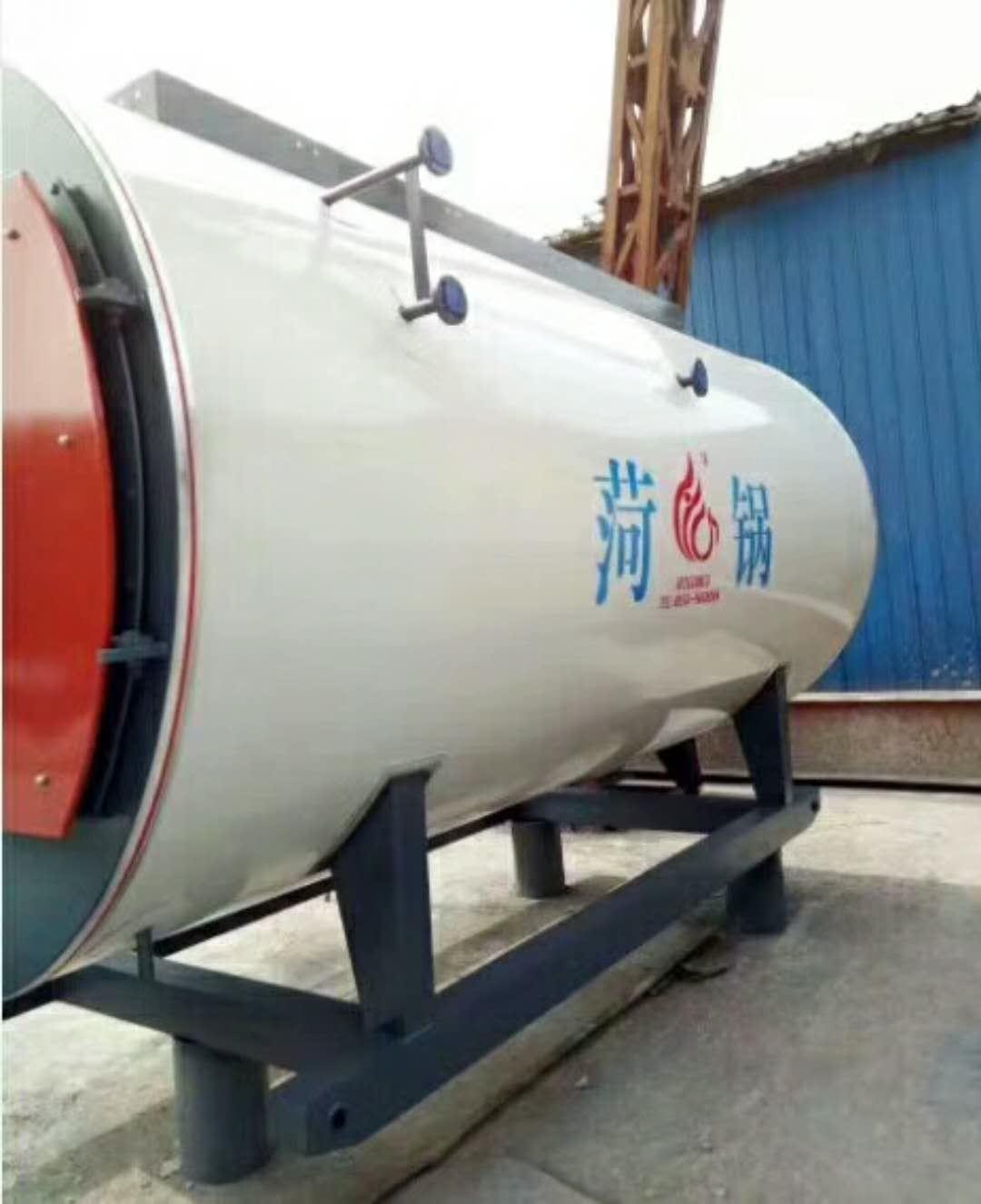
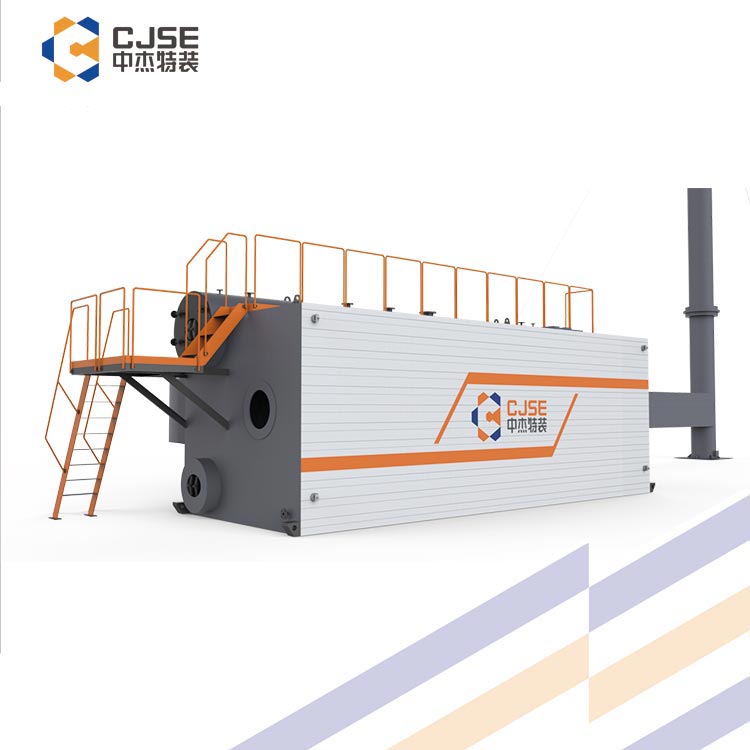
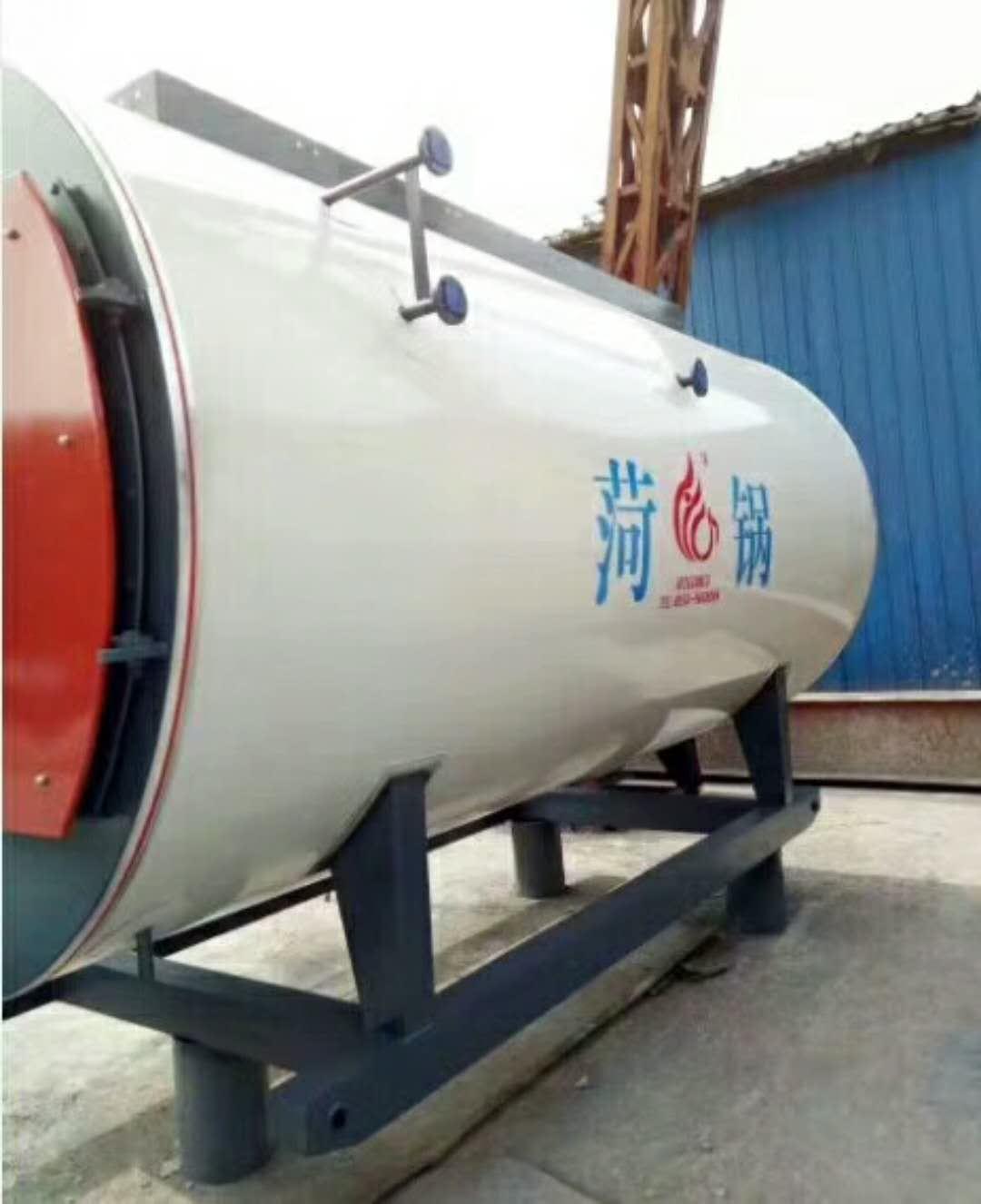
Shandong Zhongjie Special Equipment's main products include: fuel (gas) boilers, organic heat carrier boilers, biomass boilers, waste heat recovery boilers, and other boiler products; vacuum insulation cryogenic pressure vessels such as LNG tanks, oxygen/nitrogen/argon tanks, and CO2 tanks; pressure vessel products such as denitrification engineering equipment, heat storage and energy storage equipment, and complete chemical equipment sets; central air conditioning and ventilation equipment such as ground (water) source heat pumps, air source units, water-cooled screw units, and air-cooled modular units. Planned products include large-scale energy centers, LNG transport vehicles, LNG tank containers, and other green energy equipment.
Selecting a trusted boiler supplier is crucial. Here are some considerations:
1. Reputation: Understand the boiler supplier's reputation and market reputation. Obtain relevant information by reviewing customer reviews, industry reports, and certifications from organizations.
2. Quality and Performance: The quality and performance of the boiler directly impact its reliability and efficiency. Learn about the supplier's quality control system, product certifications, and technical support capabilities to ensure their products meet standards and fulfill factory requirements.
3. Technical Support and After-Sales Service: Choosing a supplier that offers comprehensive technical support and after-sales service is vital. Ensure the supplier can provide training, installation guidance, maintenance, and troubleshooting support to ensure the boiler operates smoothly.
4. Cost-Effectiveness: Besides quality and performance, consider the cost-effectiveness of the boiler. Take into account the purchase, operation, and maintenance costs to choose a supplier that offers a reasonable price and good value.
Ultimately, selecting a trusted boiler supplier requires considering these factors and making a decision based on the factory's specific needs and conditions. It's advisable to communicate and compare with multiple suppliers to gather more information and advice for an informed choice.
The decline in the consumption of thermal oil boilers can be attributed to several factors:
- Combustion Technology: Modern thermal oil boilers utilize advanced combustion technologies, such as pre-mixed combustion and flame control, enabling complete fuel combustion and enhancing thermal energy efficiency, thereby reducing energy consumption.
- Heat Recovery: Thermal oil boilers often produce a significant amount of excess heat during flue gas emissions. By employing heat recovery systems like flue gas heat recovery boilers or flue gas heat exchangers, the excess heat can be recovered and utilized, improving energy efficiency and reducing consumption.
- Intelligent Control Systems: Contemporary thermal oil boilers are equipped with intelligent control systems that can monitor and adjust operating parameters in real-time, such as temperature, pressure, and flow. This control and adjustment ensure optimal boiler operation, avoiding energy waste and loss.
- Energy-saving Retrofitting and Optimization: For older thermal oil boilers, energy-saving retrofitting and optimization can be carried out. This includes installing energy-saving equipment like variable frequency drives and modified burners to enhance energy efficiency. Additionally, optimizing the boiler system, such as improving pipe insulation and reducing leaks, can minimize energy loss.
- Energy Management and Maintenance: Effective energy management and regular equipment maintenance are crucial factors in reducing energy consumption. Implementing energy management measures like energy monitoring, metering, and promoting energy-saving awareness can identify and resolve energy waste issues. Regular equipment maintenance and upkeep ensure smooth operation and prevent unnecessary energy loss.
In summary, the decline in the consumption of thermal oil boilers can be attributed to combustion technology, heat recovery, intelligent control systems, energy-saving retrofitting, and energy management.
In textile processing factories, common types of boilers include the following:
Steam Boilers: Steam boilers are one of the most commonly used types of boilers in textile processing. They produce high-temperature, high-pressure steam, which is used for thermal treatment, dyeing, boiling, and other processes in textile processing. Steam boilers offer advantages such as rapid heating, high stability, and efficiency.
Hot Water Boilers: Hot water boilers are suitable for low-temperature textile processing processes, such as washing and drying. They provide a stable supply of hot water with high temperature control accuracy and low energy consumption.
Hot Air Furnaces: Hot air furnaces are used for drying processes in textile processing. They transfer heat energy to textiles through the hot air generated by combustion, achieving quick drying. Hot air furnaces have the advantages of fast heating and high thermal efficiency.
When selecting the appropriate boiler type for a textile processing factory, consider the following factors:
Process Requirements: Determine the required heat medium (steam, hot water, hot air) and parameters such as working temperature and pressure based on the specific process requirements of the textile processing factory.
Energy Costs and Efficiency: Consider the energy consumption and efficiency of different boiler types and choose one that meets processing needs and has high energy utilization efficiency.
Environmental Requirements: Pay attention to the emission standards and environmental performance of the boilers and select the appropriate boiler type.
To reduce heat loss in gas boilers, the following measures can be taken:
1. Improve insulation: Insulate the outer shell and pipes of the gas boiler to minimize heat loss. Use insulating materials such as rock wool and glass wool to wrap the boiler and pipes.
2. Install heat recovery systems: Install heat recovery devices in the flue of the gas boiler to utilize the excess heat in flue gases for energy recovery. This can enhance thermal efficiency and reduce heat loss.
3. Control the combustion process: Properly control the combustion process to ensure complete, stable, and efficient combustion. Adjust the parameters of the burner, such as air flow and gas supply, to improve combustion efficiency and reduce heat loss.
4. Clean the heat exchanger: Regularly clean the heat exchanger of the gas boiler to remove dirt and deposits on the surface. This maintains the heat transfer efficiency of the heat exchanger and reduces heat loss.
5. Control the exhaust gas temperature: Reasonably control the exhaust gas temperature of the gas boiler to avoid excessive temperatures leading to significant heat loss. Adjust burner parameters and flue design to achieve this.
6. Regular inspection and maintenance: Conduct regular inspections and maintenance on the gas boiler to ensure the normal operation of the equipment. This includes checking the combustion system, water level control, safety valves, and promptly repairing or replacing damaged parts.
7. Make reasonable use of waste heat: Utilize the excess heat generated by the gas boiler for other processes requiring heat, such as water heating and heating. By using waste heat, reduce energy waste and improve energy utilization efficiency.
Through these measures, heat loss in gas boilers can be effectively reduced, energy utilization efficiency can be increased, and energy consumption can be decreased.
Shandong Zhongjie Special Equipment, welcome customers to our factory for business discussions.
Xingtai Gas-Fired Boilers - Economical and Affordable
