


Shandong Zhongjie Special Equipment (formerly Heze Boiler Factory Co., Ltd.) was established in 2001, located at No. 2218 Jinnan Road, Economic and Technological Development Zone, Heze City. With a registered capital of 50 million yuan and total assets of 500 million yuan, the company operates seven business centers: boilers, deep-freeze vessels, pressure vessels, central air conditioning, engineering installation, international trade, and Internet of Things. It has three factory sites on Jinnan Road, East Changjiang Road, and Bohai Road, covering a total of 200,000 square meters, with the main workshop spanning 83,000 square meters. It currently employs 710 staff, including 247 engineering and technical personnel and 82 intermediate-level technicians. In December 2016, it was recognized as a "High-tech Enterprise" by the Science and Technology Department. In June 2021, it was named a "Specialized and New Enterprise of Shandong Province" by the Industrial and Information Technology Department. In June 2022, it was identified as a "Gazelle Enterprise of Shandong Province" and in August 2022, it was recognized as a "Specialized and New Small Giant Enterprise" by the Ministry of Industry and Information Technology.
Controlling biomass boiler slagging is a crucial measure to ensure the normal operation of the boiler and extend its lifespan. Here are some common methods to control biomass boiler slagging:
Choose fuel wisely: Opt for high-quality, properly moisture-content biomass fuel to avoid using fuel that is too wet or contains excessive impurities, reducing the likelihood of coking.
Control combustion temperature: Reasonably control the combustion temperature of biomass boilers to avoid excessively high temperatures, reducing the fuel's residence time in the furnace and lowering the risk of fouling.
Enhance furnace cleaning: Regularly clean the furnace to remove ash and accumulated dust, ensuring the furnace remains clear and reducing the likelihood of coking.
Regulate Excessive Airflow: Properly control the air supply during the combustion process of biomass boilers to prevent excessive air from entering the furnace, thereby reducing the risk of fuel oxidation and coking.
Regular Ash Blowing: Conduct regular ash blowing on biomass boiler components such as economizers and superheaters to remove ash and slag, maintaining heat exchange efficiency and reducing the likelihood of fouling.
Enhanced Monitoring and Inspection: Regularly monitor and inspect biomass boilers, including parameters such as furnace temperature, flue gas composition, and furnace pressure, to promptly detect any anomalies and take appropriate actions.
These measures can help control the coking issue in biomass boilers, maintain the normal operation of the boiler, and extend the service life of the boiler. Additionally, based on specific circumstances, other appropriate measures can be adopted in conjunction with practical operating experience and technical requirements.
Reducing the emissions of nitrogen oxides (NOx) from biomass boilers can be achieved through the following measures:
Combustion Control Technology: Utilizes advanced combustion control techniques, such as low nitrogen combustion technology. By optimizing the combustion process and regulating the combustion temperature and oxygen concentration, the formation of nitrogen oxides is reduced. Methods like staged combustion and optimized combustion chamber design can be employed to lower combustion temperatures and extend combustion times, further decreasing nitrogen oxide emissions.
SNCR Technology: Selective Non-Catalytic Reduction (SNCR) technology involves injecting a reductant, such as urea solution, during the combustion process, which reacts with nitrogen oxides to convert them into nitrogen gas and water. This technique helps reduce the formation and emission of nitrogen oxides during combustion.
SCR Technology: Selective Catalytic Reduction (SCR) technology is a nitrogen oxide control method. By injecting urea solution into flue gas and using a catalyst, nitrogen oxides are converted into nitrogen and water. SCR technology achieves nitrogen oxide removal at lower temperatures, suitable for large biomass boilers.
Flue Gas Recirculation (FGR): The FGR technology recycles a portion of the flue gas back into the boiler combustion chamber, reducing combustion temperature and oxygen concentration, thereby minimizing the formation of nitrogen oxides. This technique can control nitrogen oxide emissions by adjusting the recirculation ratio.
Fuel selection and pretreatment: Choosing low nitrogen fuels, such as low nitrogen biomass fuel, can reduce the formation of nitrogen oxides. Additionally, for biomass fuels with high nitrogen content, pretreatment measures like drying and gasification can be taken to decrease the formation of nitrogen oxides during combustion.
Regular maintenance and cleaning: Regularly maintain and clean biomass boilers to ensure the cleanliness and proper operation of components such as burners and heat exchangers. Cleaning the combustion chamber and heat exchangers can reduce the accumulation of dirt, enhance heat transfer efficiency, and decrease nitrogen oxide emissions.
By comprehensively implementing the aforementioned measures, nitrogen oxide emissions from biomass boilers can be effectively reduced, achieving both environmental protection and energy-saving goals. The specific measures to be chosen should be based on the characteristics of the boiler, its operating conditions, and emission requirements.
Preventing malfunctions is crucial for maintaining the smooth operation of biomass hot water boilers. Here are some methods for preventive maintenance:
Regular Inspections and Maintenance: Perform regular checks and maintenance on biomass hot water boilers, including cleaning, lubricating, and tightening. Verify that all parts and connections of the boiler are functioning properly, ensuring it remains in good working condition.
Clean Combustion System: Regularly clean the combustion system, including the combustion chamber, burners, and burner nozzles. Remove soot, deposits, and dirt to maintain the system's unobstructed flow and prevent incomplete combustion and unstable flames.
Inspect Water Quality: Regularly check the water quality of the biomass hot water boiler, including water hardness, alkalinity, and impurities in the water. Take appropriate water treatment measures based on the water quality to prevent scale and corrosion, and protect the boiler's heat exchangers and pipes.
Clean Heat Exchangers: Regularly clean the heat exchangers of biomass hot water boilers to remove dirt and dust. Accumulation of dirt and dust can reduce the heat transfer efficiency of the heat exchangers, affecting the boiler's thermal efficiency and operational stability.
Inspect Safety Valves and Pressure Gauges: Regularly inspect and test the safety valves and pressure gauges of the biomass hot water boiler to ensure their proper functioning. The proper operation of the safety valves and pressure gauges is crucial for ensuring the safety and stability of the boiler.
Maintain records and monitor: Document operational parameters and fault conditions of biomass hot water boilers, and conduct monitoring and analysis. Promptly identify and address issues to prevent the occurrence and escalation of faults.
The pressure-setting methods for biomass hot water boilers mainly include the following:
Natural Circulation Constant Pressure: Natural circulation constant pressure refers to the circulation of hot water to the heating system through natural convection within the boiler. Under the natural circulation constant pressure method, there is a significant difference in elevation between the supply and return water pipes of the boiler, which enables natural circulation through the density differences of the hot water. This method is suitable for small-scale biomass hot water boilers, characterized by simplicity and cost-effectiveness.
Forced Circulation Constant Pressure: This method involves using a circulating pump to force hot water to circulate through the heating system. Under the forced circulation constant pressure system, the boiler provides sufficient water pressure through the circulating pump to ensure smooth flow of hot water. This approach is suitable for large-scale biomass hot water boilers, characterized by stability and reliability.
Micro-positive Pressure Constant Pressure: Micro-positive pressure constant pressure maintains a slight positive pressure in the boiler system to ensure stable circulation of hot water. Under this method, the pressure in the boiler system is slightly higher than atmospheric pressure, driving the circulation of hot water through the pressure difference. This approach is suitable for situations requiring higher heating temperatures and greater heating distances.
Above are the common pressure maintenance methods for biomass hot water boilers. Depending on specific usage requirements and system design, the appropriate pressure maintenance method can be chosen to ensure the normal operation and heating effect of the hot water boiler.
Our company attaches great importance to technological innovation and R&D design. We have one municipal-level enterprise technology center in Heze City, equipped with testing facilities for non-destructive testing, physical and chemical testing, welding testing, hydrostatic testing, etc. We have over 600 various instruments and equipment, including CNC machine tools, X-ray flaw detectors, digital ultrasonic flaw detectors, mechanical property testing machines, chemical analyzers, spectrometers, tensile testing machines, plasma welding machines, and more. Our key products and technologies, such as welding for temperature and pressure vessels, biomass boiler emissions reduction, and waste heat utilization, have successively been selected for multiple Shandong Provincial Department of Industry and Information Technology science and technology innovation projects, key provincial projects, and Heze City innovation and excellence projects. We have accumulated 27 authorized utility models, 16 authorized inventions, participated in drafting 2 standards, 2 industry standards, and registered 15 trademarks. The technical team of our company, in collaboration with Professor Yajiang Li of Shandong University, has developed deep cryogenic container processing technology using the international plasma arc + filler wire tungsten inert gas arc welding (PAW-GTAW) technology. The provincial-level scientific and technological achievement identification has confirmed that our technology level in deep cryogenic container manufacturing has reached an international standard. Choose Zhongjie Special Equipment, and let's create brilliance together!
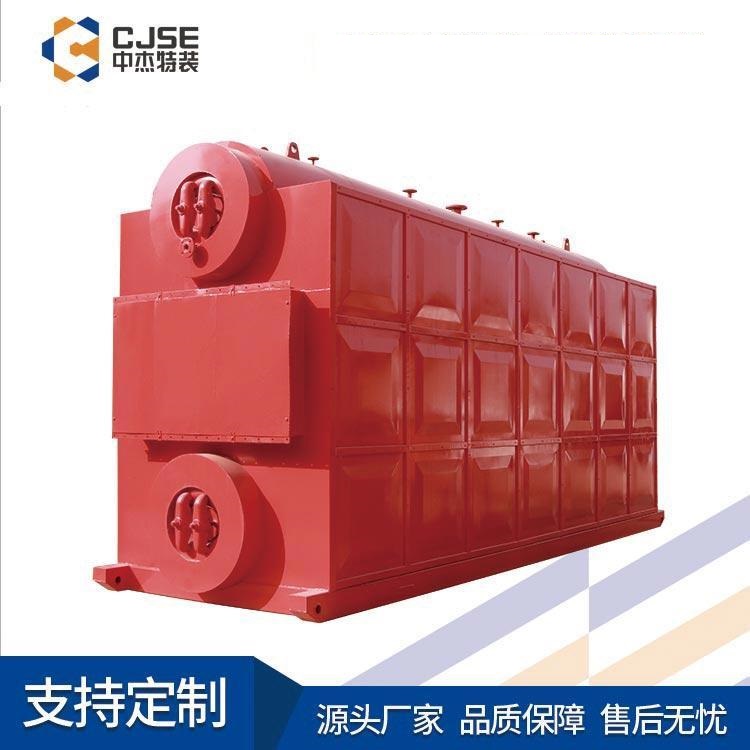
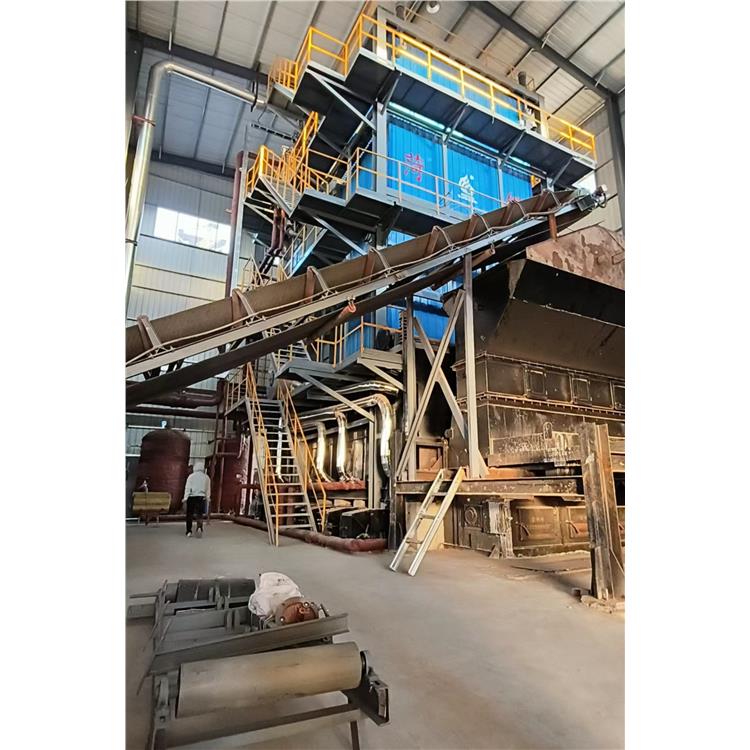
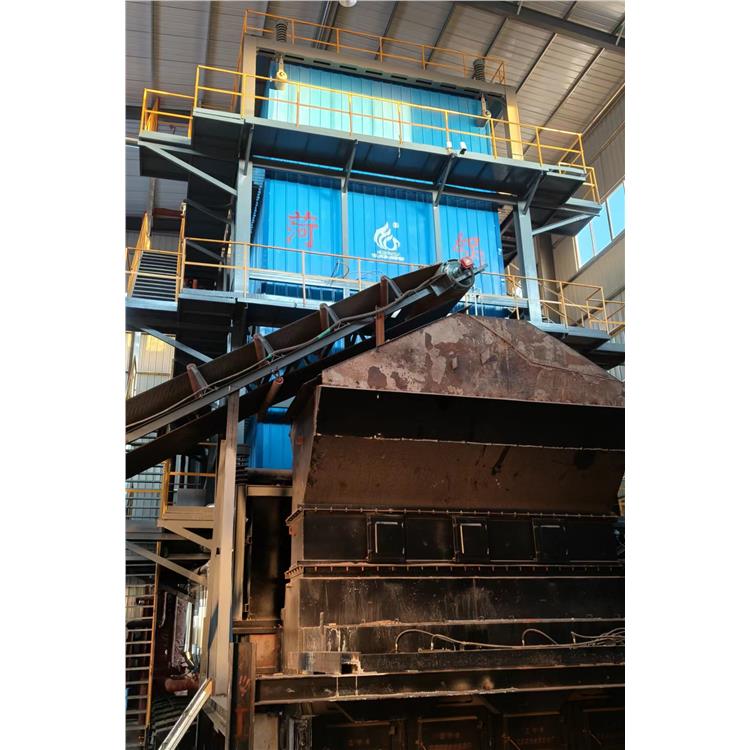
Liuzhou 2-ton biomass boiler, various models
