


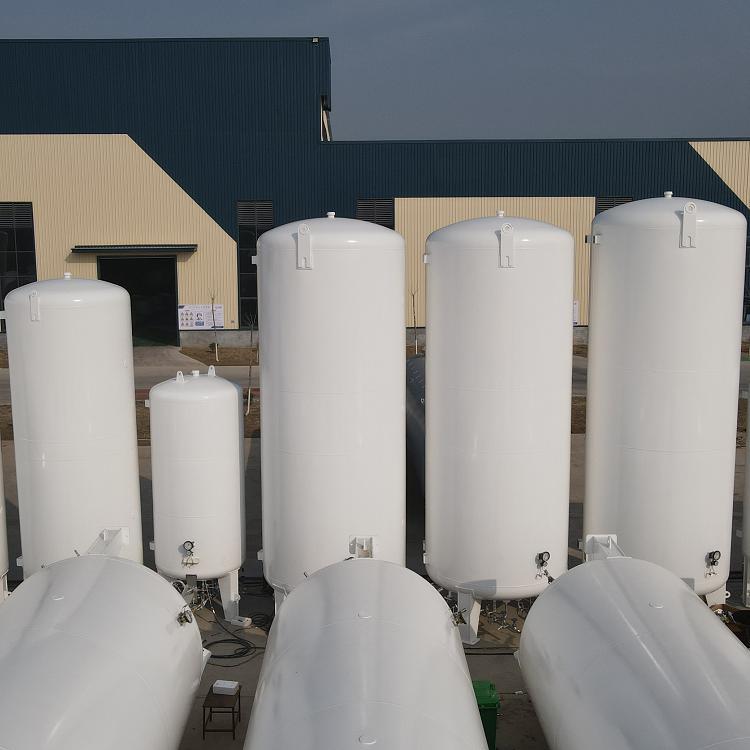
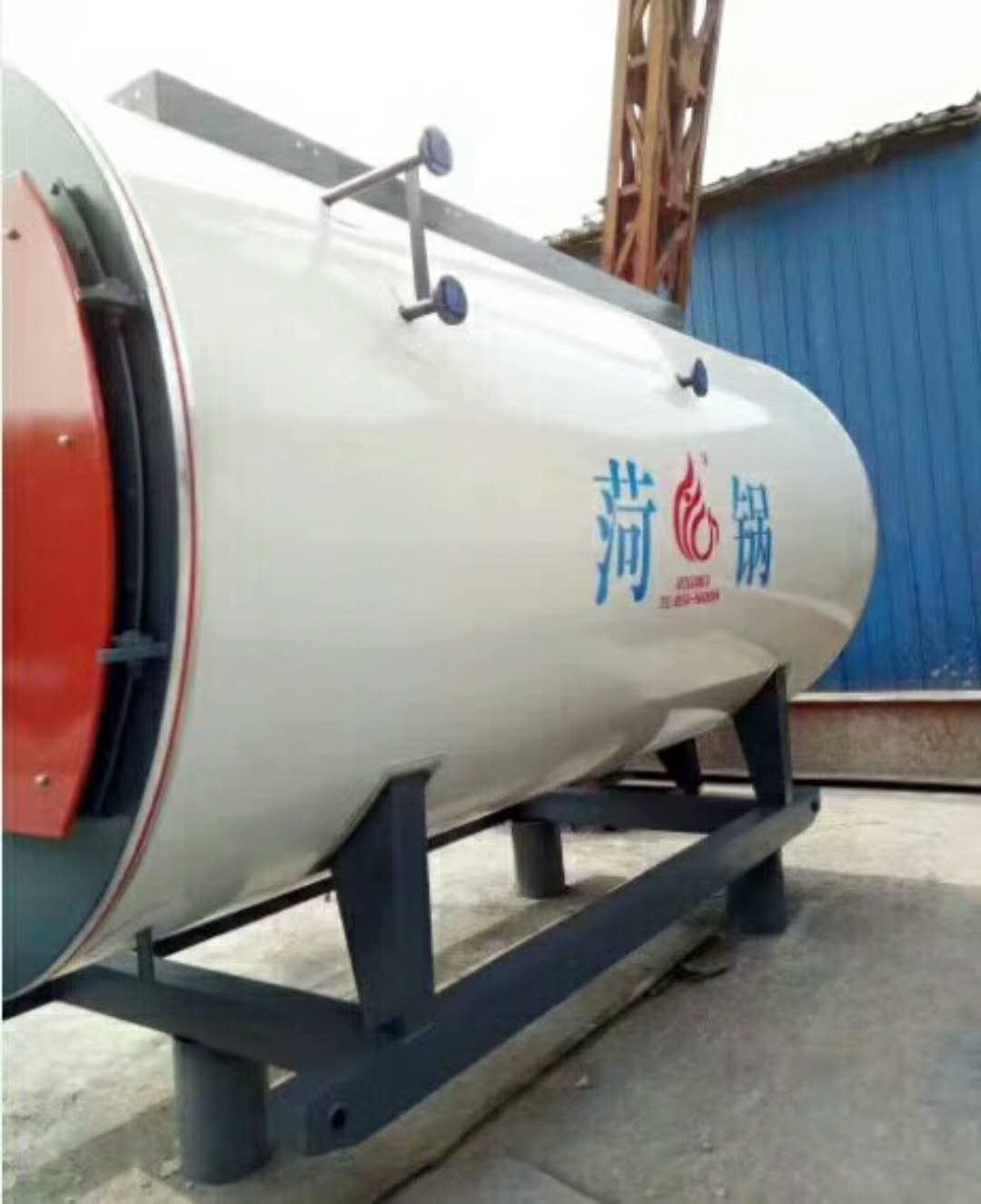
Shandong Zhongjie Special Equipment (formerly Heze Boiler Factory Co., Ltd.) was established in 2001, located at No. 2218 Jinnan Road, Development Zone, Heze City, with a registered capital of 50 million yuan and total assets of 500 million yuan. The company has 7 business centers: boiler, deep-freeze containers, pressure vessels, central air conditioning, engineering installation, international trade, and Internet of Things. It has three factory areas on Jinnan Road, East Changjiang Road, and Bohai Road, covering a total of 200,000 square meters. The main workshop is 83,000 square meters, with 710 employees, including 247 engineers and technicians, and 82 intermediate-level technicians. In December 2016, it was recognized as a "High-tech Enterprise" by the Science and Technology Department. In June 2021, it was identified as a "Specialized and New Enterprise in Shandong Province" by the Ministry of Industry and Information Technology. In June 2022, it was recognized as a "Deer Enterprise in Shandong Province" and in August 2022, as a "Specialized and New Small Giant Enterprise" by the Ministry of Industry and Information Technology.
Standard specifications for liquid oxygen storage tanks may vary by region. Here are examples of some common standards:
- U.S. Standards: The American National Standards Institute (ANSI) and the American Petroleum Institute (API) have issued a series of standards for liquid oxygen storage tanks, such as ANSI/API Standard 2510 "Design and Construction of Liquid Oxygen Storage Tanks" and ANSI/API Standard 2510A "Supplement to the Design and Construction of Liquid Oxygen Storage Tanks."
- European Standards: The European Committee for Standardization (CEN) has issued a series of standards for liquid oxygen storage tanks, including EN 13458 "Liquid Oxygen Storage Tanks. Design and Construction" and EN 14015 "Vertical Welded Steel Fixed Tanks. Design and Construction."
- Chinese Standards: The Standardization Administration of the People's Republic of China (SAC) has issued a series of standards for liquid oxygen storage tanks, such as GB/T 18442 "Design Code for Liquid Oxygen Storage Tanks" and GB/T 18443 "Construction and Acceptance Code for Liquid Oxygen Storage Tanks."
These standards typically cover requirements for design, manufacturing, installation, operation, maintenance, and inspection of liquid oxygen storage tanks. They encompass regulations on the tank's structure, materials, safety valves, insulation, leak control, fire protection measures, and safety distances to ensure the safety and reliability of the tanks.
When designing, manufacturing, and using liquid oxygen storage tanks, it is necessary to comply with applicable standards and regulations, and to cooperate with local regulatory authorities and individuals to ensure the tanks meet relevant safety requirements and regulations.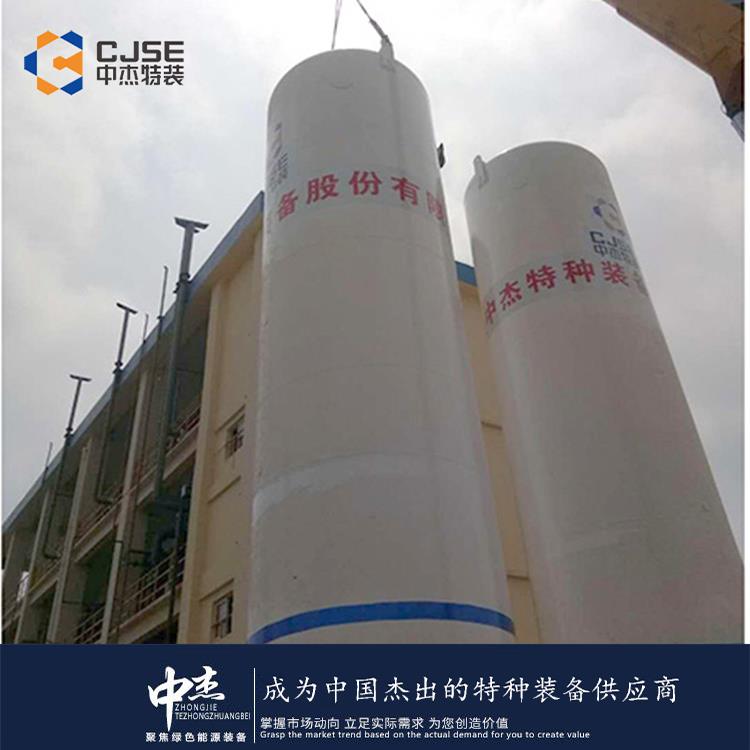
The oxygen-filling process for liquid oxygen tanks must adhere to specific operational procedures and safety measures. Below are the steps for filling liquid oxygen tanks:
Preparation: Ensure that the storage tank and oxygen-filling equipment are in good working condition, and check the tank's seal integrity and the proper functioning of the safety valve.
Connect equipment: Link the oxygenation equipment to the storage tank, ensuring the connection is sealed reliably.
Prepare liquid oxygen: Transfer liquid oxygen from the storage container to the storage tank of the oxygen-filling equipment. During the transfer, be cautious to prevent any leakage of liquid oxygen or contact with it.
Oxygen Filling Operation: Open the valve of the oxygen filling equipment and fill liquid oxygen into the storage tank. During the filling process, control the oxygen filling rate and pressure to avoid excessive tank pressure and temperature rise.
Monitoring and Control: During the aeration process, it is necessary to monitor the tank's pressure and temperature to ensure they remain within safe limits. In case of any anomalies, oxygenation should be halted immediately and appropriate actions should be taken.
Oxygen Filling Completed: Close the valve of the oxygen filling equipment and cease the filling operation once the tank reaches the required oxygen level or pressure.
Safety Handling: After the oxygenation is complete, safety handling is required, which includes closing relevant valves and emptying any remaining liquid oxygen from the oxygenation equipment.
Note that liquid oxygen is highly oxidizing and flammable; the oxygen filling process must strictly adhere to relevant safety operating procedures and standards. Operators should receive training and strictly follow operational procedures and safety measures to ensure the safety and reliability of the oxygen filling process.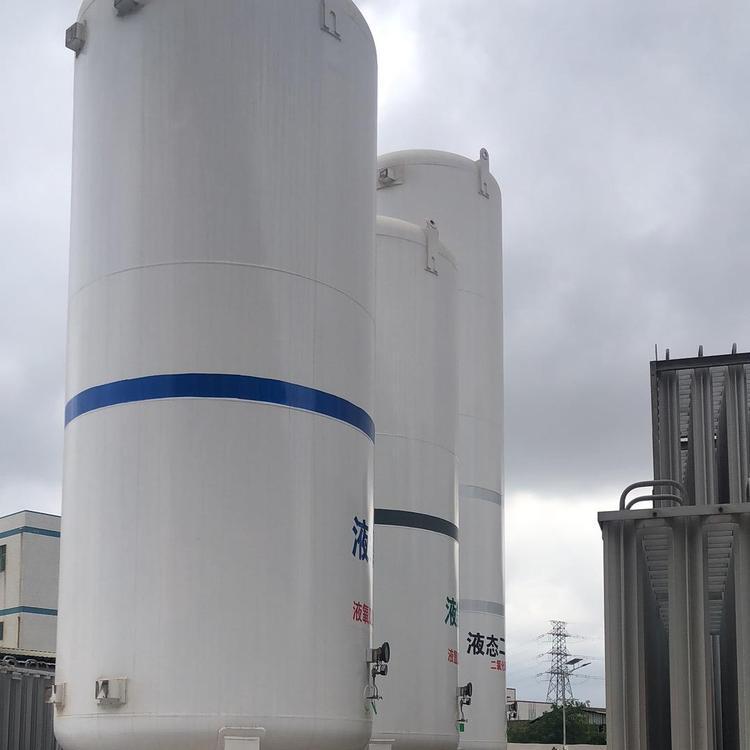
The dimensions and structures of liquid oxygen tanks can vary based on specific requirements and applications. The following are common dimensions and structures of liquid oxygen tanks:
Dimensions: The size of liquid oxygen tanks is typically determined by the storage or transportation capacity of liquid oxygen. Common capacity ranges for liquid oxygen tanks vary from a few thousand to several tens of thousands of liters.
Structure: The structure of the liquid oxygen storage tank mainly includes the inner shell, outer shell, insulation layer, and supporting structure, etc.
Inner Shell: The inner shell of a liquid oxygen tank is designed for storing liquid oxygen and is typically made from materials such as stainless steel or aluminum alloys, offering excellent corrosion resistance and sealing properties.
Shell: The shell of a liquid oxygen tank is the external structure that protects the inner lining, commonly made of carbon steel or stainless steel, and boasts sufficient strength and corrosion resistance.
Insulation Layer: The insulation layer of the liquid oxygen tank is designed to minimize heat conduction and loss, maintaining the low temperature state of the liquid oxygen. Common insulation materials include polyethylene foam, glass fiber, and aerogel, etc.
Support Structure: The support structure of the liquid oxygen tank is used to support and secure the inner and outer shells of the tank. The support structure is typically made of steel, providing sufficient strength and stability.
The dimensions and structural design of liquid oxygen tanks must consider the properties of liquid oxygen, storage or transportation requirements, safety standards, and other factors. When using liquid oxygen tanks, strict adherence to relevant operational specifications and safety requirements is necessary to ensure safe use.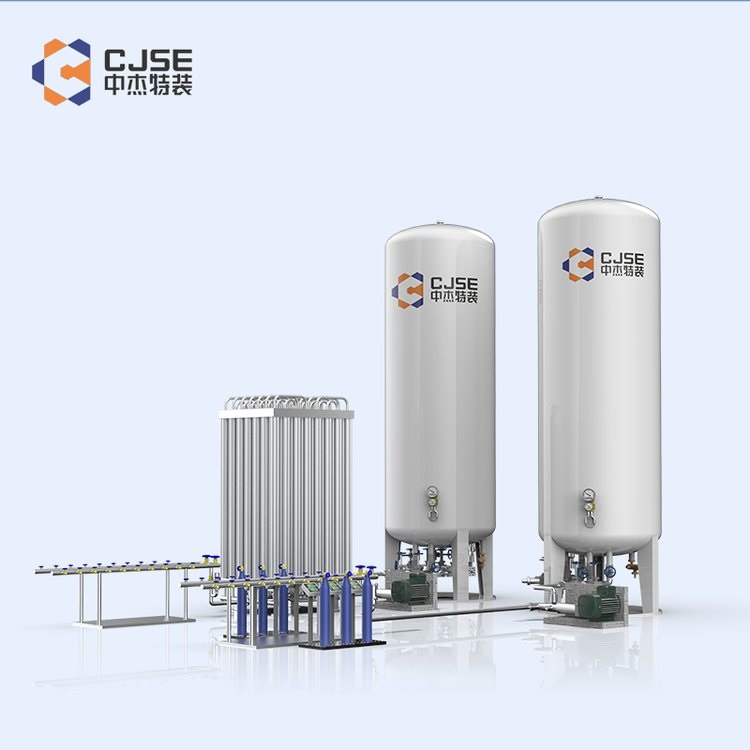
When selecting the support for a liquid argon tank, consider the following factors:
Load Capacity: The support must be able to bear the weight of the liquid argon tank. Select a support with adequate load capacity based on the tank's capacity and dimensions. Typically, the weight of the liquid argon tank is provided in the design specifications, allowing you to determine the support's load capacity from this data.
Stability: The support must provide sufficient stability to ensure the tank does not tilt or sway during use. The design of the support should consider the tank's center of gravity and its changes to provide stable support.
Corrosion Resistance: Liquid argon has low temperatures and corrosive properties. The support material should have good corrosion resistance to prevent corrosion and damage. Common support materials include stainless steel, aluminum alloy, etc.
Insulation: Liquid argon storage tanks typically require thermal insulation. The supports should possess certain insulation properties to reduce heat transfer and the evaporation of liquid argon. The design of the supports should consider the installation and protection of the insulation layer.
Installation and Maintenance: The bracket should feature ease of installation and maintenance for convenient tank assembly and routine maintenance tasks.
When selecting the support for a liquid argon tank, it's advisable to consult with engineers or suppliers. Choose the appropriate support based on the specific tank requirements and operating environment. Additionally, adhere to relevant design specifications and safety standards to ensure the quality and reliability of the support.
ZJ Special Equipment adheres to the grand vision of "realizing employees' dreams, creating customer value, and striving for the prosperity and strength of our motherland," and is dedicated to the development of the green energy equipment industry. We offer society products and services with high cost-performance!
Weinan Liquid Nitrogen Storage Tank - High Performance and Cost-Effective
