


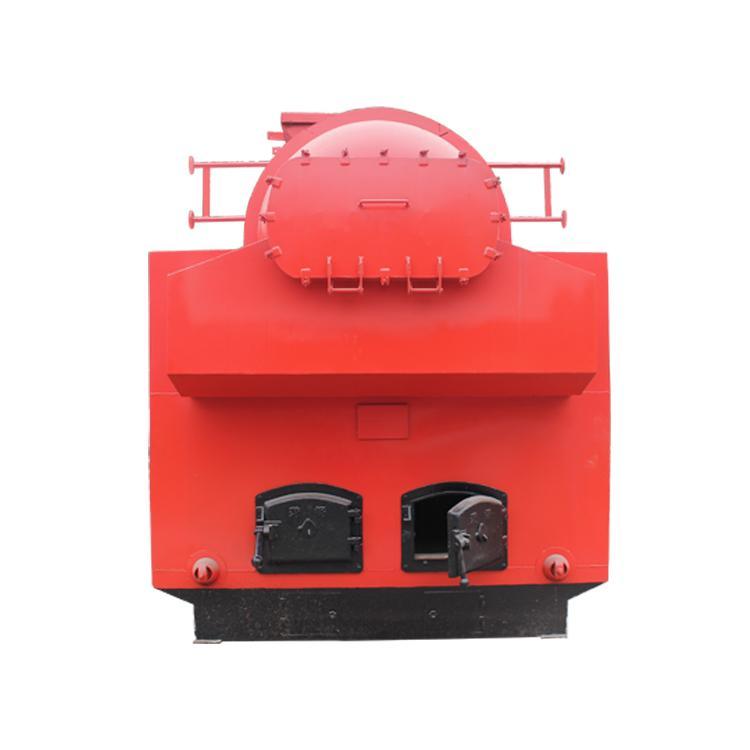
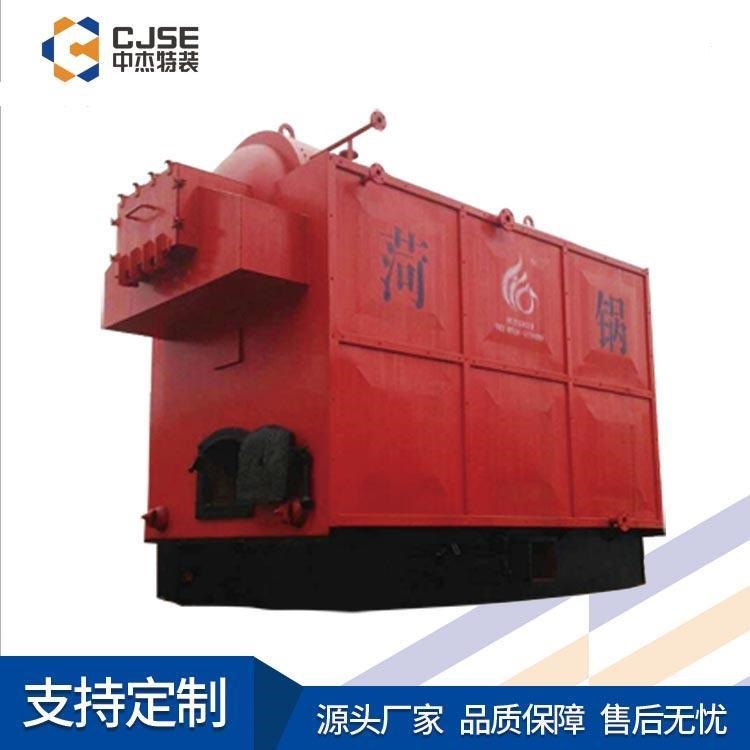
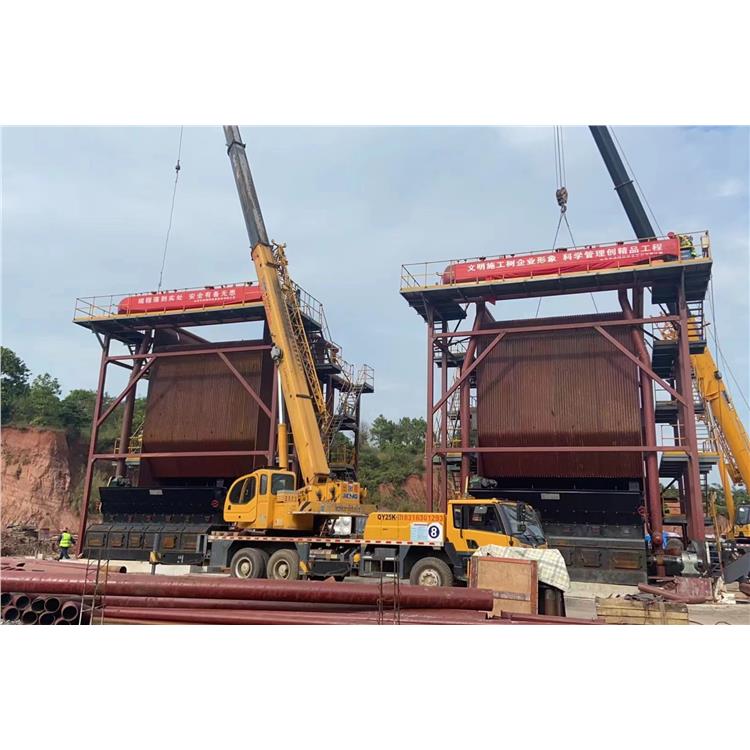
Shandong Zhongjie Special Equipment (formerly Heze Boiler Factory Co., Ltd.) holds an A-grade boiler manufacturing license, an A2-grade pressure vessel manufacturing license, an A2-grade pressure vessel design license, a B-grade boiler installation license, and GB2/Class and GC2/Class pressure pipeline installation licenses, as well as a mechanical and electrical equipment installation contracting资质. It is a member of the China Boiler and Water Treatment Association, the China Chemical Equipment Association, and the council member of the Shandong Equipment Manufacturing Association. The company has also passed the ISO9001 Quality Management System, ISO14001 Environmental Management System, OHSAS18001 Occupational Health and Safety Management System certifications, and the American ASME/U2 certification.
A biomass boiler safety valve is a device designed to ensure the safety of the boiler system. Its primary function is to automatically open and release excessive pressure when the internal pressure of the boiler exceeds the set value, preventing the boiler from exploding or causing other safety incidents.
Biomass boiler safety valves typically consist of a valve body, cover, spring, valve core, and seals. When the internal pressure of the boiler exceeds the set value, the spring is subjected to pressure, pushing the valve core upwards to allow pressure to be released through the valve body. Once the pressure drops below the set value, the spring re-closes the valve core, preventing further pressure release.
The set pressure of a safety valve is typically determined based on the boiler's design pressure and usage requirements. It should be selected and installed in accordance with relevant standards and regulations, and regularly inspected and maintained to ensure proper operation and reliability.
The presence of a biomass boiler safety valve effectively safeguards the boiler system, preventing hazardous situations caused by excessive pressure. It is one of the crucial safety devices in the biomass boiler system.
Current biomass boilers encounter the following issues in practical application:
Fuel supply is unstable: The supply of biomass fuel is subject to seasonal and regional limitations, resulting in an unstable fuel supply for biomass boilers. This may lead to the biomass boilers being unable to run continuously or requiring frequent fuel changes, which increases operational costs and management challenges.
Low combustion efficiency: Due to the characteristics of biomass fuel and the complexity of the combustion process, the combustion efficiency of biomass boilers is relatively low. Some fuels have high volatile content and ash content, which may produce excessive ash and particulate matter during combustion, reducing combustion efficiency and heat utilization rate.
NOx emissions issue: Biomass boilers produce a significant amount of nitrogen oxides (NOx) during the combustion process, which has an adverse impact on the environment. Controlling and reducing NOx emissions is a major challenge for biomass boilers.
Combustion equipment wear: The high ash content in biomass fuel leads to wear and clogging of the combustion equipment during the combustion process. This may result in reduced equipment lifespan and necessitate frequent maintenance and cleaning.
Ash residue from combustion: Ash residue produced by biomass boiler combustion requires proper handling and disposal. Improper management may lead to environmental pollution and hazards.
Lack of unified technical standards and specifications: Currently, there is a lack of unified technical standards for biomass boilers.
Biomass steam boilers offer several advantages:
Renewable Energy: Biomass steam boilers utilize biomass fuels such as wood chips, straw, and husks, which are renewable. Compared to traditional fossil fuels, these fuels offer lower carbon emissions and environmental friendliness.
Diverse Fuel Options: Biomass steam boilers are suitable for various biomass fuels such as wood chips, straw, and husks, offering strong adaptability to different fuel types. This enables widespread application of biomass steam boilers in various regions and industries.
Energy Utilization: Biomass steam boilers employ advanced combustion technology and heat recovery systems, achieving high energy utilization efficiency. By optimizing the combustion process and heat recovery, energy efficiency can be maximized, significantly reducing energy consumption.
Flexible operation modes: Biomass steam boilers can be operated flexibly according to actual needs, such as manual control, automatic control, or remote monitoring, etc. This allows biomass steam boilers to meet requirements in various scenarios and provide a stable steam supply.
Superior Environmental Performance: Biomass steam boilers emit relatively fewer pollutants during the combustion process, causing less environmental impact. Through reasonable combustion control and flue gas treatment devices, the content of emissions can be further reduced, meeting higher environmental protection standards.
Alternative to Traditional Boilers: Biomass steam boilers can replace conventional coal or oil-fired boilers, reducing dependence on fossil fuels and lowering energy costs and carbon emissions. This is significant for achieving sustainable development and reducing greenhouse gas emissions.
In summary, biomass steam boilers offer renewable energy and diverse options.
Many factors affect the thermal efficiency of biomass boilers; here are some common factors analyzed:
Fuel Quality: The quality of biomass fuel directly affects the combustion process and thermal efficiency. Characteristics such as fuel moisture, ash content, and volatile content can impact the stability and efficiency of combustion. An adequate amount of fuel can enhance combustion efficiency and reduce energy loss.
Combustion System: The design and operational status of the combustion system significantly impact thermal efficiency. A well-designed combustion system ensures complete combustion and utilization of fuel. Adjustments to parameters such as combustion air volume, combustion temperature, and combustion time can optimize the combustion process and enhance thermal efficiency.
Excess Air: Excess air can lead to incomplete fuel combustion and energy waste. Properly controlling the air supply during the combustion process and preventing excess air from entering the furnace can improve combustion efficiency.
Temperature Control: Proper temperature control of the boiler is crucial for thermal efficiency. Reasonably managing parameters such as water and steam temperatures can prevent excessive or low temperatures, thereby enhancing thermal efficiency.
Cleaning and Maintenance: Regularly clean and maintain boiler equipment, removing ash and dust inside the furnace, to maintain the efficiency of heat exchange and reduce thermal resistance and losses.
Flue Gas Heat Recovery: By utilizing heat recovery devices such as economic air preheaters and economizers, the waste heat in flue gas can be recovered and utilized, thereby enhancing the boiler's thermal efficiency.
Boiler design and equipment selection: Rational boiler design and selection of equipment, such as burners, high
Shandong Zhongjie Special Equipment, welcome customers to our factory for business discussions.
Baicheng Biomass Boiler - High Product Safety
