


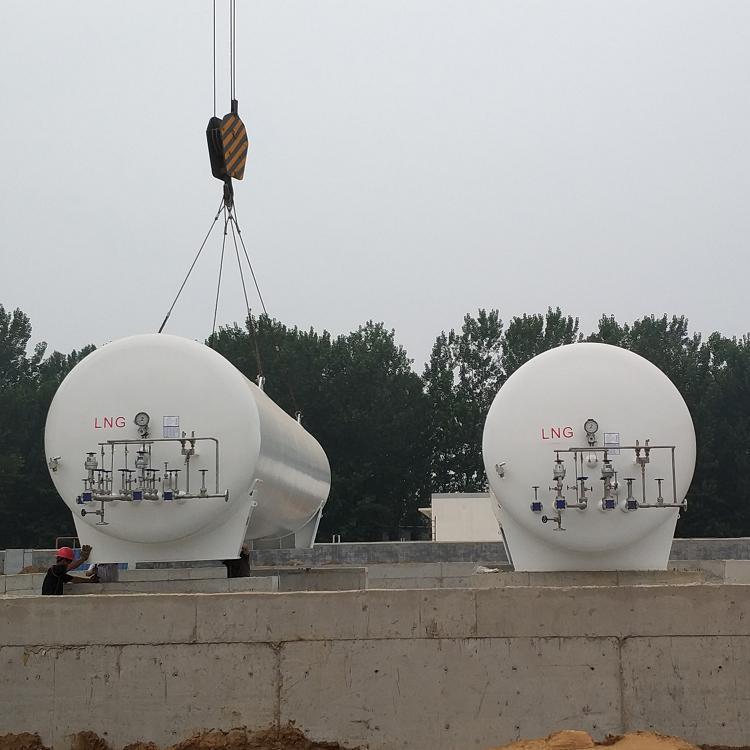
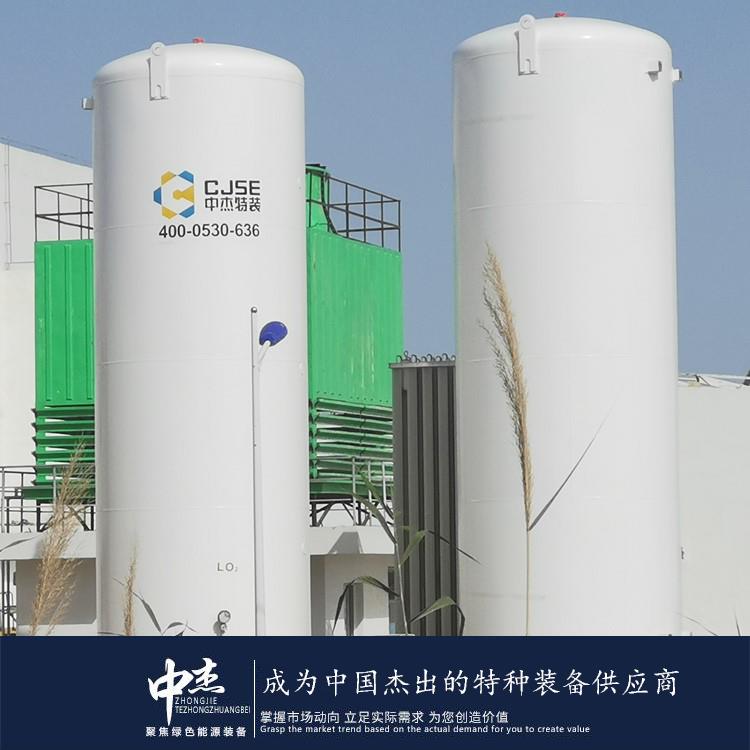
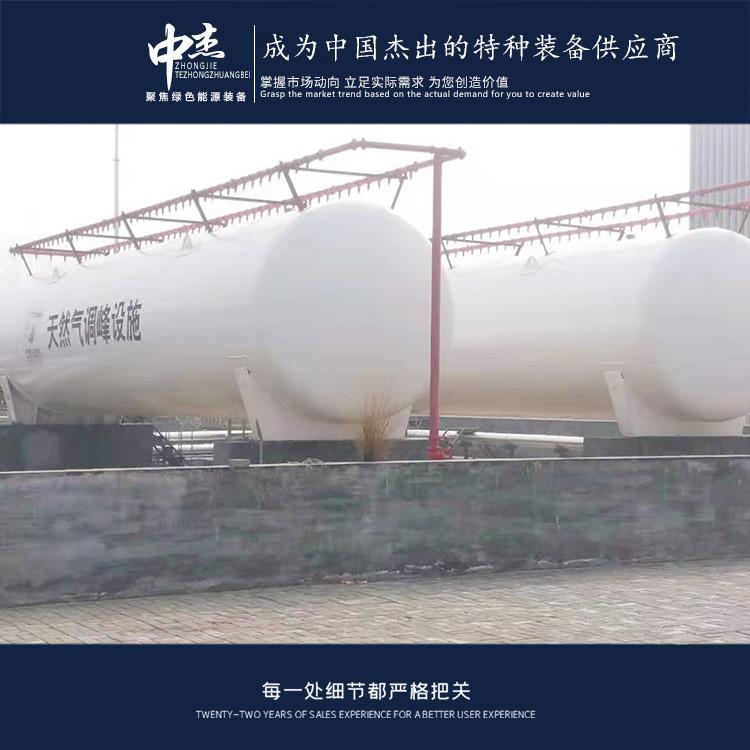
Shandong Zhongjie Special Equipment (formerly Heze Boiler Factory Co., Ltd.) holds an A-grade boiler manufacturing license, an A2-grade pressure vessel manufacturing license, an A2-grade pressure vessel design license, a B-grade boiler installation license, and GB2/Class, GC2/Class pressure pipeline installation licenses, as well as a mechanical and electrical equipment installation contracting qualification. It is a member of the China Boiler and Water Treatment Association, the China Chemical Equipment Association, and the理事 member of the Shandong Equipment Manufacturing Association. The company has also passed certifications for the ISO9001 Quality Management System, ISO14001 Environmental Management System, OHSAS18001 Occupational Health and Safety Management System, and the American ASME/U2 certification.
Carbon dioxide has several primary applications in the battery industry:
1. Solvent in Electrolytes: Carbon dioxide can serve as one of the solvents in battery electrolytes. In certain types of batteries, it can be mixed with organic solvents to enhance the performance and stability of the electrolyte.
2. Protective Gas in Battery Manufacturing: During battery manufacturing, carbon dioxide can be used as a protective gas. For instance, during assembly and encapsulation, it can replace air to prevent oxidation and corrosion of battery materials due to oxygen and moisture in the battery.
3. Battery Performance Improvement: By altering the atmosphere within batteries, carbon dioxide can improve battery performance. For example, by injecting carbon dioxide gas into batteries, pressure and temperature can be regulated to enhance cycle life and safety performance.
4. Carbon Dioxide Capture and Storage: The production process of batteries generates carbon dioxide emissions. Carbon dioxide capture and storage technologies can be used to reduce these emissions. By capturing and storing carbon dioxide, atmospheric emissions can be minimized, lowering environmental impact.
It should be noted that the application of carbon dioxide in the battery industry is continuously evolving and being researched. With technological advancements and innovation, carbon dioxide may see more breakthroughs and developments in the battery field.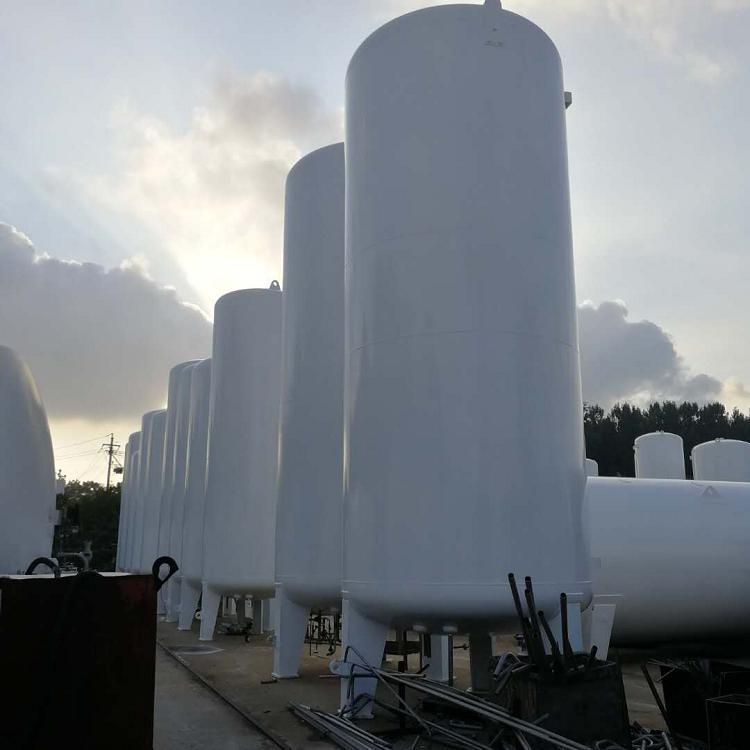
Carbon dioxide recovery is a technology designed to capture carbon dioxide from industrial emission sources or the atmosphere and store or utilize it to reduce CO2 emissions. Here are some common carbon dioxide recovery techniques:
1. Coal-fired Power Plant CO2 Recovery: In coal-fired power plants, the CO2 produced by burning coal can be captured and recovered. Common methods involve carbon capture technologies to separate CO2 from flue gases and store or utilize it.
2. Industrial Emission Source CO2 Recovery: CO2 produced in many industrial processes can be treated through capture and recovery techniques. For instance, CO2 generated during the production processes in industries like steel, cement, and chemicals can be recovered to reduce emissions.
3. Atmospheric CO2 Capture: CO2 in the atmosphere can also be recovered using direct air capture technologies. This technique employs adsorbents or chemical reactions to capture and separate CO2 from the atmosphere, then store or utilize it.
4. CO2 Utilization: Captured CO2 can be used to produce valuable chemicals and fuels. For example, through CO2 catalytic conversion technology, CO2 can be converted into fuels like ethanol or chemical raw materials.
The development of carbon dioxide recovery technologies aims to reduce greenhouse gas emissions and mitigate climate change. However, these technologies are still in continuous development and research, requiring further technological breakthroughs and practical verification for large-scale application.
Carbon dioxide storage tanks are equipment designed for storing and transporting carbon dioxide gas, operating on the principles of pressure vessels and the physical properties of carbon dioxide. Pressure Vessel Principle: A carbon dioxide storage tank is a pressure vessel capable of withstanding the pressure of the internal gas. It is typically made of high-strength materials like steel. The tank's design and structure are engineered to withstand high pressures, ensuring safe storage and transportation of the gas. Compressed Gas Storage: Carbon dioxide is a gas at room temperature but can be compressed into a liquid under high pressure. Storage tanks use high pressure to compress the gas into a liquid, achieving higher storage density. The liquid form of carbon dioxide occupies less volume, allowing for more gas to be stored. Level Control: The tanks are equipped with level control systems to monitor and control the level of liquid carbon dioxide. These systems usually include level sensors and control valves, ensuring the tank's level stays within a safe range. Pressure Control: Pressure control systems are also installed within the tank to monitor and control the internal gas pressure. These systems typically include pressure sensors and safety valves, ensuring the pressure within the tank remains safe and avoids damage or safety risks due to excessive or low pressure. Through these principles, carbon dioxide storage tanks can safely store and transport carbon dioxide gas to meet the needs of various fields, such as food processing, beverage manufacturing, and firefighting. When using carbon dioxide storage tanks, it is necessary to follow relevant safety operation procedures and guidelines to ensure safe operation and use.
The safe operation of low-temperature carbon dioxide storage tanks is primarily key in the following aspects: Design and Manufacturing: The tank's design and construction must comply with relevant standards and specifications to ensure they can withstand working conditions under low temperatures and high pressures. The tank should have adequate strength and sealing performance to prevent leaks and ruptures. Safety Valves and Pressure Control: The tank should be equipped with safety valves and pressure control devices to ensure internal pressure remains within safe limits. Safety valves should be regularly inspected and tested to ensure proper functioning. Temperature Control: Effective temperature control is necessary for low-temperature carbon dioxide storage tanks to prevent freezing or embrittlement due to extremely low temperatures. Appropriate insulation materials and equipment should be used to maintain the tank and pipeline temperatures within safe ranges. Leak Detection and Alarm: The tank should be fitted with leak detection devices and alarm systems, along with corresponding monitoring equipment. These devices can detect leaks promptly and trigger alarms to take appropriate action. Safe Operation and Training: Operators should receive relevant training to understand the safe operating procedures and standards for low-temperature carbon dioxide storage tanks. Operators should be familiar with the tank's characteristics, operational principles, and emergency response measures. Regular Inspections and Maintenance: The tank should be regularly inspected and maintained, including visual inspections, anti-corrosion coating maintenance, and leak detection. Regular inspections can help identify potential issues early and take appropriate repair measures. Emergency Preparedness: Establish an emergency response plan and equip with appropriate fire extinguishing and first aid equipment. Operators should be familiar with emergency procedures and be able to respond quickly to emergencies. Please note that the above key points are general recommendations; specific safe operation should be based on the design and usage requirements of the low-temperature carbon dioxide storage tank. Before using the tank, it is recommended to refer to relevant safety operation manuals and guidelines to ensure operational safety.
Shandong Zhongjie Special Equipment, welcome customers to visit our factory for business discussions.
Putian Carbon Dioxide Storage Tank - In Stock Supply
