


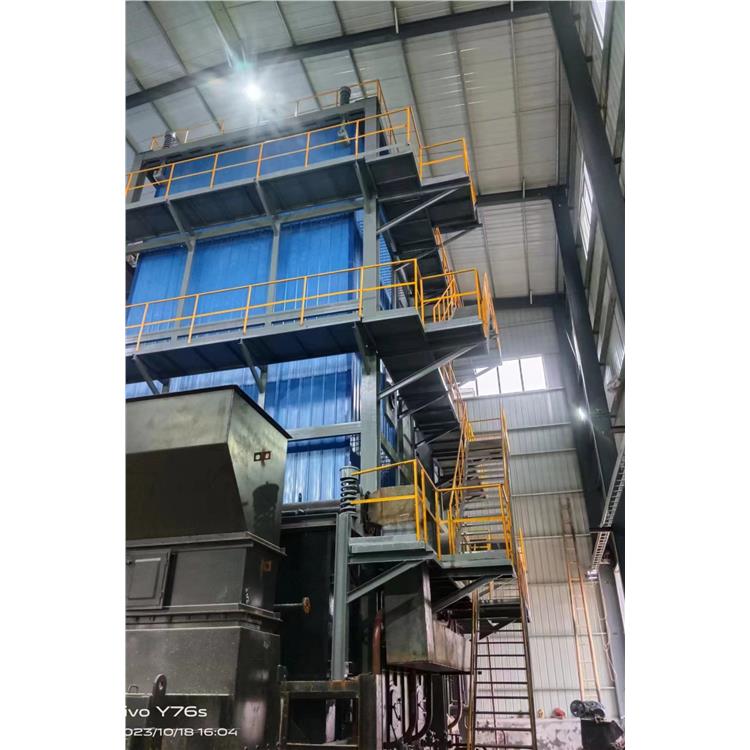
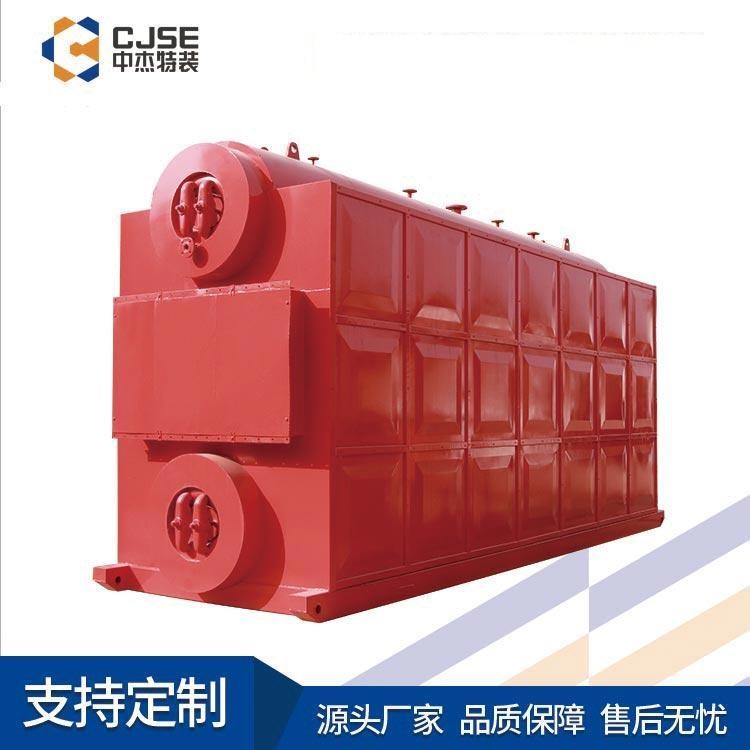
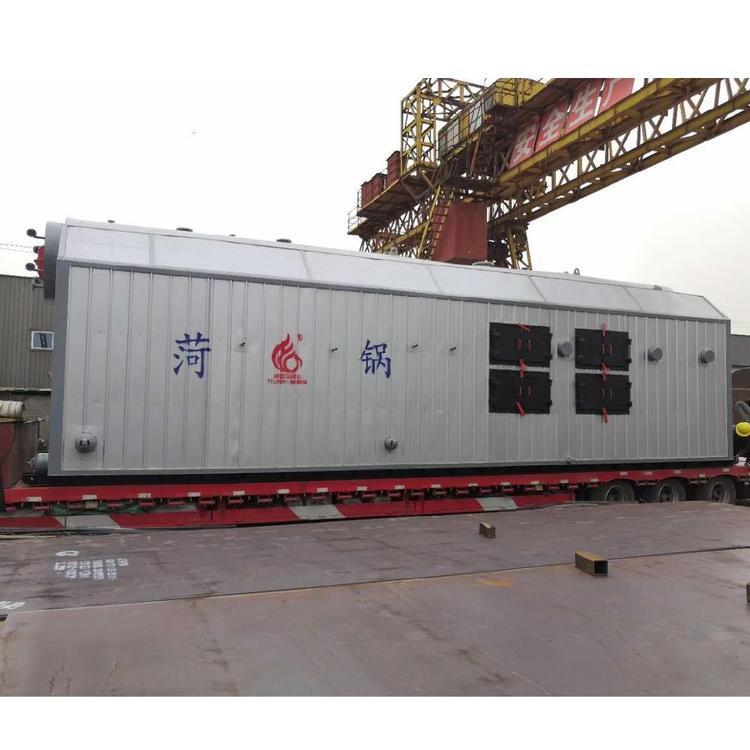
Shandong Zhongjie Special Equipment (formerly Heze Boiler Factory Co., Ltd.) was established in 2001, located at No. 2218 Jinan Road, Economic and Technological Development Zone, Heze City. With a registered capital of 50 million yuan and total assets of 500 million yuan, the company has seven business centers: boilers, deep-freezing containers, pressure vessels, central air conditioning, engineering installation, international trade, and Internet of Things. It has three factory areas on Jinan Road, East Changjiang Road, and Bohai Road, covering a total of 200,000 square meters. The main workshop spans 83,000 square meters. It currently employs 710 people, including 247 engineering and technical staff and 82 intermediate-level technicians. In December 2016, it was recognized as a "High-tech Enterprise" by the Science and Technology Department. In June 2021, it was identified as a "Specialized and New Enterprise in Shandong Province" by the Ministry of Industry and Information Technology. In June 2022, it was recognized as a "Gazelle Enterprise in Shandong Province" and in August 2022, it was identified as a "Specialized and New Small Giant Enterprise" by the Ministry of Industry and Information Technology.
The extinguishing process and maintenance methods for the fully automatic biomass boiler are as follows:
Extinguishing Process:
Discontinue Fuel Supply: Prior to extinguishing the biomass boiler, cease fuel supply first to ensure the fuel supply pipeline is closed.
Turn off the burner: Switch the burner's switch or the extinguish button on the control panel to the off position, stopping the burner from operating.
Wait for Cooling: Allow the boiler to cool to a safe temperature, which usually takes some time. Do not operate during this period to avoid any accidents.
Shut off power: After the boiler has completely cooled down, turn off the power switch of the boiler to ensure the boiler is de-energized.
Maintenance Instructions:
Clean Combustion Chamber: Regularly clean the combustion chamber to remove ash and dirt generated during the combustion process. Use appropriate tools and cleaning agents to ensure the chamber remains clear and clean.
Heat Exchanger Cleaning: Regularly clean heat exchangers, especially those on the flue side. Combustion may produce particulates and ash that adhere to the heat exchanger surface, affecting heat transfer efficiency. Appropriate cleaning methods, such as mechanical or chemical cleaning, can reduce the accumulation of dirt.
Inspect and Replace Critical Components: Regularly inspect and replace critical components such as burners, valves, sensors, etc. Ensure their normal operation and performance to avoid malfunctions and safety hazards.
Water Treatment: Proper water treatment for boiler feedwater to prevent impurities and sediments from depositing inside the boiler. Methods such as water softening, oxygen removal, and scale prevention can be employed to maintain the cleanliness and stability of the supply.
Set
Biomass steam boilers offer several advantages:
Renewable Energy: Biomass steam boilers utilize biomass fuels such as wood chips, straw, and rice husks. These fuels are renewable and, compared to traditional fossil fuels, offer lower carbon emissions and environmental friendliness.
Diverse fuel options: Biomass steam boilers are suitable for various biomass fuels such as wood chips, straw, and husks, demonstrating strong fuel adaptability. This allows for widespread application of biomass steam boilers in different regions and industries.
Energy Utilization: Biomass steam boilers utilize advanced combustion technology and heat recovery systems, achieving high energy efficiency. By optimizing the combustion process and heat recovery, energy utilization efficiency can be maximized and energy consumption minimized.
Flexible operation modes: The biomass steam boiler can be operated flexibly according to actual needs, such as manual control, automatic control, or remote monitoring, etc. This allows the biomass steam boiler to meet requirements in various scenarios and provide a stable steam supply.
Superior Environmental Performance: Biomass steam boilers produce relatively fewer emissions during combustion, resulting in minimal environmental impact. Through reasonable combustion control and flue gas treatment systems, emissions can be further reduced to meet higher environmental standards.
Replace Traditional Boilers: Biomass steam boilers can replace traditional coal or oil-fired boilers, reducing dependence on fossil fuels, lowering energy costs, and carbon emissions. This is of great significance for achieving sustainable development and reducing greenhouse gas emissions.
In summary, biomass steam boilers offer renewable energy and diversity.
High evaporation rate in biomass pellet boiler fuel may lead to the following issues:
Incomplete combustion: High-volatile fuel releases a large amount of steam during combustion, which lowers the combustion temperature and affects the completeness of the burn. Incomplete combustion leads to heat loss and increased emissions, reducing the boiler's thermal efficiency and environmental performance.
Poor combustion stability: Fuels with high volatility can easily cause instability in the combustion process, leading to issues such as flameout and uneven combustion. This can result in unstable boiler operation and affect the stability of hot water supply.
To address issues caused by high-vaporizing fuel, the following measures can be taken:
Combustion System Optimization: Optimizing the combustion system of biomass pellet boilers, encompassing aspects such as combustion chamber design, air supply, and mixing. By increasing combustion temperatures and enhancing oxygen supply, promoting the completeness and stability of combustion.
Combustion Control: Utilizes a combustion control system that monitors and adjusts parameters such as temperature and oxygen content in real-time during the combustion process. Adjusts the supply of combustion air based on actual conditions to maintain stability and completeness of the combustion.
Fuel Pretreatment: Pre-treat biomass pellet fuel with high volatiles, such as drying and crushing. By reducing the moisture content and particle size of the fuel, it decreases the content of volatiles and enhances the efficiency and stability of combustion.
Burn parameter adjustment: Adjust the boiler's burn parameters based on actual conditions, such as burn temperature and duration. Through reasonable parameter adjustments, make the combustion process better suited to the characteristics of high evaporation fuel.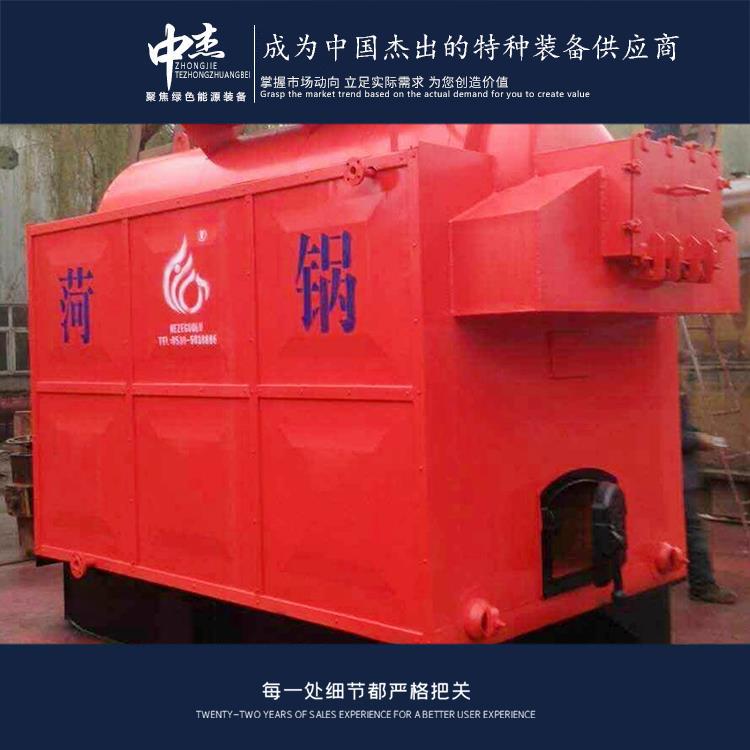
Biomass boiler furnace ash blowing refers to the cleaning operation of the combustion area within the furnace by means of an ash blowing device. The purpose of ash blowing is to remove ash and slag inside the furnace, maintain the unobstructed flow of the combustion area, and enhance the combustion efficiency and operational stability of the boiler.
Furnace ash blowing operations generally consist of two methods: mechanical ash blowing and pulse ash blowing.
Mechanical Ash Blowing: Mechanical ash blowing involves the use of mechanical devices, such as rotary ash blowers and chain ash blowers, to clean the combustion area within the furnace chamber. The mechanical ash blower rotates or moves periodically to remove ash and slag from the combustion area.
Pulse Jet Cleaning: Pulse jet cleaning involves using high-pressure gas or compressed air, which is then jetted through nozzles into the combustion zone within the furnace. This creates冲击 (impact) and震动 (vibration), removing ash and deposits. Pulse jet cleaning is characterized by its effective cleaning performance and fast cleaning speed.
The impact of ash blowing in the furnace on biomass boilers is mainly reflected in the following aspects:
Clean combustion area: The furnace ash blowing can burn the slag and accumulated ash in the combustion area, keeping the combustion area clear, which is conducive to the full combustion of fuel and improves the combustion efficiency.
Reducing smoke resistance: The furnace ash blowing can burn the ash and slag in the combustion area, reducing the resistance in the smoke channel, which is beneficial for the smooth discharge of smoke, and improves the heat exchange efficiency of the boiler.
Zhongjie Special Equipment upholds the grand vision of "realizing employees' dreams, creating value for customers, and striving for the prosperity and strength of our motherland," and is dedicated to the development of the green energy equipment industry. We commit to society with high-quality, cost-effective products and services!
Baishan 50-ton Biomass Boiler, Manufacturer
