


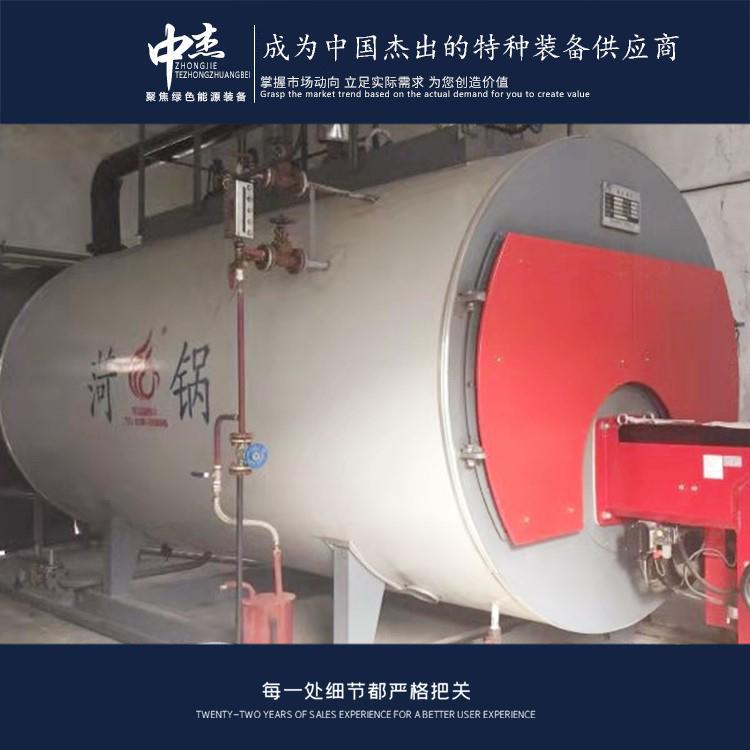
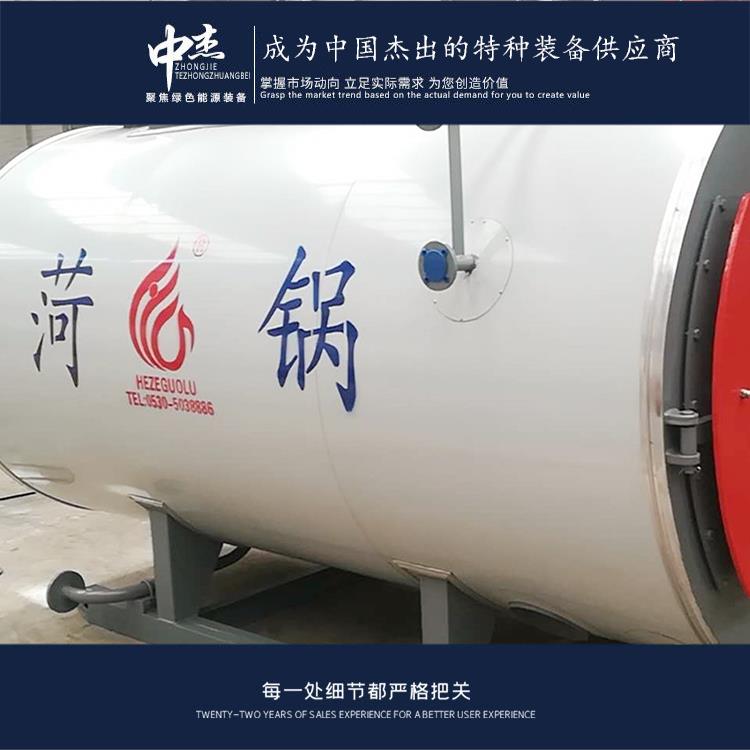
Shandong Zhongjie Special Equipment's main products include: fuel (gas) boilers, organic heat carrier boilers, biomass boilers, waste heat boilers, and other boiler products; vacuum insulation deep-freeze pressure vessels such as LNG tanks, oxygen/nitrogen/argon tanks, and CO2 tanks; pressure vessel products such as denitrification engineering equipment, heat storage and energy storage equipment, and complete chemical equipment; central air conditioning and ventilation equipment such as ground (water) source heat pumps, air source units, water-cooled screw units, and air-cooled modular units. Planned products include large-scale energy centers, LNG transport vehicles, LNG tank containers, and other green energy equipment.
The inspection contents and requirements for gas boilers typically include the following aspects:
Safety Valve and Pressure Gauge: Check the installation and fixation of the safety valve and pressure gauge to ensure normal operation and accurate pressure display.
Combustion System: Inspect the working condition of the burner, including ignition, combustion, and combustion stability. Check the connection of the gas supply pipeline and valves to ensure no leakage.
Flue and Heat Exchanger: Examine the cleanliness of the flue and heat exchanger, including any accumulated dust and dirt, to ensure heat exchange efficiency and smoke emissions meet requirements.
Water Level Control System: Check the working condition of the water level controller and gauge to ensure accurate and reliable water level control, preventing overfilling or low water levels.
Gas Supply System: Inspect the installation and connection of the gas supply pipeline and valves to ensure normal gas supply and no leakage.
Electrical System: Check the wiring and connection of the electrical system, including power supply, controllers, and sensors, to ensure normal operation of electrical equipment and avoid electrical faults.
Safety Devices: Inspect the working condition of safety devices, including safety valves, pressure switches, and temperature controllers, to ensure normal operation and ensure safe boiler operation.
Records and Documents: Review the boiler's operating records, maintenance records, and inspection reports, ensuring complete and accurate documentation of the boiler's operation and maintenance.
Inspections of gas boilers should be conducted by institutions or individuals with the appropriate qualifications, following relevant laws, regulations, and standards. The frequency and specific requirements for inspections can be determined based on the boiler's usage and local regulations. Timely inspections and maintenance ensure safe and efficient operation of gas boilers.
When using a thermal oil furnace with gas, the following points should be noted:
- Safe Operation: A thermal oil furnace is a high-temperature equipment, and safety must be prioritized during operation. Operators should be familiar with the equipment's operation procedures and safety precautions, wear necessary personal protective equipment, and ensure safe operation.
- Gas Supply: A stable gas supply is required for the thermal oil furnace. Before use, check if the gas pipeline is clear and the gas valve is open to ensure normal gas supply.
- Thermal Oil Circulation: The thermal oil furnace needs to circulate the thermal oil through a pump to the heat source equipment. Before use, inspect the pump's operation to ensure it is working properly.
- Temperature Control: A thermal oil furnace typically requires a temperature control system to regulate the temperature of the thermal oil. Before use, check the settings and adjustments of the temperature control system to ensure accurate and reliable control.
- Regular Maintenance: Regular maintenance and upkeep are necessary for a thermal oil furnace, including cleaning the burner, checking the tightness of pipelines and valves, and replacing worn parts. Regular maintenance ensures the equipment operates smoothly and extends its lifespan.
- Environmental Protection: During combustion, thermal oil furnaces produce exhaust gases, so ensure proper exhaust emissions. Take appropriate exhaust treatment measures, such as flue gas purification equipment, to minimize environmental impact.
- The above are some precautions when using a thermal oil furnace with gas. To ensure safety and proper equipment operation, it is recommended to follow relevant operational procedures and safety requirements, and conduct regular maintenance and inspections. If necessary, consult the manufacturer or engineer of the thermal oil furnace for advice.
If a gas boiler gas leak is detected, the following actions must be taken immediately to handle the situation:
1. Immediately shut off the gas supply: First, quickly close the gas supply valve to cut off the gas flow. This prevents further leakage and reduces safety risks.
2. Ventilate the area: Open windows and doors to ensure good indoor air circulation and to expel any remaining gas. This lowers the indoor gas concentration, reducing the risk of explosion and poisoning.
3. Avoid open flames and electrical appliances: In the event of a gas leak, avoid using open flames and electrical equipment to prevent fires or electric sparks that could trigger an explosion.
4. Do not operate electrical switches: Do not operate electrical switches, including lights, TVs, computers, etc., to avoid creating sparks that could cause an accident.
5. Contact the gas company or personnel: Promptly contact the local gas company or personnel to report the gas leak situation and request their inspection and repair.
6. Do not use a mobile phone or make phone calls: In case of suspected gas leakage, do not use a mobile phone or make phone calls to avoid static electricity causing an explosion.
7. Stay away from the leak area: Keep a safe distance from the leak area to ensure personal safety. Avoid approaching the gas boiler and the leak point to prevent injury.
Remember, handling a gas boiler gas leak is a dangerous task that requires caution. It is best handled by trained personnel to ensure safety.
Steam boiler blowdown devices mainly include the following types: Blowdown Valve: A blowdown valve is commonly installed on steam boilers to discharge wastewater and impurities from within the boiler. Typically located at the bottom or side of the boiler, opening the valve allows for the wastewater to be expelled, maintaining the cleanliness of the boiler interior. Blowdown Pump: For large steam boilers or situations requiring long-distance wastewater discharge, a blowdown pump may be used. The pump can extract wastewater from the boiler and transport it through pipes to designated discharge points. Automatic Blowdown System: Some steam boilers may be equipped with an automatic blowdown system. These systems can automatically discharge wastewater from the boiler based on set time intervals or wastewater concentrations, enhancing the efficiency and accuracy of blowdown. Wastewater Treatment Equipment: In certain cases, steam boilers may require wastewater treatment equipment. These units process the discharged wastewater to remove impurities and pollutants, meeting environmental protection requirements. It is important to note that the selection and use of steam boiler blowdown devices should be determined based on the specific type, scale, and operating environment of the boiler. When using blowdown devices, it is necessary to follow relevant operational procedures and safety requirements to ensure the safety and effectiveness of the blowdown process.
Shandong Zhongjie Special Equipment, welcome customers to our factory for business discussions.
Zhuhai Gas Boiler Prices, Long Lifespan
