


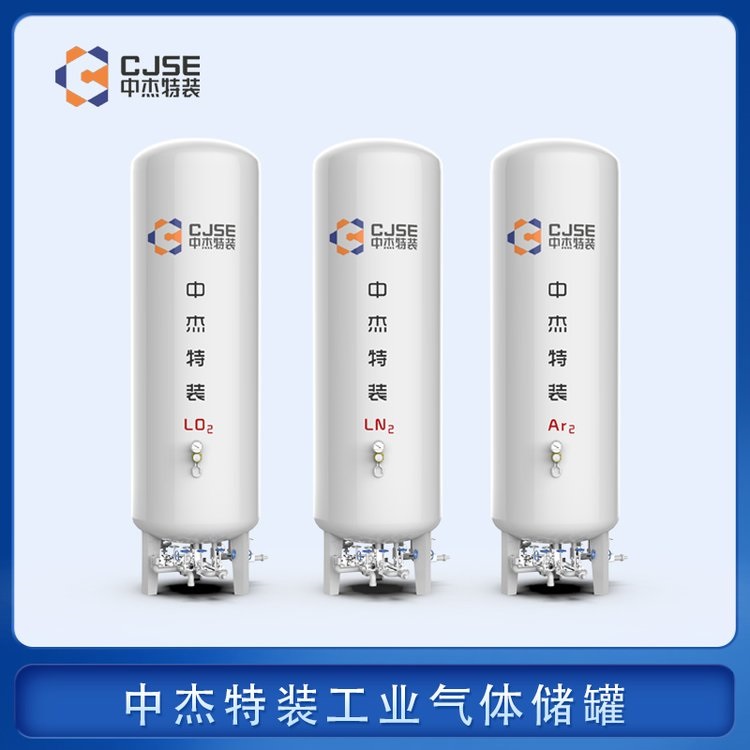
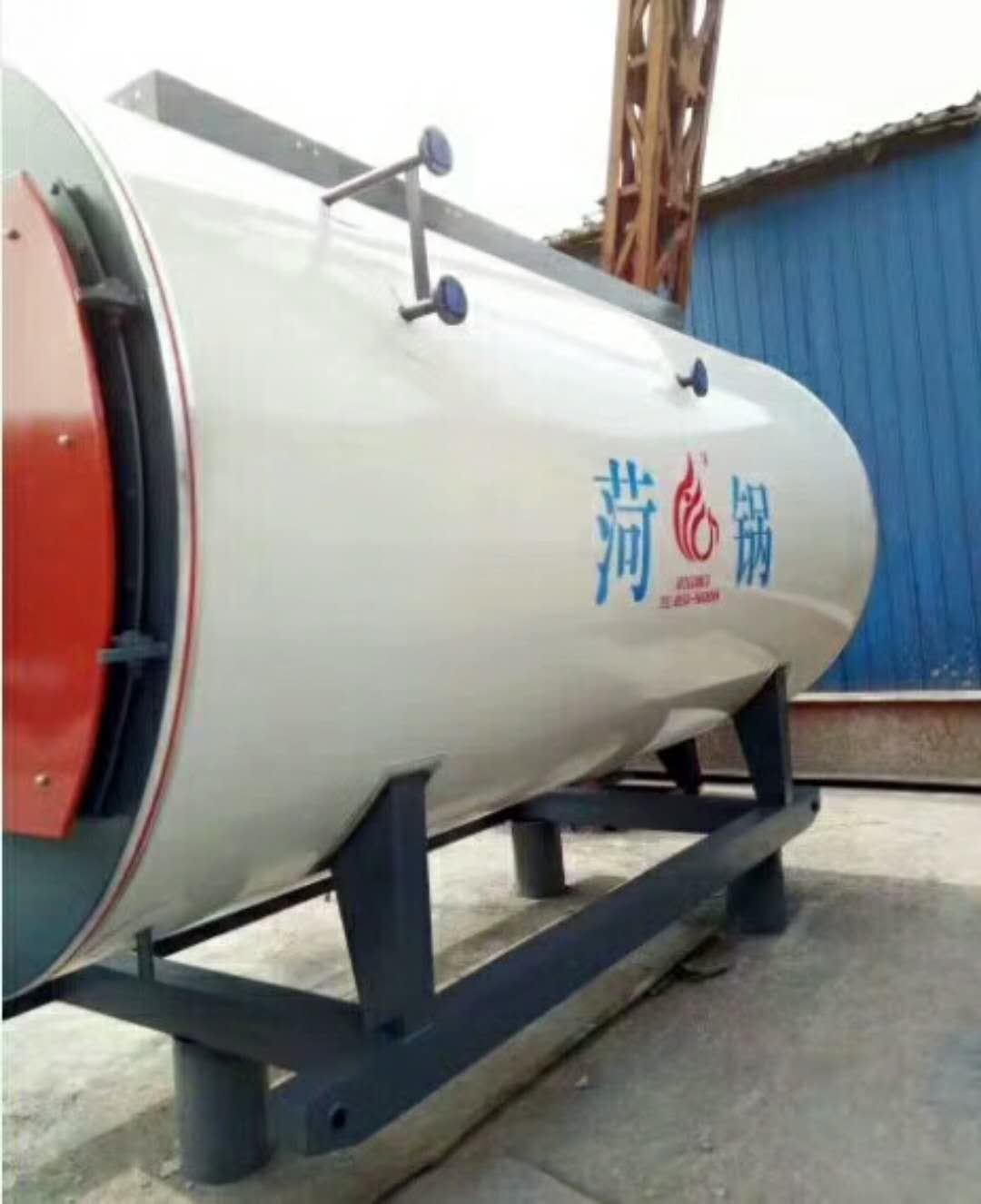
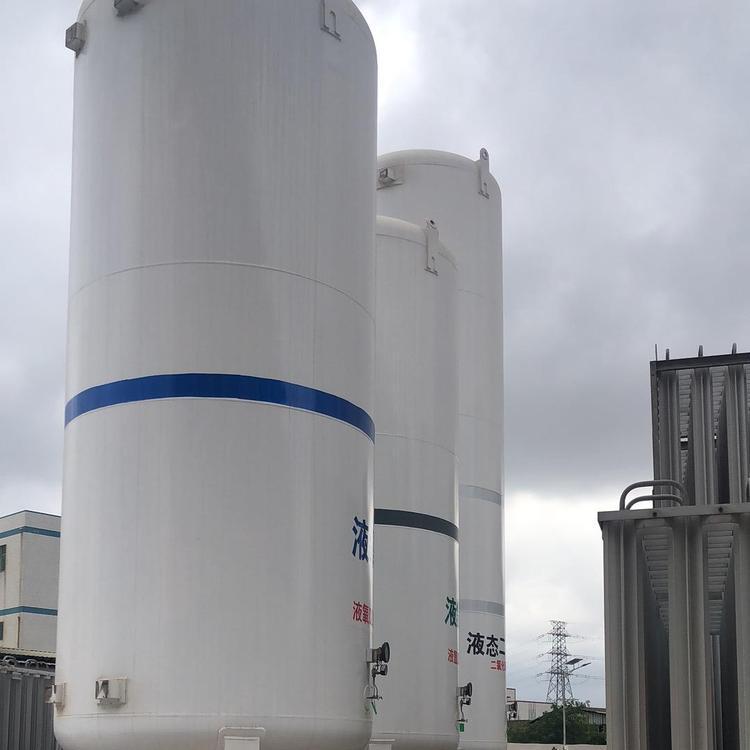
Shandong Zhongjie Special Equipment (formerly Heze Boiler Factory Co., Ltd.) was established in 2001, located at No. 2218 Jinnan Road, Development Zone, Heze City. With a registered capital of 50 million yuan and total assets of 500 million yuan, the company operates seven business centers: boiler, deep-freezing vessel, pressure vessel, central air conditioning, engineering installation, international trade, and Internet of Things. It has three factory sites on Jinnan Road, East Changjiang Road, and Bohai Road, covering a total area of 200,000 square meters, with the main workshop spanning 83,000 square meters. The company currently employs 710 people, including 247 engineers and technicians, and 82 intermediate-level technical personnel. In December 2016, it was recognized as a "High-tech Enterprise" by the Science and Technology Department. In June 2021, it was identified as a "Specialized and New Enterprise in Shandong Province" by the Department of Industry and Information Technology. In June 2022, it was named a "Gazelle Enterprise in Shandong Province" and in August 2022, it was recognized as a "Specialized and New Small Giant Enterprise" by the Ministry of Industry and Information Technology.
Water tightness tests for CO2 storage tanks are a common quality inspection method, used to verify the tank's sealing and pressure resistance. Below are the general steps for conducting a water tightness test on CO2 storage tanks: Preparation: Ensure the tank interior is clean and the tank is empty. Check the tank's valves, pipes, and connections to ensure proper sealing. Filling with Water: Fill the tank with water, using tap water or another clean source. Ensure even water filling to avoid bubbles or dead spots. Applying Pressure: Use a pressure pump or another pressure device to gradually increase the water pressure until it reaches the predetermined test pressure. The test pressure is typically determined based on the tank's design requirements and relevant standards. Maintaining Pressure: After reaching the test pressure, hold it for a period, usually 15-30 minutes. During this time, observe for any leakage from the tank, and check for leaks at the valves and connections. Pressure Release: Release the water pressure in the tank, ensuring a slow and even release to avoid sudden pressure release causing shock. Inspection and Evaluation: After pressure release, inspect the tank's exterior and interior for any leakage. Evaluate the test results to ensure the tank's sealing and pressure resistance meet the requirements. It is important to follow relevant safety operating procedures and standards when conducting water tightness tests to ensure safety and reliability during the process. Additionally, according to the tank's design and usage requirements, other types of tests can be conducted, such as air tightness tests, ultrasonic inspections, etc., to comprehensively assess the tank's quality and performance. Seek advice and guidance from a consultant.
When filling liquid carbon dioxide into storage tanks, attention should be given to the following aspects:
Safety Operation: During the filling process, it is mandatory to adhere to relevant safety operation procedures and standards. Operators must receive training to understand the operational requirements and safety measures of the filling equipment and operate strictly according to the procedures.
Tank Inspection: Before filling, the tank must be inspected to ensure its integrity and safety. Check the tank's appearance, sealing, valves, and pipeline connections, and promptly repair or replace any abnormalities or damages found.
Filling Equipment: Select appropriate filling equipment, ensuring it meets relevant standards and requirements. The filling equipment should have a safe and reliable design and operational function to ensure the safety and efficiency of the filling process.
Filling Rate Control: Controlling the filling rate is crucial. Excessive filling speed can lead to high tank pressure, increasing safety risks. The filling rate should be controlled according to the tank's capacity and design requirements to ensure safe filling.
Pressure Control: During the filling process, the tank's pressure must be strictly controlled. The filling equipment should be equipped with pressure sensors and safety valves to ensure the internal pressure of the tank remains within a safe range.
Leak Protection: During the filling process, ensure the sealing of valves and pipelines to prevent carbon dioxide leakage. Regularly inspect and replace seals, and promptly address any leakage issues.
Monitoring and Recording: Real-time monitoring and recording of key parameters, such as pressure, temperature, and liquid level, should be conducted during the filling process. This helps in promptly identifying abnormalities and making corresponding adjustments and treatments.
It is important to note that filling carbon dioxide storage tanks should be performed by trained operators and in accordance with relevant safety operation procedures and standards. Seek advice and guidance from experts.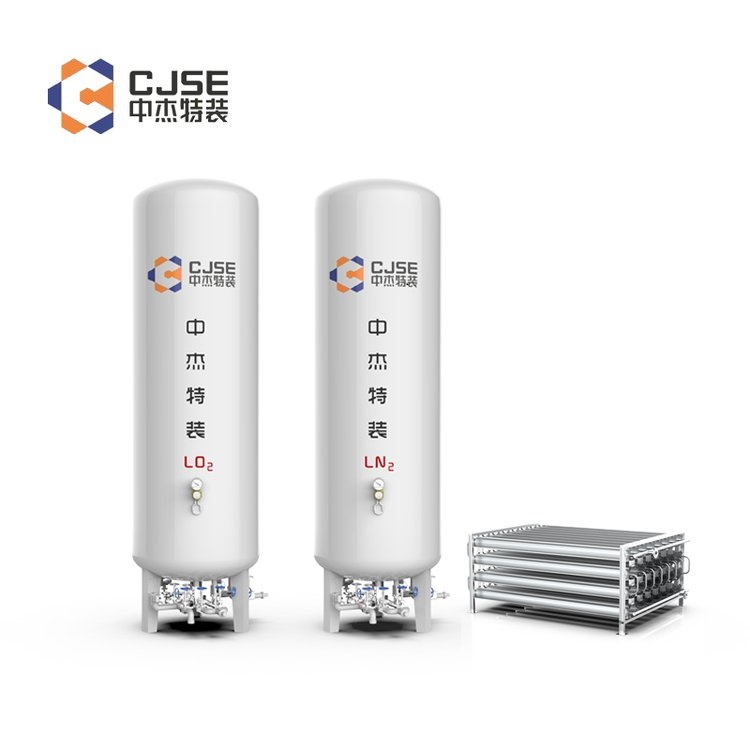
When using CO2 storage tanks, pay attention to the following aspects:
- Safe Operation: Adhere to relevant safety operation procedures and standards, ensuring operators have the necessary safety knowledge and skills. When using the tank, be mindful of safety risks such as leaks, explosions, and fires.
- Tank Pressure Control: Monitor and control the tank's pressure to ensure it remains within a safe range. Avoid exceeding the tank's rated pressure to prevent rupture or leakage.
- Level Monitoring: Regularly monitor the liquid level within the tank to ensure an adequate supply of CO2. Avoid overfilling or underfilling to maintain an appropriate level.
- Static Electricity Measures: Take anti-static measures to prevent static buildup and discharge. Use anti-static equipment and tools to ensure static safety during operations.
- Tank Maintenance: Regularly inspect and maintain the tank, including the exterior, valves, and connections. Ensure the tank is intact to prevent leaks and damage.
- Exhaust Gas Treatment: Handle exhaust gases produced by CO2 storage tanks to avoid environmental pollution. Implement appropriate exhaust gas treatment measures, such as collection and processing.
- Storage Records: Keep records of the tank's usage, including filling dates, quantities, and inspection records. Regularly conduct tank inspections and maintenance, and retain relevant records.
- Training and Awareness: Train operators to enhance their awareness and ability to safely operate CO2 storage tanks. Conduct regular safety training and drills to prepare for emergencies.
- Note: The above are common precautions; specific considerations may vary depending on the type of tank and application. When using CO2 storage tanks, operate according to relevant specifications and standards, and consult with experts to ensure safety and effectiveness.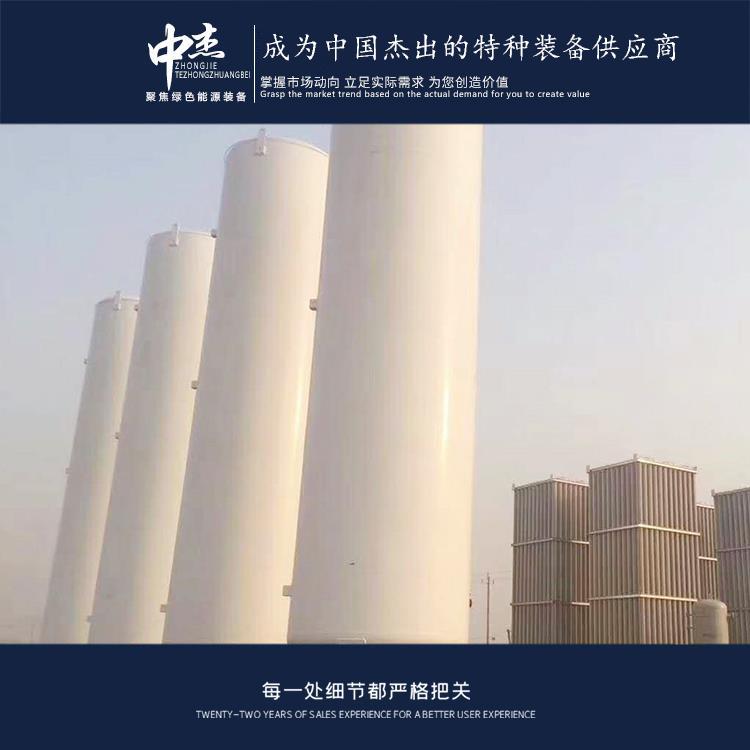
Carbon dioxide tanks are widely used in many industries. Below are some common industries with examples of carbon dioxide tank usage:
- Beverage and Food Industry: Carbon dioxide is used as a carbonating agent for beverages and food, such as soda, beer, and soft drinks. Tanks are used for storing and supplying carbon dioxide to meet production line demands.
- Industry: Carbon dioxide has various applications in the industry, including anesthesia, respiration, and tissue freezing. Tanks are used for storing and supplying medical-grade carbon dioxide to meet facility needs.
- Fire Extinguishing: Carbon dioxide is extensively used in fire suppression systems, particularly for electrical and sensitive equipment. Tanks are used for storing and supplying carbon dioxide for fire extinguishing purposes.
- Gas Industry: Carbon dioxide is also a significant product in the gas industry, used in the production of chemicals, metal processing, welding, and gas shielding. Tanks are used for storing and supplying industrial-grade carbon dioxide.
- Greenhouse Agriculture: Carbon dioxide can be used to promote plant growth in greenhouses, providing additional carbon dioxide concentration. Tanks are used to supply the required carbon dioxide for greenhouse use.
- Automotive Industry: Carbon dioxide is used for tire inflation and airbag systems in cars. Tanks are used for storing and supplying carbon dioxide to meet the needs of car manufacturing and maintenance.
These are just some common industry examples. In reality, carbon dioxide tanks are also widely used in many other industries, such as chemicals and frozen food. Specific applications may vary depending on industry needs and scenarios.
Zhongjie Special Equipment adheres to the grand vision of "realizing employees' dreams, creating customer value, and striving for the prosperity and strength of our motherland," and is dedicated to the development of the green energy equipment industry. We offer society high-value products and services!
Tacheng 30 cubic CO2 storage tank - High product safety
