
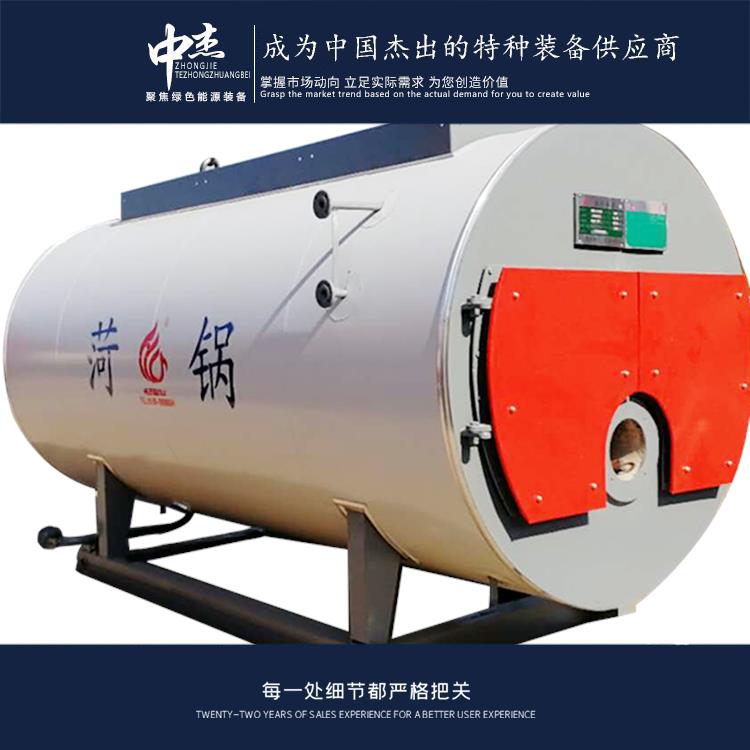
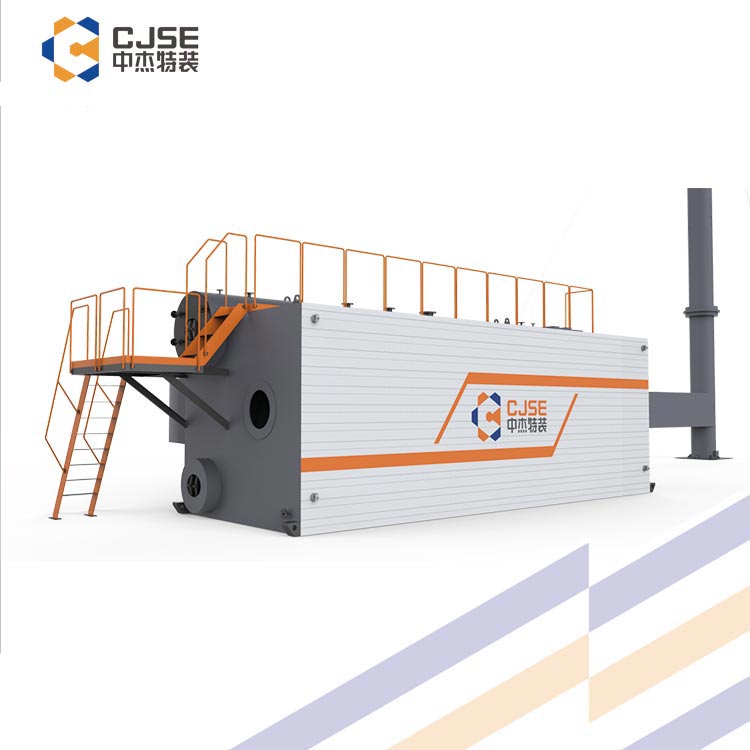
Shandong Zhongjie Special Equipment (formerly Heze Boiler Factory Co., Ltd.) was established in 2001, located at No. 2218 Jinnan Road, Development Zone, Heze City. With a registered capital of 50 million yuan and total assets of 500 million yuan, the company has 7 business centers: boilers, deep-freezing vessels, pressure vessels, central air conditioning, engineering installation, international trade, and the Internet of Things. It has three factory sites on Jinnan Road, East Changjiang Road, and Bohai Road, covering a total of 200,000 square meters, with the main workshop spanning 83,000 square meters. Currently, there are 710 employees, including 247 engineering and technical staff and 82 middle-level technical personnel. In December 2016, it was recognized as a "High-tech Enterprise" by the Science and Technology Department. In June 2021, it was identified as a "Specialized and New Enterprise in Shandong Province" by the Ministry of Industry and Information Technology. In June 2022, it was recognized as a "Gazelle Enterprise in Shandong Province" and in August 2022, as a "Specialized and New Small Giant Enterprise" by the Ministry of Industry and Information Technology.
Steam boilers produce a certain amount of wastewater during operation, which requires effluent treatment. Here are the general steps for steam boiler effluent discharge:
Preparation: Before discharging, ensure the steam boiler is in a shutdown state and the pressure inside the boiler has been reduced to a safe level.
Open the effluent valve: Locate the corresponding effluent valve according to the design of the steam boiler and open it. The effluent valve is typically found on the bottom or near the bottom of the boiler's effluent pipe.
Discharge wastewater: After opening the effluent valve, wastewater will flow out of the effluent pipe. Depending on the need, use an effluent pump or gravity to discharge the wastewater.
Observe the wastewater: During the discharge process, observe the wastewater's color, turbidity, and odor to determine if there are any abnormalities, such as sediment, impurities, or odors.
Close the effluent valve: Once the wastewater discharge is complete or reaches the predetermined effluent target, close the effluent valve.
Clean the effluent system: Regularly clean the effluent system to prevent blockages or accumulations, ensuring the system remains clear.
Note that the specific steps and frequency of steam boiler effluent discharge may vary depending on the model, usage conditions, and operational requirements of the boiler. Therefore, it is advisable to refer to the boiler's operation manual or consult with experts for proper and safe operation.
The flow rate standard for heat transfer oil in the oil tubes of a thermal oil furnace is typically determined based on specific application and equipment requirements, without a unified fixed value. Generally, the flow rate of heat transfer oil in the oil tubes should be controlled within a reasonable range to ensure the normal operation of the equipment and the effectiveness of heat transfer. Excessive flow rates of heat transfer oil may lead to the following issues: increased pressure loss in the system, increased power consumption of the pump. Increased friction loss in the pipelines, resulting in energy loss. Increased noise and vibration in the system. Low flow rates of heat transfer oil may cause the following problems: insufficient heat transfer, affecting the thermal efficiency of the equipment. Extended residence time of heat transfer oil in the pipeline, prone to oxidation and thermal decomposition, impacting the service life of the heat transfer oil. Accumulation of carbon in the pipeline, increasing pipeline resistance, affecting fluid flow. Therefore, when designing and operating the thermal oil furnace system, it is necessary to consider specific equipment parameters, the properties of the heat transfer oil, and pipeline layout, among other factors, to determine the appropriate flow rate of the heat transfer oil. Generally, the flow rate of heat transfer oil should be within the range of 0.5-2.0 m/s, but the specific value needs to be adjusted and optimized based on actual conditions. In practice, the flow rate of heat transfer oil can be controlled by monitoring and adjusting the flow rate of the pump and the resistance of the pipeline to meet the heat energy requirements and operating needs of the equipment.
When selecting a thermal oil furnace for the rubber industry, pay attention to the following aspects:
- Temperature Requirements: Determine the required working temperature range based on the process needs of the rubber industry. Ensure the thermal oil furnace can stably provide the required working temperature.
- Heat Load: Calculate the required heat load based on the production scale and process requirements of the rubber industry. Ensure the heat load of the thermal oil furnace meets the needs of the rubber industry.
- Thermal Efficiency: The thermal efficiency of the thermal oil furnace directly affects energy consumption and operating costs. Consider the thermal efficiency and choose energy-saving products when selecting a thermal oil furnace.
- Safety: The safety of the thermal oil furnace is crucial. Choose a furnace with comprehensive safety protection devices and an automatic control system to ensure safe and reliable operation.
- Maintenance: Proper maintenance is crucial for extending the lifespan and ensuring normal operation of the thermal oil furnace. Consider the ease and cost of maintenance when selecting a thermal oil furnace.
- Manufacturer's Reputation: Choose a thermal oil furnace manufacturer with a good reputation and extensive experience to ensure product quality and reliable after-sales service.
- Cost-Effectiveness: Consider the price, energy consumption, and maintenance costs of the thermal oil furnace when choosing a product with good cost-effectiveness.
- Consultation: It is recommended to consult with heating equipment suppliers or engineers when purchasing a thermal oil furnace, make a selection based on specific needs, and follow relevant industry standards and regulations.
If the thermal oil furnace circulating pump encounters issues, follow these steps for troubleshooting:
- Shutdown and inspect: First, stop the thermal oil furnace and disconnect the power. Check for any obvious signs of failure in the pump, such as unusual noises, oil leaks, or leaks. Inspect the motor for proper operation and for any abnormal heat generation.
- Clean the pump body: If sediment or impurities are found in the pump body, clean them. Use appropriate tools and cleaning agents to remove dirt and obstructions from inside the pump. Exercise caution to avoid damaging the pump body.
- Check pump connections: Inspect the pump's connections, including inlet and outlet pipes, valves, and seals. Ensure that the connections are securely fastened, valves operate smoothly, and seals are intact. Repair or replace any loose or damaged parts promptly.
- Inspect the pump motor: Check the motor for proper operation, any unusual sounds, or overheating. Inspect the power lines and control system of the motor to ensure normal power supply and correct control signals.
- Check the pump's lubrication and cooling system: Ensure the pump's lubrication and cooling system are functioning properly. Check the supply of lubricating oil or grease, and the circulation and temperature control of cooling water or coolant.
- Adjust pump parameters: Depending on the situation, you may need to adjust the pump parameters, such as flow rate and head. Adjust the pump speed or valve opening according to equipment requirements and operating conditions to meet the thermal energy needs of the furnace.
- Seek repair if necessary: If the above steps do not resolve the issue or more extensive maintenance is required, consider seeking repair services. Contact a repair technician or manufacturer's technical support for further troubleshooting and repairs.
- Safety is paramount: When dealing with thermal oil furnace circulating pump issues, always operate safely and follow relevant operational procedures and safety requirements. If unsure about how to proceed or if there are safety concerns, seek assistance immediately.
Shandong Zhongjie Special Equipment, welcome customers to our factory for business discussions.
Changzhou Gas Boiler - Stable Performance