


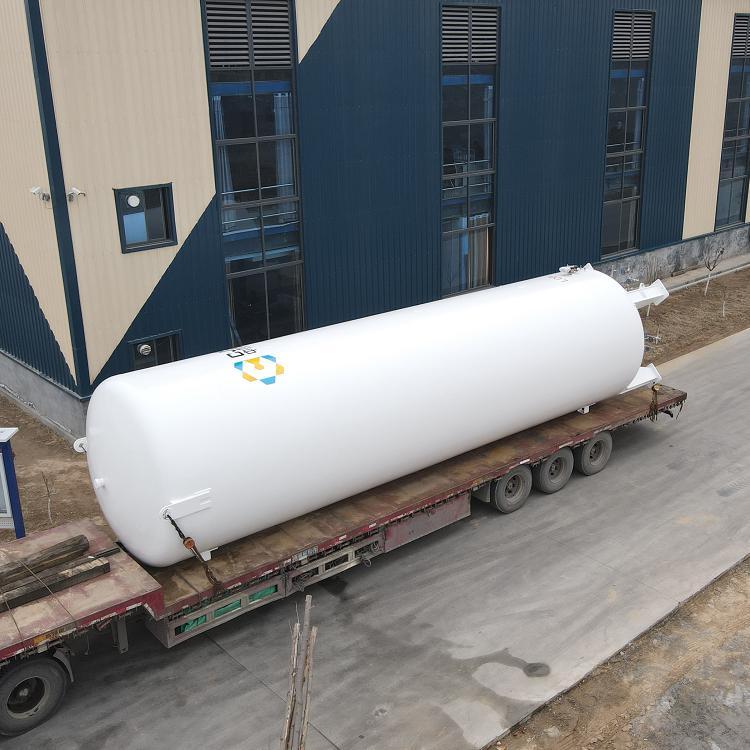
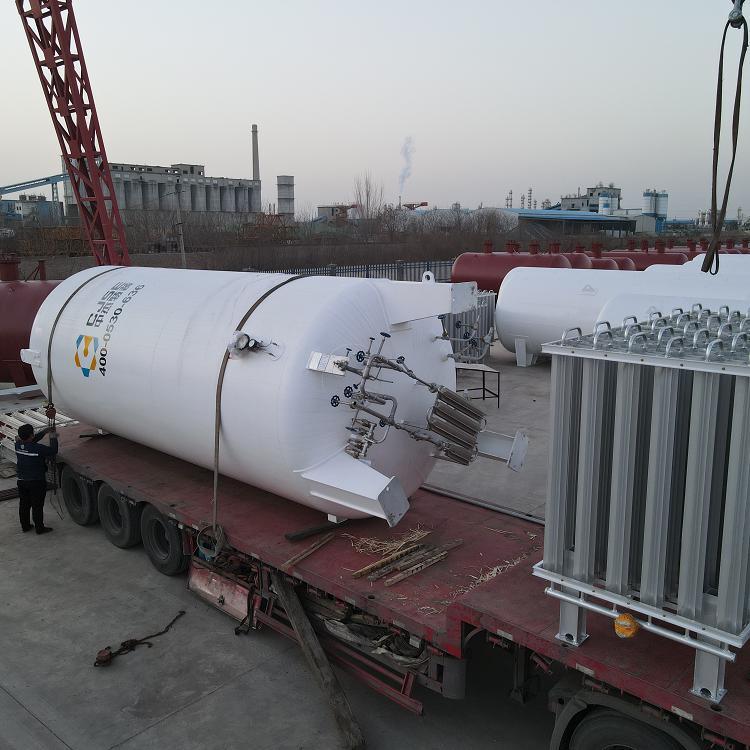
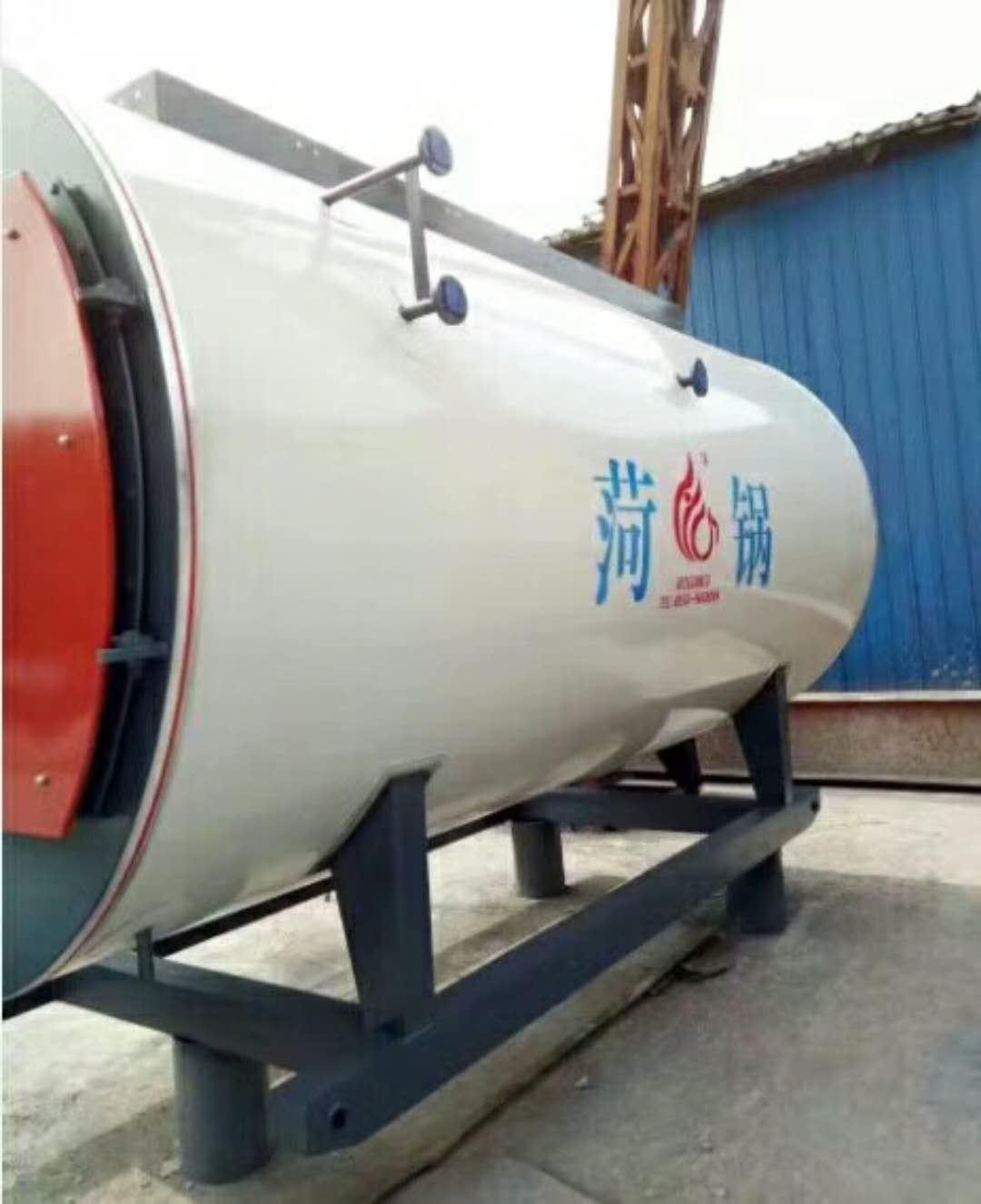
Shandong Zhongjie Special Equipment's main products include: fuel (gas) boilers, organic heat carrier boilers, biomass boilers, waste heat recovery boilers, and other boiler products; vacuum insulation cryogenic pressure vessels such as LNG tanks, oxygen/nitrogen/argon tanks, and CO2 tanks; pressure vessel products such as denitrification engineering equipment, heat storage and energy storage equipment, and complete chemical equipment; central air conditioning and HVAC equipment such as ground (water) source heat pumps, air source units, water-cooled screw units, and air-cooled modular units. Planned products include large-scale energy centers, LNG transport vehicles, LNG tank containers, and other green energy equipment.
For the maintenance and care of low-temperature liquid storage tanks, here are some tips and precautions:
- Regular Inspections: Periodically check the tank's exterior, internal lining, valves, and pipe connections. Be mindful of signs of corrosion, cracks, or oil leaks.
- Cleaning and Draining: Regularly clean the interior of the tank to remove accumulated debris and sediment. Also, regularly drain the tank to remove liquid and gas impurities.
- Corrosion Protection: The exterior and inner lining of low-temperature liquid storage tanks should be treated for corrosion resistance. Regularly inspect and maintain the protective coating or paint to ensure integrity and effectiveness.
- Temperature and Pressure Control: Maintain the tank's temperature and pressure within the design limits. Avoid extremes that could damage the tank.
- Safety Equipment Check: Inspect the tank's safety equipment, such as safety valves, pressure sensors, and temperature sensors, to ensure they are functioning properly. Verify that their set parameters meet requirements.
- Level Measurement System Maintenance: Regularly check and calibrate the level measurement system to ensure accuracy and reliability. Clean or replace level sensors as needed.
- Fire Prevention Measures: Fire prevention is crucial for low-temperature liquid storage tanks. Ensure that fire protection equipment around the tank is in good condition and conduct regular fire drills.
- Regular Assessments and Monitoring: Regularly assess and monitor the tank, including structural integrity, corrosion, and safety. Take appropriate maintenance and repair actions based on assessment results.
- Operator Training: Operators should receive training on the characteristics, operational requirements, and safety measures of low-temperature liquid storage tanks. Training should include safe operation, leak handling, and emergency procedures.
Leakage issues in CO2 storage tanks may be caused by the following reasons: Material Corrosion: CO2 has a certain degree of corrosiveness, and long-term contact may lead to corrosion of the tank material. Corrosion can damage the tank's surface protective layer, causing it to lose its sealing properties and resulting in leaks. Welding Defects: The welding joints of the tank may contain defects such as crack in the welds or blow holes, which can weaken the strength of the welding area and cause leaks. Design Defects: Inadequate design or defects in the tank design may also lead to leaks. For instance, poorly designed interfaces or unreasonable structural design can all contribute to leakage problems in the tank. Overpressure: If the internal pressure of the tank exceeds its capacity, it may cause deformation or破裂, leading to leaks. Temperature Fluctuations: During temperature changes, CO2 storage tanks may deform or develop stress concentrations due to thermal expansion and contraction, causing leaks. Operation Errors: Incorrect operation and maintenance can also lead to leaks in the tank. For example, over-tightening valves or improper maintenance measures can all result in a decrease in the tank's sealing performance. External Damage: Impact, scratching, or corrosion from external forces can cause surface damage or corrosion to the tank, leading to leaks. To avoid leakage issues in CO2 storage tanks, it is essential to choose appropriate materials, ensure reasonable design and manufacturing processes, and conduct regular inspections and maintenance. Additionally, operators should receive training and follow operational procedures to ensure the safe operation of the tank.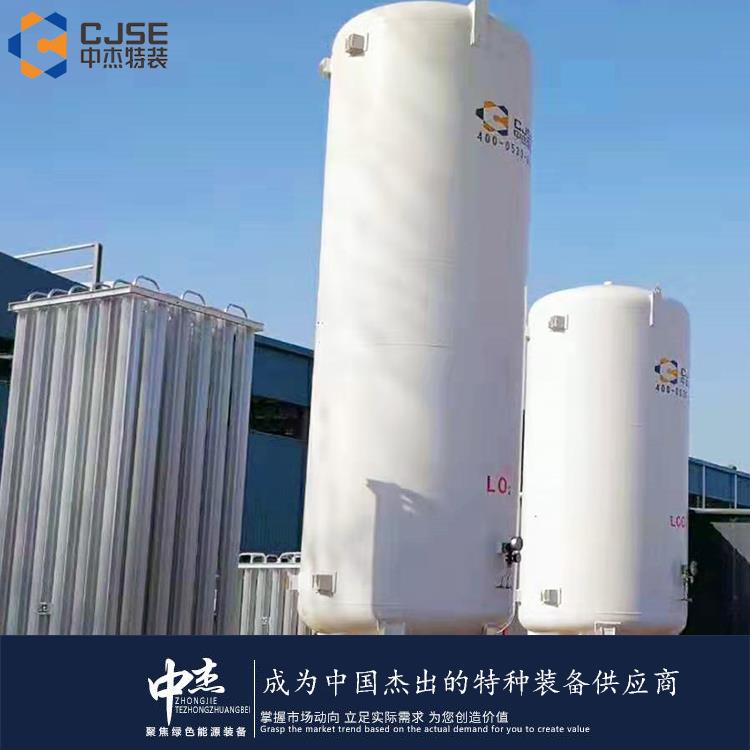
When conducting routine inspections of carbon dioxide storage tanks, follow these steps:
- **Visual Inspection**: Check for any visible damage, corrosion, or oil leakage on the tank's exterior. Pay attention to the tank shell, valves, and pipe connections for any abnormalities.
- **Valve and Pipe Inspection**: Verify that the tank's inlet and outlet valves and pipe connections are functioning properly, and there are no leaks or loose fittings. Ensure valves operate smoothly and reliably.
- **Pressure Relief Device Inspection**: Check that the tank's pressure relief devices (such as safety valves) are operating correctly. Confirm that the set pressure of the relief devices meets requirements.
- **Level Measurement System Inspection**: Assess the accuracy and reliability of the level measurement system. Calibrate the level sensors to ensure accurate level readings.
- **Pressure and Temperature Inspection**: Check that the tank's pressure and temperature sensors are functioning properly. Verify the accuracy of pressure and temperature measurements.
- **Safety Equipment Inspection**: Inspect the tank's safety equipment, such as safety valves, pressure sensors, and temperature sensors, to ensure they are working correctly. Confirm that their set parameters are in compliance.
- **Fire Protection Equipment Inspection**: Ensure that fire protection equipment around the tank is intact and check that fire extinguishers, sprinkler systems, etc., are functioning properly.
- **Liquid and Gas Quality Inspection**: Confirm that the quality of the liquid and gas carbon dioxide in the tank meets requirements, with no impurities or contaminants.
- **Documentation and Reporting**: Record the date of inspection, contents of the inspection, identified issues, and actions taken. Submit inspection reports to relevant departments or management as needed.
- These are general steps for routine inspections of carbon dioxide storage tanks. Specific procedures should be adapted to the tank's characteristics and requirements. When conducting inspections, follow relevant safety operating procedures and have trained personnel perform the operations.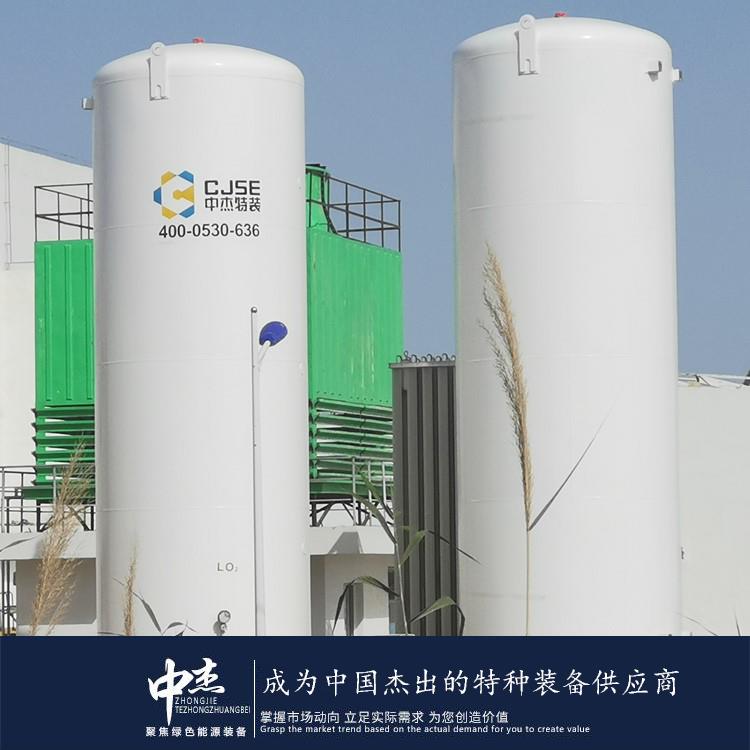
When storing CO2 storage tanks, the following requirements must be followed to ensure safety and effectiveness: Ventilation: Tanks should be stored in well-ventilated areas to prevent the accumulation of CO2 gas. Ensure adequate air circulation around the tanks to prevent gas buildup and asphyxiation risks. Fire and Explosion Prevention: Keep tanks away from fire sources, high-temperature areas, and flammable materials. Avoid open flame operations near tanks to prevent fire and explosion risks. Sunlight Avoidance: Store tanks in a location shielded from direct sunlight to prevent overheating and pressure increase. Direct sunlight can raise tank temperatures, increasing the risk of leaks and explosions. Mechanical Damage Prevention: Keep tanks away from machinery and heavy objects to avoid collisions and damage. Mechanical damage can lead to tank leaks or破裂, causing safety incidents. Labeling and Warning Signs: Clearly label tanks with information such as the type of gas stored and pressure. Set up warning signs around the tanks to remind personnel of their presence and related safety precautions. Regular Inspections: Regularly inspect the tank's appearance, valves, and connections to ensure they are undamaged. Take prompt corrective action if any abnormalities are found. Storage Capacity Control: Control the storage capacity of tanks to avoid exceeding their rated capacity. Overfilling can cause excessive tank pressure and increase safety risks. Storage Records: Record the tank's usage, including filling dates, quantities, and inspection records. Regularly conduct tank inspections and maintenance and retain relevant records. Note that specific storage requirements may vary depending on tank type and application. When storing CO2 tanks, operate according to relevant specifications and standards, and consult experts to ensure safety and effectiveness.
Our company places a high priority on technological innovation and R&D, boasting one municipal enterprise technology center in Heze City. We have established testing facilities for non-destructive testing, physical and chemical testing, welding testing, hydrostatic testing, and more, equipped with over 600 instruments and equipment such as CNC machine tools, X-ray flaw detectors, digital ultrasonic flaw detectors, mechanical property testing machines, chemical analyzers, spectrometers, tensile testing machines, plasma welding machines, etc. The key products we have developed, such as welding for temperature and pressure vessels, emissions reduction from biomass boilers, and waste heat utilization, have successively been selected for multiple Shandong Provincial Department of Industry and Information Technology science and technology innovation projects, Shandong Provincial key projects, and Heze City innovation and excellence projects. We have accumulated 27 authorized utility models, 16 authorized inventions, participated in drafting 2 standards, 2 industry standards, and registered 15 trademarks. The technical team of our company, in collaboration with Professor Yajiang Li of Shandong University, has developed deep cryogenic container processing technology using the internationally recognized plasma arc + wire filling argon arc welding (PAW-GTAW) technique. After being evaluated as a provincial-level scientific and technological achievement, our technology has reached an international level in the field of deep cryogenic container manufacturing. Choose Zhongjietech, let's create brilliance together!
河源60立方二氧化碳储罐 生产厂家
