


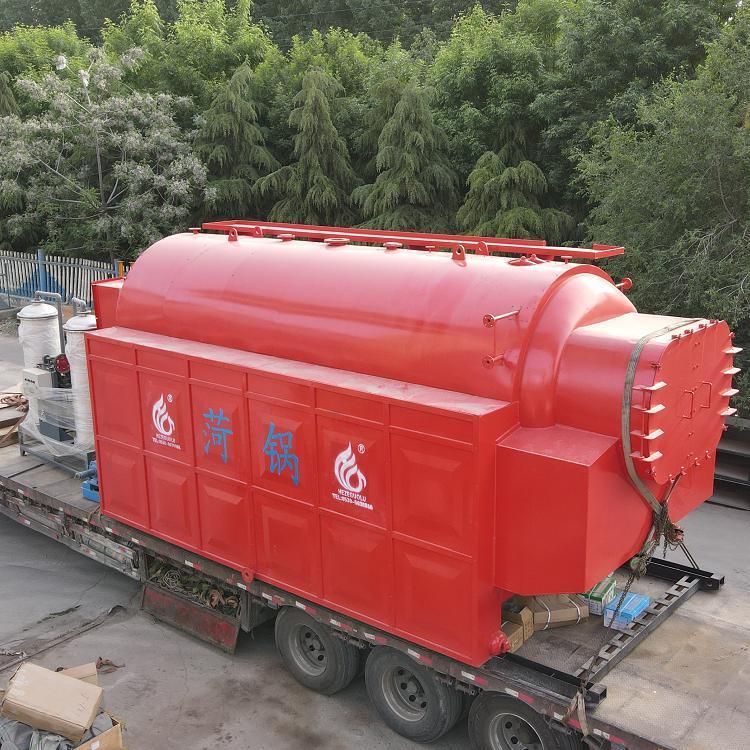
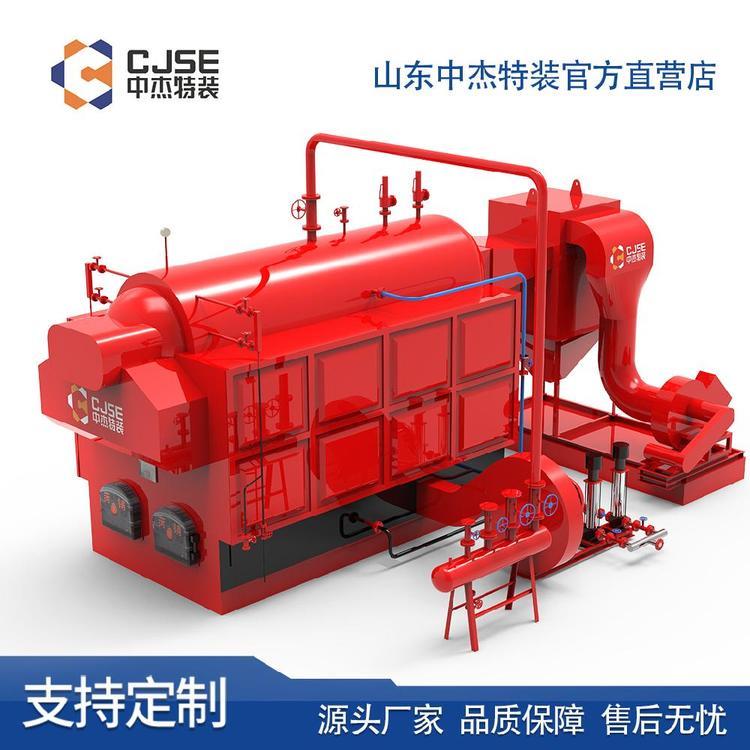
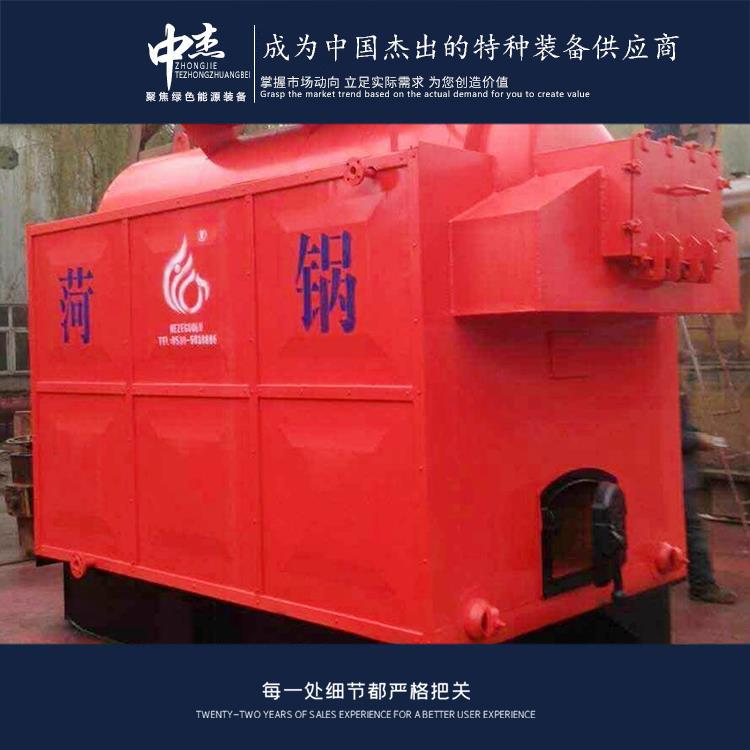
Shandong Zhongjie Special Equipment (formerly Heze Boiler Factory Co., Ltd.) holds an A-grade boiler manufacturing license, an A2-grade pressure vessel manufacturing license, an A2-grade pressure vessel design license, a B-grade boiler installation license, and GB2/Class GC2 pressure pipeline installation licenses, as well as a mechanical and electrical equipment installation contracting qualification. It is a member of the China Boiler and Water Treatment Association, the China Chemical Equipment Association, and the council member of the Shandong Equipment Manufacturing Association. The company has also passed the ISO9001 Quality Management System, ISO14001 Environmental Management System, OHSAS18001 Occupational Health and Safety Management System certifications, and the American ASME/U2 certification.
The causes of coking in biomass boilers can be attributed to the following aspects:
Fuel Characteristics: Ash content and ashing properties in biomass fuel are the primary factors leading to slagging. Ash is an incombustible inorganic substance in biomass fuel, which, upon combustion, settles in the furnace and forms slag. Fuel with a high ash content tends to produce a large amount of slag, while fuel with lower ashing temperatures is more prone to slagging in the furnace.
Combustion Temperature: Combustion temperature is a significant factor affecting biomass boiler slagging. Too low combustion temperature can result in incomplete fuel combustion and insufficient melting of ash, increasing the likelihood of slagging.
Air Supply: Insufficient or excessive air supply can affect the combustion process and coking of biomass boilers. Too little air supply can lead to incomplete fuel combustion, producing a large amount of solid residue and increasing the risk of coking. Conversely, too much air supply can lower the combustion temperature, extend the fuel's residence time in the furnace, and also increase the likelihood of coking.
Furnace Design: The design of the furnace significantly impacts the combustion process and coking. The airflow and temperature distribution within the furnace affect fuel combustion and slag discharge. An impractical furnace design can lead to extended fuel residence time, increasing the risk of coking.
Ash Cleaning System: The performance and operation of the ash cleaning system also affect the coking condition of biomass boilers. Regularly cleaning the ash inside the furnace.
To prevent and mitigate the corrosion issues of biomass boilers, the following methods can be adopted:
Regular cleaning and maintenance: Regularly clean the accumulated dust and dirt inside the boiler to keep it clean. During the cleaning process, use appropriate cleaning agents and tools to remove internal dirt from the boiler, preventing corrosion from occurring.
Water Quality Control: The quality of water in biomass boilers significantly affects corrosion. It is essential to regularly test and adjust the chemical composition of the boiler water to maintain the pH level, hardness, and oxygen content within appropriate ranges. Water treatment equipment, such as water softeners and deaerators, can be used to improve water quality.
Prevent Oxygen Corrosion: Oxygen corrosion is one of the common forms of corrosion in biomass boilers. This can be mitigated by installing an oxygen scavenger in the boiler's feed water piping to remove oxygen from the water, thereby reducing the occurrence of oxygen corrosion. Additionally, corrosion inhibitors and other chemical measures can be employed to prevent oxygen corrosion.
Control the combustion process: High temperatures during combustion and acidic substances in the flue gas can also cause corrosion. To control the combustion process, ensure that the combustion temperature and acidic substances in the flue gas are within the appropriate range. This can be achieved by adjusting the combustion air volume, fuel supply, and fuel distribution.
Prevent Local Corrosion: Some parts of the boiler, such as the furnace and flue, are prone to corrosion. Reinforcement or coating protection with corrosion-resistant materials can be applied to these areas to extend their service life.
Regular inspections and maintenance: Regularly inspect and maintain biomass boilers to promptly identify and address corrosion issues. Delegate maintenance personnel for regular inspections and maintenance tasks.
To prevent coking issues in biomass boilers, the following measures can be taken:
Selecting the Appropriate Fuel: Choose biomass fuel with good quality and moderate humidity, avoiding fuel that is overly moist or contains excessive impurities, as this helps reduce the risk of carbon buildup.
Regulate fuel supply speed: Control the rate of fuel supply to avoid both too fast and too slow deliveries, ensuring complete combustion of the fuel and reducing the likelihood of carbon buildup.
Maintain an appropriate combustion temperature: Keep the combustion temperature at an appropriate level, avoiding both too low and too high temperatures. Too low temperatures can lead to coking, while too high temperatures may result in incomplete combustion.
Control Air Supply: Properly regulate the air supply to ensure complete fuel combustion, avoiding excessive air entering the combustion chamber to minimize the risk of coking.
Regular cleaning and maintenance: Regularly clean and remove ash and carbon deposits from the combustion chamber to maintain the boiler's cleanliness and prevent coking issues.
Install coking monitoring device: Install a coking monitoring device to continuously monitor the coking condition within the combustion chamber, and take timely measures to address any issues to prevent further development of coking problems.
Above are some common measures to prevent biomass boiler slagging, with specific preventive measures requiring adjustment and optimization based on the boiler's specific conditions and operational requirements.
Biomass refers to renewable energy derived from organic matter such as plants, animals, and microorganisms. It includes wood, straw, waste crops, food scraps, and municipal solid waste, among others. Biomass has a wide range of sources and types, and it is a renewable energy that can substitute for fossil fuels.
Biomass boilers are specialized equipment designed for burning biomass fuels. They combust biomass fuel to generate high-temperature, high-pressure thermal energy, which is used for heating, power generation, or other industrial processes. Biomass boilers typically use granular, pelletized, or shredded biomass fuels, releasing thermal energy through the combustion process.
The advantages of biomass boilers include:
Renewable Energy: Biomass is a renewable energy source with lower carbon emissions and environmental impact compared to fossil fuels.
Diversity: There is a wide variety of biomass fuels, utilizing waste and by-products from plants and animals to enhance resource utilization efficiency.
Environmental Friendliness: The carbon dioxide produced during biomass combustion can be absorbed by plants, forming a cycle and reducing air pollution.
Economic Efficiency: Biomass fuel is relatively more cost-effective, can
Zhongjie Special Equipment adheres to the great vision of "realizing employees' dreams, creating value for customers, and striving for the prosperity and strength of our motherland," wholeheartedly committed to the development of green energy equipment. We dedicate high-quality, cost-effective products and services to society!
Jinzhou 8-ton biomass boiler, high product safety.
