


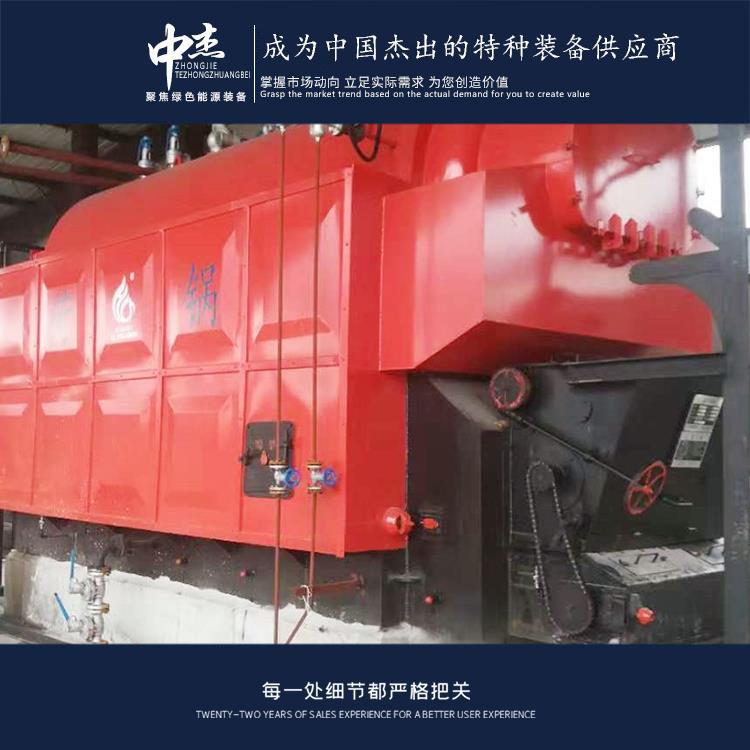

Shandong Zhongjie Special Equipment's main products include: fuel (gas) boilers, organic heat carrier boilers, biomass boilers, waste heat boilers, and other boiler products; vacuum insulation cryogenic pressure vessels such as LNG tanks, oxygen/nitrogen/argon tanks, and CO2 tanks; pressure vessel products such as denitrification engineering equipment, heat storage and energy storage equipment, and complete chemical equipment sets; central air conditioning and HVAC equipment like ground (water) source heat pumps, air source units, water-cooled screw units, and air-cooled modular units. Planned products include large-scale energy centers, LNG transport vehicles, LNG tank containers, and other green energy equipment.
When operating biomass boilers, the following safety precautions should be observed:
Familiarize with the operation manual: Before operating the biomass boiler, carefully read and familiarize yourself with the operation manual to understand the boiler's structure, working principle, operating steps, and safety precautions.
Regular inspections and maintenance: Conduct regular checks on all parts and equipment of the boiler to ensure proper operation and safety performance. Promptly clean ash and slag, inspect the tightness of pipes and valves, and maintain the boiler's cleanliness and unobstructed flow.
Regulate Fuel Supply: Control the rate and quantity of fuel supply to prevent either too rapid or too slow delivery, ensuring complete combustion of fuel and reducing safety risks.
Control Combustion Temperature: Maintain an appropriate combustion temperature to avoid both too low and too high temperatures. Too low temperatures can lead to carbon buildup, while too high temperatures may cause incomplete combustion and safety hazards.
Regularly clean and maintain the combustion chamber: Periodically clean the ash and carbon deposits inside the combustion chamber to keep the boiler clean and prevent issues like scaling and clogging.
Safety valves and pressure gauges: Ensure the proper operation and accuracy of safety valves and pressure gauges; promptly repair or replace any damaged safety valves and pressure gauges.
Prevent overheating and overpressure: Monitor the boiler's temperature and pressure to avoid overheating and overpressure situations, and take timely measures for adjustment and treatment.
Prevent Gas Leaks: Regularly inspect the seals of gas pipes and valves to ensure no gas leaks occur, avoiding risks of fire and explosion.
Pre-shutdown Procedures: Prior to shutdown, first turn off the fuel and air supplies, then wait for the boiler to cool down before conducting maintenance and cleaning.
Training and Operating Procedures: Ensure operators have received relevant training, are familiar with operating procedures and emergency response measures, and can correctly operate and handle emergencies.
Above are some safety precautions to be aware of when operating biomass boilers. To ensure the safe operation of the boiler, it is recommended to follow relevant operational procedures and safety standards, and to conduct regular inspections and maintenance.
Possible reasons for the black smoke produced by biomass boiler combustion may include:
Incomplete combustion: Inadequate oxygen supply or insufficient combustion temperature in biomass fuel can lead to incomplete combustion, resulting in a large amount of smoke and soot. This may be due to poor combustion chamber ventilation, poor fuel quality, or incorrect setting of combustion parameters.
High moisture content: Excessive water content in biomass fuel leads to the evaporation of a large amount of steam during combustion, lowering the combustion temperature and affecting the combustion efficiency, resulting in the production of black smoke.
Fuel Quality Issues: If biomass fuel contains impurities, ash, or uneven moisture content, it can affect the combustion process, leading to incomplete combustion and the production of black smoke.
Combustion equipment issues: If there are malfunctions or wear in the combustion equipment of biomass boilers, such as slagging in the combustion chamber or clogging of the burners, it can affect the combustion efficiency and lead to the production of black smoke.
To reduce the emission of black smoke, the following measures can be taken:
Ensure adequate oxygen supply: Adjust the ventilation system of the combustion equipment to ensure sufficient oxygen supply, enhance combustion efficiency, and reduce the production of black smoke.
Control combustion temperature: Adjust combustion parameters, such as combustion temperature and duration, to ensure complete fuel combustion and reduce the production of black smoke.
Optimize fuel quality: Select biomass fuel in appropriate quantities, ensuring consistent dryness and quality, reducing moisture content and impurities, and enhancing combustion efficiency.
Regular Maintenance: Regularly maintain and service biomass boilers, clean the combustion chamber, burners, and other components to ensure the equipment operates smoothly and reduce the emission of black smoke.
Install Pollutant Control Equipment: As required, install flue gas purification equipment such as dust collectors and desulfurization devices, effectively removing particles generated during the combustion process.
Biomass boilers offer the following environmental advantages:
Renewable Energy: The fuel used in biomass boilers is renewable, such as wood chips, straw, waste materials, etc. Compared to fossil fuels, the use of biomass fuel can reduce dependence on limited resources and lower energy consumption.
Low carbon emissions: The amount of carbon dioxide released during the combustion of biomass fuel is roughly equivalent to the amount absorbed during its growth, creating a closed carbon cycle. Compared to the combustion of fossil fuels, biomass boilers have lower carbon emissions, playing a cumulative role in reducing greenhouse gas emissions.
Reducing Pollutant Emissions: The combustion of biomass fuel results in relatively lower emissions of pollutants. Compared to coal combustion, biomass boilers emit fewer nitrogen oxides, sulfur oxides, and particulate matter, leading to less pollution of the atmosphere.
Waste Utilization: Biomass boilers can use waste materials as fuel, such as crop straw and wood scraps. If these wastes are not utilized, they may impact the environment. By utilizing biomass boilers, waste resources can be recycled, reducing waste disposal and treatment issues.
Heat Recovery Utilization: Biomass boiler flue gas contains a large amount of heat energy, which can be recovered and utilized through flue gas waste heat recovery devices. Using the residual heat in the flue gas for heating and hot water, etc., improves energy utilization efficiency and reduces energy waste.
Sustainable Development: High sustainability of biomass fuel
When selecting biomass boilers, pay attention to the following factors:
Fuel Adaptability: Different types of biomass boilers are suitable for various fuel types, such as wood chips, straw, and waste crops. When selecting a biomass boiler, consider the availability and cost of the required fuel to ensure the boiler can adapt to the fuel type used.
Boiler Power and Heat Load: Select an appropriate biomass boiler power based on the heating area required and the size of the heat load. An undersized boiler power may not meet the heating demand, while an oversized one would result in energy waste.
Combustion Efficiency: Combustion efficiency is a key indicator of a boiler's energy utilization efficiency. Choosing a biomass boiler with high combustion efficiency can reduce energy consumption and carbon emissions.
Equipment Quality and Reliability: Choose a biomass boiler manufacturer with an excellent reputation to ensure reliable equipment quality, stable operation, and reduced downtime and maintenance costs.
Environmental Performance: Focus on the environmental performance of biomass boilers, including emission standards and flue gas treatment systems. Chosen boilers reduce environmental pollution.
Control systems and automation levels: The advanced control systems and automation levels enhance the operational efficiency and stability of biomass boilers, while reducing labor and management costs.
After-sales Service and Technical Support: Choose suppliers with excellent after-sales service and technical support to ensure timely access to technical assistance and repair services during use.
In summary, when selecting biomass boilers, consider fuel adaptability, boiler power and heat load, combustion efficiency, equipment quality and reliability, environmental performance, control systems, and degree of automation.
Shandong Zhongjie Special Equipment, welcome customers to our factory for business discussions.
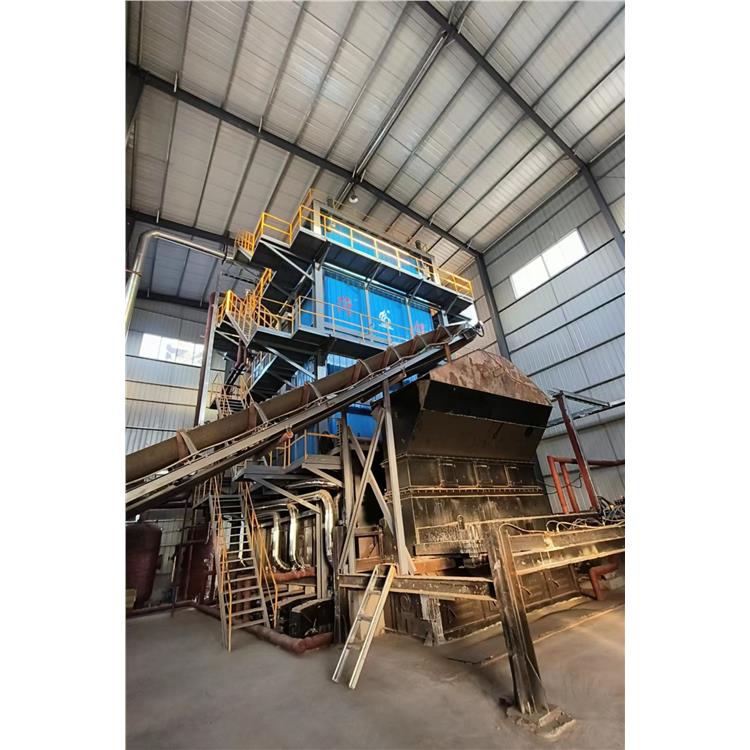
Yangjiang 35-ton biomass boiler, manufacturer in person
