


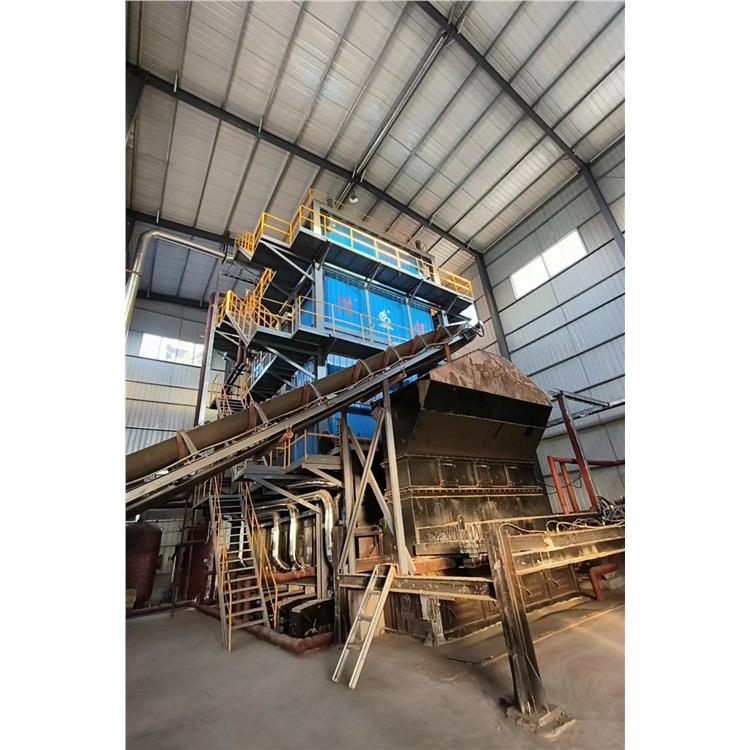
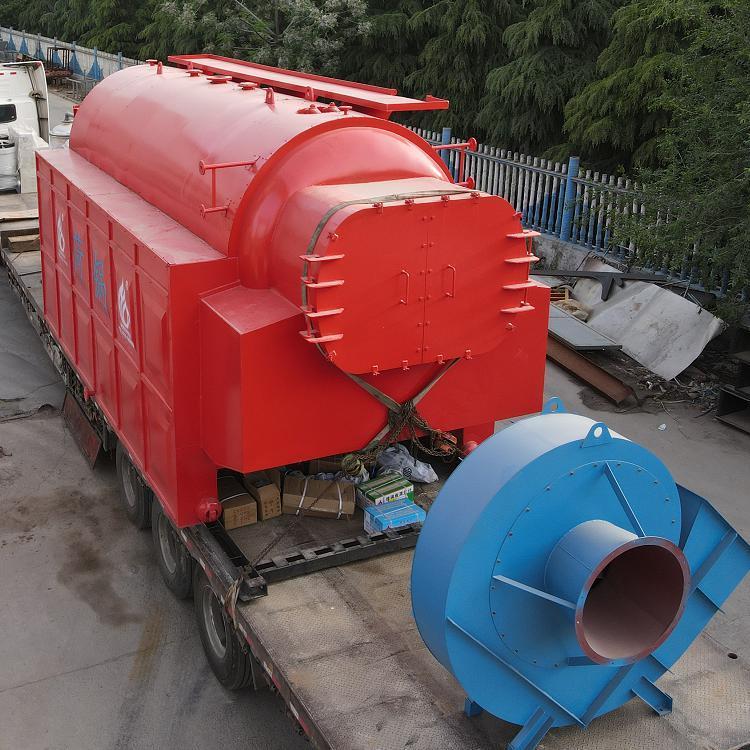
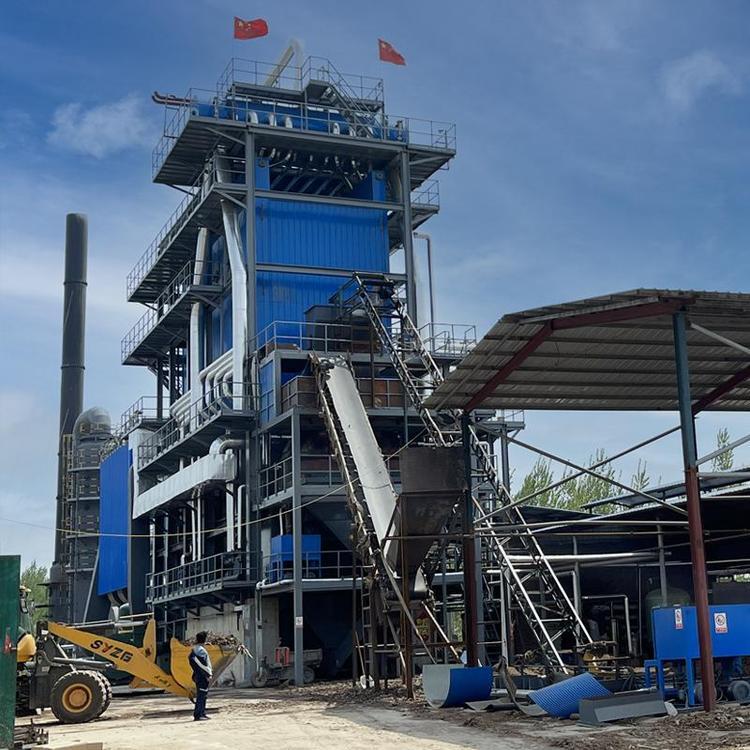
Shandong Zhongjie Special Equipment (formerly Heze Boiler Factory Co., Ltd.) was established in 2001, located at No. 2218 Jinnan Road, Development Zone, Heze City. With a registered capital of 50 million yuan and total assets of 500 million yuan, the company operates seven business centers: boilers, deep-freeze containers, pressure vessels, central air conditioning, engineering installation, international trade, and the Internet of Things. It has three factory sites on Jinnan Road, East Changjiang Road, and Bohai Road, covering a total of 200,000 square meters, with the main workshop spanning 83,000 square meters. The company currently employs 710 staff, including 247 engineers and technicians, and 82 intermediate-level technicians. In December 2016, it was recognized as a "High-tech Enterprise" by the Science and Technology Department. In June 2021, it was identified as a "Specialized and New Enterprise of Shandong Province" by the Industry and Information Technology Department. In June 2022, it was recognized as a "Gazelle Enterprise of Shandong Province" and in August 2022, as a "Specialized and New Small Giant Enterprise" by the Ministry of Industry and Information Technology.
The promotion of biomass boilers in environmental protection is mainly reflected in the following aspects:
Renewable Energy Utilization: Biomass boilers utilize biomass fuels such as wood chips, straw, wheat straw, fruit shells, etc., which are renewable resources. Compared to fossil fuels, biomass fuels emit relatively less carbon dioxide during combustion, resulting in a smaller impact on climate change.
Reducing Greenhouse Gas Emissions: The carbon dioxide produced during the combustion of biomass boilers can be reabsorbed through the regeneration process of biomass, forming a closed loop. This helps to decrease greenhouse gas emissions and has a cumulative effect on mitigating climate change.
Low Pollution Emission: The combustion of biomass boilers produces relatively low emissions of pollutants in the flue gas. By employing reasonable combustion adjustments and supplementary pollution control equipment such as dust collectors and nitrogen oxide control devices, the emissions of particulates and nitrogen oxides in the flue gas can be further reduced.
Recycling Waste: Biomass boilers can utilize waste and by-products as fuel, such as crop straw and wood processing waste. This approach facilitates the recycling of waste, reducing the issues of waste accumulation and disposal.
Energy Efficiency Enhancement: The combustion process of biomass boilers can be improved through technologies such as heat recovery and waste heat utilization, enhancing energy utilization efficiency. This aids in reducing energy consumption and dependence on traditional energy sources.
Overall, biomass boilers, as a renewable energy utilization technology, offer advantages such as lower carbon and pollution emissions, as well as waste recycling, playing a significant role in environmental protection and sustainable development.
Several factors need to be considered when choosing a suitable biomass boiler:
Fuel Type: Firstly, determine the available biomass fuel types, such as wood chips, straw, etc. Different biomass fuels have varying characteristics, including moisture content, ash content, and calorific value, and it is necessary to select a boiler suitable for the fuel type.
Boiler Capacity: Determine the required steam or hot water output based on actual needs and select an appropriate boiler capacity. Over-sizing leads to energy waste, while undersizing fails to meet demand.
Combustion Efficiency: Focus on the boiler's combustion efficiency, which is the ratio of fuel converted to heat energy. High combustion efficiency can enhance energy utilization and reduce operating costs.
Equipment Quality and Reliability: Select biomass boilers and suppliers with excellent quality and reliability to ensure long-term stable operation and convenient maintenance of the equipment.
Environmental Performance: Focus on the environmental performance of the boiler, including emission standards and reduction of pollutant emissions. The selected biomass boiler is conducive to environmental protection and compliance with relevant regulations.
Economicity: Choose a cost-effective biomass boiler by considering the overall purchase, operation, and maintenance costs of the boiler.
Adaptability and Flexibility: Select biomass boilers with high adaptability and flexibility based on actual needs and application scenarios, ensuring they can accommodate various fuel and operating conditions.
When selecting biomass boilers, consult boiler suppliers or engineers to conduct technical evaluations and economic analyses based on specific conditions, and choose the appropriate type and specification of biomass boiler.
Fully automatic biomass boilers refer to biomass boilers equipped with an automatic control system. Here are some points to note:
Regular Maintenance: Although the fully automatic biomass boiler is equipped with an automatic control system, regular maintenance is still necessary. This includes cleaning the combustion chamber, heat exchanger, flue, etc., inspecting and replacing worn parts, to ensure the normal operation of the boiler.
Water Treatment: The quality of water in biomass boilers is crucial for their normal operation. Regularly inspect and treat water quality, including water hardness, alkalinity, and impurities. Implement appropriate water treatment measures based on water quality conditions to prevent scale and corrosion, and protect the boiler's heat exchangers and pipes.
Fuel Quality Control: The quality of fuel for biomass boilers is crucial for combustion efficiency and stable operation. Select the appropriate amount of biomass fuel and conduct proper quality control, including moisture content and particle size. Ensure the fuel quality meets the boiler's requirements to avoid incomplete combustion and blockages.
Regular Cleaning of Combustion System: The combustion system of fully automatic biomass boilers requires regular cleaning, including the combustion chamber, burners, and burner nozzles. Accumulation of ash, sediment, and dirt, to maintain the unobstructed flow of the combustion system, and to avoid issues such as incomplete combustion and unstable flames.
Regular System Inspections: The control system of fully automatic biomass boilers requires regular inspections and testing to ensure proper operation. This includes checking the accuracy of sensors and the stability of controllers. Promptly identify and resolve control system issues to ensure stable boiler operation.
Maintain accurate records and monitoring: Document operational parameters and fault conditions of all active biomass boilers, and conduct monitoring and analysis. Identify and resolve issues promptly to prevent faults from occurring or escalating.
The above are some precautions when using fully automatic biomass boilers. Through reasonable maintenance, quality control, and operation, the stable performance and work of the boiler can be ensured.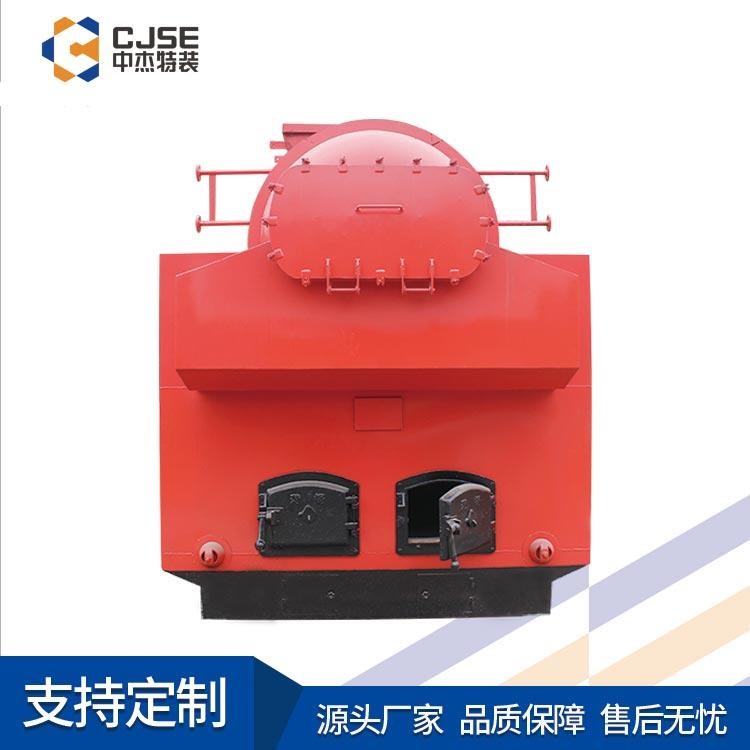
Biomass boilers and coal-fired boilers differ in terms of fuel, environmental performance, and sustainability.
Fuel Type: Biomass boilers utilize renewable biomass fuels such as wood chips and straw, whereas coal-fired boilers use fossil fuels like coal. Biomass fuels are renewable and have low carbon characteristics, while coal is a finite resource and its combustion produces a large amount of carbon dioxide and other pollutants.
Environmental Performance: Biomass boiler combustion produces relatively fewer pollutants, such as carbon dioxide, nitrogen oxides, and particulates. In contrast, coal-fired boilers emit more pollutants, including nitrogen oxides, particulates, and heavy metals, which have a significant impact on air quality and human health.
Sustainability: Biomass fuel is a renewable resource that can be cultivated and recycled through regenerative cycles, offering good sustainability. Coal, on the other hand, is a finite resource, and its mining and burning can cause environmental damage.
Combustion Efficiency: The combustion efficiency of biomass boilers is relatively low due to the complex chemical and physical properties of biomass fuel, which tends to produce more ash and carbon deposits during combustion. In contrast, coal-fired boilers have a higher combustion efficiency, as the chemical properties of coal fuel are more stable, leading to a more complete combustion process.
Technical Requirements: Biomass boilers compared to coal-fired boilers
Our company highly values technological innovation and research and development, boasting one municipal-level enterprise technology center in Heze City. We have established testing facilities for non-destructive testing, physical and chemical testing, welding testing, hydrostatic testing, and more. We are equipped with over 600 instruments and equipment, including CNC machine tools, X-ray flaw detectors, digital ultrasonic flaw detectors, mechanical property testing machines, chemical analyzers, spectrometers, tensile testing machines, plasma welding machines, and more. Our key products and technologies, such as welding for temperature and pressure vessels, biomass boiler emissions reduction, and waste heat recovery, have successively been selected for multiple Shandong Provincial Department of Industry and Information Technology science and technology projects, key provincial projects, and Heze City innovative and excellent projects. We have accumulated a total of 27 authorized utility models, 16 authorized inventions, participated in drafting 2 standards, 2 industry standards, and registered 15 trademarks. Our technical team, in collaboration with Professor Yajiang Li of Shandong University, has developed deep cryogenic container processing technology using the international plasma arc + wire-filled tungsten inert gas arc welding (PAW-GTAW) technique. The provincial-level scientific and technological achievement evaluation has determined that our technology level in deep cryogenic container manufacturing has reached international standards. Choose Zhongjietong, and let's create brilliance together!
Baise 6-ton biomass boiler, on-site installation
