
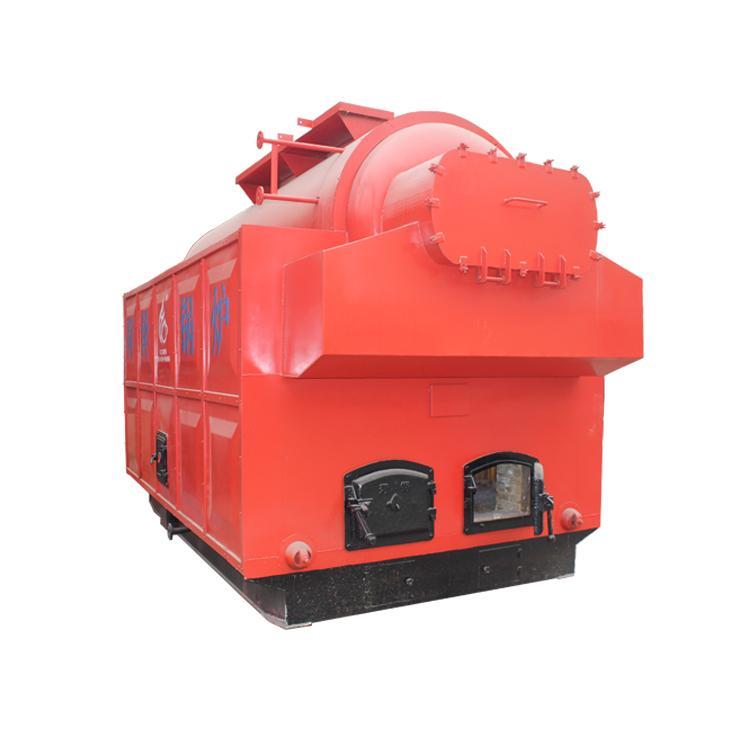
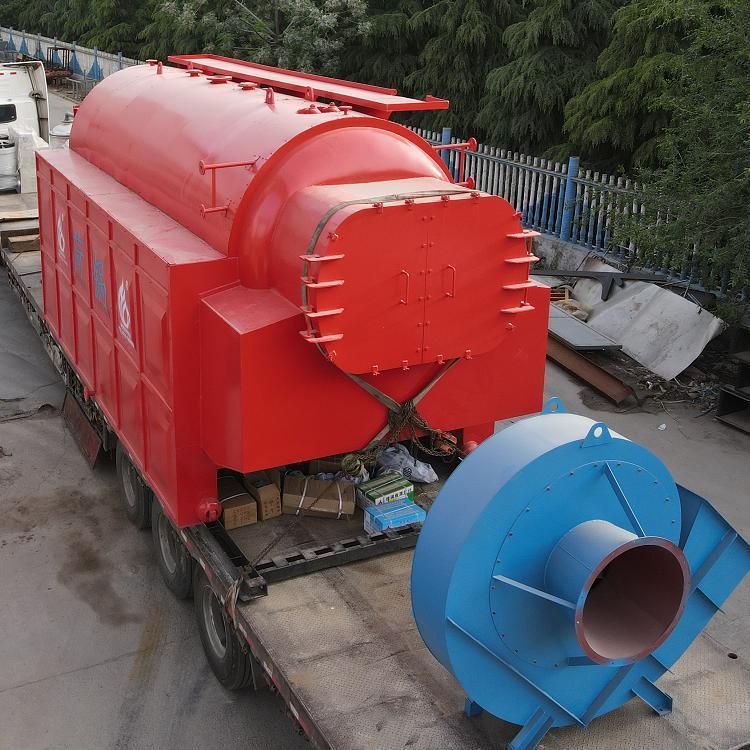
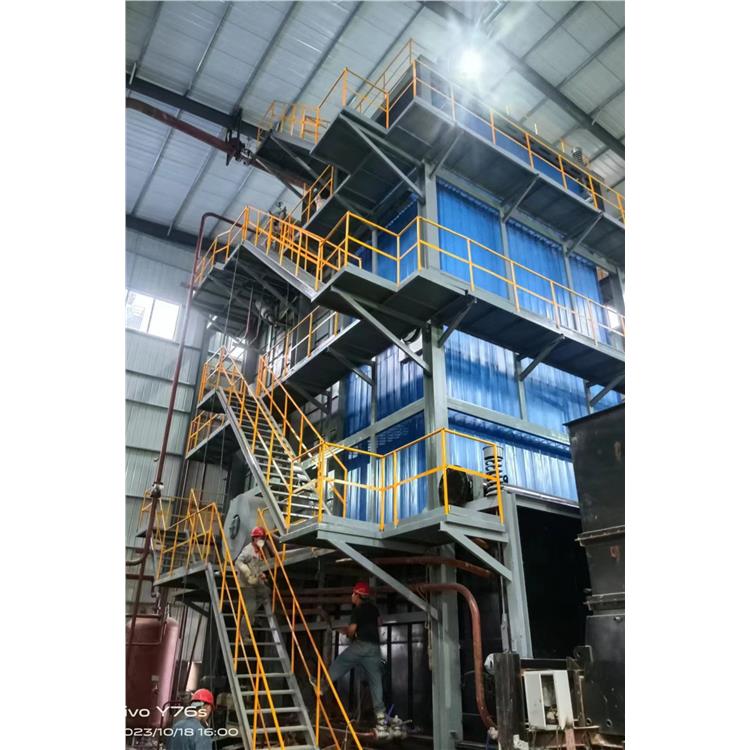
Shandong Zhongjie Special Equipment (formerly Heze Boiler Factory Co., Ltd.) holds an A-grade boiler manufacturing license, an A2-grade pressure vessel manufacturing license, an A2-grade pressure vessel design license, a B-grade boiler installation license, and GB2/GB3-grade pressure pipeline installation licenses, as well as a mechanical and electrical equipment installation contracting qualification. It is a member of the China Boiler and Water Treatment Association, the China Chemical Equipment Association, and the Council Member of the Shandong Equipment Manufacturing Association. The company has also passed the ISO9001 Quality Management System, ISO14001 Environmental Management System, OHSAS18001 Occupational Health and Safety Management System certifications, and the American ASME/U2 certification.
There are mainly the following methods for setting the pressure of biomass hot water boilers:
Regular Discharge: Regularly discharge the excess water from the boiler to maintain the normal working pressure. Discharging the excess water helps prevent excessive internal pressure within the boiler, ensuring its stable operation.
Timing: Perform operations at regular intervals based on the water level of the boiler to maintain normal working pressure. Pay attention to control the amount to avoid excessive pressure due to overfilling.
Pressure Control System: The installed pressure control system continuously monitors the boiler's pressure via sensors and controllers, adjusting automatically according to set values. Should the boiler pressure exceed the set limit, the control system will automatically reduce fuel supply or expel excess water to maintain a stable working pressure for the boiler.
Pressure Regulating Valve: Install the pressure regulating valve on the boiler's inlet pipe. By adjusting the valve opening, control the water inflow to maintain the boiler's stable working pressure. The pressure regulating valve can automatically adjust according to the set value, keeping the boiler pressure within the appropriate range.
Pressure Regulator: Install a pressure regulator in the boiler's combustion system to control the steam pressure by adjusting the burner's combustion intensity. The pressure regulator can automatically adjust the burner's operating state based on the set value to maintain a stable working pressure for the boiler.
Above are common methods for setting the pressure of biomass hot water boilers. According to actual conditions and requirements, the appropriate pressure setting method can be chosen to maintain the stable working pressure of the boiler.
Control methods for the biomass boiler combustion system can include the following aspects:
Fuel Supply Control: Regulate the supply quantity and speed of biomass fuel to ensure stable fuel supply. This can be achieved by adjusting the feeder's speed or on/off.
Air Supply Control: Regulate the air supply during the combustion process to ensure complete fuel combustion. This can be achieved by adjusting the speed of the fan or switching it on/off.
Combustion Temperature Control: Monitors the temperature within the combustion chamber and adjusts it according to set values. The combustion temperature can be controlled by adjusting the air supply or fuel supply within the combustion chamber.
Combustion Process Monitoring: Monitors parameters during the combustion process, such as combustion temperature and pressure inside the combustion chamber, to real-time monitor the combustion status and adjust accordingly based on the monitoring results.
Oxygen Content Control: By monitoring the oxygen levels within the combustion chamber and adjusting them according to set values, we ensure complete fuel combustion. This can be achieved by installing an oxygen content sensor and regulating the air supply.
Ash cleaning system control: Manages the operation of ash cleaning equipment, promptly burning off the ash in the combustion chamber to ensure combustion efficiency and the normal operation of the system.
Above are some common control methods for biomass boiler combustion systems; specific control strategies and methods may vary depending on different boiler models and system designs.
The use of biomass boilers holds significant importance for energy conservation and emission reduction:
Reducing Carbon Emissions: Fuel for biomass boilers comes from organic matter such as plants, animals, and microorganisms. The carbon dioxide released during combustion can be absorbed by plants, creating a cycle. Compared to traditional fossil fuels, biomass fuel has a lower carbon footprint, effectively reducing greenhouse gas emissions and is crucial in addressing climate change.
Reduce Energy Consumption: Biomass boilers, equipped with combustion technology and heat recovery systems, can enhance energy utilization efficiency and minimize waste. By conserving energy, energy costs can be reduced and the benefits of energy use improved.
Reducing Dependency on Fossil Fuels: Biomass, as a domestic renewable energy source, can decrease reliance on imported fossil fuels and enhance energy security. In areas with scarce resources, the use of biomass boilers can provide a reliable energy supply, reducing dependence on external energy sources.
Promoting Agricultural and Forestry Development: Fuel for biomass boilers primarily comes from agricultural residues like straw, wood, and other forestry by-products, fostering the sustainable development of agriculture and forestry. By effectively utilizing agricultural and forestry waste, resource waste can be reduced and the comprehensive benefits of the agricultural and forestry industries can be enhanced.
Promote Environmental Protection: Biomass boilers produce relatively fewer emissions and ash during combustion, resulting in less environmental impact. Additionally, the use of biomass boilers can reduce the exploitation and destruction of natural resources, thereby protecting the ecological environment.
In summary, utilizing biomass boilers is of great significance for energy conservation and emission reduction.
The popularity of biomass thermal oil boilers can be attributed to the following reasons:
Environmental Friendliness: Biomass thermal oil heaters utilize biomass fuels such as wood chips, straw, etc., which are renewable. These fuels emit relatively few pollutants during combustion, causing minimal environmental impact. Compared to traditional coal thermal oil heaters, biomass thermal oil heaters can reduce emissions of harmful gases like carbon dioxide, nitrogen oxides, and particulates.
Energy Sustainability: Biomass fuel is a renewable energy source with a relatively stable supply, yet it is limited by geographical and resource constraints like fossil fuels. The use of biomass thermal oil boilers helps reduce dependence on conventional energy sources and promotes the sustainable development of energy.
Low fuel costs: Biomass fuel is more affordable compared to traditional fuels like oil and gas. Utilizing biomass fuel can reduce energy costs and enhance energy efficiency.
Flexibility: The biomass thermal oil boiler is suitable for various biomass fuels such as wood chips, straw, etc., demonstrating strong fuel adaptability. It allows for the selection of appropriate fuels based on actual conditions, enhancing flexibility and operability.
Sex: The biomass thermal oil furnace uses thermal oil as the heat transfer medium, featuring high heat transfer efficiency. The thermal oil has high thermal conductivity and thermal stability, enabling effective energy transfer and utilization.
Widely Applied: Biomass thermal oil heaters are extensively used in industrial sectors such as textiles, chemicals, and food processing. They provide a stable energy supply to meet the demands of industrial production.
Shandong Zhongjie Special Equipment, welcome customers to our factory for business discussions.
Shaoxing biomass boiler prices, with over 20 years of experience for added peace of mind.