


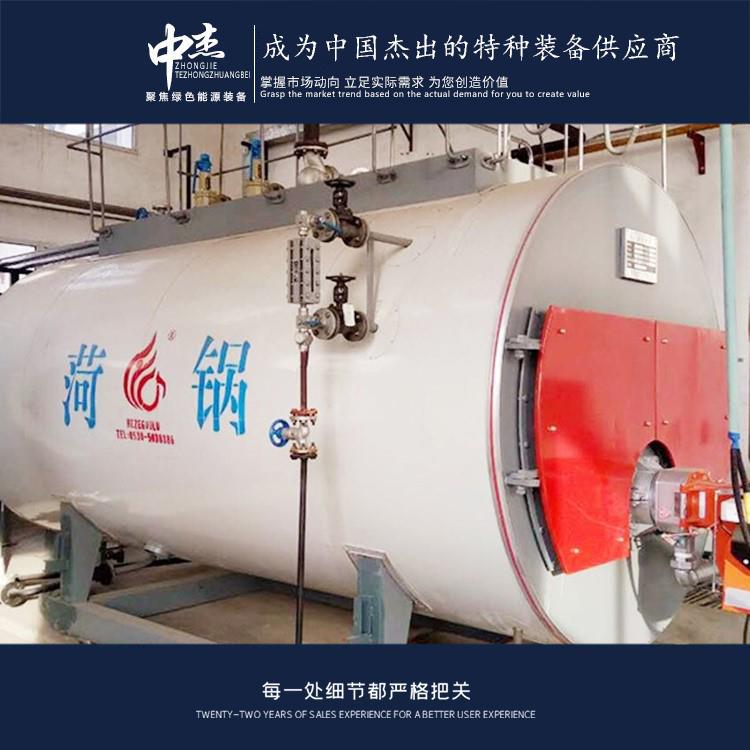
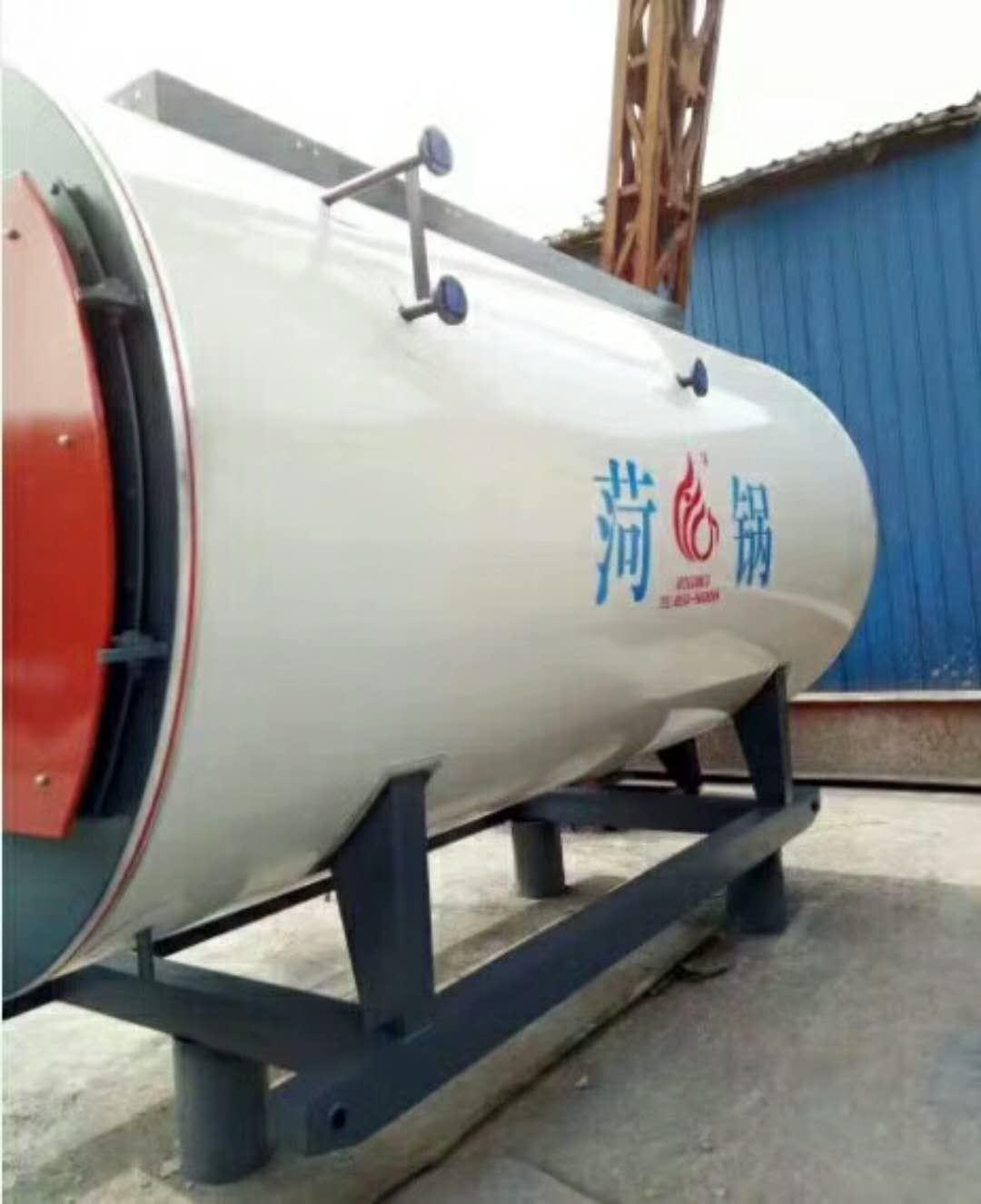
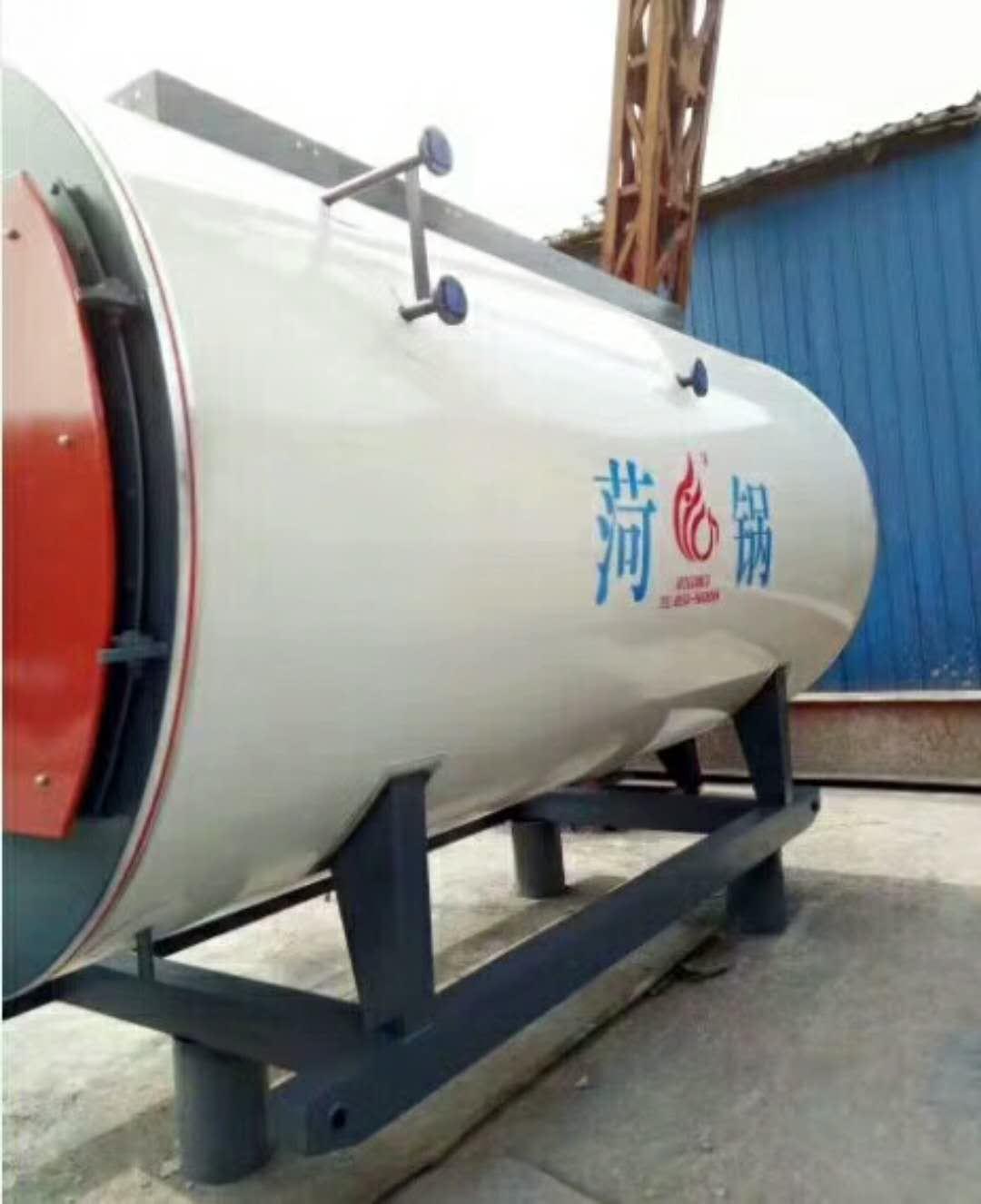
Shandong Zhongjie Special Equipment (formerly Heze Boiler Factory Co., Ltd.) holds an A-grade boiler manufacturing license, an A2-grade pressure vessel manufacturing license, an A2-grade pressure vessel design license, a B-grade boiler installation license, and GB2/Class GC2 pressure pipeline installation licenses, as well as a qualification for electromechanical equipment installation contracting. It is a member of the China Boiler and Water Treatment Association, the China Chemical Equipment Association, and a director unit of the Shandong Equipment Manufacturing Association. The company has also passed certifications for the ISO9001 Quality Management System, ISO14001 Environmental Management System, OHSAS18001 Occupational Health and Safety Management System, and the U.S. ASME/U2 certification.
Chemical cleaning of industrial boilers is a common cleaning method that effectively removes dirt and sediments inside the boiler, enhancing heat exchange efficiency and extending the boiler's lifespan. The following are general steps and methods for industrial boiler chemical cleaning:
Preparation: Turn off the boiler's power and gas supply, drain the water and steam from the boiler, ensuring the boiler is in a safe condition. Prepare the required chemical cleaning agents and equipment.
Cleaning Agent Selection: Choose an appropriate chemical cleaning agent based on the boiler's material and the nature of the dirt. Common cleaning agents include acidic, alkaline, and chelating agents.
Cleaning Agent Circulation: Dissolve the cleaning agent in an appropriate amount of water and pump it into the boiler in a circulating manner. Determine the circulation time and temperature based on the size of the boiler and the extent of dirt.
Cleaning Agent Action: During circulation, the cleaning agent reacts with the dirt inside the boiler, dissolving and decomposing it. Acidic cleaning agents can remove rust and scale, while alkaline cleaning agents can remove grease and organic matter.
Rinsing and Neutralization: After the cleaning agent circulation is complete, rinse the boiler with clean water to flush out the cleaning agent and dissolved dirt. At the same time, use a neutralizer to neutralize any remaining acidic or alkaline substances, ensuring a neutral environment inside the boiler.
Inspection and Maintenance: After cleaning, inspect the boiler to ensure the cleaning effect and normal operation. Perform corresponding maintenance and upkeep as needed.
Points to note when performing industrial boiler chemical cleaning:
1. Adhere strictly to the manufacturer's instructions and safety operation procedures for chemical cleaning agents to ensure the safety of operators.
2. Select the appropriate cleaning agent and method based on the boiler's material and the properties of the cleaning agent.
3. Control the concentration, temperature, and circulation time of the cleaning agent to avoid unnecessary damage to the boiler.
4. Monitor the concentration and pH value of the cleaning agent in a timely manner during the cleaning process, adjusting the cleaning conditions as needed.
5. Flush the boiler after cleaning to ensure all cleaning agents and dirt are removed.
6. After cleaning, perform boiler maintenance and upkeep promptly to ensure normal operation and long-term use.
After the hot water boiler is shut down, here are some common maintenance measures:
1. Clean the boiler: After shutdown, clean the boiler first. Dust, dirt, and sediments inside the boiler can be cleaned with appropriate cleaning tools and agents. Pay special attention to cleaning the combustion chamber, flue, and heat exchanger, among other critical areas.
2. Drain the water: Empty the water from the boiler to prevent the accumulation of scale and corrosive substances. Open the drain valve to drain the water until the interior of the boiler is completely empty.
3. Anti-corrosion treatment: Before shutdown, apply anti-corrosion treatment to prevent the internal metal materials of the boiler from corroding. Use suitable anti-corrosion agents or coatings to treat key areas within the boiler.
4. Inspection and maintenance: During shutdown, regularly inspect the various components and connections of the boiler to ensure there are no loose, damaged, or leaking issues. Address any problems promptly with repairs or replacements.
5. Keep dry: After shutdown, maintain the dryness of the boiler interior. Open the ventilation and exhaust ports of the boiler to maintain air circulation and prevent dampness and mold growth.
6. Regular inspections: Regularly check the boiler's condition to ensure no abnormalities. Develop a corresponding inspection plan based on the boiler's usage and requirements, such as a comprehensive check every quarter or year.
7. Pre-startup preparation: Before restarting the boiler, perform the necessary preparations. This includes cleaning the boiler, checking the connections of equipment and pipes, and inspecting the fuel supply.
In textile processing factories, common types of boilers include the following:
Steam Boilers: Steam boilers are one of the most commonly used types of boilers in textile processing. They produce high-temperature, high-pressure steam, which is used for thermal treatments, dyeing, boiling, and other processes in textile processing. Steam boilers offer advantages such as rapid heating, high stability, and efficiency.
Hot Water Boilers: Hot water boilers are suitable for low-temperature textile processing techniques like washing and drying. They provide a stable supply of hot water with high temperature control accuracy and low energy consumption.
Hot Air Furnaces: Hot air furnaces are used for drying processes in textile processing. They transfer heat energy to textiles through the hot air generated by combustion, achieving rapid drying. Hot air furnaces have the advantages of fast heating and high thermal efficiency.
When selecting the appropriate boiler type for a textile processing factory, consider the following factors:
Processing Requirements: Determine the required heat medium (steam, hot water, hot air) and parameters such as working temperature and pressure based on the specific processing needs of the textile factory.
Energy Costs and Efficiency: Consider the energy consumption and efficiency of different boiler types, choosing one that meets processing requirements and has high energy utilization efficiency.
Environmental Requirements: Pay attention to the emission standards and environmental performance of the boilers, selecting a type that meets environmental requirements.
Maintenance
The inspection of the heat-conducting oil boiler tube plates is to ensure the safe operation of the boiler and to prevent potential issues. Here are the general steps for inspecting heat-conducting oil boiler tube plates:
Visual Inspection: Conduct a visual inspection to check for any obvious corrosion, cracks, deformation, or other anomalies on the surface of the tube plates. Pay special attention to checking for cracks or leaks at the welds and joints.
Cleaning the Tube Plates: Clean the surface of the tube plates thoroughly to remove dirt and deposits, allowing for a proper inspection.
Ultrasonic Testing: Use an ultrasonic testing instrument to inspect the tube plates to detect any potential cracks or other defects. Ultrasonic testing can help determine the integrity and reliability of the tube plates.
Pressure Test: Conduct a pressure test to verify the sealing and pressure-bearing capability of the tube plates. Gradually increase the pressure during the test, observe for any leakage, and ensure the tube plates can withstand the designed pressure.
Tube Plate Thickness Measurement: Use an ultrasonic thickness gauge to measure the thickness of the tube plates to determine if the thickness meets design requirements. Pay particular attention to the corrosion status, ensuring it is within the safe range.
Weld Inspection: Inspect the welds on the tube plates to ensure the quality of the welds meets relevant standards and specifications. Check the integrity of the welds, the quality of the weld, and whether the welding process meets requirements.
Documentation and Reporting: Record and report the inspection results of the tube plates, including any issues found, corrective measures, and recommendations. These records and reports can serve as references for future maintenance and management.
It is important to note that the inspection of heat-conducting oil boiler tube plates should be carried out by qualified personnel and performed strictly in accordance with relevant standards and specifications. If any issues or anomalies are found, appropriate repair and maintenance measures should be taken promptly to ensure the safe operation of the boiler.
Shandong Zhongjie Special Equipment, welcome customers to visit our factory for business discussions.
Tian Water 30-ton Gas Boiler, high cost-performance ratio
