


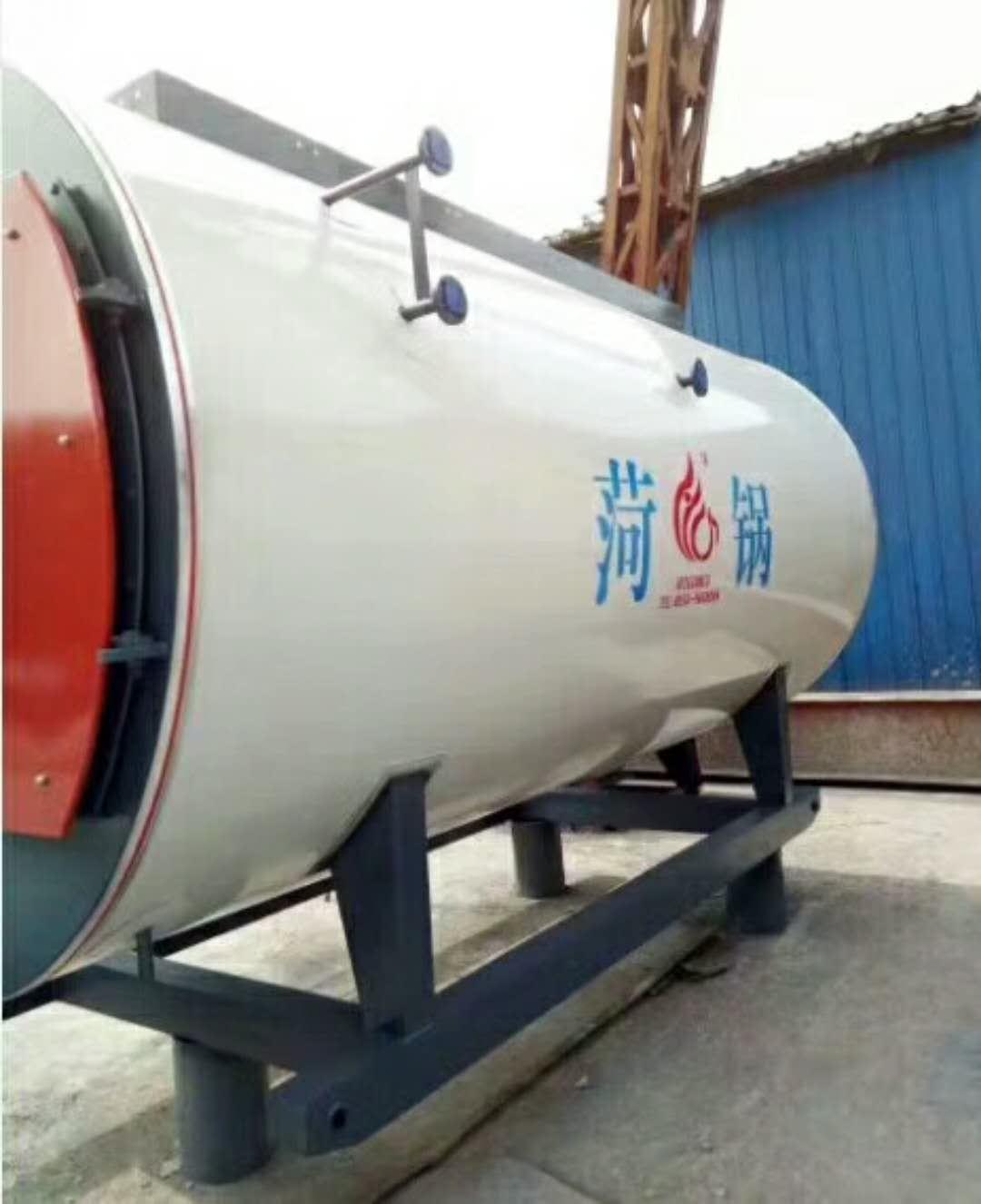
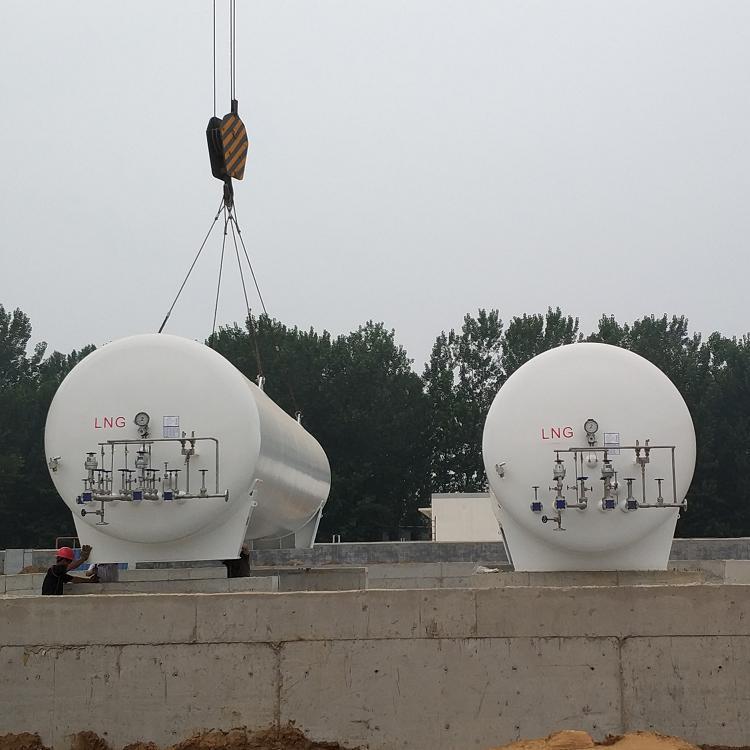
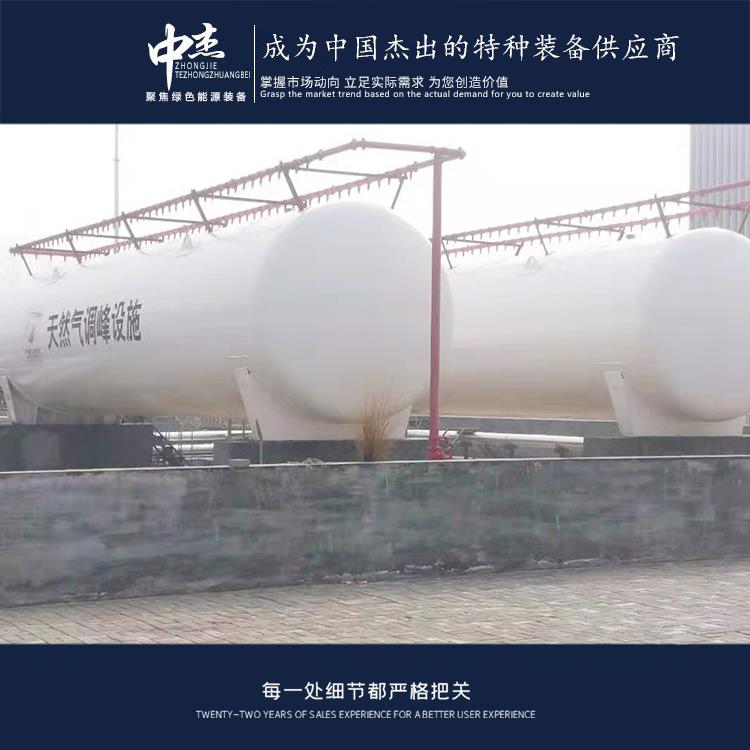
Shandong Zhongjie Special Equipment's main products include: fuel (gas) boilers, organic heat carrier boilers, biomass boilers, waste heat boilers, and other boiler products; vacuum insulation cryogenic pressure vessels such as LNG tanks, oxygen/nitrogen/argon tanks, and CO2 tanks; pressure vessel products like denitrification engineering equipment, heat storage and energy storage equipment, and complete chemical equipment sets; central air conditioning and ventilation equipment such as ground (water) source heat pumps, air source units, water-cooled screw units, and air-cooled modular units. Planned products include large-scale energy centers, LNG transport vehicles, LNG tank containers, and other green energy equipment.
Liquid carbon dioxide filling is the process of injecting liquid CO2 into a storage tank. Here are some precautions to consider for CO2 tank filling:
- Safe Operation: Adhere to relevant safety protocols during CO2 tank filling. Operators must be trained and aware of the tank's characteristics and safety concerns to ensure safe handling.
- Tank Capacity Control: Ensure the filling does not exceed the tank's rated capacity. Overfilling can lead to excessive pressure, increasing safety risks.
- Filling Rate Control: Maintain a moderate filling rate to avoid too fast or too slow. A rapid rate can overpressurize the tank, while a slow rate can extend filling time.
- Temperature Control: Manage the temperature of the liquid CO2 during filling. High temperatures can cause rapid evaporation, and low temperatures can lead to solidification.
- Pressure Control: Monitor the internal pressure of the tank during filling. Excessive pressure can cause tank rupture or leakage, while low pressure may result in incomplete filling.
- Level Monitoring: Regularly check the tank's liquid level during filling. Ensure accurate level measurement to avoid overfilling or underfilling.
- Pressure Relief Devices: The tank should be equipped with pressure relief devices, such as safety valves, to control internal pressure. The set pressure must meet requirements and be inspected and maintained regularly.
- Environmental Protection: Be mindful of environmental protection during filling, preventing CO2 leakage and contamination. Use appropriate protective measures like sealed connections and protective devices.
- These are some precautions for CO2 tank filling. Follow safety regulations and standards during filling operations and consult with experts to ensure safety and effectiveness.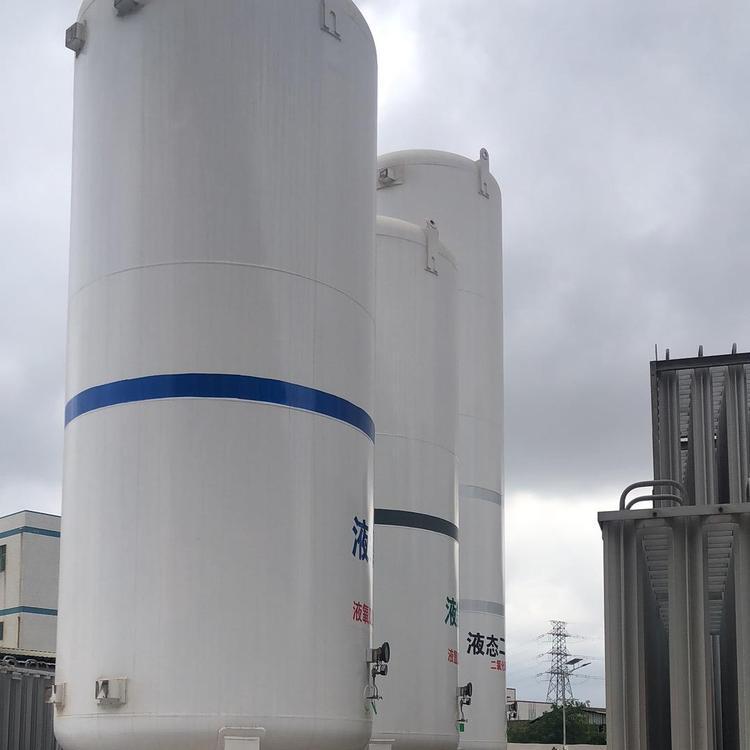
Prior to using the CO2 storage tank, the following preparations must be made: Safety Inspection: Conduct a safety check of the tank before use to ensure there are no obvious damages, corrosion, or leaks. Inspect the tank's exterior, valves, and connecting pipes to ensure they are undamaged. Tank Cleaning: Ensure the tank is clean both internally and externally. Remove any debris, dirt, or residues to ensure no substances could affect the quality or safety of the CO2. Connection Pipes: Check the connection between the tank and related pipes to ensure they are securely fastened and well-sealed. Verify the valve and pipe's on/off status to ensure they are in the correct position. Pressure Check: Inspect the tank's pressure to ensure it is within the safe range. If necessary, use a pressure gauge or other pressure detection equipment for the check. Ventilation and Safety Measures: Ensure adequate ventilation around the tank to prevent CO2 accumulation. During use, follow relevant safety operating procedures and measures, such as wearing personal protective equipment, avoiding open flames, etc. Tank Labeling: Label the tank with relevant information such as the type of gas stored, pressure rating, capacity, etc. This assists operators in correctly identifying and handling the tank. Please note that these preparations may vary depending on the specific tank type and usage scenario. Before using a CO2 storage tank, it is recommended to refer to the relevant safety operation manuals and guidelines to ensure safe and correct operation.
The quality of carbon dioxide storage tanks is influenced by several factors:
- Material Quality: The quality of the tank's material directly impacts its corrosion resistance, strength, and sealing performance. Common materials include carbon steel and stainless steel. Selecting high-quality materials can enhance the tank's quality and lifespan.
- Manufacturing Process: The manufacturing process significantly affects the tank's quality. Welding, heat treatment, and surface treatment during production must comply with relevant standards and regulations to ensure structural integrity and performance stability.
- Design Specifications: The tank's design must adhere to applicable design standards and norms, such as industry standards. A well-designed tank ensures sufficient strength and safety under normal operating conditions.
- Safety Accessories: The tank's safety accessories, like safety valves, pressure sensors, and temperature sensors, play a crucial role in quality and safety. Choosing high-quality accessories and proper installation and tuning can improve the tank's quality and safety.
- Inspection and Testing: The tank must undergo inspections and tests during manufacturing, such as material inspections, weld inspections, and pressure tests. These checks ensure the tank meets quality requirements and complies with safety standards.
- Usage and Maintenance: The tank's usage and maintenance also impact its quality. Proper usage and regular maintenance can extend the tank's lifespan and maintain its optimal working condition.
In summary, the quality of carbon dioxide storage tanks is influenced by factors such as material quality, manufacturing process, design specifications, safety accessories, inspections and testing, and usage and maintenance. When selecting and using storage tanks, attention should be given to these factors to ensure quality and safety.
When using carbon dioxide storage tanks, the following protective procedures must be followed to ensure safety:
Tank Operator Training: All operators must receive training to understand the characteristics, operational requirements, and safety measures of carbon dioxide storage tanks. Training should include safe tank operation, leak handling, emergency response plans, etc.
Safety Operating Procedures: Establish and adhere to relevant safety operating procedures, including tank startup, shutdown, inspection, and maintenance. Operators should operate according to the procedures to ensure safe tank operation.
Leak Handling: Develop a leak handling program, including leak detection, emergency shutdown, and isolation of the leak source. Operators should be familiar with the leak handling procedures and capable of responding quickly and correctly to leak incidents.
Fire Prevention Measures: Carbon dioxide is flammable, so fire prevention measures must be taken when using the tank. Smoking, open flame operations, or the placement of flammable materials are prohibited near the tank. Ensure that fire protection equipment around the tank is in good working order and conduct regular fire drills.
Waste Gas Emission: Properly exhaust waste gases generated when using carbon dioxide storage tanks to avoid the accumulation of carbon dioxide in enclosed spaces, which could lead to asphyxiation and safety risks. Ensure that the waste gas emission system is unobstructed and operating correctly.
Regular Inspections and Maintenance: Regularly inspect the tank's appearance, seals, valves, and pipe connections. Promptly repair or replace any anomalies or damages. Also, regularly check and maintain the safety valve, pressure sensors, and other accessories.
Emergency Response Plan: Develop and implement an emergency response plan, including the handling of leak incidents, evacuation procedures, and first aid measures. Operators should be familiar with the emergency response plan and conduct drills regularly.
Monitoring and Alarm Systems: Install and maintain monitoring and alarm systems for the tank.
Shandong Zhongjie Special Equipment, welcome customers to our factory for business discussions.
Putian 20 Cubic CO2 Storage Tank, Years of Industry Experience
