


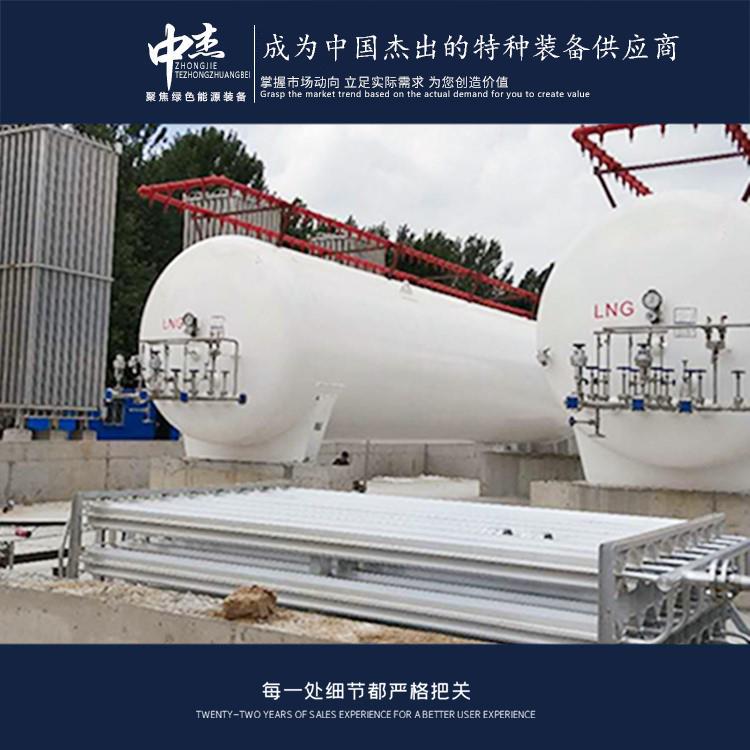


Shandong Zhongjie Special Equipment Co., Ltd. (formerly Heze Boiler Factory Co., Ltd.) was established in 2001, located at No. 2218 Jinnan Road, Economic and Technological Development Zone, Heze City. With a registered capital of 50 million yuan and total assets of 500 million yuan, the company has 7 business centers: boilers, deep-freezing vessels, pressure vessels, central air conditioning, engineering installation, international trade, and Internet of Things. It has three factory sites on Jinnan Road, East Changjiang Road, and Bohai Road, covering a total of 200,000 square meters, with the main workshop spanning 83,000 square meters. The company currently employs 710 staff, including 247 engineering and technical personnel and 82 intermediate-level technicians. In December 2016, it was recognized as a "High-tech Enterprise" by the Science and Technology Department. In June 2021, it was identified as a "Specialized and New Enterprise in Shandong Province" by the Industrial and Information Technology Department. In June 2022, it was named a "Gazelle Enterprise in Shandong Province" and in August 2022, it was recognized as a "Specialized and New Small Giant Enterprise" by the Ministry of Industry and Information Technology.
For accessories of carbon dioxide storage tanks, such as valves, pipes, and pressure relief devices, maintenance and protection are crucial. Here are some suggestions:
Regular Inspection: Regularly check the appearance and operational status of the accessories to ensure no damage, loose parts, or leaks. Pay special attention to the sealing performance and operational flexibility of valves.
Cleaning and Maintenance: Regularly clean the accessories, removing dirt and impurities on the surface. Use appropriate cleaning agents and tools, avoiding corrosive substances.
Lubrication Maintenance: For accessories requiring lubrication, such as valve pistons and stems, perform regular lubrication maintenance. Use the appropriate lubricant to ensure the normal operation and sealing performance of the valves.
Sealing Inspection: Regularly inspect the sealing performance of the accessories, such as valve seals and sealing surfaces. Replace any damaged or aging sealing parts promptly.
Corrosion Protection: For accessories prone to corrosion, such as pipes and valves, take anti-corrosion measures, such as applying anti-corrosion coatings or wrapping with anti-corrosion materials.
Regular Calibration: Regularly calibrate measuring equipment such as level sensors and pressure sensors to ensure their accuracy and reliability.
Regular Maintenance: Develop a regular maintenance plan based on the usage and requirements of the accessories, including cleaning, lubrication, and repairs. Ensure the long-term stable operation of the accessories.
Storage and Transportation Precautions: For spare parts or accessories requiring replacement, pay attention to moisture-proof, shock-proof, and damage-proof during storage and transportation to avoid affecting their normal use.
The above suggestions are for the maintenance and protection of carbon dioxide storage tank accessories. Specific operations should be carried out according to the characteristics and requirements of the accessories, and compliance with relevant regulations is recommended.
Additionally, the use of liquid carbon dioxide tanks must adhere to specific industry standards and regulations based on the particular industry and application scenario. For instance, when using liquid carbon dioxide tanks in the food and beverage industry, relevant food safety and hygiene standards must be followed. It's important to note that different regions may have varying standards and regulations applicable to the use of liquid carbon dioxide tanks. Therefore, operations and usage should be conducted in accordance with local laws and standards.
In daily operation, carbon dioxide tanks require protection and maintenance to ensure proper functioning and safety. Here are some common protection and maintenance methods:
- Visual Inspection: Regularly check the tank's exterior for signs of corrosion, wear, and cracks. Address any anomalies promptly with repair measures.
- Seal Integrity Check: Periodically inspect the tank's sealing performance, particularly at valve and pipe connections and the tank itself. Ensure no leaks, and repair any leaks immediately.
- Temperature Control: Maintain a suitable ambient temperature around the tank and implement insulation measures to maintain the tank's低温 state.
- Pressure Relief Device Inspection: Regularly check the tank's pressure relief devices, such as safety valves, to ensure proper operation. Verify that the set pressure meets requirements and perform regular maintenance and replacements.
- Level Monitoring: Regularly monitor the tank's liquid level to ensure accurate measurements. Address any abnormal levels promptly by identifying the cause and taking appropriate actions.
- Regular Cleaning: Clean the tank's interior regularly to remove accumulated impurities and dirt. Exercise caution during cleaning to avoid flammable and corrosive substances.
- Regular Testing: Conduct regular pressure tests and leak detections on the tank to ensure safety performance meets requirements. The frequency and methods should adhere to relevant regulations and standards.
- Storage Capacity Control: Control the tank's storage capacity to avoid exceeding the rated capacity. Overfilling can lead to excessive tank pressure and increased safety risks.
- Note that specific protection and maintenance methods may vary depending on the type of tank and application.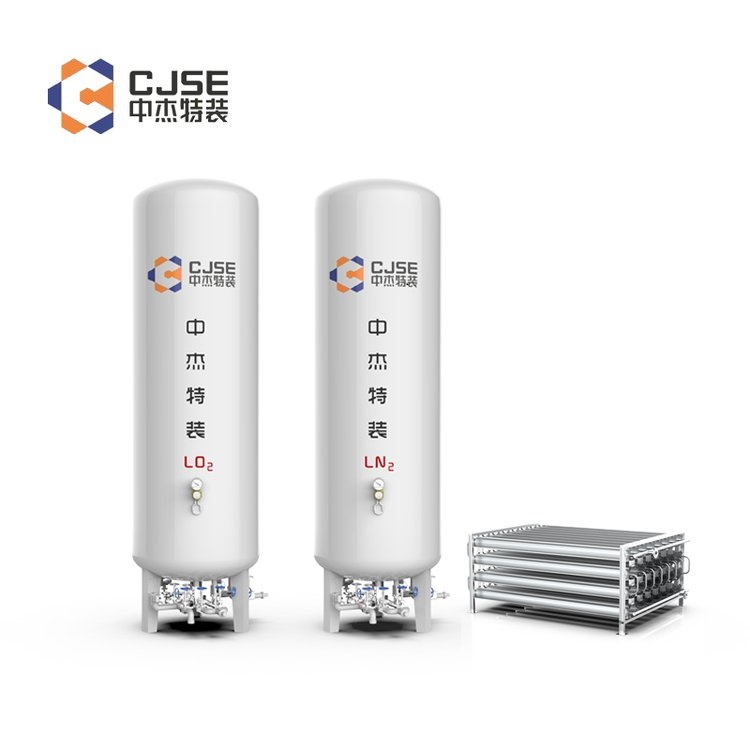
When cooling carbon dioxide storage tanks, be mindful of the following points and familiarize yourself with the basic steps of the cooling process:
Points to Note:
- Safety: Pay attention to safety during the cooling process to ensure the safety of operators and the surrounding environment. Adhere to relevant safety operation procedures and standards, and use appropriate personal protective equipment.
- Equipment Selection: Choose the appropriate cooling equipment and tools, such as cooling media (e.g., liquid nitrogen), coolers, and cooling systems. Select the appropriate cooling equipment based on the tank's size and requirements.
- Temperature Control: Control the temperature during the cooling process to avoid overcooling or insufficient temperature. Determine the appropriate cooling temperature range based on the tank's design requirements and operating conditions.
Cooling Process Analysis:
- Preparations: Ensure there are no residual gases or impurities inside the tank to avoid affecting the cooling effect. Check the tank's sealing and the operation of the safety valve.
- Cooling Media Injection: Inject the cooling media (e.g., liquid nitrogen) into the tank to lower its temperature. Control the injection speed and quantity during the process to avoid over-injection leading to excessive pressure.
- Cooling Time: Determine the cooling time based on the tank's size and requirements. The cooling time typically needs to be sufficient to ensure the carbon dioxide inside the tank is fully cooled and liquefied.
- Temperature Monitoring: Regularly monitor the tank's temperature during the cooling process to ensure it remains within the appropriate range. Use temperature sensors or infrared thermometers for monitoring.
- Cooling Completion: The cooling process is complete when the tank reaches the predetermined cooling requirements. At this point, the carbon dioxide inside the tank should be in a liquid state.
It is important to note that the specific cooling process and steps may vary depending on different tank designs and usage scenarios. When conducting cooling operations, follow relevant safety operation procedures and standards to ensure safety and effectiveness.
ZJ Special Equipment upholds the grand vision of "realizing employees' dreams, creating customer value, and striving for the prosperity and strength of our motherland," and is dedicated to the development of the green energy equipment industry. We commit to society with high-value products and services!
Bozhou 15 Cubic CO2 Storage Tank - Over 20 Years of Experience for Added Reassurance
