


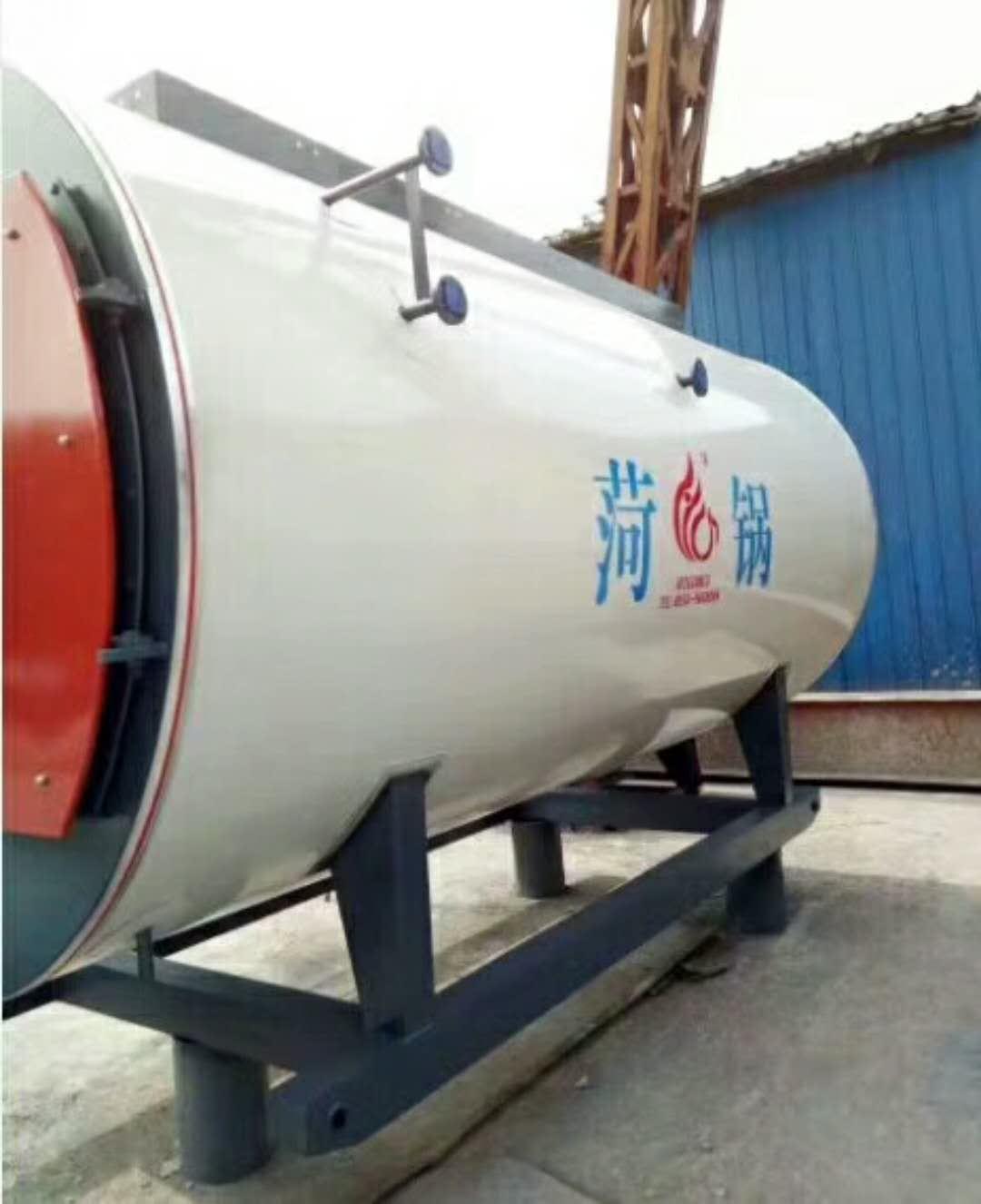
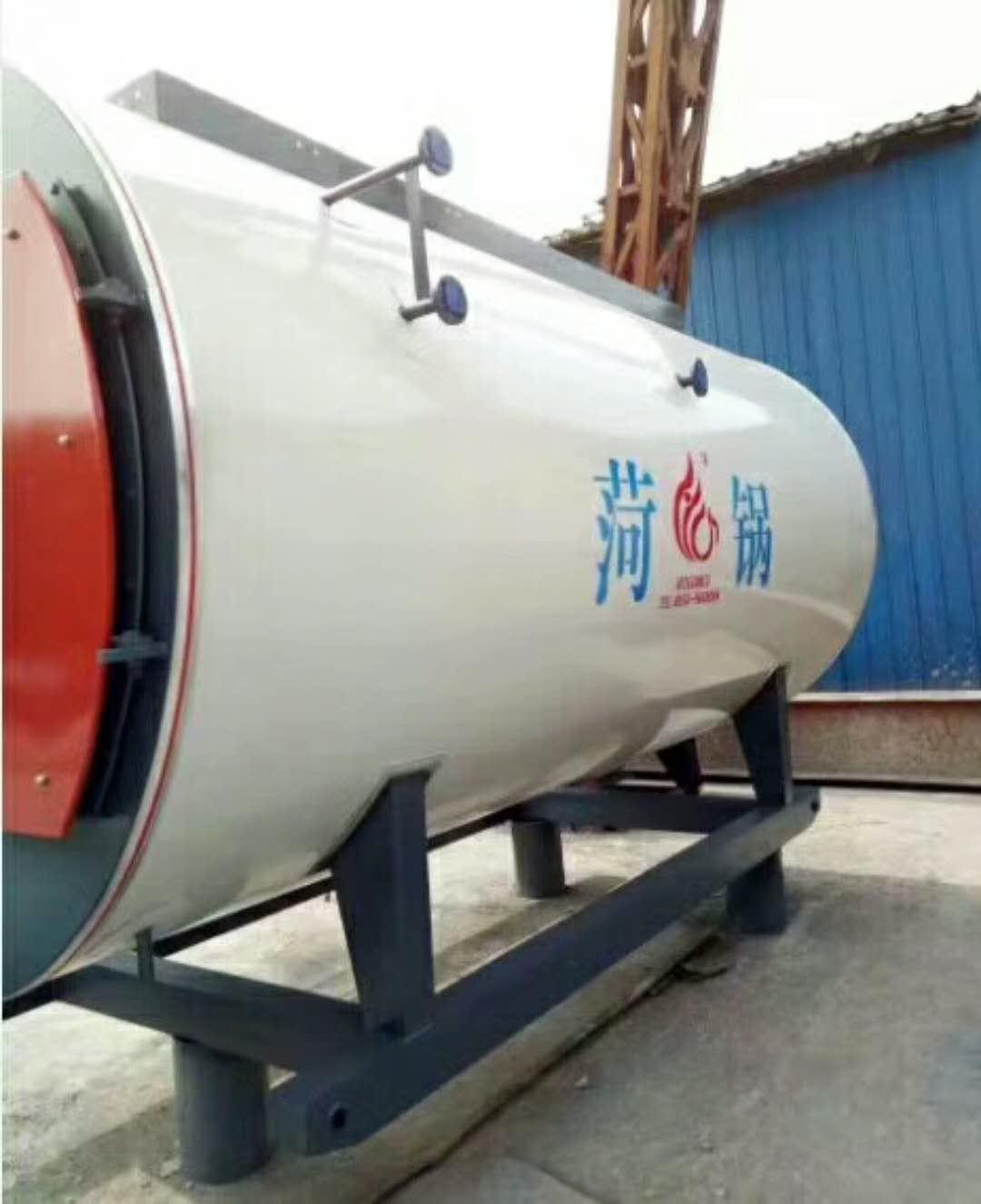
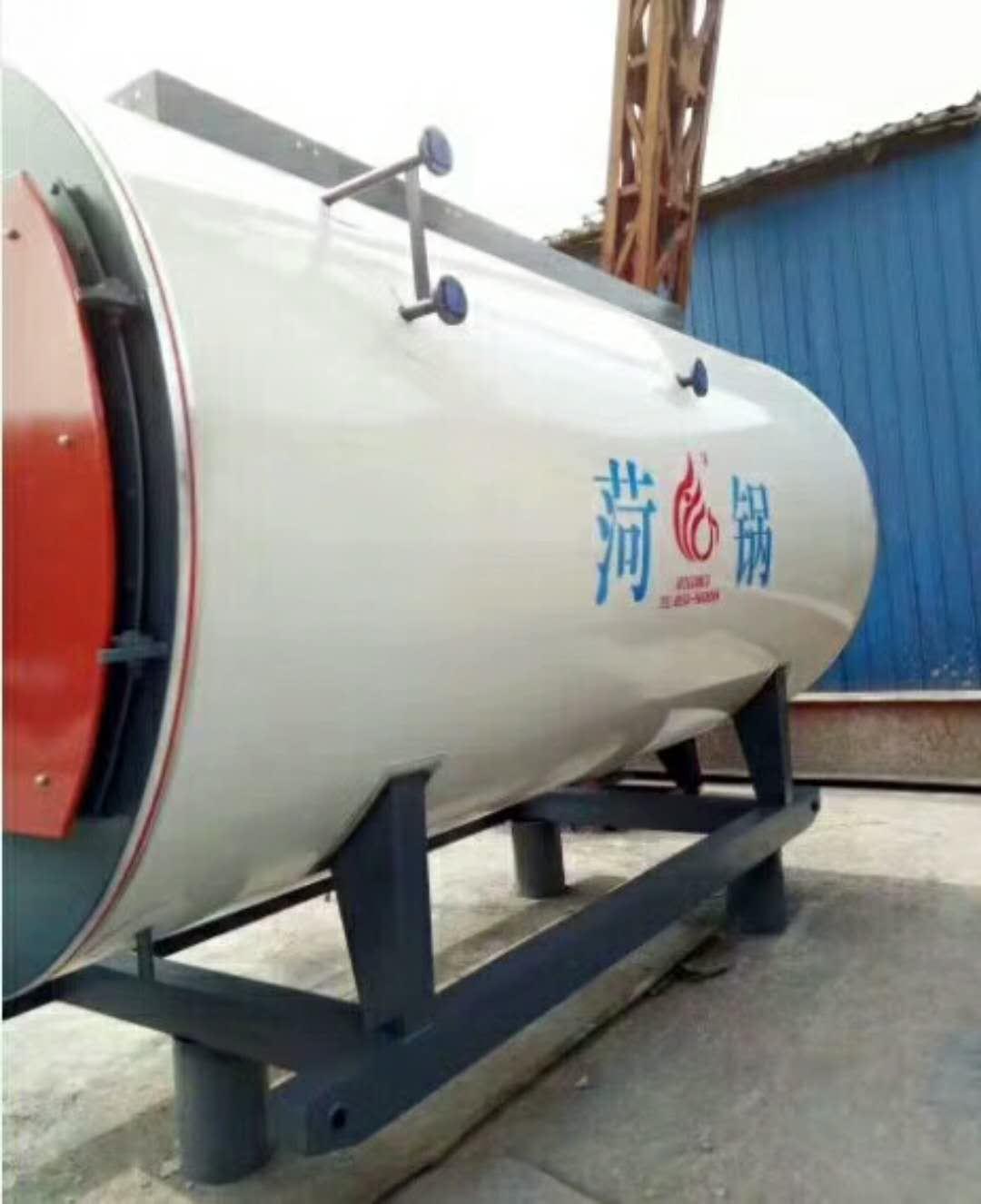
Shandong Zhongjie Special Equipment (formerly Heze Boiler Factory Co., Ltd.) holds an A-grade boiler manufacturing license and an A2-grade pressure vessel manufacturing license, an A2-grade pressure vessel design license, a B-grade boiler installation license, and GB2/Class, GC2/Class pressure pipeline installation licenses, as well as an equipment and machinery installation contracting qualification. It is a member of the China Boiler and Water Treatment Association, the China Chemical Equipment Association, and the Standing Committee of the Shandong Equipment Manufacturing Association. The company has also passed certifications for the ISO9001 Quality Management System, ISO14001 Environmental Management System, OHSAS18001 Occupational Health and Safety Management System, and the American ASME/U2 certification.
Prior to using the CO2 storage tank, the following preparations must be made: Inspect the tank: Check the tank's exterior for any signs of damage, corrosion, or oil leakage. Ensure the structural integrity and safety of the tank. Inspect valves and piping: Verify that the tank's inlet and outlet valves and pipe connections are functioning normally, with no leaks or loose fittings. Ensure valve operation is smooth and reliable. Check safety accessories: Inspect the tank's safety accessories, such as safety valves, pressure sensors, and temperature sensors, for proper operation. Confirm that their set parameters meet requirements. Inspect the level measurement system: Check the accuracy and reliability of the level measurement system. Calibrate the level sensors to ensure accurate level measurements. Inspect the pressure relief device: Verify that the tank's pressure relief device (e.g., safety valve) is operating correctly. Confirm that the set pressure of the relief device meets requirements. Check gas quality: Ensure the CO2 gas in the tank meets quality standards, with no impurities or contaminants. Inspect fire protection equipment: Ensure that the fire protection equipment around the tank is in good condition and that fire extinguishers, sprinkler systems, etc., are functioning properly. Train operators: Operators should receive training on the characteristics, operation requirements, and safety measures of the CO2 storage tank. Training should include safe tank operation, leak handling, and emergency procedures. These preparations ensure the tank is in good condition before use and guarantee the safety and reliability of operations. When conducting these preparations, follow relevant safety operating procedures and have them performed by qualified personnel.
Carbon dioxide storage tanks are equipment used for storing and supplying carbon dioxide gas. The following details their specifications, functions, and features:
Specifications:
- Capacity: The capacity of carbon dioxide storage tanks can be customized to meet requirements, typically expressed in the volume of liquid carbon dioxide, such as kiloliters or cubic meters.
- Pressure: The internal pressure of the tank is controlled within a safe range to ensure safety in storage and supply.
- Temperature: Carbon dioxide storage tanks usually need to be kept at low temperatures to maintain the liquid state of carbon dioxide.
Functions:
- Storage: The tanks can compress carbon dioxide gas into a liquid state for high-density storage, saving space and costs.
- Supply: Carbon dioxide stored in the tanks can be supplied to various fields via pipelines or other methods, such as the food and beverage industry, fire extinguishing, and more.
Features:
- Eco-friendly and Renewable: Carbon dioxide is an environmentally friendly gas. By storing and utilizing carbon dioxide, its emissions into the atmosphere can be reduced, contributing to environmental protection and sustainable development.
- Safe and Reliable: During design and manufacturing, high-strength materials are often used in carbon dioxide storage tanks for excellent pressure resistance and safety. The tanks are equipped with safety valves, pressure gauges, and other accessories to ensure safe operation.
- Diverse Applications: Carbon dioxide storage tanks are widely used in fields such as the food and beverage industry, fire extinguishing, and more. Carbon dioxide serves as preservatives for food, carbonation agents for beverages, as well as a gas and extinguishing agent, with extensive applications and market demand.
In summary, carbon dioxide storage tanks feature high-density storage, safety and reliability, environmental friendliness and renewability, and a wide range of applications, making them a crucial device for storing and supplying carbon dioxide gas.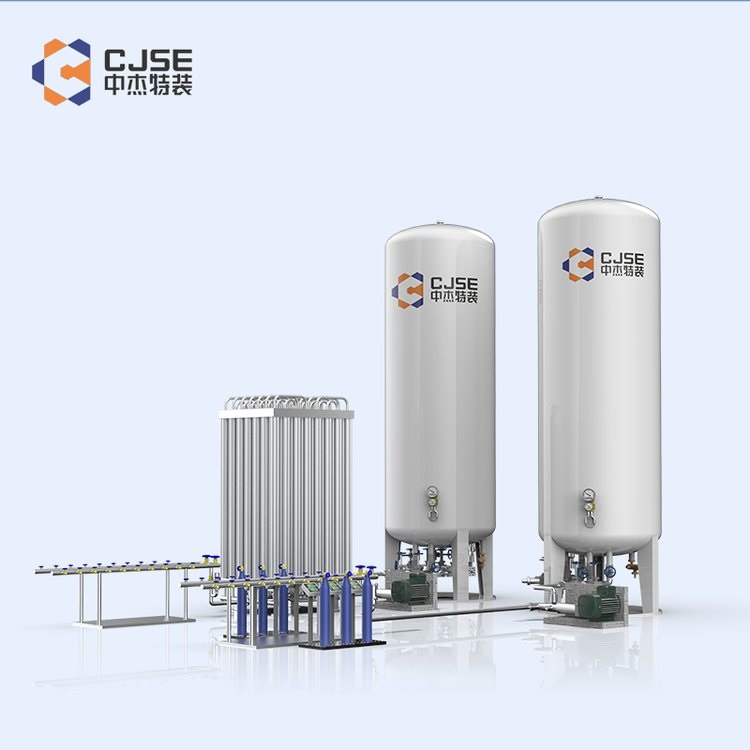
Carbon dioxide storage tanks feature the following safety technical characteristics:
- High-strength materials: These tanks are typically made of high-strength steel or alloy materials to withstand stress and loads under high pressure and low-temperature conditions.
- Safety valves and pressure relief devices: Equipped with safety valves and pressure relief devices to control internal tank pressure, preventing overpressure and explosions. The safety valve will automatically open to release pressure when the internal pressure exceeds the set value.
- Insulation layer: An insulation layer is internally installed to reduce heat transfer and liquid evaporation. The insulation layer usually consists of multiple layers, including thermal insulation materials and an external protective layer, to maintain stable internal temperatures.
- Level monitoring and control: The tank is fitted with level monitoring devices to monitor the liquid level inside. Timely monitoring and control ensure the liquid storage is within a safe range.
- Fire and explosion prevention measures: Fire-resistant coatings, fire-isolation areas, and explosion-proof devices are implemented to prevent fires and explosions.
- Leak detection and alarm system: The tank is equipped with a leak detection and alarm system for early detection and alerting of leaks. Quick response and handling can minimize the safety risks caused by leaks.
- Regular inspections and maintenance: Regular checks and maintenance are required, including visual inspections, valve maintenance, and pressure tests, to ensure the safety and reliability of the tank.
It should be noted that the specific safety technical characteristics of carbon dioxide storage tanks may vary depending on the type and application of the tank. When using carbon dioxide storage tanks, relevant regulations and standards should be followed.
The automatic maintenance system for CO2 storage tanks typically includes the following main components:
- Pressure Maintenance System: Monitors and adjusts the pressure inside the tank to ensure CO2 levels remain within a safe and stable pressure range. This system incorporates pressure sensors, control systems, pressure regulators, and pressure reserve devices.
- Temperature Control System: Monitors and regulates the internal temperature of the tank to maintain CO2 within an appropriate temperature range. It includes temperature sensors, control systems, and temperature regulation devices.
- Level Monitoring System: Measures and monitors the liquid level inside the tank to ensure the CO2 level is within a safe range. This system can utilize float level gauges, pressure level gauges, and ultrasonic level gauges.
- Leak Detection System: Monitors leaks in the tank and pipeline systems, promptly detecting and alerting to them. This system can employ gas sensors, liquid sensors, and leak alarms.
- Fire Detection and Extinguishing System: Monitors fire conditions in the tank area and takes appropriate extinguishing measures. It includes fire detectors, alarms, and extinguishing equipment.
- Remote Monitoring and Control System: Monitors and controls the operational status and parameters of the tank remotely, enabling remote operation and management. The system connects via network, providing real-time data and remote control capabilities.
These are the main components of a typical CO2 storage tank automatic maintenance system. Specific system configurations and functionalities can be customized based on the tank's design requirements and application scenarios. These automated maintenance systems enhance tank safety, stability, and reliability, reducing the need for manual intervention and operational risks.
Zhejiang Zhongjie Special Equipment adheres to the great vision of "realizing employees' dreams, creating value for customers, and striving for the prosperity and strength of our motherland," and is dedicated to the development of the green energy equipment industry. We offer products and services with high performance and affordability to contribute to society!
Anyang 200 cubic CO2 storage tank, made of 304 stainless steel
