


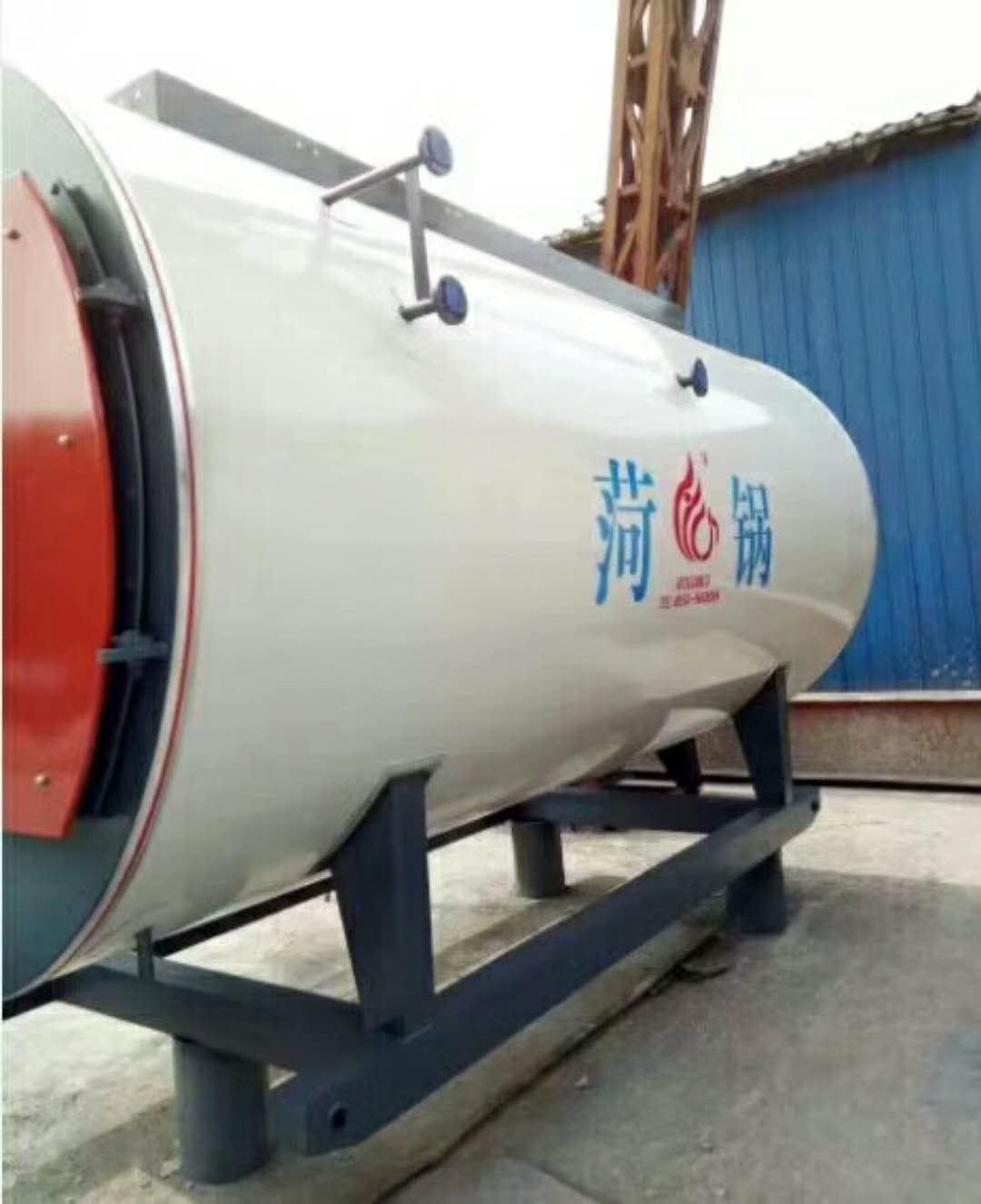
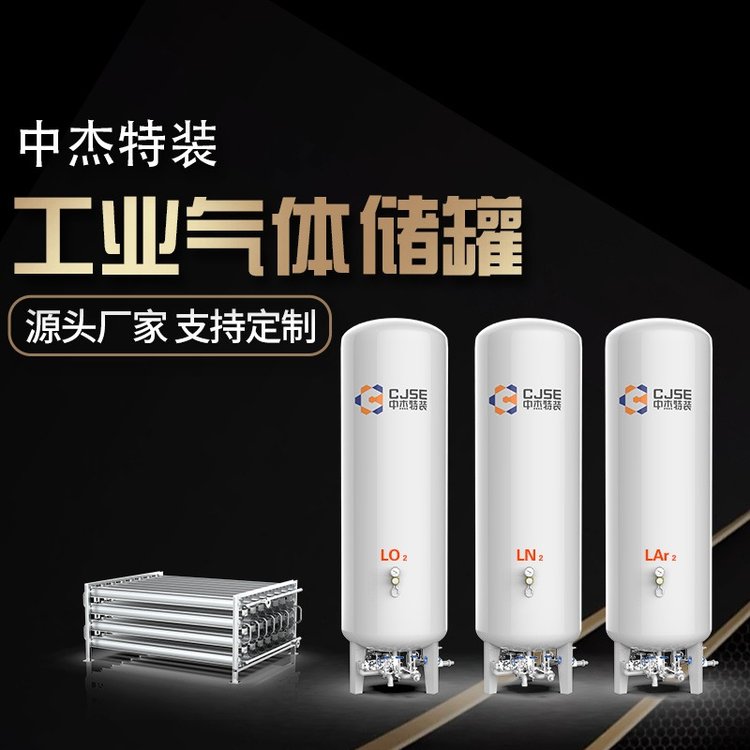
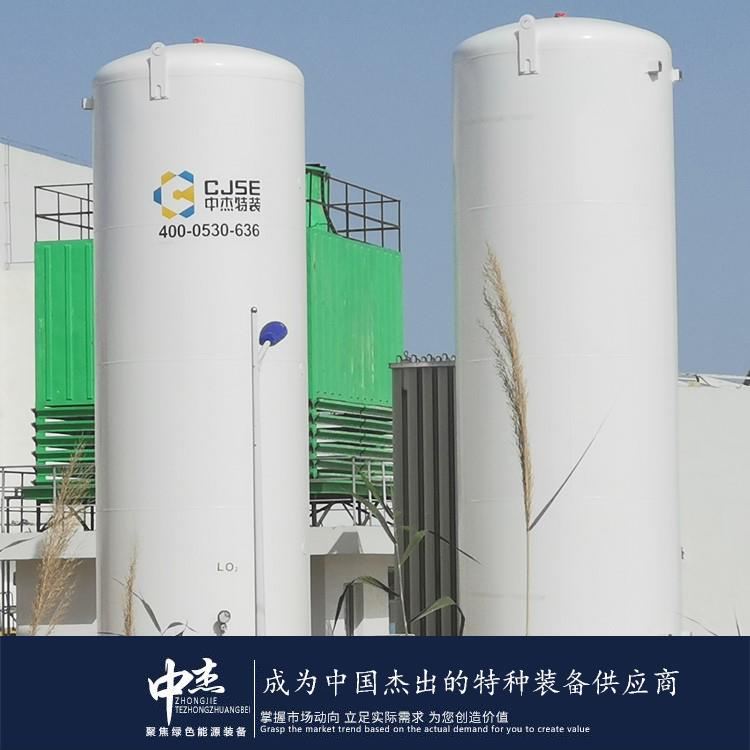
Shandong Zhongjie Special Equipment (formerly Heze Boiler Factory Co., Ltd.) was established in 2001, located at No. 2218 Jinnan Road, Development Zone, Heze City, with a registered capital of 50 million yuan and total assets of 500 million yuan. The company has 7 business centers: boilers, deep-freeze containers, pressure vessels, central air conditioning, engineering installation, international trade, and Internet of Things. It has three factory sites on Jinnan Road, East Changjiang Road, and Bohai Road, covering a total of 200,000 square meters, with the main workshop spanning 83,000 square meters. It currently employs 710 people, including 247 engineers and technicians and 82 intermediate-level technicians. In December 2016, it was recognized as a "High-tech Enterprise" by the Science and Technology Department. In June 2021, it was identified as a "Specialized and New Enterprise in Shandong Province" by the Ministry of Industry and Information Technology. In June 2022, it was recognized as a "Gazelle Enterprise in Shandong Province" and in August 2022, it was identified as a "Specialized and New Small Giant Enterprise" by the Ministry of Industry and Information Technology.
The use of low-temperature liquid storage tanks requires attention to the following matters:
Safe Operation: Operators must undergo training to understand the operational procedures and safety precautions for the storage tank. Adhere to the correct operational steps to ensure safe operation.
Protective Gear: Operators should wear appropriate protective gear, such as thermal suits, gloves, etc., to safeguard against injuries from low-temperature liquids.
Leak Protection: Regularly inspect the seals of tanks and associated pipelines to prevent leakage of low-temperature liquids. Keep the area around the tank clean to avoid debris obstructing leak detection and handling.
Fire Protection: Low-temperature liquids are highly flammable and fire prevention measures must be taken. Maintain a fire-free environment around storage tanks, prohibiting smoking and open flames. Equip with suitable fire extinguishing equipment to mitigate fire risks.
Pressure Control: Regularly inspect and maintain the pressure control system of the storage tank to ensure the pressure inside remains within a safe range. Safety valves and pressure sensors, among other equipment, should operate normally and any abnormal pressure conditions should be detected and addressed promptly.
Insulation Protection: Low-temperature liquid storage tanks should be equipped with an effective insulation layer to reduce heat transfer and liquid evaporation. The selection and installation of the insulation layer should comply with relevant standards and requirements.
Regular inspections and maintenance: Conduct regular checks of the tank's exterior and interior condition, including inspecting for leaks, corrosion, wear, or other damage. Pay special attention to the tank's interfaces, valves, and pipelines, ensuring they are functioning properly.
Emergency Preparedness: Develop an emergency response plan, including measures for leaks, fires, and other unforeseen incidents. Operators should be familiar with the emergency response plan and equipped with appropriate emergency equipment and firefighting supplies.
When storing liquid nitrogen in low-temperature storage tanks, be mindful of the following points:
Protective Gear: When operating low-temperature storage tanks, it is mandatory to wear appropriate protective gear, including gloves, protective clothing, and non-slip shoes. This gear helps protect the skin from the low temperatures of liquid nitrogen and other hazards.
Avoid direct contact: Liquid nitrogen is extremely cold and can cause frostbite. Therefore, avoid direct contact with liquid nitrogen, especially with skin. Use tools or equipment for handling, and prevent hands from coming into direct contact with liquid nitrogen.
Ventilation Requirements: In the operation area of low-temperature storage tanks, adequate ventilation must be ensured to expel gases produced by the evaporation of liquid nitrogen. Maintain air circulation to avoid excessive oxygen concentration, reducing the risk of fire and explosion.
Prevent Leaks: Regularly inspect the low-temperature storage tanks for leaks and equip with leak detection and alarm systems. In case of a leak, take immediate measures to control and repair it. Avoid the hazards of liquid nitrogen leaks to personnel and the environment.
Fire Prevention Measures: Liquid nitrogen has a low boiling and freezing point, which is prone to causing fires. To prevent and contain fires, firewalls and fire-resistant coatings are set up around low-temperature storage tanks.
Electrostatic Protection: Static buildup in low-temperature tanks may cause sparks, increasing the risk of fire. Measures should be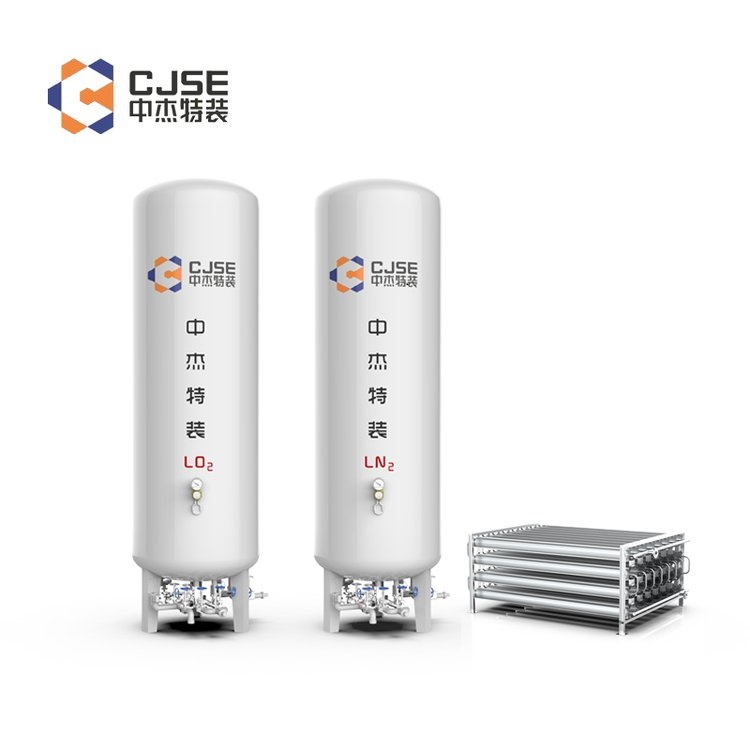
Liquid nitrogen storage tanks feature the following characteristics during construction:
Low-Temperature Construction: The construction of liquid nitrogen tanks must be carried out in a low-temperature environment, as the boiling point of liquid nitrogen is low, approximately -196 degrees Celsius. Construction personnel must take appropriate protective measures, such as wearing thermal protective clothing and gloves, to safeguard against low-temperature injuries.
Welding Technology: A substantial amount of welding is required during the manufacturing process of liquid nitrogen tanks, including the connections of the tank walls, bottom plate, top plate, and welds. Welding technology is crucial for the quality and safety of the tank, necessitating the use of appropriate welding methods and materials to ensure the strength and sealability of the welds.
Insulation Layer Installation: Liquid nitrogen tanks must have excellent insulation properties to minimize heat conduction and retain the low temperature state of liquid nitrogen. The installation of the insulation layer requires materials such as polyester foam and glass wool, ensuring the thickness and quality of the insulation layer.
Proper installation steps for liquid nitrogen tanks are as follows:
Site Preparation: Select an appropriate site for tank installation, ensuring it is level, sturdy, and has adequate load-bearing capacity. The site should be kept away from flammable, explosive materials, and other hazardous sources.
Foundation Construction: Construction of the foundation based on the tank's dimensions and weight, including excavation of the foundation pit and pouring of concrete. The design and construction of the foundation must comply with relevant standards and specifications.
Tank Installation: Transport the tank to the site and install it vertically. Suitable lifting equipment and safety measures must be used during installation to ensure the stability and safety of the tank.
Pipe connections: Connect the storage tank to the relevant pipeline system as required, including intake pipes, exhaust pipes, and liquid supply pipes, etc. Sealing and testing are necessary during the connection process to ensure the safety of the pipes.
Liquid Oxygen Storage Tanks Offer the Following Advantages:
High Storage Density: Liquid oxygen tanks store oxygen in its liquid form, offering a higher storage density compared to gas storage. This means more oxygen can be stored in a limited space, providing extended supply times.
High Purity Oxygen Supply: Liquid oxygen tanks can provide high purity oxygen supply. After undergoing refrigeration and purification processes, liquid oxygen can yield high purity oxygen, meeting the needs of applications such as industry and scientific research.
Convenient and easy to use: The liquid oxygen tank features convenience and ease of use. It is equipped with devices such as level gauges and pressure gauges inside, allowing for easy monitoring of the liquid level and pressure. Additionally, the liquid oxygen tank is fitted with safety devices like pressure relief valves and level alarms to ensure safe operation and use.
Long-Term Storage: Liquid oxygen tanks are suitable for long-term storage of oxygen. The low-temperature properties of liquid oxygen can slow down the evaporation and oxidation of oxygen, extending its storage life. This is beneficial for applications requiring long-term oxygen storage, such as institutions, laboratories, and industrial production.
Overall, liquid oxygen tanks offer advantages such as high storage density, pure oxygen supply, ease of use, and long-term storage. This makes liquid oxygen tanks a reliable choice for oxygen supply, widely used in industries and scientific research fields.
Zhongjie Special Equipment adheres to the grand vision of "realizing employees' dreams, creating value for customers, and striving for the prosperity and strength of our motherland," and is dedicated to the development of the green energy equipment industry. We offer society high-value products and services!
Nanyang Oxygen Storage Tank - High Performance at Competitive Price
