


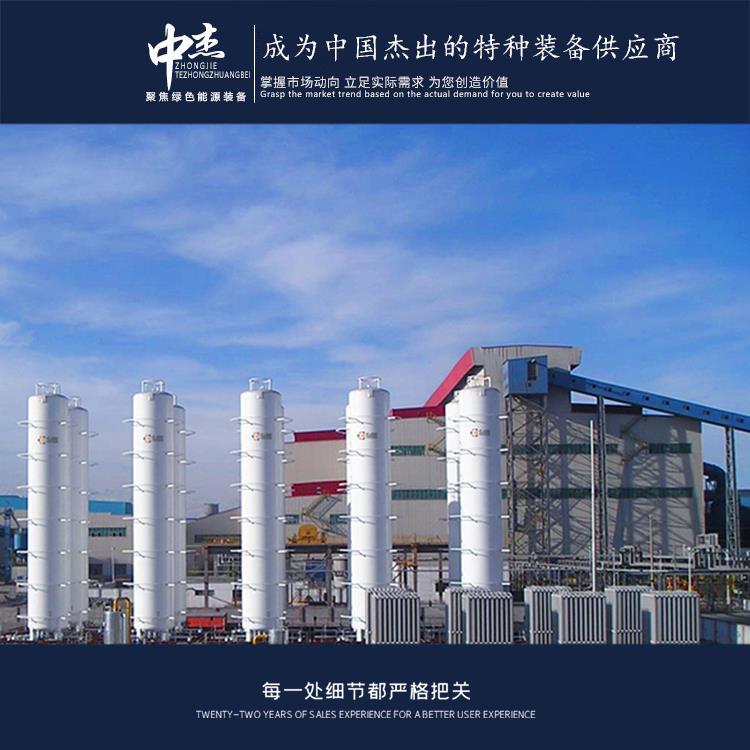
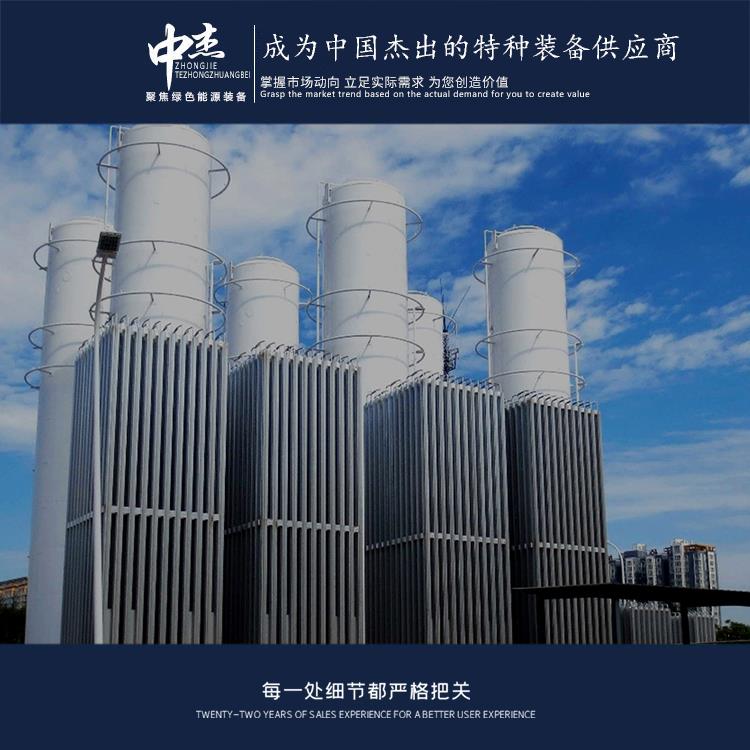
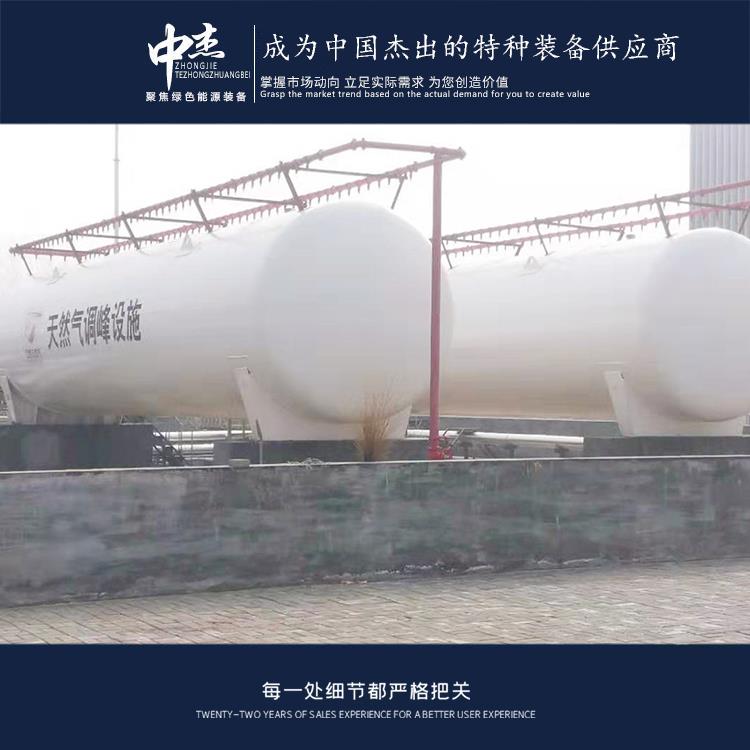
Shandong Zhongjie Special Equipment (formerly Heze Boiler Factory Co., Ltd.) holds an A-grade boiler manufacturing license, A2-grade pressure vessel manufacturing license, A2-grade pressure vessel design license, B-grade boiler installation license, GB2 and GC2 class pressure pipeline installation licenses, and mechanical and electrical equipment installation contracting qualifications. It is a member of the China Boiler and Water Treatment Association, the China Chemical Equipment Association, and the council unit of the Shandong Equipment Manufacturing Association, and has passed the ISO9001 Quality Management System, ISO14001 Environmental Management System, OHSAS18001 Occupational Health and Safety Management System certifications, and the American ASME/U2 certification.
To safely operate a liquid oxygen tank, the following aspects should be taken into consideration:
Training: Operators of liquid oxygen tanks must undergo training to understand the properties of liquid oxygen, safety operating procedures, and emergency response measures. Only trained personnel are authorized to handle liquid oxygen tanks.
Safety Operating Procedures: Establish and adhere to the safety operating procedures for liquid oxygen storage tanks, including proper operational procedures, protective measures, and emergency response plans. Ensure operators follow the procedures to minimize accident risks.
Equipment Inspection and Maintenance: Regularly inspect the status of liquid oxygen storage tanks and related equipment, including valves, pipes, pressure gauges, etc. Ensure that the equipment is in perfect condition and promptly repair or replace any damaged parts.
Leak Control: Equipped with leak detection and alarm systems to promptly identify and control leaks in liquid oxygen storage tanks. Upon detection of a leak, immediate measures should be taken to contain the source of the leak and proceed with repairs.
Fire Prevention Measures: Liquid oxygen contains a high oxygen content, which is prone to cause fires. To prevent and contain fires, fire walls and fire-retardant coatings are installed around liquid oxygen storage tanks.
Static protection: Electrostatic buildup in liquid oxygen tanks may cause sparks, increasing the risk of fire. Measures such as using static-conductive materials and anti-static equipment are taken to reduce the accumulation and release of static electricity.
Ventilation Requirements: Ensure adequate ventilation within the enclosed space of the liquid oxygen storage tank to expel gases produced by the evaporation of liquid oxygen. Avoid excessive oxygen concentration and minimize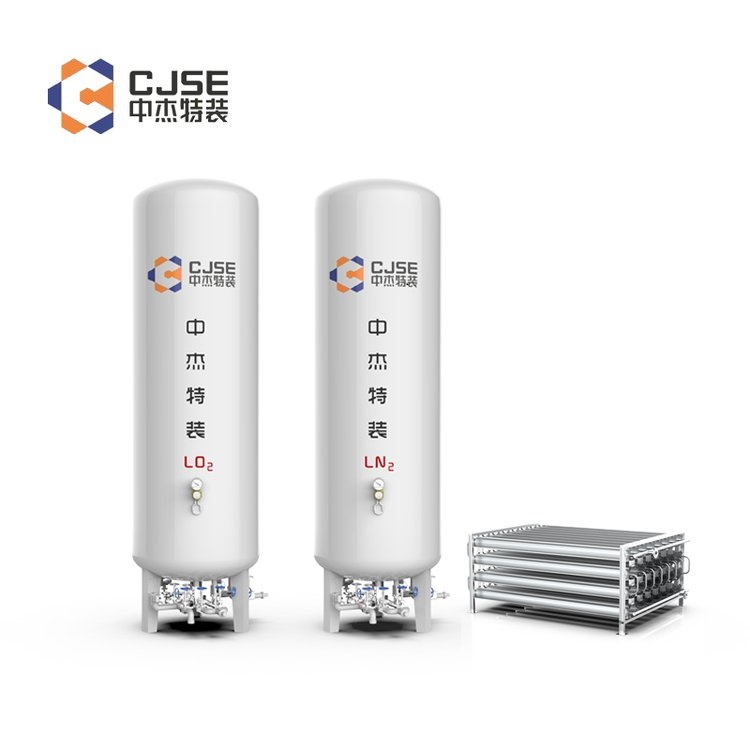
Prior to cooling the liquid oxygen tank, the following prerequisites must be met:
Clean the Vessel: Ensure the interior of the tank is clean with no impurities or contaminants. The tank should be properly cleaned and flushed to maintain its internal cleanliness.
Drainage and Exhaust: Empty the gas from the storage tank and expel it through the exhaust system to reduce the gas content within the tank. This helps minimize the interference of the gas on the cooling process.
Safety Precautions: Necessary safety measures must be taken before cooling the liquid oxygen tank. Liquid oxygen is highly flammable and has low-temperature characteristics. Operators should wear appropriate protective suits, gloves, and other personal protective equipment to ensure safe operation.
Temperature Control: During the cooling process of the liquid oxygen storage tank, it is necessary to control the tank's temperature. Typically, low-temperature mediums such as liquid nitrogen are used to cool the tank, ensuring that the tank's temperature gradually decreases below the boiling point of liquid oxygen.
Insulation and Heat Retention: Liquid oxygen storage tanks typically use double or multi-layer construction, filled with insulating material in between to minimize heat transfer and evaporation of the liquid oxygen. Ensure the integrity and good insulation of the insulating layer to enhance the cooling effect of the tank.
Under the above preconditions, cooling operations for liquid oxygen tanks can be performed. The cooling process must strictly adhere to relevant safety regulations and operational guidelines to ensure the safe operation and use of the tank.
In pressure vessel design, several common "thickness" parameters need to be considered:
Wall Thickness: Refers to the actual thickness of the pressure vessel wall. The selection of wall thickness should consider factors such as the design pressure of the vessel, the strength of the material, and its corrosion resistance, to ensure the strength and safety of the container.
Bend Allowance: The bend allowance refers to the additional thickness added to the wall thickness during the manufacturing process to ensure the strength and shape of the container's bending section. The calculation and selection of the bend allowance must consider factors such as the container's bending radius and the material's bendability.
Corrosion Allowance: The corrosion allowance refers to the additional thickness added to the wall thickness to combat corrosion on the interior or exterior of the vessel. The selection of the corrosion allowance must consider the working environment of the vessel and the corrosive properties of the medium to ensure the vessel can withstand the effects of corrosion throughout its service life.
These "thickness" parameters play a crucial role in pressure vessel design, affecting the container's strength, corrosion resistance, and safety. During the design process, it is necessary to select and calculate these thickness parameters reasonably, based on relevant standards and specifications, in conjunction with the container's usage conditions and requirements, to ensure that the design and manufacturing meet the standards.
During the welding process of low-temperature liquid storage tanks, controlling the occurrence of welding cracks is crucial. The following are some methods and measures for controlling welding cracks:
Appropriate Welding Techniques: Select the appropriate welding process and parameters to minimize welding heat input and thermal stress. Employ low heat input welding methods, such as pulsed welding, laser welding, etc., to reduce the temperature gradient and residual stress in the heat-affected zone.
Preheating and Post-Weld Heat Treatment: Perform appropriate preheating before welding to enhance material toughness and reduce thermal stress. Conduct a suitable post-weld heat treatment, such as annealing or stress-relief heat treatment, to minimize residual stress and improve the toughness of the weld.
Select appropriate welding materials: Choose welding materials with good toughness and crack resistance to minimize the occurrence of welding cracks. Select the appropriate welding material based on the storage tank's usage conditions and requirements, such as low-alloy steel, stainless steel, etc.
Control Welding Process: Regulate parameters and operations during welding to minimize the risk of weld cracks. Pay attention to factors such as welding speed, current, voltage, and welding sequence to avoid overheating or rapid welding, thereby reducing the accumulation of thermal stress and residual stress.
Non-destructive Inspection and Evaluation: After welding, perform non-destructive testing on the welds, such as ultrasonic testing and X-ray testing, to assess welding quality and the presence of cracks. Detect and repair welding cracks promptly to ensure the integrity and safety of the weld joints.
It's important to note that controlling welding cracks is a complex process that requires considering multiple factors, such as materials, welding techniques, and operations. When welding low-temperature liquid storage tanks, it's advisable to consult with a welding engineer or relevant institutions for guidance to ensure both welding quality and tank safety.
Shandong Zhongjie Special Equipment, welcome customers to visit our factory for business negotiations.
Xiangxi 5 cubic meter liquid argon storage tank, various models available.
