


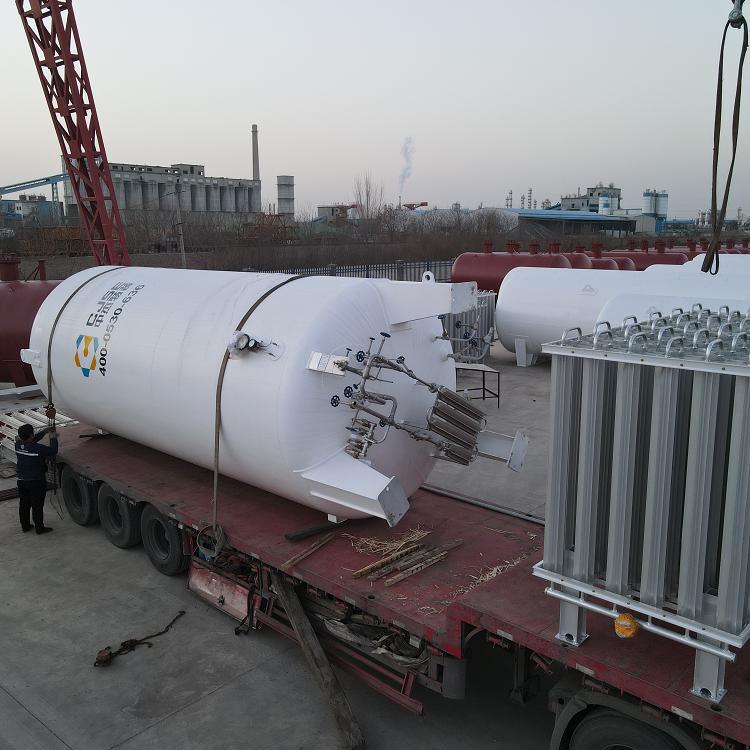
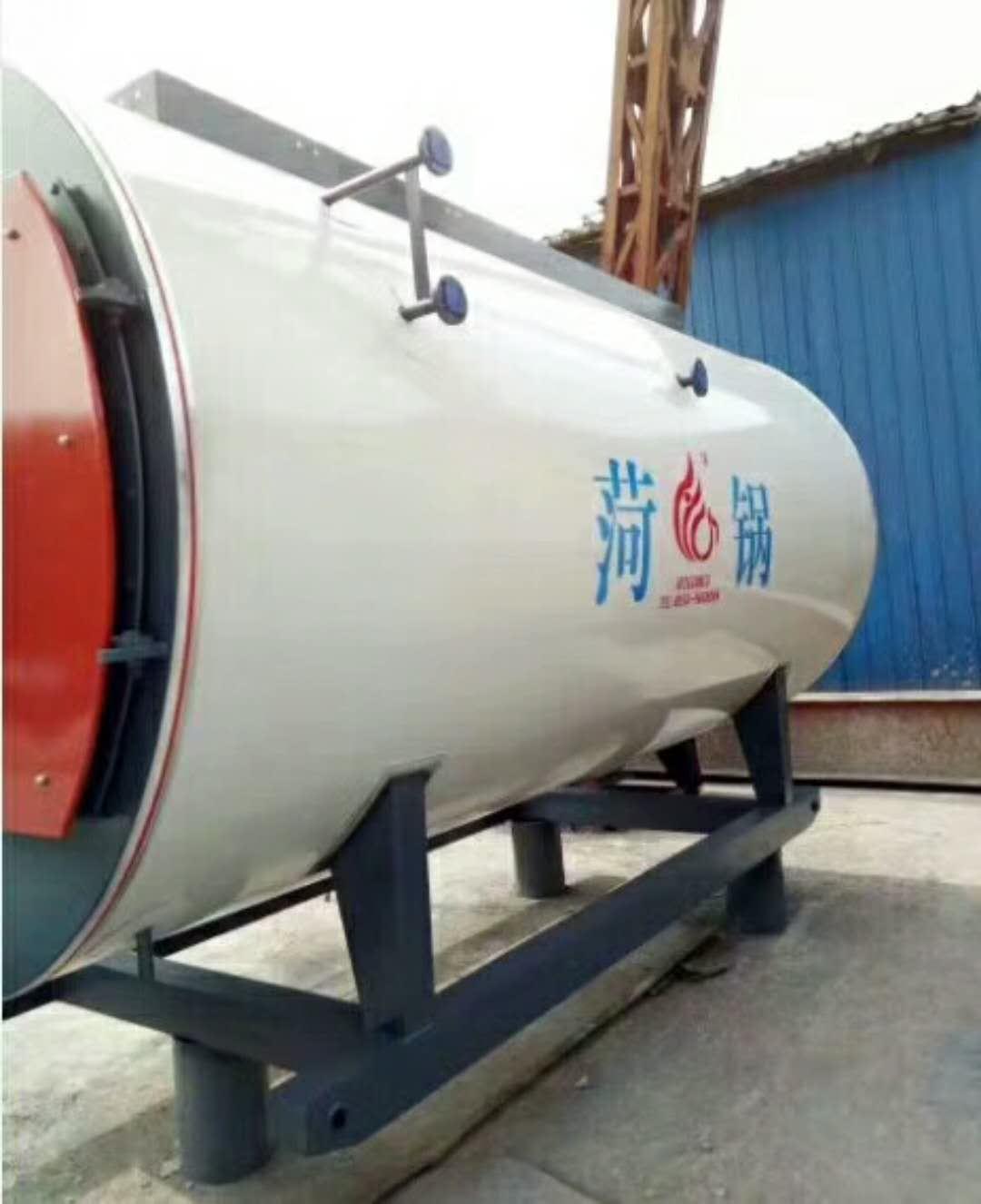
Shandong Zhongjie Special Equipment Co., Ltd. specializes in: fuel (gas) boilers, organic heat carrier boilers, biomass boilers, waste heat recovery boilers, and other boiler products; vacuum insulation cryogenic pressure vessels such as LNG storage tanks, oxygen/nitrogen/argon storage tanks, CO2 storage tanks; pressure vessel products including denitrification engineering equipment, heat storage and energy storage equipment, complete chemical equipment sets; central air conditioning and HVAC equipment such as ground (water) source heat pumps, air source units, water-cooled screw units, and air-cooled modular units. Planned products include large-scale energy centers, LNG transport vehicles, LNG tank containers, and other green energy equipment.
Leakage defects in liquid argon storage tanks may be caused by the following reasons:
Design or Manufacturing Defects: Deficiencies in the design or manufacturing process of the tank, such as loose welds, inappropriate material selection, or poor sealing, result in leakage issues.
Corrosion and Oxidation: Long-term exposure to low temperatures can cause corrosion and oxidation in liquid argon tanks. This can damage the surface protective layer of the tank, leading to leakage issues.
Fatigue and stress cracking: Over time, due to temperature and pressure fluctuations, storage tanks may experience fatigue and stress cracking. These cracks can degrade the tank's sealing performance, leading to leaks.
Improper Operation: Failure to operate the storage tank according to specifications, such as overfilling liquid argon or excessive pressure, can lead to tank damage and leakage.
External Damage: Tanks may sustain damage from external factors such as mechanical collisions or impacts by objects.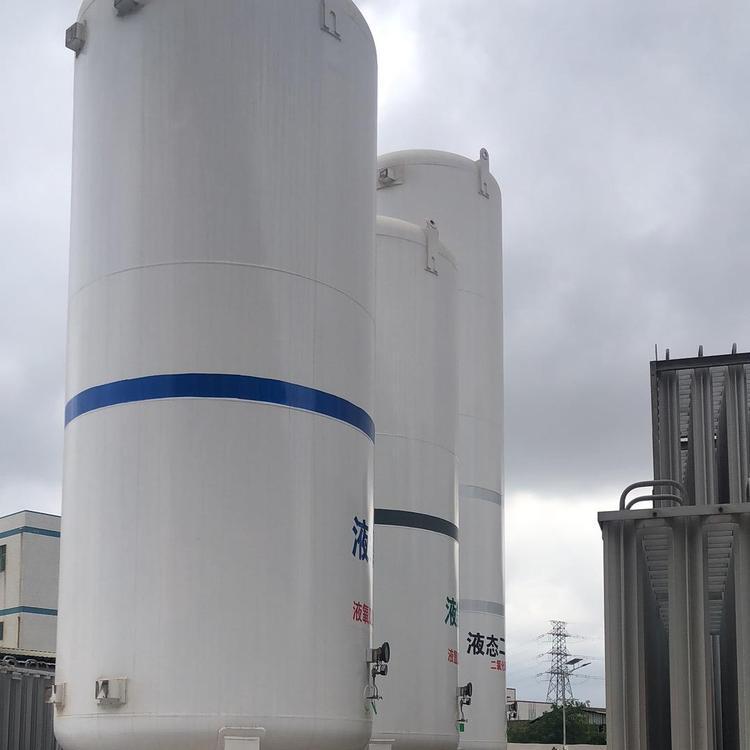
A liquid oxygen tank is a device used for storing liquid oxygen. Liquid oxygen is the liquid form obtained by cooling oxygen below its boiling point and is commonly used in fields such as medical, industrial production, and equipment. Liquid oxygen tanks are typically made of high-strength materials like stainless steel to ensure they can withstand the low temperatures and high pressures of liquid oxygen. The interior of the tank usually has an insulating layer to minimize evaporation of the liquid oxygen and maintain its低温 state. The design and manufacturing of liquid oxygen tanks must consider safety and reliability to prevent leaks and explosions. When using liquid oxygen tanks, strict operational procedures and safety standards must be followed to ensure the safety of personnel and equipment. The development and manufacturing of liquid oxygen tanks are carried out by engineers and technical teams, involving knowledge and technology from various fields such as materials science, mechanical engineering, and chemical engineering. Different manufacturers may use different design and manufacturing methods to meet the needs and application scenarios of different users.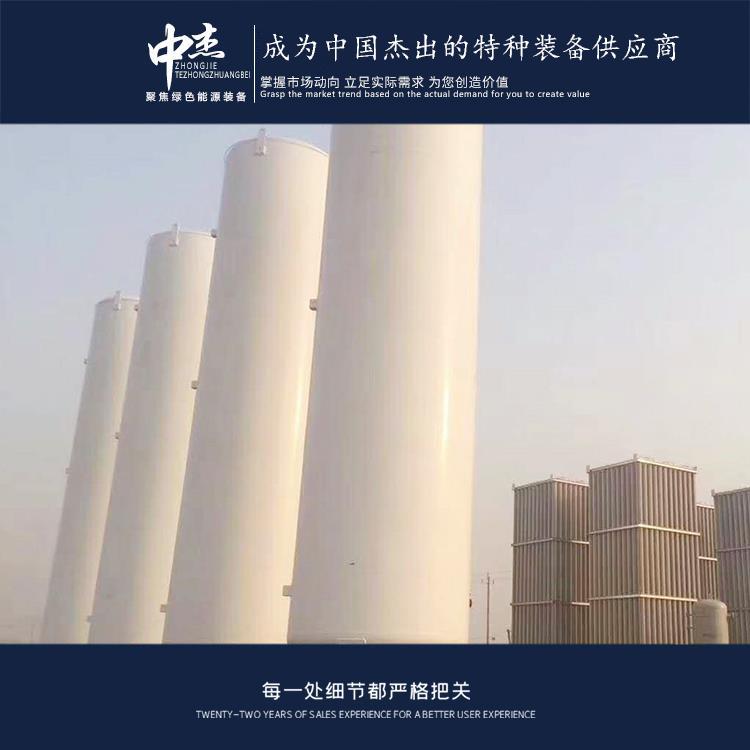
The process of using liquid oxygen storage tanks to regulate and supply oxygen typically includes the following steps:
Liquid Oxygen Storage Tank Oxygen Supply System: Typically, a liquid oxygen storage tank oxygen supply system is installed, which includes a liquid oxygen storage tank, liquid oxygen transmission pipelines, and pressure regulating devices. The liquid oxygen in the storage tank is transported through the pipelines to the pressure regulating device.
Pressure Regulator: The pressure regulator is used to convert high-pressure liquid oxygen into the required low-pressure oxygen. It typically includes a pressure valve, a reducer, and a flowmeter. The pressure valve is used to control the oxygen pressure, the reducer is used to reduce the high-pressure liquid oxygen to the required low pressure, and the flowmeter is used to measure the oxygen flow rate.
Oxygen Transmission Pipeline: Low-pressure oxygen from the pressure-reducing unit is transported through the pipeline to areas requiring oxygen supply, such as patient rooms, operating rooms, etc. The transmission pipeline is typically made of stainless steel or plastic, offering excellent airtightness and corrosion resistance.
Oxygen Interface: Install oxygen interfaces at locations requiring oxygen supply, such as hospital beds or operating tables. Oxygen interfaces typically include an oxygen flow regulator and oxygen connectors, used for adjusting oxygen flow and connecting oxygen masks or tubes.
Oxygen Supply and Regulation: Adjust oxygen pressure and flow rate through the pressure-regulating valve of the pressure regulator. Adjust the oxygen flow rate and concentration according to the patient's needs, ensuring they receive an adequate oxygen supply.
Note that when using liquid oxygen storage tanks for pressure regulation and oxygen supply, it is crucial to adhere to the relevant equipment operation and safety protocols. Operators must have the necessary training and skills to ensure the normal and safe operation of the oxygen supply system. Additionally, regular inspections and maintenance of the system's equipment and pipelines are essential to ensure their proper functioning and safety.
The testing and maintenance operations for liquid oxygen storage tanks encompass the following aspects:
Visual Inspection: Conduct regular visual inspections of the liquid oxygen storage tank, checking for any signs of corrosion, wear, or leakage on the tank surface to ensure the tank's exterior remains intact.
Pressure Testing: Regular pressure tests are conducted on liquid oxygen tanks to assess their pressure-bearing capacity. The tests should be carried out in accordance with relevant standards and specifications, ensuring the tank can withstand the designed working pressure.
Leak Detection: Regularly conduct leak detection on liquid oxygen tanks, including using leak detection equipment to inspect the tanks, to ensure their sealing performance is good and there are no leak issues.
Cleaning and Coating Protection: Regularly clean and apply coating protection to liquid oxygen tanks to prevent corrosion and oxidation. Use appropriate cleaning agents during cleaning and avoid substances that react with liquid oxygen. Coating protection can be achieved through anti-corrosion coatings or protective coatings.
Regular Maintenance: Conduct regular maintenance on liquid oxygen tanks, which includes inspecting and replacing seals, valves, safety devices, etc., to ensure normal operation and reliability.
Safety Training and Operating Procedures: Conduct safety training for personnel using liquid oxygen tanks to ensure they are familiar with the safe operating procedures and precautions, in order to prevent operational errors and accidents.
Documentation and Record Management: Establish test and maintenance records for liquid oxygen storage tanks, including test results, maintenance logs, and inspection records, for traceability and management purposes.
It's important to note that the testing and maintenance of liquid oxygen storage tanks should be performed by trained personnel and in accordance with relevant safety operating procedures and standards. Additionally, a specific testing and maintenance plan should be established based on the tank's condition and usage requirements, and executed as scheduled.
Our company attaches great importance to technological innovation and R&D design. We have one municipal-level enterprise technology center in Heze City, equipped with testing facilities for non-destructive testing, physical and chemical tests, welding tests, hydrostatic tests, etc. We possess over 600 units of various equipment such as CNC machine tools, X-ray flaw detectors, digital ultrasonic flaw detectors, mechanical property testing machines, chemical analyzers, spectrometers, tensile testing machines, and plasma welding machines. The key products and technologies we have developed, such as welding for temperature-pressure vessels, emissions reduction in biomass boilers, and waste heat utilization, have successively been selected for multiple Shandong Provincial Department of Industry and Information Technology science and technology innovation projects, key provincial projects, and Heze City innovation and excellence projects. We have accumulated a total of 27 authorized utility models, 16 authorized inventions, participated in drafting 2 standards, 2 industry standards, and registered 15 trademarks. The technical team of our company, in collaboration with Professor Yajiang Li of Shandong University, has jointly developed deep cryogenic container processing technology using the international plasma arc + filled wire tungsten inert gas arc (PAW-GTAW) technology, which has reached international levels in the field of deep cryogenic container manufacturing, as certified by the provincial science and technology achievement evaluation. Choose ZJ Special Equipment, and let's create brilliance together!
Xining Oxygen Storage Tank, On-site Installation
