


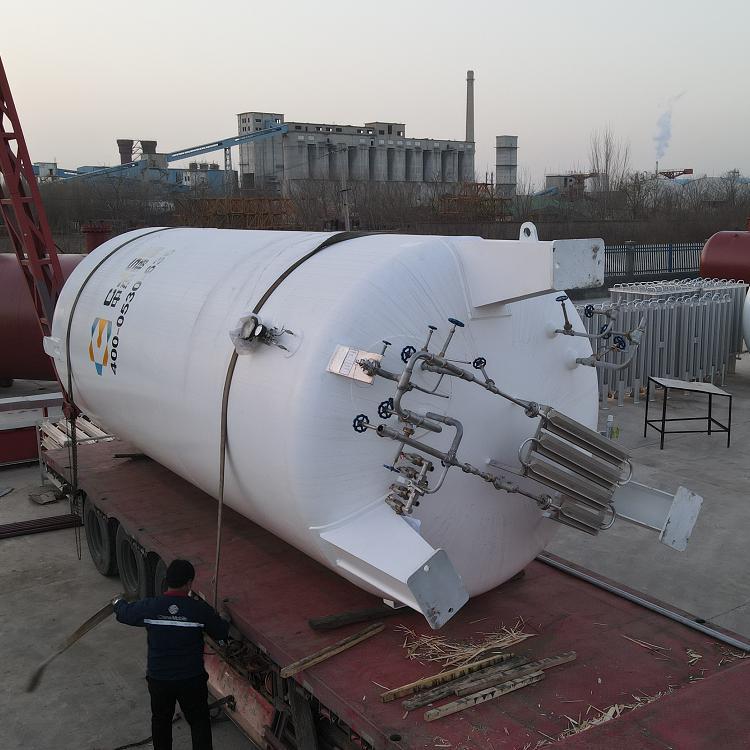


Shandong Zhongjie Special Equipment (formerly Heze Boiler Factory Co., Ltd.) holds an A-grade boiler manufacturing license, an A2-grade pressure vessel manufacturing license, an A2-grade pressure vessel design license, a B-grade boiler installation license, and GB2/Class, GC2/Class pressure pipeline installation licenses, as well as an electromechanical equipment installation contracting qualification. It is a member of the China Boiler and Water Treatment Association, the China Chemical Equipment Association, and the理事 unit of the Shandong Equipment Manufacturing Association. The company has also passed the ISO9001 Quality Management System, ISO14001 Environmental Management System, OHSAS18001 Occupational Health and Safety Management System certifications, and the American ASME/U2 certification.
When selecting welding materials for pressure vessels, several factors should be considered:
Material Matching: The choice of welding material should be compatible with the base material of the pressure vessel to ensure the strength and corrosion resistance of the weld joint. Common matches include carbon steel welding materials with carbon steel base materials, stainless steel welding materials with stainless steel base materials, and so on.
Strength requirements: Select welding materials with sufficient strength based on the design requirements and working conditions of the pressure vessel. The strength of the welding material should match the base material to ensure that the strength of the weld joint does not become a weakness of the vessel.
Corrosion Resistance: Select welding materials with good corrosion resistance based on the working environment and medium of the pressure vessel. For instance, pressure vessels operating in corrosive media may require welding materials made of stainless steel with superior corrosion resistance.
Welding Performance: The selection of welding materials should consider their welding performance, including penetration depth, weld bead shape, crack resistance, etc. The chosen materials should meet the requirements of the welding process and ensure the quality of the weld joints.
Relevant Standards and Regulations: When selecting welding materials, refer to relevant standards and regulations such as the ASME Boiler and Pressure Vessel Code, AWS (American Welding Society) standards, etc. These standards and regulations provide guidance and requirements for the selection of welding materials.
It's important to note that the selection of welding materials should be made by a welding engineer or a certified welder. They can choose the appropriate materials based on specific application requirements, working conditions, and safety standards, in conjunction with relevant specifications. Additionally, manufacturers and suppliers often provide suggestions for material selection and technical support.
Liquid nitrogen tanks are equipment used for storing liquid nitrogen and are widely used in the following fields:
1. Frozen Food and Refrigerated Logistics: Liquid nitrogen tanks are used in the frozen food and refrigerated logistics industry to freeze or refrigerate food and other perishable items, extending their shelf life and maintaining freshness. The low temperature of liquid nitrogen can quickly freeze food, preventing bacterial growth and spoilage.
2. Biological Sample Storage: Liquid nitrogen tanks are extensively used for freezing and storing biological samples, cells, tissues, and more. The low temperature of liquid nitrogen effectively preserves the integrity and viability of biological materials, used in medical research, biomedical engineering, and transplantation fields.
3. Laboratory Research: Liquid nitrogen tanks are utilized in scientific research and laboratories to provide liquid nitrogen as a coolant and freezing medium. The low temperature of liquid nitrogen can be used for cooling laboratory equipment, material research, superconducting electronics, and low-temperature physics.
4. Metalworking and Welding: Liquid nitrogen tanks are used in metalworking and welding for cooling and controlling the temperature of metals. Liquid nitrogen can rapidly cool metals, improve their hardness and strength, and reduce deformation and stress.
5. Gas Storage and Supply: Liquid nitrogen tanks are also used for storing and supplying nitrogen gas. Liquid nitrogen can be evaporated into gaseous nitrogen for applications such as gas shielded welding, gas fire suppression systems, gas analysis, and laboratory gas supply.
In summary, liquid nitrogen tanks are widely used in fields such as frozen food, laboratory research, metalworking, and gas supply, providing storage and supply functions for liquid nitrogen at application sites.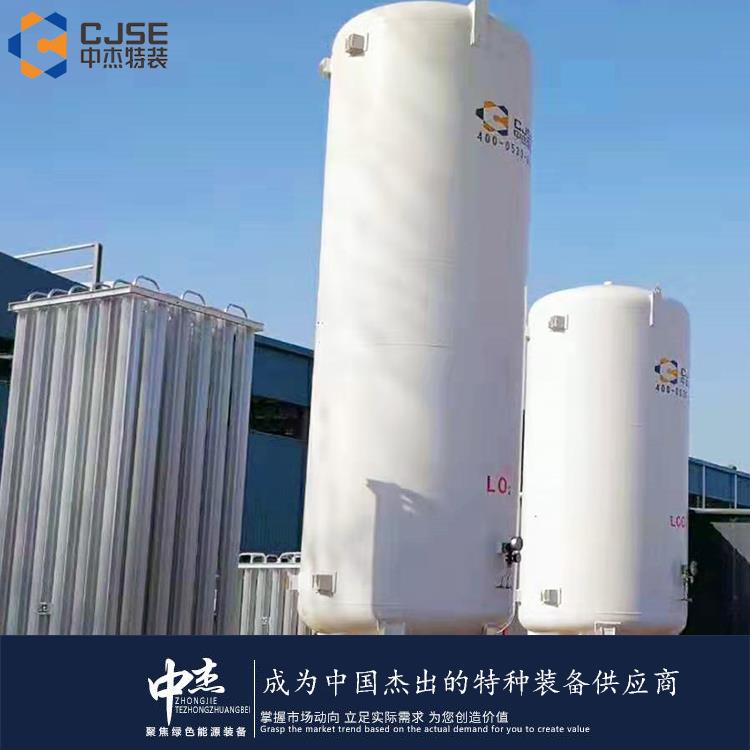
The operational and protection procedures for the application of low-temperature liquid nitrogen storage tanks should include the following:
Staff Training: All operators must undergo safety training for liquid nitrogen storage tanks, understanding the properties, hazards, and proper operating procedures as well as emergency response measures.
Protective Gear: Operators must wear appropriate protective gear, including gloves, protective suits, and non-slip shoes, to safeguard themselves from the low temperatures of liquid nitrogen and other hazards.
Ventilation Requirements: Ensure adequate ventilation in the operational area of the liquid nitrogen storage tank to expel gases produced by the evaporation of liquid nitrogen. Avoid excessive oxygen concentration to minimize the risk of fire and explosion.
Leak Control: Tanks must be equipped with leak detection and alarm systems to promptly identify and control the leakage of liquid nitrogen. In the event of a leak, immediate measures should be taken to control the source of the leak and proceed with repairs.
Fire Prevention Measures: Nitrogen has a low boiling and freezing point, making it prone to fires. To prevent and contain fires, fire walls and fire-resistant coatings are set up around liquid nitrogen storage tanks.
Static protection: The accumulation of static electricity in liquid nitrogen tanks may cause sparks, increasing the risk of fire. Measures such as using static-conductive materials and anti-static equipment are taken to reduce the accumulation and release of static electricity.
Regular inspections and maintenance: Conduct regular checks on the condition of liquid nitrogen tanks and related equipment, including valves, pipes, pressure gauges, etc. Ensure that the equipment is in perfect condition without any damage, and promptly repair or replace any damaged parts.
Waste Gas Treatment: During the operation of a liquid nitrogen storage tank, waste gas is produced, which requires appropriate waste gas treatment measures to prevent harm to the environment and human health.
Emergency Response Plan: Develop an emergency response plan for liquid nitrogen tanks, including procedures for handling leaks, emergency rescue measures, and protocols for notifying relevant departments. Operators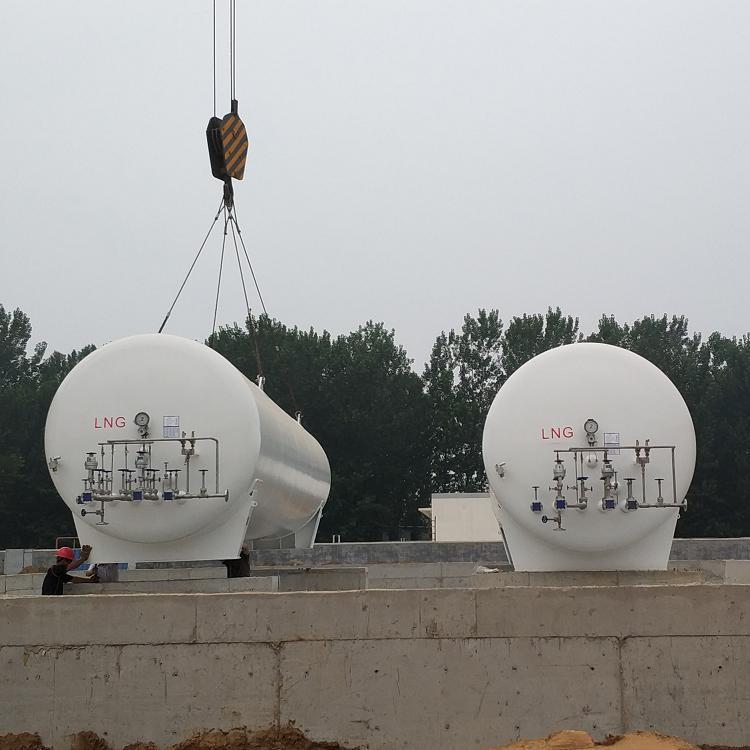
The leak treatment methods for liquid argon storage tanks mainly include the following steps:
Identified Air Leaks: Air leaks in liquid argon storage tanks are discovered through methods such as detecting odors, using gas detection equipment, or abnormal pressure in liquid argon storage tanks.
Confirm air leakage location: Use gas detection instruments or foam leak detection agents, etc., to pinpoint the exact location of air leakage. Check tank interfaces, valves, pipe connections, and other areas to locate the leakage points.
Seal Air Leaks: Take appropriate actions based on the location of the air leaks to stop the source of air leakage. For instance, for leaks at joints, inspect and adjust sealing washers or tighten bolts; for valve leaks, check and replace the sealing components.
Isolate Air Leaks: During the process of dealing with air leaks, it is necessary to isolate the leaky areas to ensure personnel safety. Set up warning signs, restrict access to the area, and take necessary protective measures, such as wearing protective masks and gloves.
Depleting Liquid Argon: If a leak cannot be repaired immediately or the leak rate is significant, consider depleting the liquid argon. By gradually reducing the pressure of liquid argon within the storage tank, convert it into a gas, thereby reducing the risk of leakage.
Ventilation Treatment: During the air leakage treatment, ensure adequate ventilation and promptly expel the gases produced by the evaporation of liquid argon. Natural ventilation or the use of ventilation equipment can be employed to exhaust the evaporated gases of liquid argon outside.
Safety Assessment and Repairs: After the air leakage treatment is completed, conduct a safety assessment to ensure the tank's safety. Based on the assessment results, perform necessary repairs and maintenance to prevent the recurrence of air leakage.
Note that liquid argon is a low-temperature liquid with a low boiling and freezing point. Caution is required when dealing with leaks to avoid contact and resultant coldness. When handling leaks in liquid argon storage tanks, the operation should be performed by personnel and in accordance with relevant safety operation procedures and standards.
Zhong Jie Special Equipment upholds the grand vision of "realizing employees' dreams, creating value for customers, and striving for the prosperity and strength of our motherland," focusing solely on the development of green energy equipment. We dedicate products and services of high cost-performance to society!
Luoyang Liquid Oxygen Storage Tank - Comprehensive After-Sales Support
